How Do I Understand My Komunaliniai Mokesčiai (Utility Bills) in Lithuania?
Ah, the infamous komunaliniai mokesčiai! If you've just moved to Lithuania, or even if you've been here a while, deciphering those monthly utility bills can feel like trying to crack the Enigma code, especially when they arrive in Lithuanian. It's not just one bill, it's a stack of them, each with different payment deadlines and mysterious acronyms. This guide is here to untangle the confusion, explain exactly what those mokesčiai mean, and give you the confidence to manage your household expenses without a constant knot in your stomach.
Decoding Your Komunaliniai Mokesčiai: The Basics
One of the first things that often catches expats off guard in Lithuania is the sheer number of separate bills you receive for what would be consolidated services in many other countries. It’s not uncommon to get 5-7 different statements each month, each from a different provider, covering everything from heating to waste removal. This can be overwhelming, particularly when you're still grappling with the language and the local administrative quirks.
Understanding the Multiple Bills and Providers
Unlike a single utility company that handles everything, Lithuania operates on a system where different companies manage different services. For example, your electricity will come from one provider, water from another, heating from yet another, and then you have separate bills for things like apartment building administration, hot water preparation, and waste management. It's a bit of a relic from Soviet times, where communal services were highly fragmented, and while things have modernized significantly, the multi-bill system largely remains.
For instance, your electricity provider might be Ignitis, while your district heating will likely be handled by a municipal company like Vilniaus Šilumos Tinklai (VŠT) in Vilnius, Kauno Energija in Kaunas, or similar regional providers. Water and sewage are typically managed by local companies such as Vilniaus Vandenys or Kauno Vandenys. Then there are communal service providers like Civinity or Mano Būstas that manage the overall upkeep of your apartment building, stairwells, and sometimes hot water circulation within the building. These individual bills, often arriving as physical paper statements, can quickly pile up on your kitchen counter, making it hard to keep track of what's due when.
Key Terms and What They Mean
Navigating these bills requires a basic understanding of some Lithuanian terms. Don't worry, you don't need to be fluent, but knowing these will save you a lot of headaches:
- Komunaliniai mokesčiai: This is the umbrella term for all your utility and communal service bills.
- Šildymas: Heating. This is often the biggest bill, especially during the long Lithuanian winter. It's usually a separate charge and calculated based on your apartment's square footage and the building's overall consumption, sometimes adjusted by individual meters if you have them.
- Elektra: Electricity. This covers your household electricity consumption.
- Vanduo: Water. Usually divided into šaltas vanduo (cold water) and karštas vanduo (hot water). Note that the karštas vanduo bill often has two components: the cost of the cold water itself and the cost of heating that water.
- Nuotekos: Sewage/wastewater. Often combined with your water bill.
- Atliekų surinkimas / Mokesčiai už atliekas: Waste collection/refuse charges. This covers your household rubbish disposal.
- Administratoriaus paslaugos: Administrator services. This is the fee for the company managing your apartment building – things like common area cleaning, minor repairs, and general building maintenance.
- Namo bendrojo naudojimo objektų priežiūra: Maintenance of common areas of the house. Similar to administrator fees, this covers shared spaces.
- Šilumos punkto priežiūra: Maintenance of the heating point. A separate charge for the upkeep of the central heating equipment in your building.
- Gyvenamojo namo administravimas: Administration of the residential house. Another variant of the building management fee.
- Kaupimas/Sukaupimai: Accumulations/Savings. This is money collected for future major repairs or renovations of the building. You might see specific funds like Kaupimas namo atnaujinimui (accumulation for building renovation).
- Gyvenamojo ploto nuoma (if applicable): Rent for living space. If you're renting, this is what you pay to your landlord, usually handled separately from the utility bills themselves, though sometimes they bundle it.
- Būsto administravimo paslaugos: Housing administration services. Yet another iteration of the management fee.
Understanding these terms is your first step to making sense of what you're actually paying for. It’s not uncommon to find that even long-term residents need a refresher!
Breaking Down Common Utility Costs
Let's dive into the nitty-gritty of what makes up those komunaliniai mokesčiai and why some months can feel like your wallet is undergoing a major extraction. The biggest culprit is often heating, but there are nuances to every service.
Heating (Šildymas) – The Winter Wallet-Wrecker
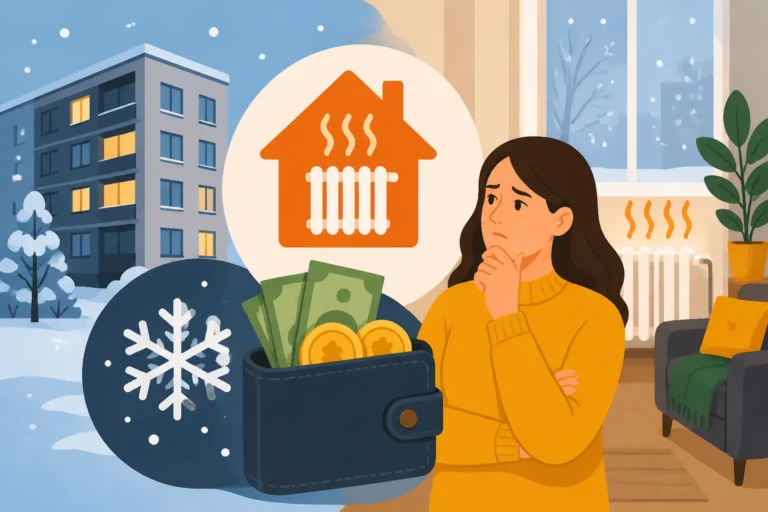
The heating bill is, without a doubt, the most talked-about and often dreaded utility expense, especially if you arrive in Lithuania during the colder months. Winter in Lithuania is no joke – it's long, dark, and often bitterly cold, meaning your heating system will be working overtime.
The way heating costs are calculated can feel like a dark art. Most apartment buildings in Lithuania use a centralized district heating system. This means heat is generated centrally and distributed to buildings. Your individual apartment's heating bill is usually based on two main factors: your apartment's total area (square meters) and the overall consumption of the entire building. Some newer or renovated buildings might have individual heat meters per apartment, which gives you more control, but it's far from universal. If you're in an older block, you're essentially paying a share of the building's total usage. This can be frustrating because you might be super diligent about keeping your own thermostat low, but if your neighbours have their windows open in January while the heating is blasting, you're still contributing to that collective bill.
Expect your heating bills to skyrocket from October through April, potentially dropping to zero or a minimal charge during the summer months when heating is off. For a typical 1-2 bedroom apartment in a city like Vilnius, heating costs can easily range from €80-€150 per month in winter, and even higher for larger or poorly insulated apartments. It's a significant portion of the cost of living in Lithuania for expats (2026). Always factor this into your budget, especially if you're looking at apartments – asking about the average winter heating costs is a crucial question to pose to your potential landlord. You can also dive deeper into How Much Does It Cost to Heat an Apartment in Lithuania in Winter? for more detailed insights.
Electricity (Elektra) and Water (Vanduo)
These are usually more straightforward than heating, as they are typically metered services.
Electricity (Elektra): Your electricity bill will come from a provider like Ignitis. Most apartments have smart meters these days, which automatically send readings, but some older ones might still require manual submissions. The cost depends on your consumption (measured in kilowatt-hours, kWh) and your chosen tariff plan. There are usually different plans, some with variable rates based on time of day (day/night tariffs) or flat rates. If you work from home or use a lot of electronics, you'll naturally see higher bills. It's worth checking with your landlord or a local colleague if a day/night tariff (often cheaper during off-peak hours) makes sense for your lifestyle. Setting up your electricity account is one of the first things you'll do, and this guide on How to Set Up Electricity (ESO) in Your Lithuanian Home can walk you through it.
Water (Vanduo): Water bills generally consist of cold water consumption, hot water consumption, and sewage/wastewater (nuotekos). Most apartments have individual water meters for both cold and hot water in the bathroom or kitchen, requiring you to submit readings monthly. The tricky part with hot water is that you pay for two things: the actual volume of cold water used to make hot water, and then a separate charge for the energy used to heat that water, which is often tied to your building's overall heating system. This means your karštas vanduo bill can fluctuate depending on heating costs. Staying on top of how to set up water, heating and gas in Lithuania is essential right after you move in.
Here's a simplified breakdown of typical monthly utility costs for a small 1-bedroom apartment in Vilnius (these are estimates and can vary wildly):
| Utility Service | Estimated Monthly Cost (EUR) – Summer | Estimated Monthly Cost (EUR) – Winter | Notes |
|---|---|---|---|
| Heating (Šildymas) | 0 – 20 (Hot water prep/circulation) | 80 – 180+ | Varies greatly by insulation, building efficiency, and temperature. Hot water prep sometimes includes minimal heating even in summer. |
| Electricity (Elektra) | 20 – 40 | 25 – 50 | Depends on usage, number of occupants, and energy efficiency. |
| Cold Water (Šaltas Vanduo) | 5 – 15 | 5 – 15 | Based on individual consumption. |
| Hot Water (Karštas Vanduo) | 10 – 25 | 15 – 35 | Includes cold water volume + heating cost. Higher in winter due to heating system. |
| Sewage (Nuotekos) | 5 – 15 | 5 – 15 | Proportional to total water consumption. |
| Waste (Atliekos) | 3 – 8 | 3 – 8 | Usually a fixed per-person or per-apartment fee. |
| Building Admin/Maintenance | 10 – 30 | 10 – 30 | Fixed fees for building upkeep, cleaning, etc. Can include renovation savings. |
| Total (Estimated) | 53 – 158 | 143 – 353+ | Significant difference between seasons, mainly due to heating. |
Waste Management (Atliekų Surinkimas) and Other Fees
Beyond the big three (heating, electricity, water), you'll encounter a few other regular charges.
Waste Management (Atliekų Surinkimas): This covers the collection and disposal of your household waste. In most cities, this is a municipal service, and you'll receive a bill from your local waste management company (e.g., Vilniaus Atliekų Sistemos Administratorius (VASA) in Vilnius). The fee is usually a fixed amount per person or per apartment, regardless of how much rubbish you produce. Lithuania is making strides in recycling, so you'll find separate bins for plastic/metal, paper, and glass in most areas. Learning How to Set Up Waste and Recycling Collection in Lithuania is part of getting settled.
Building Administration and Maintenance Fees: This is where things can get a bit opaque. These fees are for the upkeep of the common areas of your apartment building – hallways, stairwells, elevators, exterior grounds, and minor repairs. The charges might come from a building administrator, a homeowners' association (HOA), or directly from a service company. You'll often see specific line items for things like "administratoriaus paslaugos" (administrator services), "namo priežiūra" (house maintenance), or even "kaupimas renovacijai" (savings for renovation). The latter is a fund for major future works, like insulating the building or replacing the roof. While these fees are usually fixed monthly, they can occasionally increase if the building decides on a major project. It’s always good to understand these when you're checking your rental contract (Nuomos Sutartis) in Lithuania.
Then there are smaller, often overlooked charges like shared internet (if included in your building's common services), elevator maintenance, or even shared lighting in common areas. Sometimes landlords will consolidate some of these smaller, fixed fees into a single "service charge" for simplicity.
Navigating Payment and Meter Readings
Once you understand what all those bills are for, the next hurdle is figuring out how to pay them and submit your meter readings. Thankfully, technology has made this much easier than it used to be, but it still requires some setup.
The El.bankas System and Other Payment Methods
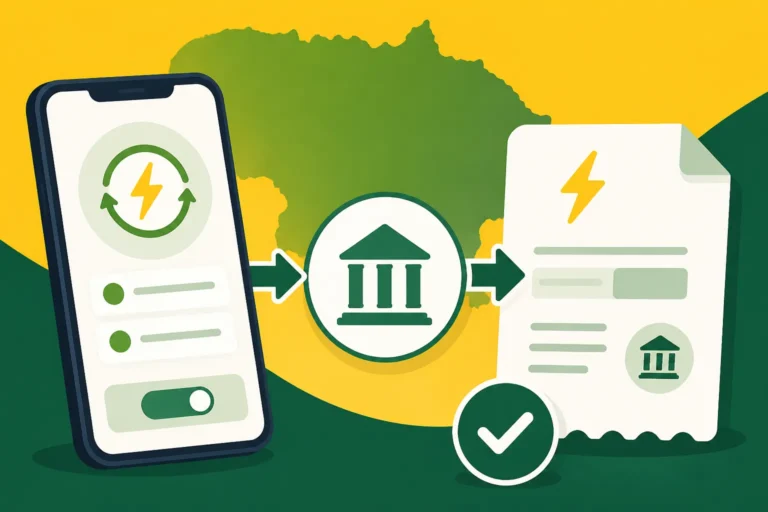
For many expats, the easiest way to manage multiple utility bills is through the El.bankas system, which essentially acts as a clearinghouse for payments. Most major Lithuanian banks (like Swedbank, SEB, Luminor) integrate directly with the El.bankas platform, allowing you to select your utility providers and input your meter readings and payment amounts in one go. You simply log into your online banking portal, find the "Mokėjimai už paslaugas" (Payments for services) or "Komunaliniai mokesčiai" section, and all the common providers will be listed. You then enter your client code for each service (usually found on your bill) and the amount due. This centralizes things considerably.
If you prefer not to use online banking, or if a particular provider isn't integrated, you have a few other options:
- Bank Branch/ATM: You can pay most bills directly at bank branches or ATMs. This is less convenient but reliable.
- Postal Offices (Lietuvos Paštas): All postal offices accept utility payments. Just bring your bills with you.
- Perlo Terminalai: These are self-service kiosks found in supermarkets, kiosks, and petrol stations across Lithuania. You can scan your bill or manually input the details. They typically charge a small service fee (e.g., €0.50 – €1.00 per transaction).
- Direct Debit (Tiesioginis Debetas): For fixed monthly charges or predictable bills like building administration, you can often set up direct debits with your bank. This ensures you never miss a payment. For variable bills like electricity or water, you can sometimes set up automatic payments based on your submitted meter readings. Learn How Do I Pay My Utility Bills in Lithuania? for a full breakdown.
Contextual Brand Mention: When you're first arriving, even setting up something simple like mobile data can be a challenge. I remember relying heavily on an eSIM from Airalo for instant connectivity before I even got my local SIM and got my bank accounts sorted. It's those little things that make settling in smoother, allowing you to focus on the bigger tasks like utility setup.
Reading Your Meters and Submitting Data
For electricity and water, you'll need to submit meter readings regularly, usually by the end of each month (e.g., by the last day, or the 28th, depending on the provider).
- Electricity: Many homes now have smart meters that automatically transmit data to Ignitis. If you have an older meter, you'll need to locate it (often in the hallway or a utility cupboard), read the numbers (usually just the black digits before the comma, if there is one), and submit them. This can be done via their website, their mobile app, or through your online banking portal (El.bankas).
- Water: Water meters (for both cold and hot water) are typically located in your bathroom or kitchen, sometimes under the sink or behind a panel. Again, read the main numbers (usually cubic meters) and submit them. The submission process is similar: through your building administrator's portal, the water company's website, or El.bankas.
- Heating: For centralized heating, you usually don't submit individual readings unless your apartment has a specific heat meter. The building's overall consumption is read, and your share is calculated.
Missing a meter reading usually means the provider will estimate your consumption based on previous months, which can lead to over or undercharging. It's always best to submit accurate readings to avoid nasty surprises later. Most landlords will expect you to handle this, so make sure you know where your meters are and how to access the submission portals.
Troubleshooting Common Issues and Finding Support
Let's face it, things can and do go wrong. You might receive an unusually high bill, your heating might not be working, or you simply can't decipher a specific charge.
- High Bills: First, double-check your meter readings. Did you accidentally input an extra digit? Were there any estimates? If the numbers seem correct, consider your usage. Was it an exceptionally cold month? Did you have extra guests? If it still seems off, contact the service provider directly. Many have English-speaking helplines or email support. Your landlord can also be a valuable first point of contact, as they often have experience dealing with these issues.
- Service Issues: No hot water? Power outage? For emergencies, dial 112. For non-emergencies, contact the specific service provider (e.g., Ignitis for electricity, your local water company for water, or your building administrator for heating issues within your apartment).
- Language Barrier: This is probably the biggest hurdle. Google Translate is your friend for deciphering bills. For phone calls, try using a translation app or, if you're lucky, your landlord or a Lithuanian-speaking friend might be able to help. Many larger utility companies now have English-language sections on their websites or dedicated helplines for foreigners. Don't be afraid to ask for English service. It’s part of the expat journey – learning to be resourceful!
Practical Tips for Managing Your Utility Bills
Living comfortably in Lithuania also means being smart about your expenses. Once you’ve figured out the initial setup, managing your komunaliniai mokesčiai becomes much easier with a few practical strategies.
Budgeting and Conservation Strategies
Knowing what to expect can help you budget effectively. Review your bills from the previous year (if available from your landlord) to get an idea of seasonal fluctuations, especially for heating.
- Thermostat Control: If you have an individual thermostat, use it! Turn down the heat when you're out of the house or overnight. Even a couple of degrees can make a noticeable difference over a month.
- Insulation: Simple things like making sure windows and doors are properly sealed can help retain heat. If your rental apartment feels particularly drafty, discuss potential solutions with your landlord.
- Energy-Efficient Appliances: If you're buying appliances, opt for energy-efficient models. For existing appliances, use them wisely – full loads for washing machines and dishwashers, unplug chargers when not in use.
- Water Conservation: Shorter showers, turning off the tap while brushing teeth, and fixing leaky faucets can all contribute to lower water bills.
- Lighting: Switch off lights when leaving a room and consider energy-efficient LED bulbs if your apartment still has older ones.
- Compare Electricity Tariffs: Periodically check Ignitis's website for different tariff plans. Your consumption patterns might mean another plan would be cheaper.
Being mindful of your consumption isn't just good for your wallet, it's good for the environment too. Every little bit helps.
Understanding Your Rental Agreement's Role
Your rental agreement (nuomos sutartis) is your bible when it comes to utilities. It should clearly state who is responsible for which bills. In most cases, as a tenant, you will be responsible for all consumption-based utilities (electricity, water, heating, waste) and sometimes the fixed building administration fees. The landlord typically covers property taxes and potentially building insurance.
- Clarify Before Signing: Before you sign anything, make sure you understand exactly what utilities you'll be paying for. Ask your landlord for estimated winter and summer utility costs for the specific apartment. This is incredibly important for budgeting.
- Transferring Accounts: Your agreement should also detail whether utility accounts will be transferred into your name or remain in the landlord's name. It's often easier if they are in your name, as it gives you direct control over payments and meter submissions. However, some landlords prefer to keep them in their name and simply forward the bills to you. Make sure the arrangement is clear and that you receive original bills, not just summaries.
- Security Deposit: Be aware that some utility providers (especially electricity) might require a small security deposit if you're a new customer without a credit history in Lithuania. This is less common now with the general shift to smart meters and easier payment tracking, but it can still happen.
A transparent and detailed rental agreement will save you a lot of hassle down the road. If you need help with the overall rental process, resources like How to Find and Rent Long-Term Accommodation in Lithuania are invaluable.
Switching Providers (Where Applicable)
For some services, you have the option to switch providers, offering potential savings.
- Electricity: Lithuania's electricity market is deregulated, meaning you can choose your electricity supplier beyond the default Ignitis. There are several alternative providers like Elektrum Lietuva, Enefit, and Green Genius. It’s worth checking their websites for current offers, as they often have competitive rates or green energy options. You'll need to know your current consumption to make an informed decision. This choice usually applies to the energy supplier, not the grid operator (ESO), which remains the same.
- Internet and Mobile: While not strictly komunaliniai mokesčiai, internet and mobile services are essential utilities. Lithuania has excellent internet infrastructure and competitive mobile plans. Major providers include Telia, Bitė, and Tele2. Comparing their packages for speed, data allowances, and price can yield significant savings. Sometimes, you can bundle internet and TV services for a better deal. Find out more about how to set up home internet and TV in Lithuania.
- Other Utilities: For water, heating, and waste, choice is generally limited as these are usually municipal or regional monopolies. You'll simply pay the designated provider for your area.
Contextual Brand Mention: Moving to a new country like Lithuania involves a lot more than just figuring out bills. Planning your entire relocation can be simplified with platforms like Sirelo, which helps compare international moving companies. Getting your household goods safely and efficiently to your new Lithuanian home can take a huge weight off your mind, allowing you to focus on administrative tasks like getting those utility accounts in order.
Understanding your Komunaliniai Mokesčiai is definitely one of the rites of passage for any expat in Lithuania. It's a complex system, but with a bit of patience and knowledge of those key terms, you'll master it in no time. Welcome to the club!
Disclaimer
The information provided in this guide is for general informational purposes only and does not constitute professional advice. While we strive to keep the information up-to-date and accurate, utility costs, regulations, and provider services in Lithuania can change frequently. It is always recommended to consult with the relevant service providers, your landlord, or a local expert for the most current and specific advice tailored to your situation. We assume no responsibility for any errors or omissions in the content of this guide.