Understanding the Bank of Lithuania and Its Fintech Licensing Role
Navigating the financial world in a new country can feel like trying to decipher an ancient map, especially when you're trying to figure out where your hard-earned money is safest and what all those new digital services actually mean. Lithuania, with its rapid embrace of fintech, presents both exciting opportunities and a fair bit of confusion for expats. This guide aims to clear the fog, demystifying the crucial role the Bank of Lithuania plays in regulating this dynamic sector and helping you understand the financial landscape here.
The Role of the Bank of Lithuania in the Financial System
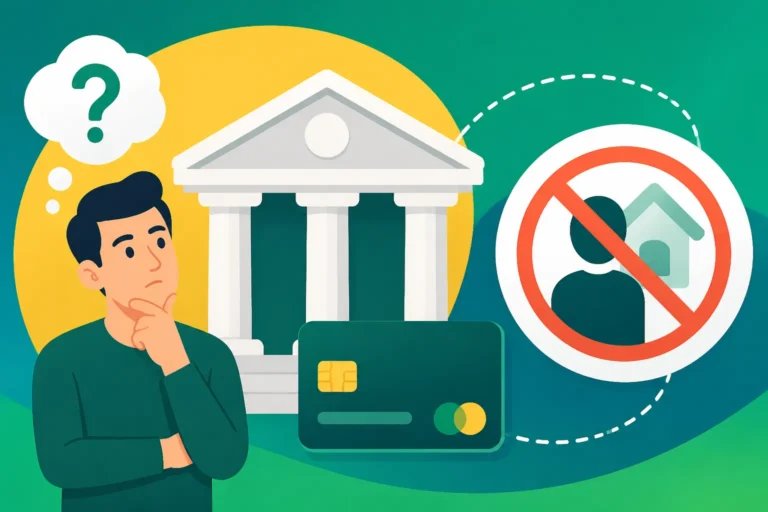
When you first arrive in Lithuania, you'll hear about various financial institutions, but at the heart of it all is the Lietuvos bankas – the Bank of Lithuania. This isn't just any bank; it's the central bank of the Republic of Lithuania, an independent institution that holds a monumental responsibility for the stability and integrity of the country's financial system. For expats, understanding its functions is key to trusting the banks and financial service providers you interact with daily.
Guardian of Financial Stability
The primary role of the Bank of Lithuania is to ensure price stability, which means keeping inflation in check. As part of the Eurosystem, it contributes to the European Central Bank's monetary policy, directly influencing interest rates and the overall economic health of the Eurozone, which of course includes Lithuania. For us expats, this means that the value of our euros, whether they're in a savings account or being sent home, is underpinned by these crucial decisions. When the economy feels stable, it’s often thanks to these unseen hands working diligently.
Beyond monetary policy, the Bank of Lithuania also manages the country's foreign exchange reserves, ensuring that Lithuania has a solid financial cushion against economic shocks. Think about it: when you're sending money or receiving your salary, you want to know that the underlying economic structure is sound. This oversight means that the larger financial environment in Lithuania is designed to be robust, which is a comforting thought when you're far from home and relying on the local system.
Regulator and Supervisor of Financial Institutions
One of the most direct ways the Bank of Lithuania impacts your expat life is through its role as a financial market supervisor. They oversee everything from traditional commercial banks like Swedbank and SEB to credit unions, insurance companies, and even pension funds. This isn't just a bureaucratic formality; it means they set the rules, conduct inspections, and ensure that these institutions are operating fairly, safely, and in accordance with the law. If a bank isn't playing by the rules, the Bank of Lithuania has the power to step in.
This regulatory function is designed to protect you, the consumer. It ensures that the institutions handling your money are solvent, transparent, and adhere to strict ethical standards. For instance, when you're going through the hoops of opening a bank account in Lithuania as a foreigner, which can sometimes feel like an interrogation, remember that these stringent checks are ultimately to protect the financial system from illicit activities, thereby protecting everyone within it. This extensive supervision covers much of what is detailed in our broader guide, Banking in Lithuania: A Complete Guide for Foreigners (2027).
Consumer Protection and Dispute Resolution
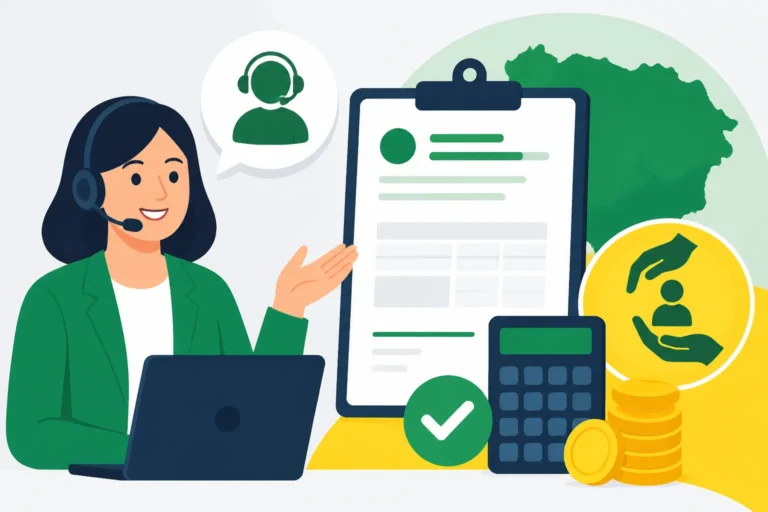
Despite all the regulations, sometimes things go wrong. Perhaps there’s a misunderstanding about fees, a problem with a transaction, or a complaint that your bank isn't resolving to your satisfaction. This is where the Bank of Lithuania steps in as a guardian of consumer rights. They offer a formal dispute resolution process for complaints against financial service providers under their supervision. This means you don't have to face a large financial institution alone.
If you find yourself in a bind with your bank or an insurance company and can’t get a resolution directly, you can lodge a formal complaint with the Bank of Lithuania. They will investigate your case, mediate, and can even issue binding decisions. It's an invaluable safety net for expats who might feel overwhelmed by the system or face language barriers. Knowing there’s an impartial authority to turn to can alleviate a lot of stress when dealing with unexpected financial hiccups.
Lithuania's Emergence as a Fintech Hub
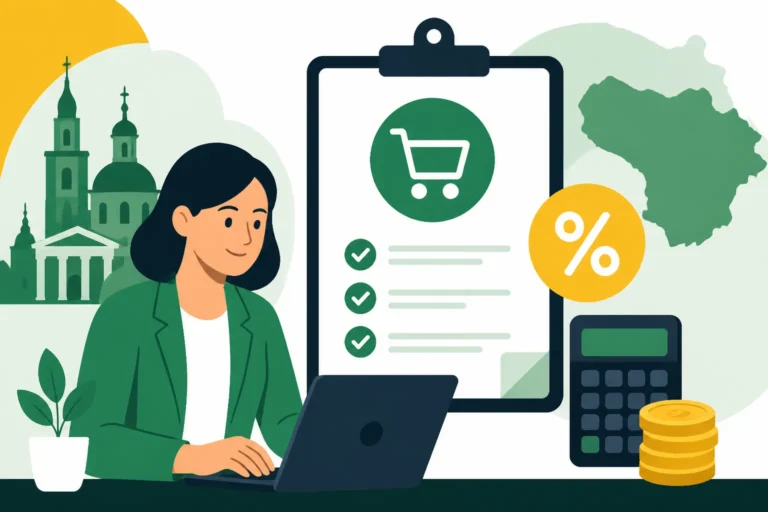
In recent years, Lithuania has carved out an impressive niche for itself on the global financial map: a thriving fintech hub. For expats, this isn't just an abstract economic trend; it directly translates into more innovative financial services, often with lower fees and greater convenience than traditional banking. It's a game-changer for everything from managing your daily spending to sending money across borders.
Why Lithuania Attracted Fintech
You might wonder how a relatively small Baltic nation became such a magnet for financial technology companies. The answer lies in a combination of forward-thinking government policies, a skilled workforce, and a remarkably agile regulatory environment spearheaded by the Bank of Lithuania. The central bank made a conscious decision to streamline the licensing process for electronic money institutions (EMIs) and payment institutions (PIs), making it significantly faster and less bureaucratic than in many other EU countries. This speed, combined with clear regulatory guidelines, proved incredibly attractive to startups and established fintechs alike.
Furthermore, a license obtained in Lithuania comes with the significant advantage of "passporting" within the European Economic Area (EEA). This means a company licensed here can offer its services across all 30 EEA countries without needing to obtain separate licenses in each one. This access to a massive single market from a friendly regulatory base has been a huge draw. Organizations like Invest Lithuania have actively promoted the country as a fintech gateway, providing support and guidance to companies looking to set up shop here, further cementing its reputation.
Types of Fintech Licenses Issued
When we talk about fintech, we're often talking about companies that aren't traditional banks but offer many similar services. In Lithuania, these companies typically operate under one of two key licenses issued by the Bank of Lithuania: Electronic Money Institutions (EMIs) and Payment Institutions (PIs). Understanding the difference is crucial for expats, as it impacts how your funds are protected.
EMIs are authorized to issue electronic money, which essentially means they can hold your funds and facilitate payments. Companies like Wise (formerly TransferWise) operate under an EMI license in Lithuania, allowing them to offer multi-currency accounts and international money transfers. PIs, on the other hand, are licensed to provide payment services but generally cannot hold customer funds for extended periods in the same way an EMI can. Both types of licenses are rigorously vetted, ensuring that these firms meet high standards for capital, governance, and anti-money laundering (AML) controls. The Bank of Lithuania's oversight ensures that even these newer, digital-first entities operate within a robust regulatory framework.
The "Fintech Sandbox" and Innovation
The Bank of Lithuania isn't just about regulation; it's also a champion of innovation. To foster new ideas and technologies, they introduced a "Fintech Sandbox" – a controlled environment where new financial products and services can be tested without immediately having to meet all the full regulatory requirements. This initiative allows startups to experiment with innovative solutions under the central bank's watchful eye, receiving guidance and feedback before launching to the broader public.
For expats, this means Lithuania is a hotbed for cutting-edge financial services that are constantly evolving to meet modern needs. It ensures that the country remains at the forefront of financial innovation, potentially leading to even more convenient and cost-effective ways to manage your money. This supportive approach demonstrates the Bank of Lithuania's commitment not just to stability but also to progress in the financial sector, benefiting everyone, including us international residents.
The Fintech Licensing Process: What It Entails
While Lithuania is known for its relatively speedy fintech licensing, this doesn't mean it's a walk in the park. On the contrary, the Bank of Lithuania maintains a stringent and thorough process to ensure that only legitimate, well-managed, and compliant entities receive licenses. As an expat using these services, it’s reassuring to know that these companies have passed a rigorous examination before they handle your money.
Application and Due Diligence
Applying for an EMI or PI license in Lithuania is a demanding undertaking. Companies must submit a detailed business plan outlining their services, target market, operational procedures, and financial projections. More importantly, they undergo extensive due diligence. This includes a thorough assessment of the company's management team, shareholders, and internal governance. The Bank of Lithuania wants to ensure that the people running these institutions are "fit and proper" – meaning they have the necessary experience, integrity, and competence.
This detailed scrutiny extends to their anti-money laundering (AML) and counter-terrorist financing (CTF) policies. Fintechs must demonstrate robust systems for identifying customers, monitoring transactions, and reporting suspicious activities. For expats, this means that while digital services might feel less personal, the underlying checks are incredibly thorough, aiming to protect the financial system from illicit funds. It’s part of the reason why many financial services, regardless of whether they’re traditional banks or newer fintechs, will ask for detailed documentation when you're trying to set up things like an account or even apply for a residence permit, as outlined in guides like How to Apply for a Temporary Residence Permit (TRP) in Lithuania.
Capital Requirements and Risk Management
Financial stability isn't just about good intentions; it's about having sufficient capital to operate and absorb potential losses. The Bank of Lithuania sets minimum capital requirements for EMIs and PIs, which vary depending on the type of license and the services offered. This capital acts as a buffer, ensuring that the company can meet its financial obligations, even if things go wrong. It’s a crucial safeguard for customer funds, even if the funds themselves are "safeguarded" rather than "insured" in the same way traditional bank deposits are.
Furthermore, fintech companies must demonstrate comprehensive risk management frameworks. This includes identifying, assessing, monitoring, and mitigating various risks, such as operational risk, cybersecurity threats, and liquidity risk. Given that many fintechs operate primarily online, robust cybersecurity protocols are paramount. The Bank of Lithuania closely scrutinizes these plans to ensure that customer data and funds are adequately protected against digital threats.
Ongoing Supervision and Compliance
Obtaining a license is just the beginning. The Bank of Lithuania maintains continuous oversight of licensed fintechs. This involves regular reporting requirements, on-site inspections, and ongoing assessment of their compliance with regulations such, as the revised Payment Services Directive (PSD2). If a company deviates from its approved business plan or fails to meet regulatory standards, the central bank has the power to impose sanctions, ranging from fines to license revocation.
For expats, this ongoing supervision means that the fintech services you use aren't just regulated at the point of entry; they are continuously monitored. This commitment to ongoing compliance helps maintain confidence in Lithuania's fintech sector and ensures that these innovative services remain safe and reliable. It creates a dynamic but secure environment, which is exactly what you want when dealing with your money in a foreign country.
How Fintechs Impact Expats' Financial Lives in Lithuania
The rise of fintech in Lithuania isn't just a corporate success story; it fundamentally changes how expats manage their money. From sending funds home to daily spending, fintech offers alternatives that can be more convenient, faster, and often cheaper than traditional options.
Benefits of Fintech for Expats
Let's be honest, moving abroad often means dealing with pesky international transfer fees and confusing exchange rates from traditional banks. This is where fintech companies truly shine. Services like Wise have revolutionized cross-border payments, offering transparent exchange rates and significantly lower fees than many conventional banks. Imagine needing to send money to your family back home or pay a bill in another currency – a few taps on an app and it's done, without losing a chunk to hidden fees. This ease and cost-effectiveness are huge wins for expats managing finances across borders.
Beyond international transfers, many fintechs offer digital accounts that are incredibly easy to set up, often without the exhaustive paperwork and in-person visits required by traditional banks, making the process of How to Open a Bank Account at a Lithuanian Bank as a Foreigner much smoother. They might provide multi-currency accounts, virtual cards, and intuitive mobile apps that cater specifically to the needs of globally mobile individuals. This accessibility and user-friendliness can alleviate a significant amount of administrative burden for new arrivals, freeing you up to focus on other essential tasks like figuring out your The Complete Guide to Healthcare in Lithuania for Expats (2027).
Risks and Considerations When Using Fintech
While fintech offers undeniable advantages, it's essential for expats to understand the nuances and potential risks. The most crucial point is to always choose a licensed institution. The Bank of Lithuania maintains a public register of all licensed EMIs and PIs, so it's easy to verify their legitimacy. Opting for an unlicensed provider means foregoing regulatory protection entirely.
Another key consideration is how your funds are protected. Traditional banks in the EU are typically covered by the European Deposit Insurance Scheme (EDIS), which guarantees deposits up to €100,000 per customer per bank. For EMIs and PIs, the situation is different. They are required to "safeguard" your funds, usually by holding them in separate accounts at traditional banks or investing them in low-risk assets. While this is a strong protection, it's not the same as deposit insurance. In the unlikely event of a fintech company's insolvency, retrieving your funds through safeguarding procedures might take longer than a claim under EDIS. Therefore, while convenient, understanding these distinctions is vital.
Navigating Taxes with Fintech Accounts
Living and working in Lithuania, you'll quickly become familiar with the local tax system, as detailed in The Complete Guide to Taxes in Lithuania for Expats (2027). When you use fintech accounts, especially for receiving income or managing investments, it adds another layer to your tax obligations. Income earned and held in fintech accounts, whether from freelancing, investments, or other sources, is subject to Lithuanian income tax (GPM), just like income from a traditional bank. The key is to ensure you are accurately reporting all your earnings to the Lithuanian Tax Authority (VMI).
This can sometimes get complex, especially if you're dealing with multiple currencies or various income streams through different platforms. For example, if you're a freelancer receiving payments from international clients into your Wise account, you'll need to accurately convert these to euros for tax declaration purposes. Tools and services from companies like Taxes for Expats can be incredibly helpful in navigating these complexities, ensuring you stay compliant with Lithuanian tax laws, particularly if you're wrestling with Understanding Income Tax (GPM) in Lithuania: The Full Expat Guide.
Comparing Traditional Banks and Fintechs
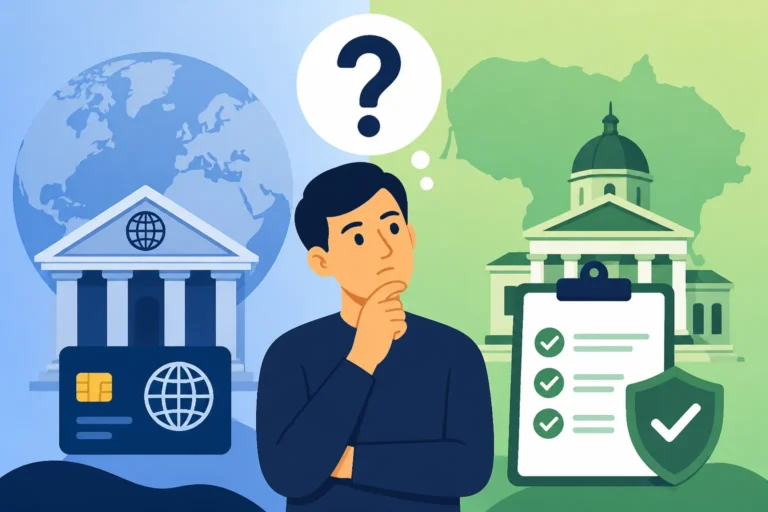
Deciding where to put your money – a traditional Lithuanian bank or a modern fintech solution – isn't a one-size-fits-all answer. Both have their strengths and weaknesses, especially from an expat perspective. Let's break down the key differences to help you make an informed choice.
Services Offered and Accessibility
Traditional banks in Lithuania, such as Swedbank, SEB, and Luminor, offer a full spectrum of financial services. This typically includes current accounts, savings accounts, loans (mortgages, personal loans), investment products, credit cards, and often physical branch locations where you can speak to a person face-to-face. For some expats, especially those looking for a mortgage to buy property or complex investment advice, these comprehensive services are indispensable. They also often have more robust infrastructure for things like direct debits for utilities and salary payments from Lithuanian employers.
Fintechs, on the other hand, often specialize in specific services, such as international money transfers (e.g., Wise), digital-first banking, multi-currency accounts, or specific investment niches. Their strength lies in ease of access, often allowing account setup entirely online with minimal fuss, which is a welcome change from the bureaucratic hurdles of some traditional banks. While they might lack physical branches, their mobile apps are typically highly intuitive and user-friendly. For day-to-day spending, simple savings, and international transactions, fintechs often outcompete traditional banks on speed and convenience.
Security and Deposit Protection
This is one of the most significant differences and a point of frequent confusion for expats. Traditional banks operating in Lithuania are part of the European Deposit Insurance Scheme (EDIS). This means that if the bank were to fail, your deposits (cash in your current or savings account) are protected up to €100,000 per depositor per bank. This is a robust safety net that provides significant peace of mind.
Fintech companies licensed as EMIs or PIs by the Bank of Lithuania do not participate in EDIS. Instead, they are required to "safeguard" your funds. This means they must keep customer funds separate from their own operational funds, usually in segregated accounts at traditional banks or invested in low-risk assets. While safeguarding is a strong regulatory requirement designed to protect your money, it's important to understand it's not the same as deposit insurance. In the very rare event of insolvency, the process of recovering funds might differ, but the goal is still to ensure customers get their money back. Always ensure your chosen fintech is properly licensed by the Bank of Lithuania.
Costs and Fees
The cost structures of traditional banks and fintechs can vary significantly. Traditional banks often have monthly account maintenance fees, which can sometimes be waived if you meet certain criteria (e.g., minimum monthly salary deposit). They might also charge fees for international transfers, often with less transparent exchange rate markups. For things like foreign currency exchange or sending money abroad, it can be quite expensive, a common frustration for expats trying to How to Transfer Money Internationally from a Lithuanian Account.
Fintechs typically pride themselves on lower fees and greater transparency. Many offer free basic accounts, with fees usually applied to specific services like international transfers, currency conversion, or ATM withdrawals above a certain limit. Their exchange rates are often closer to the interbank rate, with a small, clear fee applied. For expats who frequently make international payments or travel, the cost savings with fintechs can be substantial. However, always read the fine print, as some premium features or specific types of transactions might incur fees.
Here's a quick overview to help visualize the comparison:
| Feature | Traditional Banks (e.g., Swedbank, SEB) | Fintechs (e.g., Wise, Revolut) |
|---|---|---|
| Services Offered | Full range: accounts, loans, mortgages, investments, insurance | Specialized: digital accounts, international transfers, multi-currency, virtual cards |
| Account Opening | Often requires in-person visit, more paperwork, stricter eligibility | Mostly online, faster, often more accessible for new expats |
| Physical Presence | Yes, branches and ATMs widely available | Primarily online/app-based, limited or no physical branches/ATMs (network dependent) |
| Deposit Protection | European Deposit Insurance Scheme (EDIS) up to €100,000 per customer | Funds "safeguarded" in segregated accounts, not deposit-insured |
| International Transfers | Can be slow, higher fees, less transparent exchange rates | Fast, lower fees, transparent exchange rates |
| Customer Service | Mix of branch, phone, online support; often with language options | Primarily in-app chat, email, phone (less direct human interaction) |
| Innovation | Slower to adapt, more traditional products | Rapidly evolving, innovative digital features, user-centric apps |
| Ideal For Expats Who | Need loans, complex investments, prefer face-to-face service, have stable local finances | Need easy international transfers, budget-conscious, tech-savvy, digital-first |
Disclaimer
The information provided in this guide is for general informational purposes only and does not constitute financial, legal, or tax advice. While we strive to provide accurate and up-to-date information, regulations and circumstances can change. We recommend consulting with a qualified professional for advice tailored to your specific situation.