What Should Retirees Know About Healthcare Costs in Lithuania?
Moving to a new country for retirement is a massive step, filled with dreams of peaceful days, but also, let's be honest, a fair amount of anxiety. One of the biggest worries, especially as we get a bit older, is always healthcare – specifically, what are the costs going to look like in a place like Lithuania? Navigating a foreign healthcare system, particularly when you’re used to one from your home country, can feel like trying to solve a Rubik's Cube blindfolded. This guide is here to shed light on exactly what retirees can expect regarding healthcare costs in Lithuania, helping you plan with confidence.
Navigating the Public Healthcare System (PSDF) for Retirees
Let's start with the big one: Lithuania's public healthcare system, largely funded by the Compulsory Health Insurance Fund (PSDF), which is managed by the State Health Insurance Fund (VLK). For many expats, especially retirees, understanding if and how they can access this system is paramount. It’s not as straightforward as just showing up; there are specific criteria.
Eligibility for State-Funded Healthcare and the S1 Form
For retirees coming from other European Union (EU), European Economic Area (EEA) countries, or Switzerland, you're often in a much better position to access Lithuania's public healthcare. This is thanks to the magic of the S1 form (formerly E121). If you receive a state pension from another EU/EEA country or Switzerland, you typically register your S1 form with Lithuania's State Health Insurance Fund (VLK). This form essentially tells Lithuania that your home country is responsible for your healthcare costs, and you’re therefore entitled to the same healthcare as Lithuanian citizens. It’s a huge relief for many, as it bypasses the need to pay into the Lithuanian system directly or rely solely on private insurance.
However, getting that S1 form transferred isn't always instant, and there can be a period where you're technically in a grey area. During this time, or if your home country doesn't issue an S1 form or similar document, you'll need to consider your options. It's crucial to understand that even with an S1, certain services might still incur co-payments or have different coverage levels than you're used to. It's also worth noting that non-EU/EEA retirees generally don't have access to the public system unless they become tax residents through employment or self-employment (which isn't usually the case for retirees) or fall into very specific categories. For more details on how the system works generally, you might find The Complete Guide to Healthcare in Lithuania for Expats (2027) very helpful.
Understanding PSD Contributions and Sodra for Non-Working Retirees
For retirees who are not covered by an S1 form – typically those from non-EU/EEA countries or those who haven't transferred their pension rights – gaining access to the PSDF means understanding Compulsory Health Insurance (PSD) contributions. PSD is the Lithuanian equivalent of national health insurance payments. Generally, if you are employed or self-employed in Lithuania, your employer or you directly contribute to Sodra (the Lithuanian social security fund), which then covers your PSD.
For retirees not actively working, the situation is different. If you become a legal resident but aren't otherwise covered, you might need to register for voluntary PSD contributions. This ensures you're part of the public health insurance scheme. The monthly PSD contribution rate is a fixed amount, which is periodically adjusted. For instance, in early 2024, it was €58.63 per month. While it provides access to the public system, it's an out-of-pocket expense you need to budget for. Failing to pay these contributions can result in your healthcare access being suspended, so it's vital to stay on top of it. You can learn more about Understanding PSD Contributions Through Sodra in Lithuania.
Exploring Private Healthcare Options and Their Costs
Let's be realistic: the public system, while comprehensive in theory, can have its quirks. Waiting times for specialists can sometimes be lengthy, and language barriers, while improving, can still exist outside of major cities. This is where private healthcare often steps in, providing an alternative or supplementary layer of care.
Why Retirees Consider Private Healthcare
Many retirees, particularly those who are used to a faster or more personalized healthcare experience, find themselves turning to private clinics. The benefits are clear: shorter waiting times for appointments, the ability to choose your specialist, generally more comfortable facilities, and a higher likelihood of finding English-speaking doctors. For some, especially non-EU retirees, private health insurance might even be a requirement for their residence permit application.
Consider a scenario: you need to see a dermatologist for a nagging skin issue. Through the public system, you'd first need a referral from your family doctor (šeimos gydytojas), and then you might wait a few weeks for an appointment at a polyclinic. In a private clinic, you could likely book an appointment directly for the next day or two, often with an English-speaking specialist. This convenience and speed can be invaluable, particularly when dealing with health concerns that cause discomfort or anxiety.
Typical Costs for Private Consultations, Tests, and Procedures
The cost of private healthcare in Lithuania is generally lower than in many Western European countries or North America, but it's certainly not free. Here's a general idea of what you might expect:
- General Practitioner (GP) Consultation: A private visit to a family doctor or general practitioner typically ranges from €30 to €60.
- Specialist Consultation: Seeing a private specialist (e.g., cardiologist, endocrinologist, ophthalmologist) will usually cost between €50 and €100 per visit. Some highly specialized or sought-after doctors might charge more.
- Diagnostic Tests:
- Blood tests: Basic panels can start from €20-€50, but comprehensive tests will be more.
- Ultrasound scans: Expect to pay €40-€80.
- X-rays: Around €30-€70 per area.
- MRI/CT scans: These are more significant, ranging from €100-€300 or even higher depending on the area and complexity.
- Minor Procedures: Small outpatient procedures, like mole removal or specific injections, can vary widely but might cost from €100 to €500.
These are just estimates, of course, and prices can differ significantly between clinics and cities (Vilnius and Kaunas usually being pricier). It's always best to inquire about the cost upfront. If you’re weighing your options, our guide on Public vs Private Healthcare in Lithuania: Which Should Expats Choose? offers a deeper dive into the pros and cons.
The Role of Private Health Insurance for Supplementary Coverage
For many retirees, private health insurance isn't about replacing the public system entirely, but supplementing it. This is especially true for those with S1 forms or who are paying PSD. Private insurance can cover the co-payments required by the public system, provide faster access to specialists, and cover treatments or amenities not fully covered publicly (like single rooms in hospitals, certain advanced diagnostic procedures, or comprehensive dental care).
There are several international and local insurance providers offering plans. When choosing, look carefully at what's covered: outpatient consultations, specialist visits, hospital stays, prescription medications, diagnostics, and crucially for retirees, chronic condition management and potential rehabilitation. Plans can range from basic supplementary coverage to comprehensive packages. As an expat, you might consider providers that are well-versed in international coverage. For instance, while you’re getting settled or if your public health insurance doesn't kick in immediately, a flexible option like SafetyWing can provide travel and medical insurance coverage for longer stays abroad, offering peace of mind until your long-term plan is solid. It’s always a good idea to get several quotes and compare policies thoroughly, looking beyond just the monthly premium to the deductibles, co-pays, and exclusions. For a general overview of costs, you might want to read How Much Does Private Health Insurance Cost in Lithuania in 2026?.
Specific Healthcare Services and Potential Costs for Retirees
As we age, certain healthcare needs become more prominent. It's vital for retirees to understand the costs associated with common services like dental care, prescription medications, and potentially, long-term care.
Dental Care: What's Covered and What Isn't
Dental care is often a pain point, both literally and figuratively, for many expats globally, and Lithuania is no exception. Under the PSDF, basic dental care is theoretically covered. This usually includes examinations, fillings, and extractions, but only at public polyclinics or specific dental practices that have contracts with the State Health Insurance Fund. However, the catch is often the materials used. You might find that while the procedure itself is "free" or partially covered, you'll pay for higher-quality filling materials (like composite fillings instead of amalgam). More complex procedures like root canals, crowns, bridges, dentures, and especially implants are generally not covered by the PSDF, or only to a very limited extent for specific vulnerable groups.
This means most retirees will end up paying out-of-pocket for significant dental work or relying on private dental insurance (which is usually separate from general health insurance).
Here's a rough idea of private dental costs:
- Routine check-up and cleaning: €40-€80
- Standard filling: €50-€150 (depending on size and material)
- Root canal treatment: €200-€500 per tooth
- Crown (porcelain/ceramic): €300-€700
- Dental implant (per tooth, excluding crown): €700-€1500+
As you can see, dental costs can add up quickly, so budgeting for this is crucial. You can dive deeper into this topic with our article Understanding Dental Care Coverage Under the PSDF in Lithuania.
Prescription Medications: Subsidies and Out-of-Pocket Expenses
Lithuania operates an electronic prescription (e-receptas) system, making the process fairly streamlined once you have a family doctor. For many common and chronic conditions, medications are subsidized under the PSDF. This means you pay a reduced price, often just a small co-payment, with the rest covered by the state. The level of subsidy depends on the medication and the condition it treats. For example, certain life-saving drugs for chronic diseases might be 100% reimbursed, while others might be 50% or 80%.
However, not all medications are subsidized. Many over-the-counter drugs, and even some prescribed ones, will be full price. Also, if you opt to get a prescription from a private doctor and then fill it, the subsidy rules still apply, but sometimes the administrative process can be smoother if everything is within the public system. When moving, it's wise to bring a good supply of your essential medications and your complete medical history, including generic names, to discuss with your new Lithuanian family doctor. They can then assess if your current medications are available, and if so, whether they are subsidized. Our guide on Prescription Medications and Pharmacies in Lithuania: The Complete Guide offers extensive information on this.
Long-Term Care and Home Care Considerations
For many retirees, the prospect of needing long-term care or home care assistance is a very real concern. Lithuania's public system provides some support for these services, especially for those with severe disabilities or complex health needs. This can include assistance with daily living activities, nursing care, or rehabilitation services. However, these services are often limited and subject to strict eligibility criteria and availability. Waiting lists can exist, and the level of care might not always meet individual preferences, particularly regarding language or specific cultural needs.
For more extensive or personalized long-term care, private options are available, but they come at a significant cost. Private nursing homes, assisted living facilities, and in-home care services are growing, especially in major cities like Vilnius and Kaunas. The cost for such services can vary dramatically, from a few hundred euros a month for basic home help for a few hours a week, to several thousand euros for full-time residential care. This is an area where specific long-term care insurance (not typically covered by standard private health insurance) would be beneficial, but such policies are not as common or comprehensive in Lithuania as in some other countries. This is an essential discussion to have with family and financial advisors early in your retirement planning for Lithuania.
Navigating the System and Saving Money
Even with the best planning, moving your healthcare needs to a new country can be challenging. Here are some tips specifically for retirees to help you navigate the Lithuanian system and potentially save some money.
Tips for Finding English-Speaking Doctors
One of the most common frustrations for expats, especially those not fluent in Lithuanian, is the language barrier. While younger generations of doctors, especially in private clinics and major cities, are increasingly proficient in English, it's not universally guaranteed.
Here's how to find them:
- Private Clinics: As mentioned, private clinics are often your best bet for English speakers. Brands like MediCA klinika or Kardiolita in Vilnius and Kaunas are known for catering to international clients and having staff who speak multiple languages. Always ask when booking your appointment.
- Expat Forums and Groups: Online expat communities (Facebook groups for "Expats in Vilnius" or "Lithuania Expats") are goldmines for recommendations. Fellow retirees often share their positive experiences with specific English-speaking doctors.
- Embassy/Consulate Lists: Your home country's embassy or consulate in Lithuania might maintain a list of English-speaking medical professionals.
- University Hospitals: Large university hospitals (like those associated with Vilnius University or Kaunas University of Health Sciences) often have departments with doctors accustomed to international patients.
Don't be shy about asking if a doctor speaks English when you call to make an appointment. It's better to clarify upfront than to face communication issues during a consultation. Our post The Expat Guide to Finding a Family Doctor (Šeimos Gydytojas) in Lithuania provides more detailed strategies.
Understanding Referrals and Specialist Access
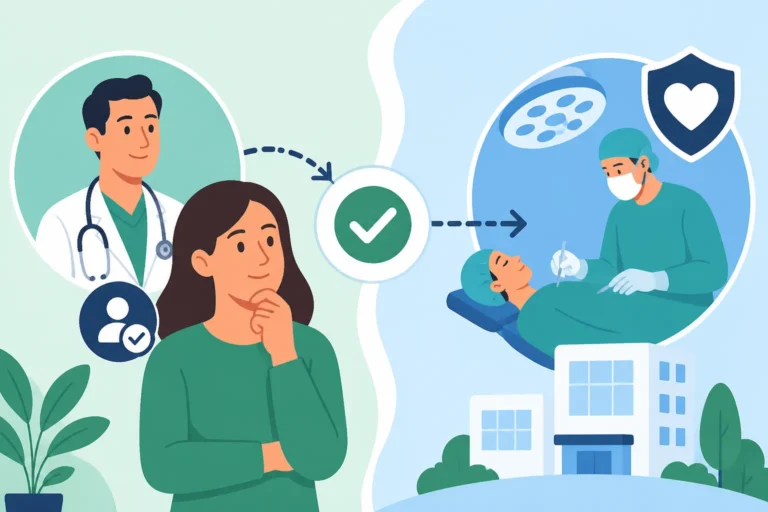
In the public healthcare system, accessing specialists almost always requires a referral from your family doctor (šeimos gydytojas). You can't just call up a cardiologist and book an appointment; your GP needs to assess your condition and provide a siuntimas (referral). This system is designed to manage resources and ensure appropriate care pathways. The family doctor acts as your gatekeeper, coordinating your care. This is a common structure in many European healthcare systems, but it can be a change if you're used to direct access.
If you go private, this referral requirement is usually waived. You can directly book an appointment with a private specialist. However, any prescriptions or subsidized tests stemming from that private visit might still need to be "approved" or re-prescribed by a public family doctor to fall under PSDF benefits. For some retirees who need frequent specialist visits, a combination of public (for general care and basic prescriptions) and private (for specialist access without delay) might be the most practical approach.
How to Utilize EU-Specific Cards (EHIC) if Applicable
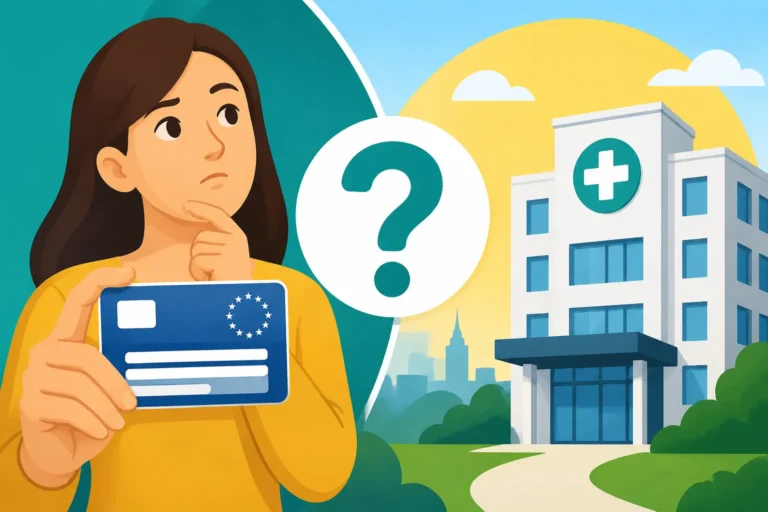
For EU/EEA/Swiss citizens, the European Health Insurance Card (EHIC) is invaluable, especially during your initial period in Lithuania or if you travel frequently within the EU. The EHIC allows you to receive medically necessary state-provided healthcare during a temporary stay in any of the EU/EEA countries or Switzerland under the same conditions and at the same cost as people insured in that country. This is vital for unexpected illnesses or accidents.
However, the EHIC is not a substitute for comprehensive travel insurance or long-term health coverage. It typically covers emergency and necessary treatment, but not planned medical treatments abroad or repatriation. Think of it as a safety net for unexpected issues, but not your primary health insurance solution for long-term residency. For longer stays, as mentioned, the S1 form becomes the crucial document for pensioners. For short trips or during transition periods, having an EHIC plus supplementary private travel insurance like SafetyWing can provide truly comprehensive coverage. Remember, even with an EHIC, you might still need to pay for certain co-payments that local Lithuanians pay.
Summary of Healthcare Costs for Retirees in Lithuania
Here's a quick overview of potential costs for retirees in Lithuania, depending on their situation:
| Cost Category | EU/EEA/Swiss Retiree (with S1) | Non-EU/EEA Retiree (Paying PSD) | Non-EU/EEA Retiree (Private Only) |
|---|---|---|---|
| Public Healthcare Access | Covered by home country (via S1) | Monthly PSD contribution (approx. €58.63/month) | Not applicable (unless employed/specific categories) |
| GP Consultation (Public) | Free (covered by PSDF) | Free (covered by PSDF) | N/A |
| GP Consultation (Private) | €30-€60 (out-of-pocket, or private insurance) | €30-€60 (out-of-pocket, or private insurance) | €30-€60 (out-of-pocket, or private insurance) |
| Specialist Consult (Public) | Free (with referral, potential waiting lists) | Free (with referral, potential waiting lists) | N/A |
| Specialist Consult (Private) | €50-€100 (out-of-pocket, or private insurance) | €50-€100 (out-of-pocket, or private insurance) | €50-€100 (out-of-pocket, or private insurance) |
| Prescription Medications | Subsidized (co-payment may apply) | Subsidized (co-payment may apply) | Full price (unless private insurance covers) |
| Dental Care (Basic) | Partially covered (material costs apply) | Partially covered (material costs apply) | Full price (unless private insurance covers) |
| Dental Care (Complex) | Full price (out-of-pocket, or private insurance) | Full price (out-of-pocket, or private insurance) | Full price (out-of-pocket, or private insurance) |
| Diagnostic Tests (Private) | €20-€300+ (out-of-pocket, or private insurance) | €20-€300+ (out-of-pocket, or private insurance) | €20-€300+ (out-of-pocket, or private insurance) |
| Private Health Insurance | Optional (supplementary coverage) | Optional (supplementary coverage) | Often required for residence permit, essential |
Please note: All costs are approximate and can vary based on clinic, city, and specific services.
Retiring in Lithuania offers many charms, but being realistic and prepared for healthcare costs is key to a smooth transition. Understanding whether you qualify for the public system, budgeting for private options, and knowing where to find help will make all the difference.
Disclaimer
Please note that the information provided in this article is for general guidance only and is subject to change. Healthcare policies, costs, and regulations in Lithuania can be updated frequently. It is always recommended to consult with the official Lithuanian Migration Department (MIGRIS), the State Health Insurance Fund (VLK), Sodra, or a qualified legal/financial advisor for the most accurate and up-to-date information regarding your specific situation as a retiree in Lithuania.