Can I Rent an Apartment in Lithuania Without an Asmens Kodas?
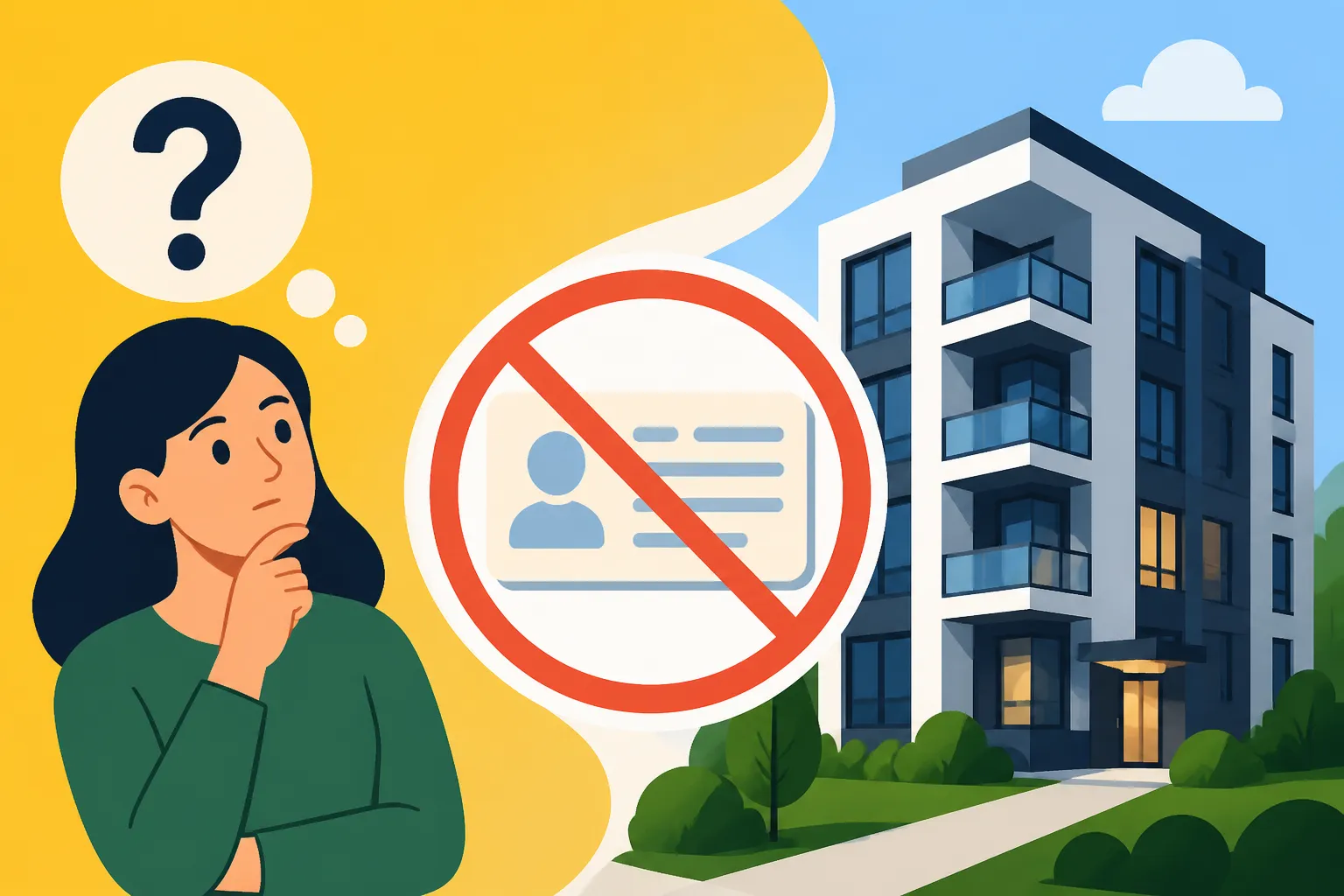
Moving to a new country like Lithuania often brings a whirlwind of questions, and one of the most common, and frankly, confusing ones for new arrivals is how to navigate daily life without that elusive personal identification number, the Asmens Kodas. Many expats find themselves in a chicken-and-egg situation, needing an official document for things like renting an apartment, but needing residency to get that document. This guide aims to demystify whether you can rent an apartment in Lithuania without an Asmens Kodas, offering practical advice and setting realistic expectations.
Understanding the Asmens Kodas: Your Lithuanian Lifeblood
Before we dive into rental specifics, let's talk about the Asmens Kodas. Think of it as your unique personal identifier in Lithuania, similar to a Social Security Number or national ID number in other countries. It’s an 11-digit number assigned to every resident, and it truly is the key that unlocks almost every official door in the country.
Why the Asmens Kodas is Absolutely Essential
From a purely practical standpoint, the Asmens Kodas is deeply intertwined with almost every aspect of setting up your life here. Without it, you’ll hit roadblocks more often than you’d like. It’s not just a nice-to-have; for long-term residents, it's a fundamental requirement. You'll need it for things you might not even think of back home, like opening a proper bank account, registering with a family doctor, or even setting up utilities in your own name.
Let's say you've just arrived and are buzzing with excitement, ready to sign a long-term lease. You walk into a real estate agent’s office in Vilnius or Kaunas, find the perfect place, and then comes the question: "Do you have your Asmens Kodas?" If you don't, the agent or landlord, especially those dealing with professional rentals, will likely pause. While it's not strictly impossible to start the process without it, they know, and you'll soon learn, that having one makes everything smoother and legally sound for both parties. It's often requested on official rental contracts (nuomos sutartis) because it links you to the property for tax purposes and residence declaration. For a deeper dive into its overall importance, you might want to read about How to Get Your Asmens Kodas (Personal Code) and Why It Matters for Healthcare.
How You Get Your Asmens Kodas
The good news is, getting an Asmens Kodas isn't an impossible feat. It’s usually issued automatically when you receive your Lithuanian residence permit. So, if you're a non-EU/EEA citizen, your journey to getting this number will be intrinsically linked to your immigration process. Once your temporary or permanent residence permit is approved by the Migration Department (MIGRIS), your Asmens Kodas will be assigned and printed on your physical permit card. For EU/EEA citizens, it's tied to declaring your right of residence, usually at the Migration Department or through a municipality, after which you'll receive a certificate confirming your residence and Asmens Kodas. It's a bureaucratic process, no doubt, but a necessary one.
Initial Rental Steps Without an Asmens Kodas
So, you’ve just landed, full of hope, and your Asmens Kodas is still a distant dream tied to your residence permit application. Can you find a roof over your head in the meantime? Absolutely. Lithuania understands that people don't arrive with everything perfectly in order.
Short-Term Accommodation: Your Best Starting Point
For your immediate arrival, short-term accommodation is your best friend. This includes options like Airbnb, Booking.com, or extended stays in hotels and serviced apartments. These typically do not require an Asmens Kodas because they operate more like hospitality services than long-term tenancy. You're just a guest.
- Airbnb/Booking.com: These platforms are fantastic for finding places for a few days, weeks, or even a month or two. You pay upfront, usually with an international credit card, and the hosts aren't concerned with your Asmens Kodas. This gives you breathing room to settle in, explore neighborhoods, and start your administrative processes.
- Hotels/Serviced Apartments: Similar to Airbnb, these establishments are set up for temporary guests. They will require your passport for check-in but won't ask for an Asmens Kodas. Many expats use these for their first month or two, providing a stable base while they look for something more permanent and get their paperwork in order. This temporary period is also when you can sort out essential services like mobile data, maybe even using an eSIM from a provider like Airalo to stay connected immediately.
The biggest challenge with short-term options, of course, is cost. They tend to be significantly more expensive than long-term rentals. However, the peace of mind they offer by allowing you to bypass the Asmens Kodas requirement initially is invaluable.
The Informal Rental Market: A Word of Caution
Sometimes, new expats explore the informal rental market, perhaps through expat Facebook groups or word-of-mouth. You might find a private landlord willing to rent you a room or even an apartment without a formal contract or asking for an Asmens Kodas. While this might seem like a quick fix, it comes with significant risks. Without a formal rental contract (nuomos sutartis), you have very few legal protections. You could face eviction with little notice, disputes over deposits, or even find yourself without a valid address for official purposes. This is generally not recommended for anything beyond a very brief, interim period. It's always better to aim for a legally sound agreement, even if it takes a bit more effort.
The Asmens Kodas Becomes Necessary for Long-Term Rentals
While you can certainly start your life in Lithuania without an Asmens Kodas, if your intention is to live here for more than a couple of months and establish residency, you will almost certainly need it for a proper, long-term rental.
Declaring Your Place of Residence
The primary reason the Asmens Kodas becomes crucial for long-term renting is the requirement to declare your place of residence (gyvenamoji vieta). In Lithuania, if you plan to stay for longer than six months (or immediately upon arrival if you are a non-EU/EEA citizen with a residence permit), you are legally obligated to declare your address. This declaration is essential for almost everything else – your health insurance, taxes, and even voting if you're an EU citizen.
When you go to declare your residence at the municipality or through the Registrų Centras portal, they will ask for your Asmens Kodas. They also require a document proving your right to live at that address, typically your rental contract. If your rental contract does not include your Asmens Kodas, it can complicate the declaration process. Landlords, especially those who are experienced or rent through agencies, prefer to have your Asmens Kodas on the contract because it streamlines their obligations and ensures you can properly declare residence. For a detailed walkthrough, check out Declaring Your Place of Residence in Lithuania: The Complete Guide.
Setting Up Utilities and Essential Services
Imagine moving into your dream apartment in Kaunas. Now you need electricity, water, internet. Good luck doing that in your own name without an Asmens Kodas! Utility companies like ESO (electricity) and local water providers, along with internet service providers like Telia or Bitė, require your Asmens Kodas to set up accounts in your name. They need a unique identifier to link services to you, track consumption, and issue bills.
Without an Asmens Kodas, you might face a scenario where:
- The landlord keeps utilities in their name: This is common in the interim. They pay the bills, and you reimburse them. While it works, it's not ideal for long-term living. It can lead to disputes over usage, and you lose control over your own utility consumption. It also doesn't provide you with proof of address from a utility company, which might be needed for other administrative tasks.
- You cannot establish services: You simply won't be able to get a contract for internet, for example, which is a major pain point for most expats who rely heavily on connectivity. This means no Netflix, no remote work, no easy way to communicate without relying solely on your phone.
The moment you have your Asmens Kodas printed on your residence permit, you can take control of these aspects of your life. For more on this, our guide on The Expat Guide to Setting Up Utilities in Lithuania covers this in depth.
Signing a Formal Rental Contract
While it is theoretically possible for a private landlord to draft a rental contract without your Asmens Kodas (especially if they are new to renting to foreigners or less formal), most professional landlords and real estate agencies will insist on it for a long-term nuomos sutartis. This isn't just bureaucratic red tape; it's about legal clarity and financial responsibility.
A proper rental agreement will include:
- Your full name and Asmens Kodas (or passport number if Asmens Kodas is pending)
- The landlord's details
- The address of the property
- Rental period, price, and payment terms
- Deposit details
- Responsibilities for utilities and maintenance
If your Asmens Kodas is still pending, a landlord might accept your passport number on the contract initially, provided you have an active residence permit application in progress. However, they will likely expect you to provide the Asmens Kodas as soon as you receive it, perhaps through an addendum to the contract. This demonstrates to them that you are legally residing in Lithuania and intend to integrate properly into the system. Remember, a formal contract protects both you and the landlord. For more information on what to expect, take a look at How to Sign a Rental Contract (Nuomos Sutartis) in Lithuania.
Navigating the Rental Market While Awaiting Your Asmens Kodas
So, you're committed to Lithuania, your residence permit is processing, but you don't have that Asmens Kodas yet. How do you find and secure a long-term rental without getting frustrated by the system? It's all about strategy and transparency.
Communication is Key
When you're looking for an apartment, whether through a real estate agent or directly with a landlord, be upfront about your situation. Explain that your residence permit (and therefore your Asmens Kodas) is currently being processed.
- Real Estate Agents: Many agents who work with expats are familiar with this scenario. They might be able to find landlords who are more flexible or suggest temporary solutions. Be honest about your timeline for receiving your residence permit, and assure them you will provide the Asmens Kodas as soon as it's issued. They might be willing to draft a preliminary agreement based on your passport and visa/residence permit application number.
- Direct Landlords: Private landlords can sometimes be more understanding, especially if you build a good rapport. However, be prepared for some to be hesitant. Having a stable job, proof of income, and a willingness to pay a slightly larger deposit (within legal limits) can sometimes help alleviate their concerns.
It also helps to show that you are serious about moving here long-term and are taking all the correct legal steps. Having copies of your residence permit application receipt and confirmation of your visa (if applicable) can reassure them.
Alternative Proof of Address (Temporarily)
While an Asmens Kodas linked to your official residence declaration is the gold standard, there are temporary solutions for proof of address that might work in specific situations, though not for the formal declaration itself.
- Temporary Accommodation Agreements: If you've stayed in a serviced apartment or an official short-term rental for an extended period, they might provide a letter confirming your stay. This isn't a legal residential address but can sometimes suffice for minor administrative tasks.
- Employer Support: If you're moving to Lithuania for work, your employer might be able to provide a letter stating your employment and expected start date. In some rare cases, they might even act as a guarantor for your rental, though this is less common for individual employees.
However, none of these truly replace the need for the Asmens Kodas for official long-term residence declaration, which is a mandatory step.
Consider a Moving Service for Smooth Transition
Planning a move to a new country involves so much more than just finding an apartment. There are shipping logistics, utility setup, and all the administrative hurdles. Services like Sirelo can help coordinate your move, from finding reputable international movers to offering advice on setting up your new home. While they won't get you an Asmens Kodas, using such a service can reduce the overall stress of relocation, allowing you to focus more clearly on the critical steps like securing your residence permit and personal code. A smoother move means you can address the Asmens Kodas requirement faster and with less hassle.
Consequences of Not Having an Asmens Kodas for Long-Term Living
Let's be blunt: attempting to live long-term in Lithuania without an Asmens Kodas is like trying to drive a car without a steering wheel. You might get a little way, but you won't have control, and you'll eventually crash into a wall of bureaucracy.
Legal and Administrative Roadblocks
As mentioned, you cannot legally declare your place of residence without an Asmens Kodas. This has a cascading effect:
- No Proper Residence Declaration: This is the big one. Without it, you’re essentially off the official grid for long-term purposes. You won’t have official proof of address, which is required for so many other things.
- Healthcare Access Issues: You won't be able to register for compulsory health insurance (PSD) through Sodra, and therefore, you won't have access to public healthcare, unless you're an EU citizen using an EHIC for urgent care. Even then, for regular GP visits and specialist referrals, you need to be properly registered. This could lead to massive out-of-pocket expenses if you get sick. Find out more in Registering for Compulsory Health Insurance (PSD) in Lithuania (2027).
- Banking Difficulties: While some fintech banks like Revolut might allow you to open an account with just a passport, traditional Lithuanian banks (Swedbank, SEB, Luminor) will almost always require your Asmens Kodas to open a full resident bank account. Without it, managing your finances, receiving your salary, and paying bills will be incredibly complicated.
- Employment and Social Security: Your employer will need your Asmens Kodas to register you with Sodra for social security contributions, which includes health insurance, pension, and unemployment benefits. Without it, your employment status isn't fully legalized.
- Other Government Services: From getting a library card to applying for a driver's license exchange, almost every interaction with a government or municipal service will eventually lead back to needing your Asmens Kodas.
Financial and Personal Inconveniences
Beyond the legalities, not having an Asmens Kodas simply makes life incredibly inconvenient and potentially more expensive.
- Higher Costs: You'll be stuck paying higher prices for short-term rentals, often relying on landlords to manage utilities, and you might pay more for private services (like private doctors) if you can't access public ones.
- Lack of Proof of Address: This might seem minor, but proof of address is often required for various things, from setting up a local gym membership to receiving packages reliably. If you don't have utilities in your name or an official residence declaration, you'll constantly struggle to prove where you live. Getting a formal How Do I Get Proof of Address (Pažyma) from Registrų Centras in Lithuania requires that residence declaration, which needs an Asmens Kodas.
- Limited Integration: True integration into Lithuanian society, from a practical standpoint, requires official recognition. The Asmens Kodas is a cornerstone of that recognition. It shows you're legitimately here and part of the system.
In essence, while you can temporarily rent an apartment without an Asmens Kodas, it’s a temporary workaround. For any meaningful, legal, and comfortable long-term stay in Lithuania, acquiring your Asmens Kodas through the proper residence permit channels should be one of your top administrative priorities.
Key Considerations for Renting in Lithuania
It can be both challenging and rewarding to find your footing here. When it comes to renting, especially when you're navigating the Asmens Kodas situation, a few extra tips can make a world of difference.
Research Neighborhoods and Costs Early
Even before you have your Asmens Kodas, start researching where you want to live. Vilnius, Kaunas, and Klaipėda all offer different vibes and price points. Knowing which areas suit your lifestyle and budget will save you a lot of time once you're ready to seriously apartment hunt. Our guides like How Much Does It Cost to Rent an Apartment in Vilnius in 2026? and How Much Is the Cost of Living in Kaunas for Expats? can give you a good head start.
Understand Tenant Rights
The Lithuanian legal system, particularly regarding landlord-tenant relationships, might differ from what you're used to. It's crucial to understand your rights and obligations, especially concerning deposits, notice periods, and maintenance. Being informed helps protect you, whether you have an Asmens Kodas or are waiting for one. For instance, what are your rights regarding the return of your deposit if you decide to leave? When can a landlord enter your property? These are important questions. Understanding Tenant and Landlord Rights in Lithuania will serve you well.
Begin the Asmens Kodas Process Promptly
My strongest piece of advice? Don't delay the Asmens Kodas process. The sooner you apply for your residence permit or declare your EU/EEA right of residence, the sooner you'll get this crucial number. Every day you delay is another day you might be facing administrative hurdles. It’s the foundational step for a smooth life in Lithuania. Consider it the first step in The Complete Guide to Moving to Lithuania: Your First 90 Days (2027). The sooner you have it, the sooner you can confidently sign that long-term lease, set up utilities, and truly feel settled.
| Rental Scenario | Asmens Kodas Required? | Typical Duration | Key Documentation Needed (besides Asmens Kodas) | Pros | Cons |
|---|---|---|---|---|---|
| Short-Term Rentals | No | Days to 1-2 Months | Passport, credit card | Immediate solution, no bureaucracy | Expensive, not proof of address |
| Informal Rentals | Usually No | Varies | Passport (sometimes) | Quick, flexible | High risk, no legal protection, no proof of address |
| Long-Term Formal Rental | Yes (eventually) | 6+ Months | Residence permit, proof of income, rental contract | Stable, legal, proof of address, cheaper | Requires Asmens Kodas for full setup, bureaucratic |
In conclusion, while you can technically secure temporary accommodation without an Asmens Kodas in Lithuania, for any genuine long-term living arrangement, it will become an absolute necessity. Prioritize getting your residence permit and Asmens Kodas as swiftly as possible to unlock a smoother, more integrated life here.
Disclaimer
The information provided in this guide is intended for general informational purposes only and does not constitute legal, financial, or immigration advice. While we strive to keep the information up-to-date and accurate, regulations in Lithuania can change frequently. Always consult with official Lithuanian government sources, a qualified legal professional, or the Migration Department (MIGRIS) for the most current and specific advice regarding your individual situation.