How Do I Transfer Vehicle Ownership When Buying a Car in Lithuania?
Oh, the joy of finally finding that perfect car in Lithuania! You’ve scoured the listings, maybe even braved a few test drives with interesting characters, and now you’re ready to make it official. But then comes the paperwork, and suddenly, that excitement starts to feel like a knot in your stomach. Transferring vehicle ownership in Lithuania, while not impossible, certainly has its quirks and can feel like a labyrinth for those of us who aren't native speakers or familiar with the local administrative dance. This guide is here to walk you through every step, demystifying the process so you can get that car registered in your name without too many headaches.
Understanding the Lithuanian Vehicle Ownership Transfer Process
When you buy a car here in Lithuania, whether it’s a shiny new model or a trusty used vehicle, the legal transfer of ownership is more than just a formality; it’s a critical step that ensures you’re the rightful owner in the eyes of the law. Without proper registration, you could face fines, insurance headaches, and endless complications down the road. Trust me, you don't want to get caught driving a car that's not legally yours.
Why the Transfer Is Crucial and What It Entails
In Lithuania, the official record of vehicle ownership is maintained by a state enterprise called Regitra. They are the gatekeepers, so to speak, for everything related to driving licences, vehicle registration, and ownership changes. The transfer process isn't just about updating a name in a database; it’s about establishing your legal responsibility for the vehicle, ensuring it's properly taxed, insured, and compliant with safety standards. Think of it as putting a stake in the ground, legally speaking, that this car is unequivocally yours.
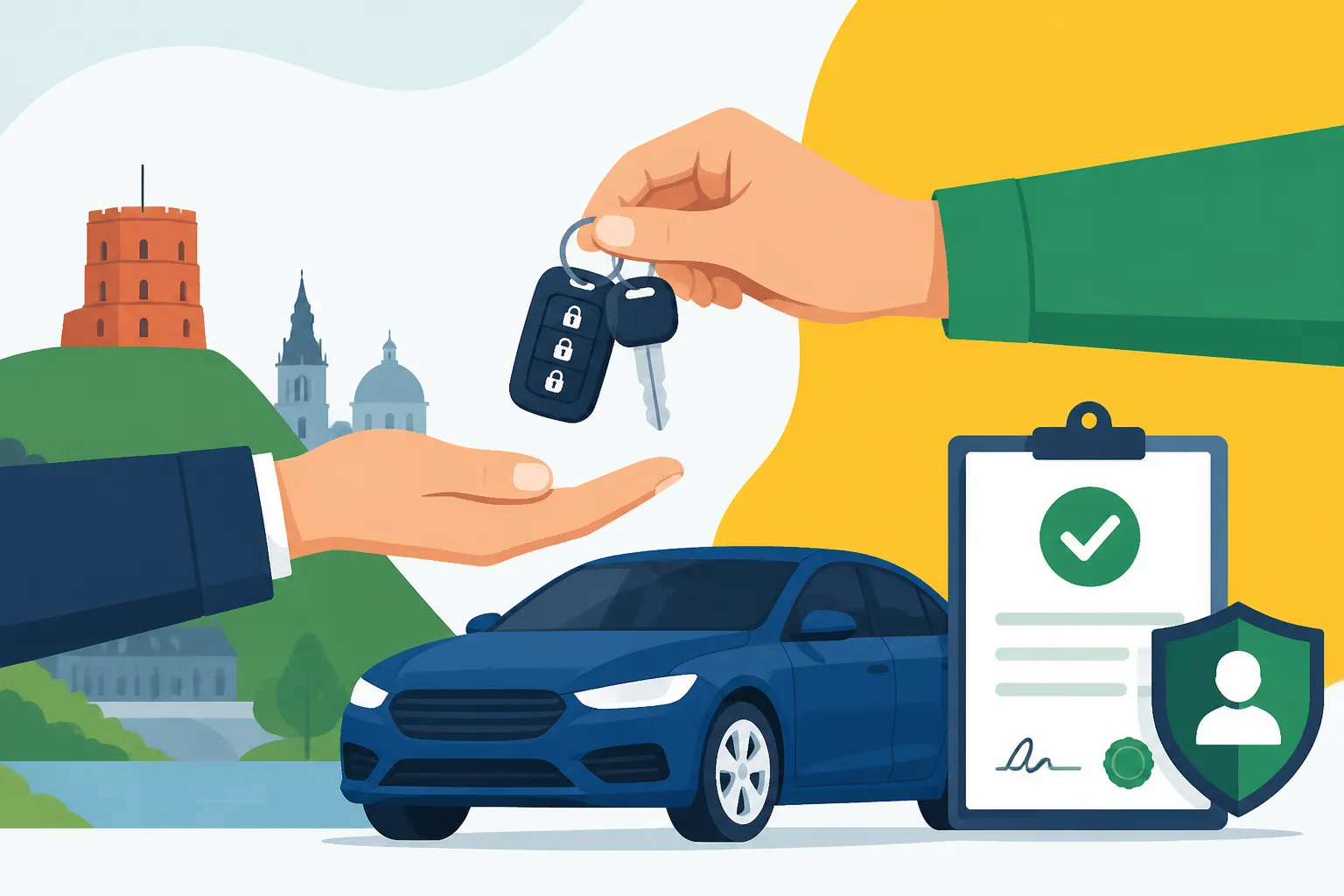
This process typically involves both the seller and the buyer, though some steps can be handled by one party with proper authorization. The key is that Regitra needs to see a clear chain of ownership, from the previous owner to you, along with proof that the vehicle meets all necessary technical requirements. This means having a valid technical inspection certificate, proof of insurance, and all the right identification documents. It’s a bit like getting a new passport for your car, but with more steps and forms!
The Role of Regitra Your Go-To Agency
Regitra is the central authority for all vehicle-related registrations in Lithuania. You'll be dealing with them for almost every aspect of vehicle ownership, from the initial registration of an imported car to transferring ownership of a locally purchased one, and even when it's time for your Understanding the Vehicle Roadworthiness Test (Techninė Apžiūra) in Lithuania. They have physical service centers across the country, but thankfully, a lot of the process can now be initiated or completed online through their e-services portal. This is a huge relief for expats, as it often reduces the need for constant in-person visits and allows for some forms to be pre-filled or checked.
However, be prepared that certain documents, especially those involving signatures and identity verification, will still require a trip to one of their branches. It’s always a good idea to check their website or call ahead to confirm the exact requirements for your specific situation. Their website usually has an English option, which is a lifesaver, but sometimes the intricacies of the legal jargon can still be a bit tricky. Remember, patience is your best friend when dealing with any government agency here.
Key Documents You'll Need as a Buyer
When you're ready to transfer that vehicle into your name, gathering the right documents beforehand will save you immense time and frustration. Missing just one paper can send you back to square one, and nobody wants that!
Here’s a breakdown of what you’ll typically need:
- Your Personal Identification: This means your valid passport or Lithuanian ID card. If you're a non-EU citizen, your residence permit will also be crucial. And, of course, your How to Get Your Asmens Kodas (Personal Code) and Why It Matters for Healthcare is paramount for almost any official transaction in Lithuania, including this one.
- The Vehicle Registration Certificate (Transporto Priemonės Registracijos Liudijimas): This is the "passport" of the car. The seller must provide you with the original. It usually comes in two parts (Part I and Part II for older vehicles, or a single combined document for newer ones). Make sure the seller's name matches the name on the certificate.
- Proof of Ownership Transfer (Pirkimo-Pardavimo Sutartis): This is your sales contract. It needs to clearly state the buyer's and seller's details, vehicle information (make, model, VIN), sale price, and the date of sale. It must be signed by both parties. Don't just use a handshake deal; a proper written contract is legally binding and essential.
- Valid Technical Inspection Certificate (Techninės apžiūros patvirtinimas): The car must have passed its technical inspection. You won't be able to register it if the inspection is expired or failed. The seller should provide this.
- Compulsory Motor Third Party Liability Insurance (Privalomasis civilinės atsakomybės draudimas): You need to have valid insurance in your name before the car can be registered to you. This is non-negotiable and something you can arrange with local insurance companies (like Gjensidige, ERGO, or BTA) before your Regitra appointment.
- Power of Attorney (Įgaliojimas): If either the buyer or seller cannot be present, a notarized power of attorney is required for someone else to act on their behalf.
It sounds like a lot, and it is, but having a checklist and ticking off each item as you go makes it much more manageable.
Step-by-Step Guide to Transferring Ownership
Okay, deep breath. We're going to break this down into digestible steps. The process involves a bit of back-and-forth, but knowing what to expect can ease the stress significantly.
Before You Head to Regitra: Preparing Your Paperwork
Preparation is key, my friends. Before you even think about stepping foot into a Regitra branch, make sure everything is in order.
- Seal the Deal with a Sales Contract: Once you've agreed on the price and terms, draft and sign a formal sales contract (Pirkimo-Pardavimo Sutartis). Ensure all details are accurate – vehicle identification number (VIN), make, model, year, engine size, mileage, and the agreed-upon price. Both you and the seller should sign it. A simple template can often be found online, or the car dealership will provide one.
- Verify Technical Inspection: Ask the seller for the vehicle's valid technical inspection document. You can also check the validity online on the "Techninė Apžiūra" website using the vehicle's registration number or VIN. An expired inspection means you will have to get it done, potentially adding unexpected costs and delays.
- Arrange Your Insurance: This is a crucial step. You cannot legally transfer ownership and drive the car without valid compulsory third-party liability insurance in your name. Contact a local insurance provider (mentioning Gjensidige or BTA, for example) and get a quote. You can usually purchase this online or over the phone. Make sure the policy starts before your planned ownership transfer date.
- Confirm Seller's Details: Double-check that the seller's ID matches the name on the vehicle registration certificate. Any discrepancies will cause problems at Regitra.
- Check for Debts or Restrictions: While not strictly your responsibility to check, it's a good practice to ask the seller if there are any outstanding debts or legal restrictions on the vehicle that might prevent the transfer. Regitra will perform its own checks, but better safe than sorry.
It's also a good time to ensure your phone has enough data to access online portals or translate documents on the fly. Maybe even consider an eSIM from a provider like Airalo if you're newly arrived and still figuring out local SIMs – it can save you a lot of hassle when you're out and about.
The Regitra Appointment: What to Expect
Now that your paperwork is in order, it's time for the main event.
- Book an Appointment: While walk-ins might be possible in smaller towns, in cities like Vilnius or Kaunas, booking an appointment via the Regitra e-services portal is highly recommended. It saves you from potentially hours of waiting. Select the service for "ownership transfer" or "vehicle registration."
- Attend with the Seller (Ideally): The smoothest way to do this is for both the buyer and seller to attend the Regitra branch together. This way, any questions can be clarified on the spot, and both parties can sign necessary declarations. If the seller cannot attend, ensure you have a notarized power of attorney from them, giving you permission to act on their behalf.
- Present Documents: At your appointed time, you'll go to the designated counter. Hand over all the documents you've gathered: your ID/residence permit, the vehicle registration certificate, the sales contract, and proof of your insurance.
- Verification and Fees: The Regitra specialist will review all documents, cross-reference details, and conduct their internal checks. If everything is in order, they will calculate the registration fee. You can usually pay this fee directly at the counter via card or cash. For current fees, always check the Regitra website or inquire during your appointment.
- New Registration Certificate and Plates: Once the payment is processed, the ownership transfer is official. You will then be issued a new vehicle registration certificate in your name. If the car has existing Lithuanian plates, they usually remain the same. If it's an imported vehicle being registered for the first time, or if you opt for new plates, you’ll receive those too. This is the moment to celebrate – you're officially the owner!
The whole process at Regitra itself usually doesn't take more than 30-60 minutes if you have all your documents in order and an appointment. However, the online portal is also increasingly being used for certain steps, allowing you to How to Register a Vehicle with Regitra in Lithuania digitally, which can sometimes streamline things even further.
Post-Registration: What Else Needs Doing
Don't breathe too easy just yet. While the major hurdle is cleared, there are a few more things to consider after the ownership transfer.
- Update Your Insurance Provider: Inform your insurance company that the transfer is complete and you have the new registration certificate. They might need an updated copy for their records.
- Keep Your Documents Safe: Your new vehicle registration certificate is a vital document. Keep it safe, ideally not in the car itself, but in a secure place at home. You should always carry a copy (or keep it easily accessible on your phone via e-Sveikata or other portals) when driving.
- Consider Road Tax (if applicable): While Lithuania doesn't have a direct annual "road tax" in the same way some other countries do, there are sometimes fees associated with vehicle emissions or first-time registration of imported vehicles. It’s wise to check with Regitra or the Ministry of Transport regarding any specific levies that might apply to your vehicle type.
- Inform the Seller: It’s good practice to let the seller know that the transfer is complete, especially if they needed to deregister the vehicle from their name or cancel their insurance.
This administrative process can feel daunting, but it’s a necessary part of settling in. While platforms like Sirelo can make moving your household goods feel manageable, sorting out vehicle ownership here is a whole different beast that requires direct engagement with local systems.
Common Pitfalls and Tips for Expats
As an expat, you might face unique challenges during this process. Here are some common pitfalls and how to navigate them.
Language Barriers and How to Overcome Them
Unless you're fluent in Lithuanian, the language can be a significant hurdle, especially with official forms and technical jargon.
- Bring a Lithuanian Speaker: If possible, ask a Lithuanian friend, colleague, or even hire a translator to accompany you to Regitra. Having someone who can clarify questions and interpret instructions is invaluable.
- Use Translation Apps: Google Translate or similar apps can be useful for translating documents or having basic conversations, but be wary of nuances that can get lost in translation, especially in legal contexts.
- Regitra Staff and English: Many younger Regitra staff members in larger cities speak English, but you shouldn't assume it. Be patient and polite, and they will usually try their best to assist.
- Online Resources: Utilize Regitra's English version of their website. It often provides clear instructions and requirements. The Understanding the E-Government Gateway (Elektroniniai Valdžios Vartai) in Lithuania can also sometimes provide options in English for various state services.
Avoiding Scams and Unforeseen Issues
Unfortunately, where there's money changing hands, there's potential for scams. Be vigilant.
- Verify Seller Identity: Always meet the seller in person and verify their identity against the vehicle documents. If they claim to be selling for someone else, demand a notarized power of attorney.
- Thorough Vehicle Inspection: Don't just take the seller's word for it. Get an independent mechanic to inspect the car before you buy it. This can reveal hidden defects or accident damage not disclosed by the seller, saving you significant repair costs down the line. While the technical inspection certificate covers basic roadworthiness, a mechanic's check goes deeper.
- Check Vehicle History: Ask for the car's service history. In Lithuania, you can sometimes check public databases for mileage discrepancies or accident history (using VIN), though this might require some local knowledge or assistance.
- Payment Security: Avoid carrying large amounts of cash. Use bank transfers for payment, ensuring you have a clear record of the transaction. Never transfer money before seeing the car and signing the contract.
- Read the Contract Carefully: Even if it’s in Lithuanian, get the sales contract translated or reviewed by a trusted Lithuanian speaker. Understand every clause before you sign.
Navigating the Technical Inspection and Insurance Requirements
These two aspects often cause the most confusion for new arrivals.
- Technical Inspection (Techninė Apžiūra): As mentioned, the car must have a valid technical inspection certificate to be registered in your name. If the seller’s inspection is expired, you'll need to arrange and pay for a new one yourself. This involves taking the car to a designated technical inspection center (TA Centras). It's a standard process, but if the car fails, you'll need to make repairs and re-test. This is detailed further in Understanding the Vehicle Roadworthiness Test (Techninė Apžiūra) in Lithuania.
- Insurance: Compulsory Third-Party Liability (TPL) insurance is mandatory. You cannot skip this step. Shop around a bit; prices can vary between providers like BTA, Gjensidige, ERGO. Factors like your driving history (even foreign), the car's engine size, and your age can influence the premium. While the state doesn't dictate your choice, don't confuse this with other types of insurance. For comprehensive information about all types, see Health Insurance in Lithuania: Compulsory, Private and Travel Options Explained. This applies to health, but the principle of understanding compulsory vs. optional coverage is the same.
Essential Considerations Beyond Ownership Transfer
Getting the car into your name is a big win, but owning a vehicle in Lithuania comes with other responsibilities and opportunities.
Understanding Vehicle Roadworthiness Tests
Every vehicle in Lithuania must undergo regular technical inspections. For passenger cars, this is typically every two years after the initial registration. These inspections check critical components like brakes, lights, tires, emissions, and general safety features. It's not just a formality; it's a vital part of keeping safe on the roads.
As the new owner, it's now your responsibility to ensure your vehicle passes these tests on time. You'll receive a sticker on your windshield indicating the expiry date. Driving with an expired technical inspection can lead to fines and may even invalidate your insurance in case of an accident. Always remember to book your next inspection well in advance.
Insurance: Don't Drive Without It
Beyond the mandatory Third-Party Liability (TPL) insurance, you might want to consider additional coverage. While TPL covers damages you might cause to other vehicles or property, it won't cover damage to your own car if you're at fault, or if it's stolen, vandalized, or damaged by natural events.
- KASKO (Comprehensive Insurance): This is Lithuania's equivalent of comprehensive insurance. It covers damages to your own vehicle, theft, fire, and other perils. It's not mandatory but highly recommended, especially for newer or more valuable cars. The cost of KASKO insurance can vary widely based on the car's value, your driving history, and the insurer.
- Other Options: Some insurers offer additional packages, like roadside assistance or accident replacement car services. It's worth discussing your needs with an insurance broker or directly with companies to find the best fit for your budget and peace of mind. Remember, The Cost of Healthcare in Lithuania: A Complete Breakdown for Foreigners (2026) shows how costs can add up, and the same principle applies to vehicles – prevention (insurance) is often cheaper than cure.
Getting Your Lithuanian Driving Licence
If you're planning on staying in Lithuania long-term, you'll likely need to exchange your foreign driving licence for a Lithuanian one, depending on your country of origin.
- EU/EEA Citizens: If you hold a driving licence from an EU or EEA country, you can generally use it in Lithuania indefinitely, or you can choose to exchange it for a Lithuanian one.
- Non-EU/EEA Citizens: For those from outside the EU/EEA, you can typically use your foreign licence for a certain period (e.g., usually the first six months to a year, or as long as your temporary residence permit is valid, depending on bilateral agreements). After this period, you will need to exchange it. This process usually involves visiting Regitra, presenting your original licence, a medical certificate, and potentially taking a theoretical and/or practical driving test, especially if there's no bilateral agreement between Lithuania and your home country.
- International Driving Permit: An International Driving Permit (IDP) is not a licence in itself but a translation of your existing licence. It's often required in conjunction with your national licence for driving in Lithuania if your national licence is not easily understood (e.g., not in English or Roman script).
For a detailed walkthrough, make sure to check out How to Exchange Your Foreign Driving Licence in Lithuania. This process, like vehicle ownership transfer, is managed by Regitra, meaning another visit to their offices. Getting comfortable with Regitra now will serve you well in the future for all your Driving in Lithuania: Licences, Registration and Rules for Expats (2027) needs.
The entire process of buying and registering a car in Lithuania, from finding the right vehicle (check out How to Buy a Used Car in Lithuania as a Foreigner for more on that) to sorting out all the paperwork, can feel like a gauntlet. But with careful preparation, a clear understanding of the steps, and a dose of patience, you’ll navigate it successfully. Happy driving on the beautiful Lithuanian roads!
Disclaimer
Please note that while this guide aims to provide accurate and up-to-date information, regulations and procedures in Lithuania can change. It is always recommended to consult the official Regitra website or contact their service centers directly for the most current requirements before initiating any vehicle ownership transfer. This information is for general guidance only and does not constitute legal advice.