Understanding the Vehicle Roadworthiness Test (Techninė Apžiūra) in Lithuania
One of the many joys and occasional headaches of settling into life in Lithuania as an expat is navigating the world of vehicle ownership. Just when you think you’ve got a handle on everything from registration to insurance, there’s the compulsory vehicle inspection looming over your car’s lifespan. It can feel like another bureaucratic hurdle, especially if you’re used to different systems back home, but understanding the Techninė Apžiūra (Technical Inspection) is crucial for keeping your wheels legal and safe on Lithuanian roads. This guide will walk you through everything you need to know about this essential check, from what it entails to how to prepare, easing one more administrative burden off your shoulders.
What is Techninė Apžiūra and Why It Matters
Moving to a new country like Lithuania often means learning a whole new set of rules, and vehicle maintenance is certainly one of them. The Techninė Apžiūra, often shortened to TA, is a non-negotiable part of car ownership here. It’s not just a formality; it’s a critical process designed to ensure that every vehicle on the road meets stringent safety and environmental standards. For those of us coming from outside the EU, or even from some EU countries, the specific requirements and the rigorous nature of the checks might be a bit of a surprise.
The Lithuanian Equivalent of an MOT
Think of the Techninė Apžiūra as Lithuania's version of the UK's MOT test, or a similar compulsory periodic technical inspection found across many European nations. Its primary goal is to assess the roadworthiness of your vehicle, checking everything from brakes and steering to lights, emissions, and tire condition. The idea is to prevent unsafe vehicles from causing accidents and to minimize environmental pollution. Unlike some countries where these checks might be more lenient or easily overlooked, Lithuania takes its TA very seriously. Without a valid TA certificate, your vehicle is not legally allowed to be driven on public roads, and you could face significant fines or even have your vehicle impounded.
This isn't just about ticking a box; it's about public safety and environmental responsibility. As an expat, understanding this isn't optional – it's fundamental to responsible vehicle ownership. Many foreigners moving to Lithuania from countries with less stringent inspection regimes find this aspect of car ownership a bit daunting at first. But once you get the hang of it, it becomes just another routine.
The Importance for Safety and Legality
Driving without a valid Techninė Apžiūra certificate carries serious legal implications. Firstly, if you're stopped by the police, you'll be fined, and the fine for an expired TA can be quite steep. Repeated offenses or driving a vehicle with major defects can lead to more severe penalties, including the confiscation of your license plates and registration documents, effectively making your car unusable until the issues are resolved and a new inspection is passed. Beyond the immediate legal repercussions, there’s the profound issue of safety. A vehicle that hasn't passed its TA could have underlying mechanical problems that pose a risk not only to you and your passengers but also to other road users.
Moreover, having a valid TA is usually a prerequisite for your vehicle insurance to be valid. Imagine being involved in an accident only to find out your insurance company won't cover damages because your TA was expired. That's a nightmare scenario no one wants to face. It’s a good reminder that every piece of administrative paperwork, even those that seem like minor hassles, serves a greater purpose in maintaining order and safety. For more details on staying compliant with vehicle rules, consider reading our guide on Driving in Lithuania: Licences, Registration and Rules for Expats (2027).
Historical Context and Evolution
The concept of vehicle inspections isn't new to Lithuania, nor is it unique. The country has adopted and adapted its vehicle inspection system to align with broader European Union directives, aiming for harmonization across member states. This means that while there might be local nuances, the core principles and standards are largely consistent with what you’d find in Germany, Sweden, or other EU nations. Over the years, the system has evolved, becoming more digitalized and efficient. What might have once involved lengthy queues and paper forms is now largely integrated with the E-Government Gateway (Elektroniniai Valdžios Vartai) in Lithuania, allowing for easier access to information and record-keeping.
This evolution signifies a commitment to modernizing public services and making them more accessible, even for foreigners. The inspection centers themselves are highly regulated, ensuring a consistent standard of testing across the country. This provides a level of reassurance that regardless of where you get your TA done, you're getting a fair assessment of your vehicle’s condition.
Who Needs a Techninė Apžiūra and When
Understanding which vehicles need an inspection and how often is key to avoiding penalties. It's not just about cars; various types of vehicles are subject to this mandatory check, each with its own specific schedule. Navigating these rules can be a bit tricky, especially for new arrivals, but once you know the basics, it becomes second nature.
Vehicles Subject to Inspection
Virtually all types of motorized vehicles that operate on public roads in Lithuania are subject to Techninė Apžiūra. This includes:
- Passenger cars (M1 category): This is your standard family car, the most common type requiring inspection.
- Motorcycles (L category): Scooters, motorbikes, and other two-wheeled vehicles also need to be checked.
- Light commercial vehicles (N1 category): Vans and smaller trucks fall into this category.
- Heavy vehicles (N2, N3 categories): Larger trucks and lorries have their own inspection requirements.
- Trailers (O category): Even trailers, depending on their size and type, may need a TA.
- Buses (M2, M3 categories): Public and private buses are also thoroughly inspected.
Agricultural machinery or specialized vehicles that only operate on private land or within specific construction sites might be exempt, but if you're driving it on a public road, assume it needs a TA. When you're importing a vehicle as part of your move, perhaps coordinated with a service like Sirelo for broader relocation, remember that getting it registered and through its initial TA will be one of the first critical steps. For more on registering your new ride, check out our article on How to Register a Vehicle with Regitra in Lithuania.
Inspection Frequency and Deadlines
The frequency of the Techninė Apžiūra depends on the age and type of your vehicle:
- New Passenger Cars (M1) and Light Commercial Vehicles (N1): The first TA is due three years after the initial registration date. After that, they need to be inspected every two years. This initial grace period is a nice perk for those buying brand new vehicles.
- Motorcycles (L category): The first TA is also due three years after initial registration, then every two years.
- Vehicles over 10 years old (M1, N1): If your passenger car or light commercial vehicle is older than 10 years, it still follows the two-year inspection cycle. Some countries have annual inspections for older vehicles, so this two-year cycle is quite reasonable.
- Taxis, training vehicles, and emergency vehicles: These vehicles, due to their intensive use and public service nature, generally require annual inspections.
- Heavy vehicles, buses, and large trailers: These typically undergo inspections annually due to the greater safety implications.
You’ll receive a sticker on your windshield showing the expiry date of your TA. It’s your responsibility to remember this date and schedule your inspection in advance. Driving even one day past the expiry date means you’re driving illegally.
New Vehicles vs. Used Imports
The rules for new vehicles are relatively straightforward, as outlined above. However, if you're bringing a used car into Lithuania from another country, whether it's an EU import or from further afield, the process has a slight twist.
- Used Vehicles from within the EU/EEA: If your vehicle already has a valid technical inspection certificate from another EU/EEA country, it might be recognized for a certain period in Lithuania. However, when you register it with Regitra (the Lithuanian vehicle registration authority), they will often issue a new TA validity period. It’s always best to clarify this with Regitra during the registration process. Sometimes, even if a foreign TA is recognized, you might still need a Lithuanian TA soon after registration, especially if the foreign one is nearing expiry.
- Used Vehicles from non-EU/EEA countries: These vehicles will almost certainly require a full Techninė Apžiūra immediately upon import and before they can be fully registered and driven. This is a critical step in the How Do I Register an Imported Car in Lithuania? process. The inspection ensures that the vehicle meets Lithuanian (and EU) safety and environmental standards, which can sometimes be more stringent than those in its country of origin. Be prepared for potential modifications if your imported vehicle doesn't quite meet local requirements, especially concerning lights, emissions, and sometimes even tire specifications. This can sometimes lead to unexpected costs.
This dual system means that whether you're buying local or bringing your cherished ride with you, the TA is an inescapable part of the Lithuanian vehicle lifecycle.
Preparing Your Vehicle for Inspection
The Techninė Apžiūra isn’t a test you want to walk into unprepared. A failed inspection means extra hassle, time, and potentially more money to fix issues and return for a re-inspection. A little proactive maintenance and checking can save you a lot of headaches. Many expats find this preparation phase the most stressful, fearing unexpected failures due to unfamiliarity with local standards.
Common Failure Points to Check
To maximize your chances of a first-time pass, it's wise to perform some basic checks yourself or have a trusted mechanic do them beforehand. Here are some of the most common reasons vehicles fail the Techninė Apžiūra:
- Lighting System: All lights must be working correctly (headlights, tail lights, brake lights, indicators, fog lights, license plate light). Check for cracked lenses, proper alignment, and correct bulb color.
- Brakes: Brake pads, discs, lines, and fluid levels are meticulously checked. Any signs of excessive wear, leaks, or uneven braking will result in a fail. This is a big one for safety.
- Tires: Ensure adequate tread depth (minimum 1.6mm for summer tires, 3mm for winter tires during the colder months), no damage (bulges, cracks, cuts), and that all tires are the correct size and type for your vehicle.
- Windshield and Wipers: No major cracks or chips in the driver's field of vision. Wipers must clear the windshield effectively.
- Suspension and Steering: Excessive play in steering components or worn suspension parts will lead to a fail. Inspectors will check shock absorbers, ball joints, and bushings.
- Emissions: Your vehicle’s exhaust emissions will be tested. If your car is older or poorly maintained, this can be a common stumbling block, especially for diesels. Make sure your engine is running efficiently.
- Seatbelts: All seatbelts must be present, fully functional, and not frayed or damaged.
- Horn: Must be working and have a clear sound.
- Fluid Leaks: Any significant leaks of oil, coolant, or other fluids can result in a fail for environmental reasons.
- Rust: Extensive rust, especially on structural components, can lead to failure.
Addressing these common issues before your appointment can drastically improve your odds. If you're not mechanically inclined, a quick visit to a local garage for a pre-inspection check-up can be a sound investment.
Documentation Required
When you head to the inspection center, make sure you have all the necessary paperwork ready. This is Lithuania, after all, and paperwork is king!
- Vehicle Registration Certificate (Transporto Priemonės Registracijos Liudijimas): This is the main document proving ownership and vehicle details.
- Your Personal Identification: Usually your passport or Lithuanian ID card.
- Proof of Compulsory Motor Third Party Liability Insurance (Transporto Priemonių Valdytojų Civilinės Atsakomybės Privalomasis Draudimas): You can often show this on your phone, but a physical printout is always a safe bet.
- Previous Techninė Apžiūra Certificate (if applicable): While they mostly access records digitally, having the physical copy can sometimes speed things up or clarify past issues.
Make sure all your documents are valid and up-to-date. Missing or expired documents can lead to delays or even refusal of service, forcing you to reschedule. It’s always a good idea to keep these essential documents, along with your driving license, in your car's glove compartment.
Tips for a Smooth Inspection
Based on my own experiences and those of countless other expats, here are a few tips to make your Techninė Apžiūra go as smoothly as possible:
- Book in Advance: Especially if you need a specific time slot or are approaching your expiry date, booking online or by phone can save you waiting time.
- Clean Your Car: A clean car (inside and out) gives a better impression and allows inspectors to easily access and view components. Don’t overdo it, but presentable is always better than grubby.
- Ensure All Warning Lights Are Off: If your "Check Engine" light or any other critical warning light is on, your car will almost certainly fail. Get these issues diagnosed and fixed before the TA.
- Charge Your Battery: Make sure your car starts easily. Weak batteries can sometimes complicate emission testing if the engine struggles to turn over.
- Be On Time: Arrive a few minutes early for your appointment. Being late might mean losing your slot.
- Language: While some inspectors might speak English, it's not guaranteed. If your Lithuanian isn't up to snuff, consider bringing a Lithuanian-speaking friend or using a translation app on your phone. Even a little data from a service like Airalo can be a lifesaver in unexpected communication situations at the inspection center.
- Be Polite and Patient: The inspectors are just doing their job. A friendly attitude goes a long way.
By taking these steps, you’re not just preparing your car; you’re preparing yourself for a stress-free experience.
The Techninė Apžiūra Process Step-by-Step
So, you've prepped your car, gathered your documents, and you're ready to face the music. But what exactly happens when you pull into the inspection center? Understanding the steps can demystify the process and help you feel more confident.
Finding an Inspection Centre
Lithuania has a network of authorized Techninė Apžiūra centers (techninės apžiūros centrai) spread across the country. These are clearly identifiable and are generally well-equipped. You can easily find them in all major cities like Vilnius, Kaunas, and Klaipėda, as well as in smaller towns.
- Online Search: A quick search for "Techninė Apžiūra Vilnius" or "TA centras Kaunas" will bring up a list of official centers. Their websites often provide information on opening hours, services, and online booking options.
- Recommendation: Ask fellow expats or local friends for recommendations. Some centers might be known for being particularly efficient or having English-speaking staff.
- No Appointment Needed (sometimes): While booking is recommended, some centers also offer a "live queue" system, especially outside of peak hours. However, be prepared for a wait if you go this route.
These centers are typically government-regulated or licensed, ensuring a standardized approach to inspections. You don’t need to worry about rogue operations; they all adhere to the same set of rules and procedures.
What Happens During the Inspection
The actual inspection process is quite thorough and typically takes about 20-40 minutes, depending on the vehicle type and the center's workload. You usually wait in a designated area while the inspectors work on your car.
Here's a general overview of what they check:
- Documentation Check: First, your documents (registration, insurance, ID) will be verified.
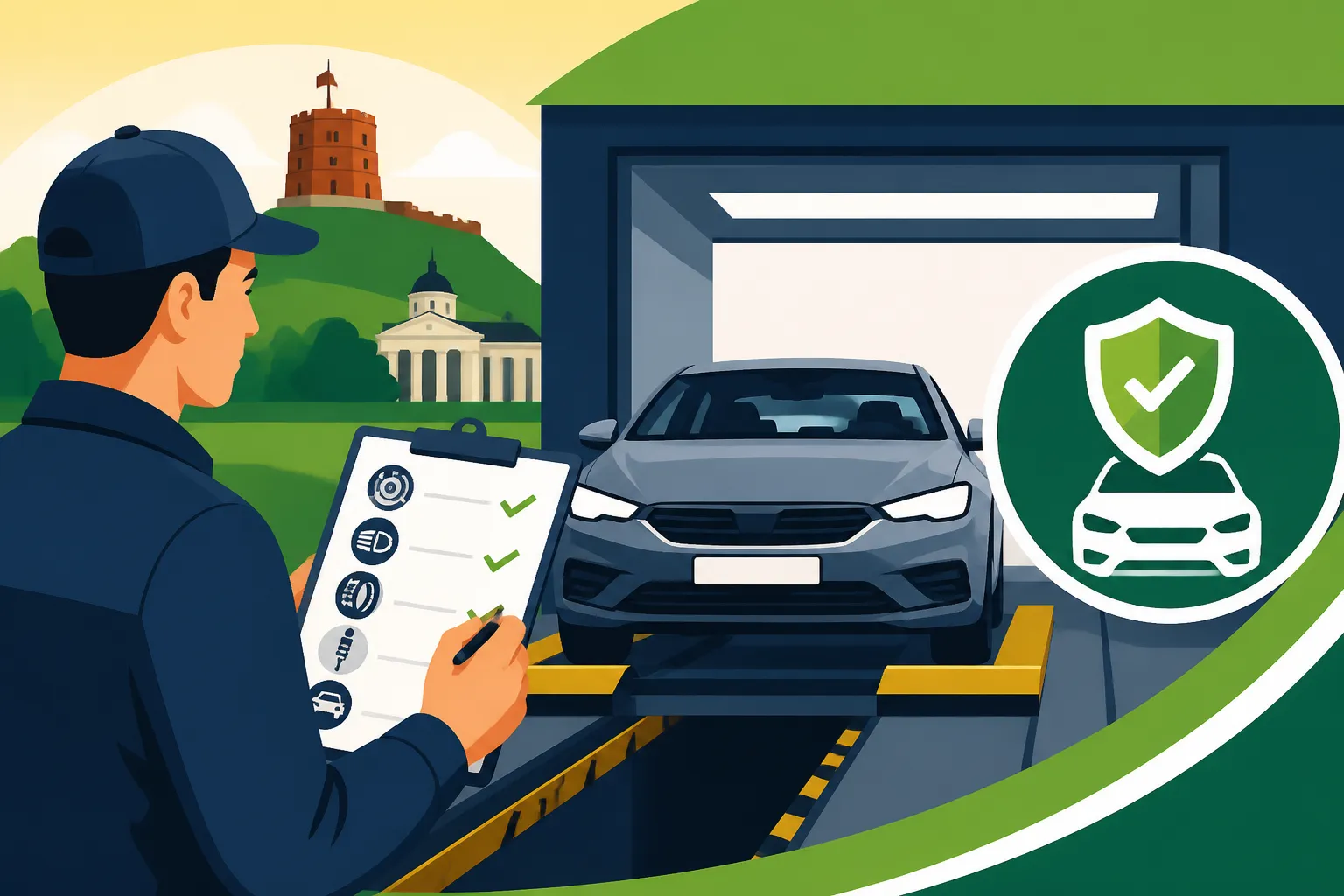
- Visual Inspection: The inspector will walk around your car, checking for obvious damage, rust, and the condition of the bodywork, windows, and mirrors. They'll also check your lights and other exterior components.
- Under the Hood: They’ll check fluid levels, battery condition, and look for any leaks or tampering. The engine serial number will also be verified against your registration documents.
- Interior Checks: This includes seatbelts, horn, dashboard warning lights, and the operation of wipers and washers.
- Brake Test: Your vehicle will be driven onto rollers to test the braking efficiency and balance of both the service brakes and the parking brake.
- Suspension and Steering: The car will be lifted on a ramp or pit, and a thorough inspection of the undercarriage will be performed. This includes checking steering components, suspension joints, shock absorbers, exhaust system, and fuel lines.
- Tire Inspection: Tread depth, condition, and pressure will be checked for all tires.
- Emissions Test: For petrol vehicles, this involves measuring exhaust gases. For diesel vehicles, a smoke opacity test is performed.
- Diagnostic Check: Modern cars may also have their onboard diagnostic (OBD) system checked for fault codes.
The inspectors are professional and methodical. They use specialized equipment to ensure accuracy and objectivity in their assessments.
Understanding the Results: Pass, Fail, Minor Defects
Once the inspection is complete, you’ll receive a report detailing the findings. The possible outcomes are:
- Pass (Be defektų): Congratulations! Your vehicle has passed without any issues. You'll receive a new TA certificate and a sticker for your windshield showing the new expiry date. You're good to go for the next two years (or one, depending on your vehicle type).
- Minor Defects (Mažareikšmiai trūkumai): Your vehicle has passed, but some minor issues were noted that don't immediately affect roadworthiness but should be addressed. These might include a slightly misaligned headlight or a worn wiper blade that still functions. You'll get your certificate, but it’s expected you’ll fix these issues. They will not require a re-inspection, but if not addressed, they could become major defects by your next TA.
- Fail (Dideli trūkumai / Pavojingi trūkumai): Unfortunately, your vehicle has failed. This means significant defects were found that render your car unsafe or non-compliant with environmental standards.
- Dideli trūkumai (Major defects): These are serious faults (e.g., uneven braking, worn suspension components) that must be repaired. You will not get a TA certificate. You have a limited time (usually 10-15 days, check your report) to fix these issues and bring your vehicle back for a re-inspection. During this period, you are generally allowed to drive your vehicle only to the repair shop and back home.
- Pavojingi trūkumai (Dangerous defects): These are critical faults (e.g., severe brake failure, structural rust) that make your vehicle immediately unsafe to drive. You will not get a TA certificate, and your vehicle is strictly not allowed to be driven on public roads until the dangerous defects are rectified and it passes a re-inspection. You'll typically need to arrange for it to be towed to a garage.
The report will clearly list all identified defects, making it easy for you or your mechanic to understand what needs to be done. It's a transparent system designed to keep everyone safe.
What Happens If Your Vehicle Fails or Has Defects
Failing a Techninė Apžiūra can be frustrating, but it’s not the end of the world. It’s part of the system designed to ensure road safety. The key is to understand the next steps and act quickly to avoid further complications.
Rectifying Issues and Re-Inspection
If your vehicle fails due to "Dideli trūkumai" (major defects), you'll need to get those issues fixed promptly. The inspection report will list everything that needs attention. You can take your car to any garage for repairs. While the repairs are being carried out, you are generally only permitted to drive your car from the inspection center to your home and then to the repair shop. You should carry the failed inspection report with you as proof of what you're doing.
Once the repairs are complete, you must return to any Techninė Apžiūra center (it doesn't have to be the same one where you failed, although sometimes it's easier to return to the original if it's convenient) for a re-inspection.
- Partial Re-inspection: If you return within the specified timeframe (e.g., 10-15 days), they will usually only re-check the specific items that caused the failure, rather than conducting a full inspection again. This is good news as it's quicker and often cheaper than a full re-test.
- Full Re-inspection: If you exceed the allocated timeframe for re-inspection, you will likely have to undergo a full Techninė Apžiūra again, paying the full fee. So, timeliness is key.
Make sure your mechanic provides you with receipts or documentation of the repairs, as sometimes inspectors might ask for proof of work done. The main goal here is to get your vehicle to a roadworthy state.
Consequences of Driving Without a Valid Inspection
Expats often encounter the headaches that come from neglecting administrative tasks. Driving a vehicle without a valid Techninė Apžiūra is one of those things you absolutely should not do in Lithuania. The consequences are pretty clear and enforced:
- Fines: The most immediate consequence is a fine from the police. These fines can range from €30 to €45 for individuals for a first offense, and significantly higher for repeat offenders or if the vehicle has dangerous defects.
- Removal of License Plates: In more serious cases, especially if your vehicle has dangerous defects or you’re a repeat offender, the police have the authority to remove your vehicle's license plates. This effectively immobilizes your car, as driving without plates is a much more severe offense.
- Insurance Invalidity: Perhaps the most financially devastating consequence is the potential invalidation of your car insurance. If you're involved in an accident and your TA was expired, your insurance company might refuse to cover the damages, leaving you personally liable for repair costs, medical bills, and third-party claims, which can easily run into thousands of euros. For more on ensuring you're fully covered, read Health Insurance in Lithuania: Compulsory, Private and Travel Options Explained and for vehicles, it's just as vital.
- Difficulty Selling: A vehicle without a valid TA will be much harder, if not impossible, to sell, as the new owner won’t be able to register it in their name or drive it legally until it passes inspection.
It really isn’t worth the risk. Mark your TA expiry date on your calendar, set reminders, and get it done!
Appealing an Unfair Decision
While highly unlikely, if you genuinely believe your vehicle failed unfairly or that an inspector made an error, there is a process to appeal the decision. This is not a common occurrence, as the inspection centers are quite standardized and follow strict guidelines.
- Immediate Discussion: Your first step should be to respectfully discuss the matter with the inspector and, if necessary, the manager of the inspection center on-site. They might be able to clarify the issue or re-check a specific component if there was a misunderstanding.
- Formal Complaint: If you still believe the decision is unjust, you can lodge a formal complaint with the management of the Techninė Apžiūra company.
- Appeal to Regulatory Body: For more serious disputes, you might need to escalate your complaint to the relevant regulatory bodies that oversee vehicle inspections in Lithuania. This would typically involve official correspondence and providing evidence to support your claim.
It's important to note that successfully appealing a TA decision requires concrete evidence. Simply disagreeing with the outcome isn't usually enough. You would need to demonstrate that the inspection was carried out incorrectly or that the findings are objectively false. For most expats, it's usually simpler and quicker to address the noted defects and proceed with a re-inspection, but knowing that an appeal process exists can be reassuring.
Costs and Other Practicalities
Beyond the technical aspects, there are always the practical considerations: how much does it cost, where do I pay, and what about language barriers? These little details can often trip up expats more than the complex regulations themselves.
Fees for Techninė Apžiūra
The cost of a Techninė Apžiūra is standardized across all official inspection centers in Lithuania. This means you don't need to shop around for the best price; the fees are set by the government. The price varies slightly depending on the category of your vehicle.
Here’s a general idea of the approximate fees for 2024/2025:
| Vehicle Category | Type of Vehicle (Examples) | Approximate Fee (EUR) |
|---|---|---|
| M1 (Passenger Cars) | Sedans, Hatchbacks, SUVs | 16-18 |
| N1 (Light Commercial Vehicles) | Small Vans, Pick-up Trucks | 18-20 |
| L (Motorcycles) | Motorbikes, Scooters | 8-10 |
| O1, O2 (Trailers) | Light trailers, caravans | 10-12 |
| M2, M3 (Buses) | Passenger buses, minibuses | 25-30 |
| N2, N3 (Heavy Commercial Vehicles) | Large Trucks, Lorries | 25-30 |
Please note: These are approximate fees and can be subject to minor changes. Always check the official website of the Lithuanian Association of Vehicle Inspection Companies (Lietuvos techninės apžiūros įmonių asociacija "Transeksta") or your chosen inspection center for the most up-to-date pricing.
If your vehicle fails and requires a re-inspection within the designated timeframe, there is usually a reduced fee for the partial re-test, often around 5-8 EUR, depending on the number of failed items. If you miss the re-inspection window, you will have to pay the full fee for a complete new inspection. These costs are a minor part of the overall Understanding Vehicle Registration Tax and Costs in Lithuania for car owners.
Payment Methods
Payment for the Techninė Apžiūra is typically straightforward:
- Cash: Most, if not all, centers accept cash payments.
- Bank Card: Debit and credit cards (Visa, Mastercard) are widely accepted at inspection centers. This is often the most convenient option for many expats.
- Online Payment: Some centers allow you to pay online when you book your appointment, which can save time on the day.
You will receive a receipt for your payment. Keep this for your records, especially if you need to return for a re-inspection.
Language Barriers and Solutions
One of the biggest anxieties for expats navigating administrative tasks in a foreign country is the language barrier. While Lithuanian is the official language, many younger staff in service industries, particularly in bigger cities like Vilnius or Kaunas, will speak English. However, you shouldn't rely on it being universally available at every Techninė Apžiūra center, especially in more rural areas.
Here are a few strategies to overcome potential language hurdles:
- Bring a Lithuanian Speaker: The most effective solution is to bring a friend, colleague, or even a professional interpreter who can translate for you.
- Use Translation Apps: Google Translate or similar apps can be invaluable for basic communication. Make sure you have a working mobile data plan (services like Airalo can provide eSIMs for quick and affordable data access for these kinds of situations) so you can use these apps on the spot. You can type in your questions or even use the voice translation feature.
- Learn Key Phrases: Learning a few basic Lithuanian phrases related to car inspection ("Is my car ready?", "Did it pass?", "What are the defects?") can show good faith and help smooth interactions.
- Choose a Center Known for English: In larger cities, some centers might be more accustomed to serving international clients and have English-speaking staff. Asking expat groups for recommendations can help.
Don’t let the thought of a language barrier deter you from getting your TA done. With a little preparation, you can navigate the process successfully. Remember, everyone working at these centers is there to help ensure your vehicle is safe, and they generally appreciate efforts to communicate effectively.
Disclaimer
Please note that while this guide provides comprehensive information based on current regulations and common expat experiences in Lithuania, laws and procedures can change. It is always recommended to verify the latest requirements with official sources such as the Lithuanian Migration Department (MIGRIS), Regitra, or the specific Techninė Apžiūra center before taking any action. This information is for general guidance only and does not constitute legal or professional advice.