How to Buy a Used Car in Lithuania as a Foreigner
Trying to buy a used car in a foreign country like Lithuania can feel like navigating a maze blindfolded. From deciphering local jargon and understanding the complex registration processes at Regitra to simply knowing where to even begin your search, it's enough to make anyone want to give up and just stick to public transport. This comprehensive guide will cut through the confusion, offering a veteran expat's perspective on how to confidently purchase a pre-owned vehicle here, ensuring you hit the road safely and legally.
Understanding the Lithuanian Used Car Market for Foreigners
When you first arrive in Lithuania, especially if you're coming from a country with vastly different administrative procedures, the idea of buying a used car can seem daunting. It’s not just about finding a good deal; it’s about understanding the specific rules, cultural nuances, and bureaucratic steps that apply to foreigners. Trust me, I’ve been there – staring blankly at forms, trying to translate terms like "valstybinis numeris" (license plate number) or "techninė apžiūra" (technical inspection), and feeling completely overwhelmed. But don't fret, it’s entirely doable, and many expats successfully buy cars here.
Initial Hurdles and Expat Realities
One of the biggest initial hurdles for foreigners is simply the language barrier. While many Lithuanians, especially younger generations and those in larger cities like Vilnius or Kaunas, speak English, crucial interactions at places like Regitra (the national vehicle registration authority) or smaller, independent garages might still require some Lithuanian. Don't underestimate the benefit of bringing a Lithuanian-speaking friend along, especially for complex negotiations or paperwork. This isn't just about translation; it's about navigating subtle social cues and ensuring you're not taken advantage of. Another reality is establishing your legal presence. You’ll need your personal code, or How to Get Your Asmens Kodas Personal Code and Why It Matters for Healthcare, to do almost anything official, including registering a car. Without it, you’re basically a ghost in the system, and any transaction involving significant assets will hit a wall. So, make sure that’s sorted well in advance of your car hunt.
Beyond the administrative, there's also the climate to consider. Lithuanian winters are no joke, and cars here are often exposed to harsh conditions, including road salt. This means you need to pay extra attention to rust, especially underneath the vehicle. Tires are another major consideration – having a separate set of winter tires (or all-season tires if you prefer) is not just advisable; it's practically mandatory for safety and legal compliance during the colder months. Don't be surprised if used cars come with both sets, but always confirm.
Where to Look for Used Cars Online and Offline
The Lithuanian used car market is quite vibrant, with several avenues for finding your next set of wheels. It’s a mix of online convenience and traditional brick-and-mortar experiences. Each has its pros and cons, and your best bet is often to combine a few approaches.
Online Platforms: The dominant player here is without a doubt Autoplius.lt. It's the largest online marketplace for used cars in Lithuania, and you'll find everything from budget-friendly commuters to luxury vehicles. The interface is generally user-friendly, with filters for make, model, year, price, fuel type, and location. While many private sellers and dealerships post here, prepare for descriptions mostly in Lithuanian. You can use browser translation tools, but some nuances might get lost. Keep an eye out for ads that mention "defects" or "needs repair" – sometimes they're openly declared, other times you'll need a keen eye and a good translator. Beyond Autoplius, you might also find listings on general classifieds sites like Skelbiu.lt, though the car selection is typically smaller. And don't forget Facebook Marketplace! It's increasingly popular for private sales, offering a more direct connection with sellers, though it also means more variance in car condition and seller reliability.
Dealerships and Car Lots: For a more structured buying experience, especially if you're not confident dealing with private sellers, official dealerships for brands like Volkswagen, Toyota, or Škoda often have "used car" or "trade-in" sections. These vehicles typically come with a warranty, have undergone thorough checks, and often come with clear service histories. While usually more expensive, the peace of mind can be worth the extra cost. There are also numerous independent used car lots, particularly on the outskirts of major cities. These can offer good deals, but exercise caution. Due diligence is paramount here; always get an independent inspection and don't rush into a purchase. They often import cars from Western Europe, so sometimes the paperwork might be less straightforward, requiring extra vigilance to ensure everything is in order.
Word-of-Mouth and Expat Groups: Never underestimate the power of your expat network! Join local expat Facebook groups or forums. People often sell their cars when they're leaving the country, and these can be fantastic opportunities to find a well-maintained vehicle from someone who understands expat needs. You might even find an English-speaking seller who can guide you through some of the initial paperwork. Plus, you get direct feedback and sometimes even a personal connection, which builds trust.
Key Documents You'll Need as a Foreigner
Navigating the paperwork for car ownership in Lithuania requires a bit of foresight. Getting these documents in order before you start serious car shopping will save you a lot of headaches down the line.
Your Identity and Residency Documents:
First and foremost, you'll need a valid passport or ID card. If you're an EU/EEA citizen, your national ID card is usually sufficient. For non-EU citizens, your passport is a must, along with your Lithuanian Temporary Residence Permit (TRP) or Permanent Residence Permit. This proves your legal right to reside in the country, which is a prerequisite for registering a vehicle in your name. Remember that your residence permit also dictates how long you can legally own a vehicle registered in Lithuania, as it usually needs to be valid for longer than your proposed ownership period or at least for the duration of your car's registration. Also, your Declaring Your Place of Residence in Lithuania: The Complete Guide is vital; you need a registered address for all official correspondence and registration purposes.
Your Asmens Kodas (Personal Code):
I can't stress this enough – your Asmens Kodas is your golden ticket for pretty much every administrative task in Lithuania, including buying and registering a car. It's how you're identified in the system for taxes, insurance, and indeed, vehicle ownership. If you don't have one, make it your priority to get it before seriously looking for a car. Without it, you simply cannot register a vehicle in your name. You can often apply for it as part of your residence permit application or separately through the Migration Department (MIGRIS).
Financial Proof (for loans or higher value cars):
While not always required for a simple cash purchase, if you plan to finance a car through a loan, banks will naturally require proof of income, bank statements, and potentially a credit history (though establishing this as a new expat can be tricky). Having your financial documents ready, perhaps from your Lithuanian bank account – you'll want to know How to Open a Bank Account at a Lithuanian Bank as a Foreigner – will smooth out the process considerably.
Here’s a quick overview of essential documents:
| Document Type | Purpose | Required for Foreigners? | Notes |
|---|---|---|---|
| Passport/ID Card | Proof of identity | Yes | Must be valid. Non-EU citizens need passport. |
| Residence Permit (TRP/PRP) | Proof of legal residency in Lithuania | Yes (non-EU) | Must be valid for duration of car ownership. |
| Asmens Kodas | Your personal identification code for all official transactions | Yes | Absolutely essential for registration. |
| Proof of Address | Utility bill, rental agreement, or residence declaration | Yes | Needed for registration and insurance. |
| Driver's License | For test drives and insurance application | Yes | Valid foreign license or How to Exchange Your Foreign Driving Licence in Lithuania. |
| Payment Method | Bank transfer, cash, loan agreement | Yes | Ensure funds are accessible. |
| Car Sales Agreement | Legal document detailing the sale (pirkimo-pardavimo sutartis) | Yes | Get it in writing, preferably bilingual. |
| Vehicle Registration Certificate | Former owner's certificate (small and large parts) | Yes | Essential for transfer of ownership at Regitra. |
| Technical Inspection Certificate | Proof of recent "Techninė Apžiūra" | Yes | Ensure it's valid and not expired. |
| Mandatory Third-Party Liability Insurance (TPL) | Legal requirement for all vehicles | Yes | Must be purchased before registration. |
Navigating the Purchase Process: Step-by-Step
Alright, you've got your documents, you know where to look, now let's talk about the nitty-gritty of actually finding and buying the car. This stage is where vigilance and a bit of skepticism will serve you well. Don't rush into anything, even if the deal seems too good to be true – because it probably is.
Choosing Your Ride: What to Consider
Deciding which car to buy goes beyond just aesthetics. As an expat in Lithuania, there are several practical considerations that should heavily influence your choice.
Climate Compatibility: As mentioned earlier, Lithuania has distinct seasons. A car with good ground clearance will be a blessing in winter snow or on less-maintained country roads. Reliable heating is non-negotiable. Look for cars that are known for their durability in colder climates. Winter tires are a must, and if the car doesn't come with a separate set, factor in the cost of buying them. Also, a car that's easy to start in sub-zero temperatures is a huge plus.
Fuel Type and Consumption: Petrol (benzinas) and diesel (dyzelinas) are the most common. Diesel cars are generally more fuel-efficient, especially for longer distances, but can sometimes be more expensive to maintain. Electric (elektromobilis) and hybrid (hibridinis) options are growing, particularly in cities like Vilnius with charging infrastructure, but still represent a smaller, often pricier, segment of the used market. Consider your daily commute and typical travel distances to estimate fuel costs, which are a significant part of The Complete Guide to Cost of Living in Lithuania for Expats.
Availability of Parts and Servicing: Opting for popular brands like Volkswagen, Audi, Škoda, BMW, Mercedes-Benz, Volvo, or Japanese brands like Toyota and Honda usually means parts are readily available and mechanics are familiar with them. If you buy a niche or luxury brand, you might find yourself waiting longer for parts or paying premium prices for specialized servicing. Researching local mechanics and their expertise with your chosen make is a smart move.
Resale Value: While you're buying, think about selling down the line. Popular models with good reliability records tend to hold their value better. While it might not be your primary concern now, a car that's easier to sell when your expat adventure in Lithuania concludes will be one less thing to worry about.
Inspecting the Vehicle and Test Drive Tips
Never, ever buy a car without seeing it in person, thoroughly inspecting it, and taking it for a proper test drive. This is where you put your detective hat on.
Initial Visual Inspection:
When you meet the seller, take your time. Look at the car in daylight. Walk around it, checking for consistent paintwork – mismatched panels or paint variations could indicate previous accidents and repairs. Open and close all doors, the boot, and the bonnet. Check for gaps or misalignments. Look at the tires: are they evenly worn? Uneven wear can suggest alignment issues. Peek underneath for excessive rust or fluid leaks. Inside, check the upholstery for tears, the dashboard for warning lights, and all electronics (lights, indicators, radio, windows, air conditioning) to ensure they work. Don't forget to check the mileage reading against the official documents if possible – tampering is a concern everywhere.
The Test Drive:
This is your chance to feel the car. Start the engine from cold – listen for any strange noises, rough idling, or excessive smoke from the exhaust.
- Engine and Transmission: How does it accelerate? Are gear changes (manual or automatic) smooth or jerky?
- Brakes: Do the brakes feel firm, or do they feel spongy? Does the car pull to one side when braking? Listen for any squealing or grinding noises.
- Steering: Does the steering feel loose, or does the car pull to one side while driving straight?
- Suspension: Drive over some bumps (safely, of course). Does the car bounce excessively? Listen for clunks or rattles.
- Visibility: Check mirrors, wipers, and defrosters.
Take it on a variety of roads – city streets, open roads, perhaps even a short stretch of highway if possible. Remember to have your valid driver's license with you for the test drive. Your current foreign license should be fine, but if you've been here for a while, consider getting your How to Exchange Your Foreign Driving Licence in Lithuania. If you're a recent arrival, make sure you have a reliable mobile data connection (an eSIM from Airalo can be incredibly handy for this, ensuring you have maps and translation apps at your fingertips even without a local SIM yet) to navigate unfamiliar areas and quickly search for information if needed.
The Importance of a Pre-Purchase Inspection
Even if you fancy yourself a bit of a car enthusiast, a pre-purchase inspection (PPI) by an independent, qualified mechanic is arguably the most crucial step in buying a used car. This is not optional; it’s an investment that can save you thousands of euros and endless headaches down the road.
Why a PPI is Essential: A professional mechanic has the tools, knowledge, and experience to spot issues that you or even a savvy car owner might miss. They can identify problems with the engine, transmission, suspension, brakes, electronics, and check for signs of accident damage that might have been poorly repaired. They can also connect to the car's diagnostic computer to read error codes, which can reveal underlying electronic or mechanical faults not immediately visible. This is especially important for modern cars which are packed with complex systems.
How to Arrange a PPI:
- Find a Reputable Mechanic: Ask other expats for recommendations in local groups or forums, or search for well-reviewed garages in your area (e.g., "automobilių servisas Vilnius" for Vilnius car service). Look for one that specifically offers pre-purchase inspections.
- Get Seller's Consent: Inform the seller that you want an independent inspection. A trustworthy seller shouldn't object. If they do, consider it a major red flag and walk away.
- Take the Car to the Mechanic: Ideally, you would take the car to your chosen mechanic. If the seller insists on their own mechanic or a specific garage, be wary.
- Review the Report: The mechanic should provide a detailed report of their findings, highlighting any issues, recommended repairs, and an estimate of costs. This report gives you leverage to negotiate the price or, if the problems are too severe, to gracefully decline the purchase.
The Legal Side: Registration, Insurance, and Ownership Transfer
So you've found your dream car and gotten the all-clear from the mechanic. Now comes the official part – making it legally yours and getting it on the road. This involves dealing with Regitra and securing proper insurance, which can feel like jumping through hoops, but it’s absolutely essential.
Transferring Ownership with Regitra
Regitra is the Lithuanian Road Transport Authority, responsible for vehicle registration, driver's licenses, and technical inspections. This is where the magic (and sometimes the bureaucracy) happens for transferring car ownership.
The Process:
- Sales Agreement (Pirkimo-pardavimo sutartis): Before heading to Regitra, you and the seller must sign a sales agreement. This document should clearly state the details of both parties (names, Asmens Kodas, addresses), the vehicle's details (make, model, VIN, license plate), the agreed-upon price, and the date of sale. It's a good idea to have this in both Lithuanian and English, or at least understand the Lithuanian version completely. If you're using a translated template, ensure it's legally sound.
- Required Documents at Regitra: You'll need your passport/ID, residence permit (if applicable), Asmens Kodas, the signed sales agreement, the vehicle's existing registration certificate (both small and large parts), and proof of valid mandatory third-party liability insurance (more on this below).
- Online or In-Person: You can initiate the ownership transfer online via the Regitra e-service portal, but typically for foreigners, an in-person visit is recommended, especially for your first time. This way, any questions can be clarified directly. If you choose the online route, you'll still need to visit a Regitra office later to collect your new registration certificate and possibly new license plates if the previous owner is keeping theirs (though usually, the plates stay with the car).
- Fees: Expect to pay a fee for the change of ownership and potentially for new license plates if you opt for them or if they need to be replaced. These fees are usually relatively minor compared to the car's price.
- New Registration Certificate: Once everything is processed, Regitra will issue a new vehicle registration certificate with your name as the owner. Congratulations, the car is officially yours! Keep this document safe, as you'll need it for future sales or inspections.
It's crucial to complete this transfer swiftly. Under Lithuanian law, the new owner must register the vehicle in their name within 10 days of purchase. Failure to do so can result in fines. Make sure your declared Declaring Your Place of Residence in Lithuania: The Complete Guide is up-to-date, as this will be linked to your vehicle registration.
Mandatory Insurance TPL and Other Options
Driving in Lithuania requires insurance, just like everywhere else. The minimum legal requirement is compulsory third-party liability insurance, known as Privalomasis civilinės atsakomybės draudimas (PZPD) or often simply TPL.
Compulsory Third-Party Liability (TPL):
This insurance covers damages you might cause to other vehicles, property, or individuals in an accident. It does not cover damage to your own vehicle. You must have valid TPL insurance before you can register the car in your name at Regitra and before you can legally drive it.
- Where to Buy: You can purchase TPL from various insurance providers in Lithuania, such as Gjensidige, ERGO, If P&C Insurance, Lietuvos Draudimas, or BTA. Many offer online quotes and purchases, but for expats, visiting an office can be helpful to discuss options in English.
- Cost: The cost varies based on the vehicle's age, engine size, your driving history, and your age. Expect to pay anywhere from €50-€200 per year, though this can vary.
- Duration: TPL policies can be bought for 3, 6, 9, or 12 months. Opting for a 12-month policy often provides a better rate.
Additional Insurance Options (Casco):
If you want more comprehensive coverage for your own vehicle, you'll need to look into Casco insurance. This is similar to comprehensive insurance in other countries and covers damages to your car, even if you are at fault, or damages from theft, vandalism, fire, natural disasters, etc.
- Is it worth it? For newer or more expensive used cars, Casco is highly recommended. For older, cheaper cars, you might weigh the cost of the premium against the car's value.
- Factors affecting cost: The car's value, make, model, age, and your driving history will all influence the Casco premium, which can be significantly higher than TPL.
Don't forget to ask about any specific expat-friendly insurance packages. Some providers may be more experienced in dealing with foreign driving histories or residence situations. It's always wise to get several quotes before committing.
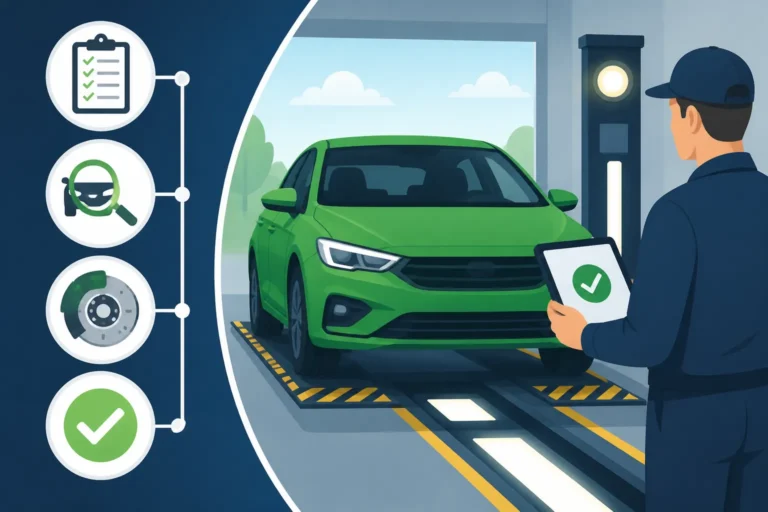
Understanding Vehicle Roadworthiness Test Techninė Apžiūra
In Lithuania, all vehicles must undergo a periodic technical inspection, known as Techninė Apžiūra (TA), to ensure they meet safety and environmental standards. This is a crucial aspect of owning a car here, and you'll encounter it when buying a used vehicle.
What is it? It's a mandatory check of various components of your car, including brakes, steering, suspension, lights, tires, emissions, and overall structural integrity. The goal is to ensure the vehicle is safe to drive and not excessively polluting.
- Frequency: New passenger cars typically need their first TA after 3 years, and then every 2 years thereafter. Used cars usually follow the 2-year cycle, but always check the validity period on the current certificate.
- Buying a Used Car: When buying a used car, make sure it has a valid TA certificate. If the TA is expired or close to expiring, factor this into your negotiations. You definitely don't want to buy a car that fails its inspection shortly after purchase, leaving you with unexpected repair costs. The seller should provide the current TA certificate as part of the vehicle's documents.
- Where to get it: There are designated technical inspection centers (techninės apžiūros centrai) across Lithuania. You can find a list of them on the Regitra website. It's usually a straightforward process: you drive your car in, they inspect it, and if it passes, you get a new certificate. If it fails, you'll receive a list of defects that need to be rectified before you can re-test.
This is such an important part of car ownership that we have a dedicated guide on Understanding the Vehicle Roadworthiness Test Techninė Apžiūra in Lithuania. Make sure you familiarize yourself with its ins and outs before diving deep into the car market. It’s also important to remember that for your day-to-day driving, having a valid Driving in Lithuania: Licences, Registration and Rules for Expats is equally important.
Financing and Payment Considerations
Once you’ve settled on a car and navigated the inspection, the next step is payment. How you pay can depend on the car’s price, your financial situation, and whether you want to involve a bank.
Payment Methods for Used Cars
Most used car purchases in Lithuania are made either with cash or via bank transfer. Each has its advantages and disadvantages.
Cash Payment:
For lower-value used cars, cash is a very common method. It's straightforward, instant, and avoids bank transfer fees. However, carrying large sums of cash around is risky and generally not advisable. If you do pay with cash, ensure you get a meticulously detailed receipt that is signed by the seller and yourself, stating the amount, vehicle details, and date. This serves as undeniable proof of payment. For higher amounts, cash might also raise questions from tax authorities if not properly documented.
Bank Transfer:
This is generally the safest and most recommended method, especially for higher-value vehicles. You'll need a Lithuanian bank account – remember to explore options from banks like Swedbank, SEB, Luminor, or even challenger banks if you need to transfer money internationally from your home country. Initiate the transfer from your account to the seller's account. Always double-check the recipient's details (name, IBAN) to avoid errors. Ensure the transfer description clearly states it's for the purchase of a specific vehicle (mentioning make, model, and VIN if possible). This creates an electronic record of the transaction, which is excellent for transparency and any future disputes. The downside is that bank transfers aren't always instantaneous, especially if they involve different banks or occur on weekends. Be prepared for a slight delay.
Other Methods (Less Common):
While less common for private used car sales, some dealerships might accept card payments. Mobile payment apps are not typically used for significant transactions like car purchases. Never pay purely with cryptocurrency or other unregulated methods, as this leaves you vulnerable if things go wrong.
Financing Options for Expats
For many expats, especially those buying a newer or more expensive used car, a loan might be necessary. Getting financing in a new country can be tricky, but it’s not impossible.
Bank Loans:
Traditional Lithuanian banks like Swedbank, SEB, and Luminor offer car loans (paskola automobiliui). However, as an expat, securing one can be challenging, especially if you're a new resident without a long credit history in Lithuania. Banks will typically look at your income stability, employment contract (preferably permanent), and your residency status. You’ll usually need to have your salary paid into a Lithuanian bank account for a few months.
- Requirements: Expect to provide your passport/ID, residence permit, Asmens Kodas, proof of income (employment contract, salary slips), and potentially bank statements. Some banks might require a higher down payment or offer less favorable interest rates if your financial history in Lithuania is limited.
Leasing (Lizingas):
Leasing options are also available, either through banks or specialized leasing companies. This is essentially a long-term rental agreement with an option to buy the car at the end of the term. For expats, it can sometimes be an easier route than a traditional loan, as companies might be more flexible. However, terms and conditions can vary widely, so read the fine print carefully, especially regarding mileage limits, wear and tear, and the final purchase option.
Credit Unions and Non-Bank Lenders:
There are also various credit unions (kredito unijos) and non-bank lenders (e.g., General Financing, Bigbank) that offer car loans. Their criteria might be more flexible than traditional banks, but their interest rates can sometimes be significantly higher. Always compare annual percentage rates (APR) and read all terms and conditions before committing.
Tips for Expats Seeking Financing:
- Build a Credit History: If you plan to buy a car with a loan, start building your financial footprint in Lithuania as soon as possible. Get a local bank account, ensure regular income is paid into it, and manage any small credit responsibly.
- Strong Employment: A stable job with a reputable Lithuanian company will significantly improve your chances.
- Documentation: Have all your financial documents meticulously organized. The clearer your financial picture, the better.
- Don't Rush: Explore all options and don't feel pressured into signing a loan agreement with unfavorable terms. It's perfectly okay to take your time and compare offers.
Remember that any form of financing will add to the overall cost of the car, so factor this into your budget planning, considering your overall The Complete Guide to Cost of Living in Lithuania for Expats.
Post-Purchase Essentials and Ongoing Ownership
You've bought the car, it's registered in your name, and you're insured. Wonderful! But the journey doesn't end there. Owning a car in Lithuania means understanding the ongoing responsibilities, from driving rules to maintenance.
Driving in Lithuania: Licences, Registration and Rules for Expats
Now that you're a car owner, you'll be spending a lot more time on Lithuania's roads. It's vital to be familiar with local driving laws and regulations.
Driver's License Requirements:
- EU/EEA Citizens: Your national driver's license is generally valid in Lithuania as long as it's unexpired. You don't necessarily need to exchange it, but many opt to do so for convenience after residing here for a while, particularly if their home country license is due for renewal.
- Non-EU/EEA Citizens: You can typically use your foreign driver's license for a certain period, usually up to 6 months after obtaining your residence permit. After this period, you will need to exchange it for a Lithuanian license or, if an exchange agreement isn't in place with your home country, you might need to take Lithuanian driving tests. An International Driving Permit (IDP) is often recommended alongside your national license during your initial stay. For a deep dive, check out our guide on Driving in Lithuania: Licences, Registration and Rules for Expats.
Road Rules and Regulations:
Lithuania drives on the right. Speed limits are typically 50 km/h in urban areas, 90 km/h on rural roads, and 110-130 km/h on motorways, depending on the season and specific road. Always adhere to posted signs. Using a mobile phone while driving (without a hands-free system) is illegal. Seatbelts are mandatory for all occupants. Headlights must be on at all times, day or night, throughout the year.
Winter Driving: This deserves a special mention. From November 10th to April 1st, it is mandatory for all vehicles to use winter tires (or all-season tires marked M+S). Failure to do so will result in fines and can invalidate your insurance in case of an accident during this period. Be prepared for icy conditions and potential snow drifts. Always keep an ice scraper and brush in your car during winter months.
Maintenance and Servicing
Regular maintenance is key to prolonging your car's life and ensuring its safety and reliability, especially given Lithuania's climate.
Scheduled Servicing: Follow the manufacturer's recommended service schedule. This typically involves oil changes, filter replacements, fluid checks, and general inspections at regular mileage intervals or annually. You can choose official dealerships (more expensive but specialized) or independent garages (often more affordable). Ask for recommendations from other expats for trustworthy mechanics.
Common Issues and What to Look Out For:
- Rust: Due to road salt in winter, underbody rust can be a significant issue. Regular washing, especially underneath, can help mitigate this.
- Battery: Cold winters are tough on car batteries. If your car struggles to start in the mornings, it might be time for a replacement.
- Suspension Components: Potholes and varied road quality can put stress on suspension parts (shock absorbers, bushings). Listen for unusual noises over bumps.
- Tires: Beyond seasonal changes, regularly check tire pressure and tread depth. Good tires are vital for safety, particularly in wet or icy conditions.
Finding a Mechanic: Just like with your pre-purchase inspection, finding a reputable mechanic is paramount. Word-of-mouth is often the best approach. Look for garages that provide clear estimates, explain repairs in a language you understand (or have a translator available), and offer warranties on their work. Don't be afraid to get a second opinion for major repairs.
Long-Term Costs and Resale Value
Owning a car involves more than just the initial purchase price. As an expat, understanding the full spectrum of costs will help you budget effectively.
Recurring Costs:
- Fuel: This will likely be your biggest ongoing expense. Fuel prices fluctuate, so keep an eye on them.
- Insurance: Annual TPL, and potentially Casco, premiums.
- Maintenance: Routine servicing, unexpected repairs, and seasonal tire changes.
- Roadworthiness Test (TA): Every two years, assuming your car passes.
- Parking: In cities like Vilnius and Kaunas, parking can be costly, especially in central areas. Explore resident parking permits if available in your residential zone.
- Vehicle Tax (not significant for private cars): Lithuania does not have an annual road tax as some other countries do for private passenger vehicles. There is, however, a small vehicle registration tax paid once upon initial registration based on CO2 emissions, but it's not a recurring annual cost. This is different from the Understanding Real Estate Tax NTM for Homeowners in Lithuania, for instance, which is an annual cost.
Resale Value:
When it comes time to leave Lithuania, or simply upgrade your car, you'll want to sell it. The resale value depends on several factors:
- Make and Model: Popular, reliable brands with good fuel efficiency often sell faster and retain more value.
- Age and Mileage: Generally, newer cars with lower mileage fetch higher prices.
- Condition: A well-maintained car with a full service history will be more attractive to buyers.
- Market Demand: Local market trends can influence prices.
- Documentation: Having all service records, TA certificates, and a clear ownership history will help immensely.
Selling a car as an expat can be as much of a process as buying one. Plan ahead, start advertising early, and be prepared for negotiations. Just as you did, potential buyers will want to see service records and probably take it for an inspection. It can be a good idea to factor this into your moving plans, especially if you're using international moving services like Sirelo for your other belongings. Selling a car at the last minute can sometimes mean accepting a lower price than you'd like.
The journey of buying and owning a car in Lithuania as a foreigner is a learning curve, no doubt about it. But with patience, diligence, and the right information, you'll be cruising down Lithuanian roads in no time, enjoying the freedom your own wheels provide.
Disclaimer
The information provided in this guide is for general informational purposes only and does not constitute legal, financial, or professional advice. While we strive to keep the information accurate and up-to-date, regulations and procedures in Lithuania can change. It is always recommended to consult with relevant official authorities (such as Regitra or the Migration Department) or professional advisors (e.g., lawyers, insurance agents, mechanics) for advice specific to your situation. We are not responsible for any actions taken based on the information presented herein.