What Is the Process for Registering a Car in Lithuania?
Moving to Lithuania and bringing your car, or perhaps buying one here, can feel like navigating a maze blindfolded. The administrative hurdles, especially when dealing with foreign documents and a new system, can be incredibly daunting. This guide is here to cut through the confusion and walk you through the entire process for registering a car in Lithuania, from gathering your initial documents to getting those new plates on your vehicle.
The Foundation: Pre-Registration Essentials and Documentation
Before you even think about setting foot in a Regitra office or booking an inspection, you absolutely must get your ducks in a row with paperwork. This is where most expats hit their first roadblock, so let's break it down meticulously. Trying to rush this part will only lead to frustration, wasted trips, and potential delays. Trust me, I've been there, staring blankly at a Regitra clerk who's just told me in rapid Lithuanian that I'm missing one crucial stamp.
Gathering Your Arsenal of Paperwork
The core of successful car registration lies in having every single document required, neatly organised and ready for presentation. While the exact list can vary slightly depending on whether you're bringing a car from another EU country or from outside the EU/EEA, these are the typical documents you'll need:
Firstly, you'll need proof of ownership. This usually means the original purchase agreement, sales invoice, or a gift deed. If you bought your car from a private seller, ensure the sales contract is clearly written, signed by both parties, and specifies the vehicle details and price. Don't forget the previous registration certificate from your home country. This is vital as it proves the car's origin and your prior ownership.
Secondly, your personal identification is a must. This will typically be your passport or your Lithuanian residence permit. You'll also need proof of address; while sometimes not explicitly asked for by Regitra, it's good practice to have it, perhaps a utility bill or your residence declaration certificate. For guidance on getting this, check out Declaring Your Place of Residence in Lithuania: The Complete Guide.
Perhaps one of the most headache-inducing documents, especially if your car isn't originally from the EU, is the Certificate of Conformity (CoC). This document proves that your vehicle meets EU safety and environmental standards. If your car is from an EU/EEA country and less than 10 years old, it usually came with one. If not, or if it’s from outside the EU, acquiring one can be a lengthy and costly process, sometimes requiring individual vehicle approval.
Finally, for cars imported from outside the EU/EEA, you'll also need customs declarations and proof that any import duties and VAT (PVM) have been paid. This is a critical step that often catches newcomers off guard. Always keep originals and make several copies of everything. A helpful tip from a seasoned expat: consider getting official Lithuanian translations for any non-English or non-Lithuanian documents in advance, especially for the purchase agreement or previous registration. While some clerks might be lenient, it's better to be safe than sorry.
Securing Your Asmens Kodas and Essential Connectivity
Before you even think about registering a vehicle, you need your Asmens Kodas, your Lithuanian personal code. This isn't just a nice-to-have; it's absolutely non-negotiable for almost any official transaction in Lithuania, and car registration is no exception. This unique 11-digit number acts as your primary identifier across all government and service systems.
Without an Asmens Kodas, the Regitra system simply won't know who you are, and you won't be able to process the registration. It's often one of the very first things you sort out after getting your residence permit. The process for obtaining it usually involves a visit to the Migration Department or registering your place of residence. If you're still in the dark about this crucial step, I highly recommend reading What Documents Do I Need to Get an Asmens Kodas in Lithuania?. Think of it as your golden key to unlocking public services here.
Once you have your Asmens Kodas, you'll be able to access various online government portals, including the Regitra system for booking appointments. And speaking of online access, a stable internet connection and a local phone number are absolutely essential. You'll need them to book appointments, receive SMS notifications about your application status, or even answer quick queries from Regitra staff. Having a reliable mobile connection, perhaps with an eSIM from a provider like Airalo, can be a lifesaver right from the moment you land, ensuring you're always connected and ready to navigate these administrative tasks without communication hiccups. Don't underestimate how vital seamless connectivity is when you're trying to figure out a new bureaucratic system!
Navigating Regitra: The Heart of Car Registration
With your documents in hand and your Asmens Kodas active, the next major step is to engage with Regitra, the Lithuanian Road Transport Authority. This is where your car officially gets its Lithuanian identity. It's a structured process, but knowing what to expect can ease a lot of the anxiety.
The Mandatory Technical Inspection Techninė Apžiūra
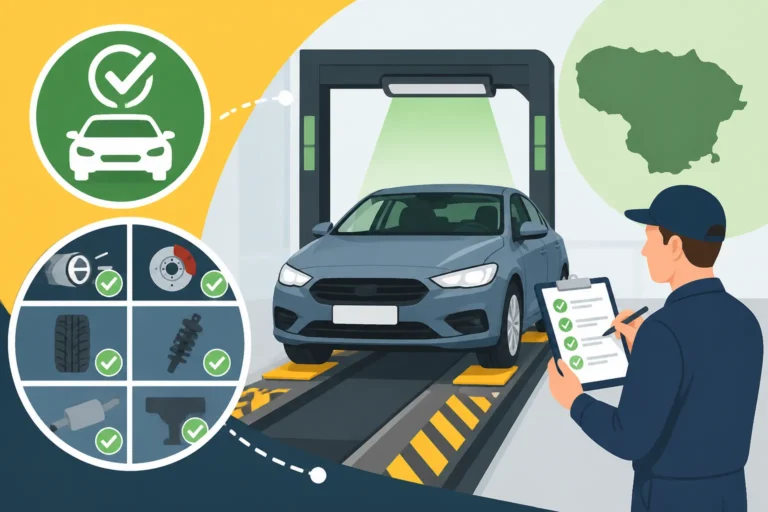
Before Regitra will even consider your paperwork, your car needs to prove it's roadworthy, Lithuanian-style. This is where the Techninė Apžiūra, or technical inspection, comes in. Unlike a simple emissions test you might be used to, this is a comprehensive examination of your vehicle's safety, environmental compliance, and overall condition.
You can't get this inspection done at any old garage. You need to visit an authorised Techninių apžiūrų centras (technical inspection centre). These centres are regulated and follow strict guidelines. You'll find them in most major towns and cities. The inspection covers everything from your brakes, lights, and steering to your suspension, tires, and exhaust system. They'll check for rust, fluid leaks, and ensure all your documents match the vehicle. Foreign vehicles often face particular scrutiny regarding headlights (European vs. North American specifications) and emissions, so be prepared.
It can feel like a gauntlet, especially if your car is older or from a different regulatory region. Many expats find it wise to have their vehicle checked by a local mechanic before the official inspection to catch any potential issues. If your car fails, you'll be given a list of defects that need to be fixed, and then you'll have to return for a re-inspection, usually within a certain timeframe. This process is covered in more detail in Understanding the Vehicle Roadworthiness Test (Techninė Apžiūra) in Lithuania. Once your car passes, you'll receive a sticker on your windshield and a certificate – hold onto this for dear life, as Regitra will need it!
Booking and Attending Your Regitra Appointment
With a gleaming new Techninė Apžiūra certificate in hand, it's time to face Regitra. The best way to do this is by booking an appointment through their official website. Their online system is relatively straightforward, but having a Lithuanian speaker help you if your language skills aren't up to par can save a lot of headaches. Walk-ins are generally discouraged and can lead to extremely long waiting times, making a pre-booked slot almost essential.
When you arrive for your appointment, make sure you have all your original documents, including your Asmens Kodas, the Techninė Apžiūra certificate, your car's previous registration papers, and proof of ownership. The Regitra clerk will meticulously go through your documents. They'll verify your identity, check the vehicle's details against the inspection report and your ownership papers, and ensure all fees are paid. The state fee for registering a car isn't exorbitant, but it's another cost to factor in.
Once everything is approved, they will assign you new Lithuanian number plates and issue you a new Lithuanian registration certificate (transporto priemonės registracijos liudijimas). This document is crucial and should be kept safely. And voilà, your car is officially registered in Lithuania! For more specific steps on the Regitra process, you can refer to How to Register a Vehicle with Regitra in Lithuania. Remember, patience is a virtue, and a friendly smile goes a long way, even if you’re both relying on Google Translate.
Beyond Registration: Special Cases and Ongoing Obligations
Getting your car registered is a huge milestone, but for some, there are additional complexities, and for all, there are ongoing responsibilities to consider.
Importing a Vehicle from Outside the EU/EEA: The Extra Hurdles
Bringing a vehicle from a non-EU/EEA country adds several layers of bureaucracy and cost. This is often the most complex scenario for expats. The first hurdle is customs clearance. When your car arrives at the Lithuanian border (or port of entry into the EU), it must go through customs. This involves paying import duties and, crucially, Value Added Tax (VAT), known as PVM in Lithuania. The VAT rate is currently 21%, and it's applied to the car's value plus any duties. This can be a significant sum. For a deeper dive into VAT, see The Complete Guide to VAT (PVM) in Lithuania for Businesses.
Beyond the financial aspect, there's the technical challenge. Vehicles from outside the EU/EEA, particularly those from North America or certain Asian markets, often do not meet European technical standards. This is where the Certificate of Conformity (CoC) becomes a major issue. If your car lacks a valid CoC, you might need to undergo an individual vehicle approval process. This is a highly technical and often expensive procedure, where the vehicle is assessed for compliance with EU directives. It can even involve modifications to the car, such as changing headlights, turn signals, or even parts of the exhaust system.
If you've shipped your car as part of a larger move, professional moving services like those found through Sirelo can greatly simplify the logistics and customs paperwork. They can provide vital support for expats navigating these complexities, offering expertise that can save you a lot of time and potential penalties. It's often worth the investment to have a professional guide your vehicle through the customs labyrinth.
Understanding Vehicle Insurance and Road Taxes
Once your car is registered with Lithuanian plates, your responsibilities don't end there. You must have valid vehicle insurance. In Lithuania, mandatory third-party liability insurance (TPVCAPD – Transporto priemonių valdytojų civilinės atsakomybės privalomasis draudimas) is compulsory. This covers damages you might cause to other vehicles or property in an accident, but it doesn't cover damage to your own vehicle. For comprehensive coverage, you'll need to look into KASKO insurance, which is optional but highly recommended, especially for newer or more valuable cars.
You can purchase TPVCAPD from various insurance providers operating in Lithuania, such as Gjensidige, ERGO, or BTA. It’s relatively easy to get quotes online or by visiting their offices. When comparing, don't just look at the price; consider what's covered and the company's reputation. Your insurance policy needs to be active from the moment your car is registered and throughout its use on Lithuanian roads. For a broader understanding of driving rules and requirements, check out Driving in Lithuania: Licences, Registration and Rules for Expats (2027).
Additionally, while Lithuania doesn't have a broad annual road tax for all vehicles like some countries, there are specific charges. Some municipalities may levy a local vehicle usage fee, and older or higher-emission vehicles might be subject to additional environmental taxes. It's essential to stay informed about these potential costs to avoid any surprises.
What if You're Buying a Used Car in Lithuania?
Buying a used car already within Lithuania simplifies the registration process considerably, but it's still handled through Regitra. The main difference is that you're undertaking a "transfer of ownership" rather than an initial registration.
When you purchase a used car from a private seller or a dealership, ensure you receive the car's existing Lithuanian registration certificate and a properly executed sales agreement. The seller will often de-register the car or initiate the transfer process, but it's ultimately your responsibility as the buyer to ensure the ownership is officially transferred into your name at Regitra within a specific timeframe (usually 10 days). You'll still need your Asmens Kodas, and the car must have a valid Techninė Apžiūra.
You and the seller can often go to Regitra together to make the transfer seamless, or the seller can initiate it online, providing you with a code to complete the process. Always make sure the vehicle has a clean title and no outstanding fines or liens before you commit to buying. Don't be shy about asking for service history or having an independent mechanic inspect the car. This topic is elaborated in How to Buy a Used Car in Lithuania as a Foreigner. It's a much smoother process than importing, but still requires attention to detail.
Here’s a quick summary table of key documents:
| Document Type | Purpose | Where to Obtain/Provide | Notes |
|---|---|---|---|
| Proof of Ownership | Establishes your legal right to the vehicle | Seller (Purchase Agreement, Invoice) | Original document required. |
| Previous Registration Cert. | Shows car's history and original registration | From previous country of registration | Submit original; typically returned after new one is issued. |
| Personal ID / Residence Permit | Confirms your identity and legal status | Your Passport / Lithuanian Residence Permit | Must be valid. |
| Asmens Kodas | Your unique Lithuanian personal identification number | Migration Department / Residence Registration | Essential for all official transactions. |
| Certificate of Conformity (CoC) | Proves vehicle meets EU safety/environmental standards | Vehicle manufacturer / Importer / Individual Approval | Crucial for non-EU imports; can be complex to obtain. |
| Customs Declaration & PVM Proof | Required for vehicles imported from outside EU/EEA | Customs Office | Shows import duties and VAT (PVM) have been paid. |
| Techninė Apžiūra Certificate | Proof of mandatory technical inspection | Authorised Techninių apžiūrų centras | Must be valid and passed. |
| Proof of Insurance | Valid mandatory third-party liability insurance (TPVCAPD) | Lithuanian Insurance Provider | Must be active. |
| Proof of Address | May be required for some local formalities | Utility Bill / Residence Declaration Certificate | Keep a copy. |
This journey of registering a car in Lithuania, like many aspects of expat life, demands patience, attention to detail, and a willingness to navigate unfamiliar systems. But with this guide, you're not walking blind. Good luck, and happy motoring!
Disclaimer
Please note that while I strive to provide accurate and up-to-date information based on my personal experience and available resources, laws and regulations in Lithuania can change. This guide is for informational purposes only and does not constitute legal or professional advice. It is always recommended to consult with official sources, such as Regitra and the Migration Department, or seek professional legal counsel for your specific situation.