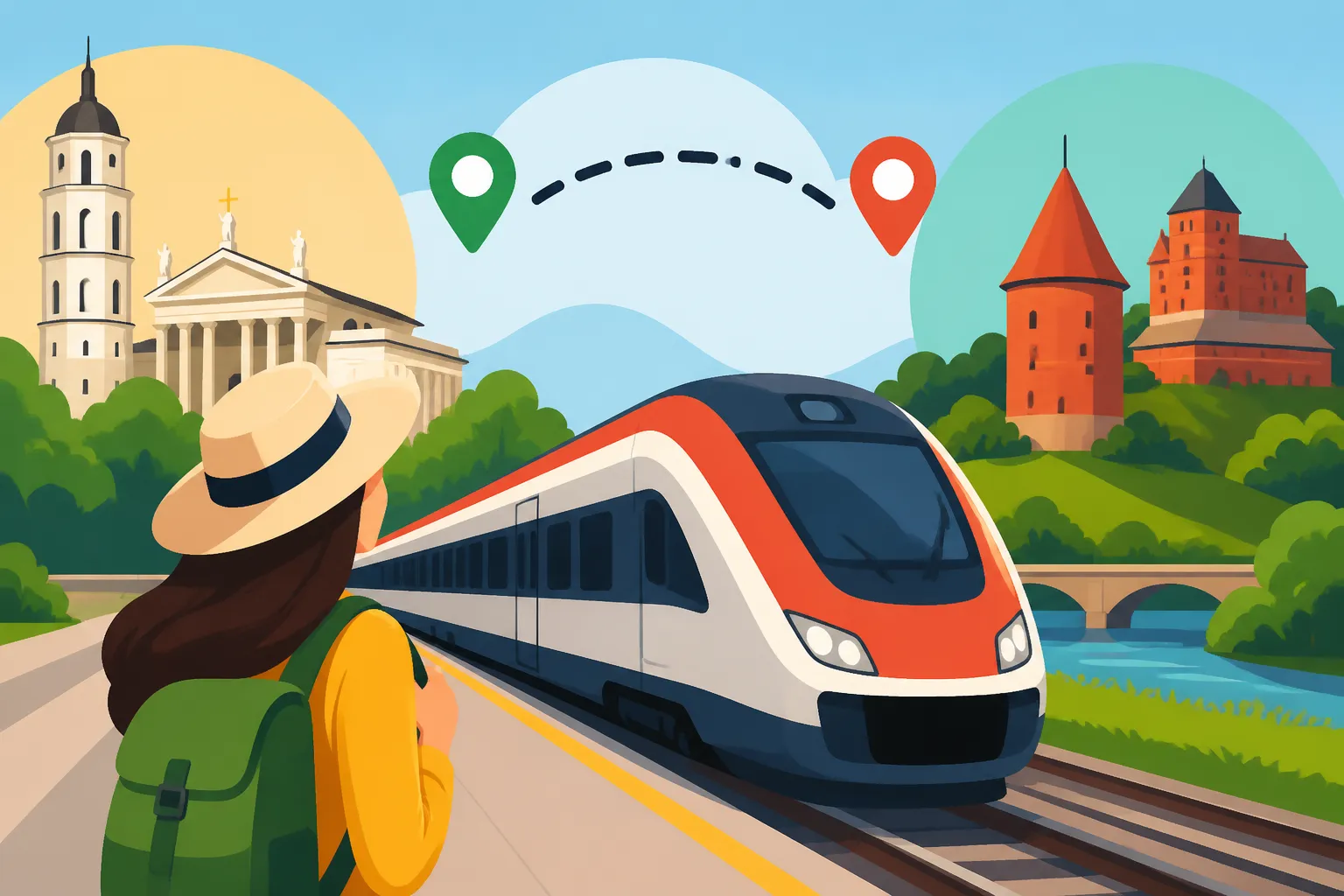
How Do I Travel by Train Between Vilnius and Kaunas?
Let's be honest, getting from one major city to another in a new country can feel like navigating a maze, especially when public transport schedules and ticketing systems aren't in your native tongue. Whether you're a new arrival trying to find your footing, or a seasoned expat exploring more of this beautiful nation, figuring out the best way to travel between Vilnius and Kaunas is a common hurdle. This guide is here to demystify the train journey, making it a smooth, stress-free part of your Lithuanian adventure.
Why Choose the Train for Your Vilnius to Kaunas Journey?
When you’re eyeing a trip between Lithuania's vibrant capital, Vilnius, and its historical second city, Kaunas, you've got options: bus, car, or train. While buses are popular and driving offers flexibility, the train offers a unique blend of comfort, efficiency, and a distinctly relaxed pace that many expats and tourists come to appreciate. It's not just about getting from A to B; it’s about enjoying the journey.
The Comfort and Convenience Factor
Imagine this: instead of being stuck in traffic on the A1 highway, gripping the steering wheel, or squished in a crowded bus, you're leaning back in a comfortable seat, watching the Lithuanian countryside roll by. That's the train experience. One of the biggest advantages of choosing the train, especially when you’re still getting used to things here, is the sheer comfort it offers. There’s ample legroom, the ability to get up and stretch your legs, and usually, a much calmer atmosphere than you'd find on a bus.
For those of us who juggle work or just want to catch up on some reading or streaming, train travel is a godsend. Most modern Lithuanian trains, particularly on popular routes like Vilnius-Kaunas, offer free Wi-Fi and power outlets at your seat. This means you can keep your devices charged, stay connected, or simply unwind without worrying about battery life. It’s a huge relief not to arrive at your destination with a dead phone or a crick in your neck. Plus, you completely bypass the stress of finding parking in a new city or dealing with the inevitable traffic bottlenecks that can plague the entry points to both Vilnius and Kaunas during peak hours.
Speed and Efficiency Compared to Other Options
Lithuania's train network, primarily operated by LTG Link, has invested significantly in modernizing its services. The Vilnius to Kaunas route is one of the most frequented, and as such, benefits from some of the fastest and most efficient connections available. The journey typically takes about 1 hour and 15 minutes, sometimes a little less depending on the specific service. This is often comparable, if not faster, than bus travel, especially when factoring in the time it takes for buses to navigate through city streets before hitting the open road.
When you compare it to driving, remember that while a car gives you door-to-door flexibility, the actual travel time can vary wildly. A smooth drive might clock in at an hour, but an accident, roadworks, or heavy traffic around either city can easily push that to 1.5-2 hours. If you're considering Driving in Lithuania: Licences, Registration and Rules for Expats (2027), remember to factor in fuel costs, potential tolls, and parking fees, which can add up quickly. The train, with its fixed schedule and direct route, offers a predictable and often quicker arrival time, allowing you to plan your day with greater certainty. It’s also incredibly convenient that both Vilnius and Kaunas train stations are relatively central and well-connected to local public transport networks, meaning less hassle upon arrival. This smooth transition is key, especially if you're fresh off a longer journey or have tight schedules.
Your Step-by-Step Guide to Booking Train Tickets
Booking your train ticket in Lithuania, especially for a popular route like Vilnius to Kaunas, has become wonderfully straightforward, thanks to online platforms. Gone are the days of needing perfect Lithuanian or waiting in long queues at the station, though those options are still available if you prefer.
Navigating the LTG Link Website and App
The primary way most locals and expats book train tickets these days is through the official LTG Link website or their mobile app. Trust me, it’s designed to be user-friendly, and thankfully, it’s available in English, which is a massive relief for non-Lithuanian speakers.
Here’s a quick rundown on how to use it:
- Head to the Website or Download the App: Open your browser to the LTG Link website (ltglink.lt) or download the "LTG Link" app from your app store. You'll usually see a language toggle, often a small flag icon or a "LT/EN" button, in the top corner. Switch it to English immediately to make your life easier.
- Select Your Journey: On the main page, you'll find a clear search bar. Input "Vilnius" as your departure station and "Kaunas" as your arrival station. The system is smart enough to auto-fill as you type, so you won't have to worry about exact spelling.
- Choose Your Dates and Times: Pick your desired travel date from the calendar. If you have flexibility, it’s always worth checking a few different times, as ticket prices can sometimes vary depending on demand and time of day. Morning and evening rush hours might be slightly pricier or have fewer available seats.
- Select Passenger Details and Seat Class: Indicate the number of passengers. For most Vilnius-Kaunas trains, you’ll primarily choose between "Economy" and potentially "First Class" or "Business Class" depending on the train model. Economy is perfectly comfortable for this short journey, but if you fancy a bit more space or a quieter carriage, Business might appeal.
- Review and Purchase: Once you've made your selections, you'll see a summary of your journey, including the total cost. Double-check all the details – dates, times, and stations – before proceeding.
- Payment: You’ll be prompted to enter your personal details (name, email address) and then proceed to payment. Standard credit and debit cards (Visa, Mastercard) are universally accepted. Once the payment goes through, you’ll receive an e-ticket via email.
It's a really intuitive process, and honestly, it takes only a few minutes from start to finish. Booking in advance, especially during holidays or major events, is always a good idea to secure your preferred time and often, a slightly better price.
Essential Information for Ticket Purchase
Beyond just navigating the website, there are a few practical bits of information to keep in mind when buying your train ticket.
Firstly, while your full name is typically required for the booking, you usually won't need your passport number or How to Get Your Asmens Kodas (Personal Code) and Why It Matters for Healthcare for domestic travel. Just your name and contact email for the ticket delivery will suffice. However, always have a valid ID (passport or residence card) with you when traveling, as conductors can sometimes request to see it, especially if there's a discount applied to your ticket.
Secondly, regarding payment methods, most international credit and debit cards work flawlessly. If you’re living here, your Lithuanian bank card will also be fine. Keep an eye out for any specific promotions that LTG Link might be running; they sometimes offer discounts for off-peak travel or for booking round trips. For larger groups, they might also have special rates, so it’s worth checking if you’re traveling with family or friends.
Finally, your e-ticket will typically come as a PDF attachment to your email. You can either print this out or, more conveniently, simply show the QR code or barcode on your smartphone to the conductor when they come around. I've always found the conductors to be incredibly understanding and helpful, even if there’s a language barrier, so don't fret if your Lithuanian isn't perfect. Showing the e-ticket on your phone is standard practice here.
Here's a quick comparison of travel options between Vilnius and Kaunas:
| Travel Method | Approximate Duration | Average Cost (one-way) | Pros | Cons |
|---|---|---|---|---|
| Train | 1 hour 15 minutes | €6 – €10 | Comfortable, scenic, reliable, Wi-Fi | Less frequent than buses |
| Bus | 1 hour 30 minutes | €6 – €9 | Very frequent, good coverage | Can be crowded, subject to traffic delays |
| Car | 1 hour 10 minutes | Fuel + Parking | Flexible, door-to-door | Traffic, parking issues, rental costs, tolls (rare) |
Note: Costs are approximate and can vary based on booking time, specific service, and fuel prices.
Day of Travel: What to Expect at the Station and Onboard
The day of your journey should be smooth sailing if you’ve prepared your ticket. Both Vilnius and Kaunas train stations are quite central and relatively easy to navigate, even for newcomers.
Getting to Vilnius and Kaunas Train Stations
Vilnius Railway Station (Vilniaus Geležinkelio stotis):
This station is a prominent landmark, located just south of the Old Town. It’s a bustling hub that’s also integrated with the main bus station, forming a larger transport complex.
- Walking: If you’re staying anywhere in or near the Old Town, it’s a pleasant 15-20 minute walk, offering a chance to soak in some city vibes.
- Public Transport: Vilnius boasts an efficient public transport system. Numerous bus and trolleybus routes serve the "Stotis" (Station) stop. You can easily plan your route using Google Maps or the "Trafi" app, which is widely used here. Remember, you can use your How to Use the Public Transport Card (Vilniečio Kortelė) in Vilnius or purchase tickets directly from the driver (though it's slightly more expensive). For more details on fares, you might want to check How Much Does Public Transport Cost in Vilnius?. Just give yourself ample time, especially during peak hours, to avoid rushing.
Kaunas Railway Station (Kauno Geležinkelio stotis):
Similarly, Kaunas’s train station is conveniently located just east of the city center, a short distance from the Old Town and Laisvės alėja (Liberty Avenue).
- Walking: From the main attractions, it's typically a 10-20 minute walk.
- Public Transport: Kaunas also has a good network of buses and trolleybuses serving the station. Look for routes heading to "Geležinkelio stotis" or simply "Stotis". The same apps (Google Maps, Trafi) work well here for planning your local journey.
Once inside the stations, you'll find clear signage, usually in both Lithuanian and English, pointing towards platforms, ticket offices, and waiting areas. There are also usually small shops and cafes where you can grab a coffee or a snack before boarding.
Onboard Experience and Facilities
Lithuanian trains operating the Vilnius-Kaunas route are generally modern and well-maintained. As mentioned, you’ll typically find two main types of carriages:
- Economy Class: These are comfortable, standard seats. You'll find a mix of facing seats with tables and airline-style seating. Most carriages on this route are equipped with power outlets, and Wi-Fi is often available, though its reliability can sometimes vary between trains or depending on your location.
- Business Class (or First Class): If available, these offer slightly wider seats, more legroom, and a generally quieter environment, often with complimentary newspapers or a small snack. For such a short journey, it's usually not essential, but if you value that extra bit of comfort, it's a nice treat.
Don't expect a full dining car on this route – it's too short for that. However, some trains might have a small mini-bar trolley service offering drinks and simple snacks. Toilets are available on all trains and are generally clean. Baggage is usually not an issue; there are overhead racks for smaller items and dedicated spaces at the end of carriages for larger suitcases. If you're pondering how much you can bring, remember that trains are far more forgiving than airlines regarding luggage size and weight.
A detail that always impresses me is that announcements are almost always made in both Lithuanian and English, which is a huge help. You’ll hear about upcoming stops, any delays, or other important information clearly communicated, so you won't feel lost or anxious about missing your stop.
Practical Tips for a Smooth Train Journey
Even with modern trains and clear instructions, a few insider tips can make your journey even more enjoyable. Our editorial team has gathered a few tips that might just save you a minor headache or two.
Understanding Ticket Types and Discounts
When you're booking your ticket, you'll notice that LTG Link primarily offers standard, non-refundable tickets. While there might be options for flexible tickets, they're less common or more expensive for a short domestic route like this. My advice? Be reasonably sure of your travel time when you book.
Keep an eye out for potential discounts. Students with a valid Lithuanian ISIC card (or sometimes even international student cards) often qualify for reduced fares. Seniors are also eligible for discounts, and if you're traveling with small children, they might travel free or at a reduced rate. If you're planning a trip with a larger group, it's worth checking the LTG Link website or even inquiring at a ticket office about group discounts. These small savings, especially if you're traveling frequently, can add up and help you manage your The Complete Guide to Cost of Living in Lithuania for Expats (2026).
Connecting Your Journey and Beyond
Once you arrive at Kaunas train station, your journey doesn’t necessarily end there. Many expats and tourists use Kaunas as a gateway to other parts of the region or even to Kaunas Airport.
- Onward Travel to Kaunas Airport: From the train station, you can easily catch a bus directly to Kaunas Airport (KUN). Bus routes, like the Route 29, run frequently between the train station, city center, and the airport, making it a very convenient connection.
- Exploring Kaunas: The city center and the beautiful Old Town are a short walk or a quick public transport ride away. If you're considering staying for a while, you might start thinking about long-term accommodation, perhaps even How Do I Find a Long-Term Rental in Kaunas? or if you're settling in, How Do I Find an Apartment to Buy in Kaunas?.
- Staying Connected: While the train might offer Wi-Fi, it’s always smart to have a reliable mobile data plan for when you're off the train and navigating a new city. Local SIM cards are easy to get, and I’ve found providers like Telia, Bitė, or Tele2 offer good coverage. Alternatively, if you're just visiting or want to avoid the hassle of a physical SIM, consider an eSIM service like Airalo, which allows you to download a data plan before you even land. This can be super handy for using maps or calling a taxi. More on this can be found in our guide on How Do I Set Up Internet and Mobile Service in Lithuania?.
The journey itself is often a pleasant opportunity to simply relax. Grab a coffee, enjoy the scenery, and remember that even this simple act of traveling by train is part of the expat experience in Lithuania. And if you're moving here with all your belongings, perhaps a service like Sirelo could help coordinate the larger logistical challenges of relocating. Embracing these local transport options is a great way to feel more at home and integrate into everyday Lithuanian life. For a broader look at getting around, check out The Expat Guide to Public Transport in Lithuania. This whole process, from figuring out the tickets to knowing how to get to your final destination, is part of The Complete Guide to Moving to Lithuania: Your First 90 Days (2027).
Disclaimer
Please remember that while this guide provides comprehensive information based on current knowledge and typical experiences, details such as prices, schedules, and specific services can change. Always check the official LTG Link website or app for the most up-to-date information before making your travel plans. We recommend verifying all details at the time of your journey.