Understanding Hospital Care at a Lithuanian Ligoninė
Walking through the heavy doors of a Lithuanian hospital, or "ligoninė," can be a daunting experience when you are far from home and struggling to find the right words in a language that seems to have more cases than a law firm. Most expats find themselves confused by the distinction between outpatient clinics and inpatient facilities. This guide provides a comprehensive breakdown of how hospital care functions in Lithuania, ensuring you know exactly what to expect from admission to discharge.
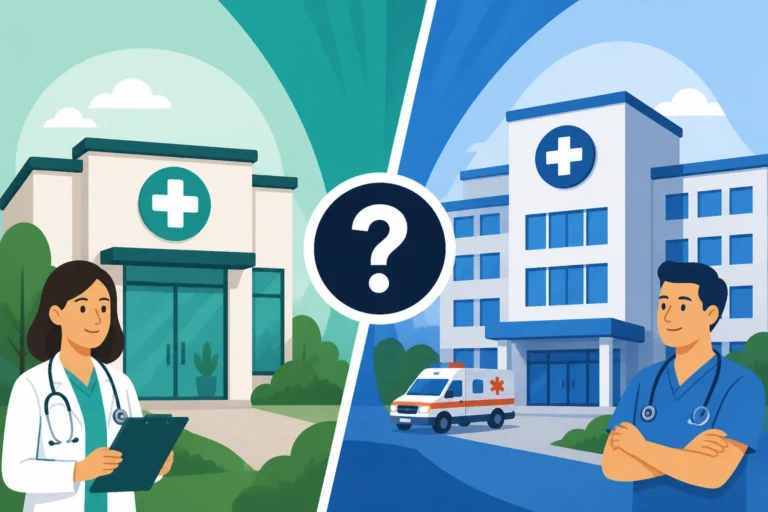
The Structural Divide: Poliklinika vs. Ligoninė
To understand hospital care in Lithuania, you first have to understand that the system is strictly bifurcated. In many countries, you might go to a hospital for a standard specialist consultation or a blood test. In Lithuania, that almost never happens. Most of your medical interactions will occur at a "Poliklinika." It is vital to understand Understanding the Role of the Polyclinic (Poliklinika) in Lithuania because this is where the vast majority of diagnostic work is done. The "Ligoninė," by contrast, is reserved for acute care, surgeries, and long-term inpatient stays.
Public Hospitals and the Hierarchy of Care
Lithuanian public hospitals are organized into tiers. At the top, you have the major university hospitals like Santaros Klinikos in Vilnius and the Kauno Klinikos in Kaunas. these are massive complexes where the most advanced surgeries and specialized treatments occur. If you have a complex condition, you want to be here. Below them are regional and municipal hospitals which handle more routine inpatient care.
The care in these facilities is medically excellent. Lithuania punches well above its weight in fields like laser surgery and cardiology. However, the infrastructure can vary. While the operating theaters are state-of-the-art, the "living" quarters of the hospital might feel a bit like a throwback to an earlier era. You might find yourself in a ward with four other people, sharing a single bathroom down the hall. This is the reality of the public system, and while it is highly functional, it is not always luxurious.
The Rise of Private Hospitals and Clinics
In recent years, the private sector has expanded significantly. Facilities like the Baltic-American Clinic or Kardiolita offer a completely different experience. Here, you will find private rooms that resemble hotel suites, staff who speak fluent English, and a much higher focus on "patient experience."
Choosing between the two usually comes down to your insurance status. If you are covered by the national system, the public hospital is essentially free. If you are using a provider like SafetyWing to cover gaps in your residency or while you are transitioning between jobs, you might have more flexibility to choose private care. Most expats find that for major surgeries, they prefer the specialized expertise of the public university hospitals, but for comfort and speed, the private clinics are unbeatable.
The Emergency Experience: Entering Through Priimamasis
If you find yourself in a crisis, you will likely enter the hospital through the "Skubiosios pagalbos skyrius" (Emergency Department), often referred to colloquially as the "Priimamasis." This is the front line of Lithuanian healthcare, and it can be a high-pressure environment.
Triage and Waiting Times
When you arrive at a Lithuanian emergency room, do not expect to be seen immediately unless your life is in imminent danger. The triage system is strictly color-coded. Patients with life-threatening conditions (Level 1) are rushed in, while those with minor injuries (Level 4 or 5) may wait several hours. It is helpful to know Emergency Medical Care in Lithuania: What Every Expat Needs to Know before you head out, as many conditions that foreigners consider "emergencies" are actually treated by the "budintis gydytojas" (on-duty doctor) at a polyclinic.
Communication in the emergency room can be a hurdle. While younger doctors almost always speak English, the nursing and administrative staff may only speak Lithuanian or Russian. It is a good idea to have a translation app ready on your phone. Be prepared to explain your symptoms clearly and concisely. The culture here is direct; doctors may not spend a lot of time on "bedside manner" because they are focused on the clinical diagnosis.
What to Bring in an Emergency
If there is even a slight chance you will be admitted, you need to think about your "hospital bag." Unlike some Western countries where the hospital provides everything from gowns to toothbrushes, Lithuanian public hospitals expect you to be somewhat self-sufficient. If you are being transported by ambulance, try to grab your passport or residence permit and your phone charger. If you have a private plan through SafetyWing, keep your digital insurance card accessible. Having your documentation ready is the fastest way to get through the administrative "priėmimas" (admission) process.
| Item Category | Public Hospital (Ligoninė) Expectation | Private Clinic Expectation |
|---|---|---|
| Identification | Passport/Residence Permit Mandatory | ID and Insurance Card |
| Clothing | Bring your own pajamas and slippers | Often provided |
| Toiletries | Bring your own soap, towel, and toilet paper | Provided |
| Medication | Bring your current home meds to show doctors | Usually managed by staff |
| Food | Basic meals provided; bring snacks | Gourmet catering often included |
Planned Admissions: The Referral Labyrinth
Not every hospital stay starts with a siren. For surgeries or specialized treatments, you will go through a process called "planinė hospitalizacija." This is where the Lithuanian love for paperwork truly shines.
The Role of the Siuntimas
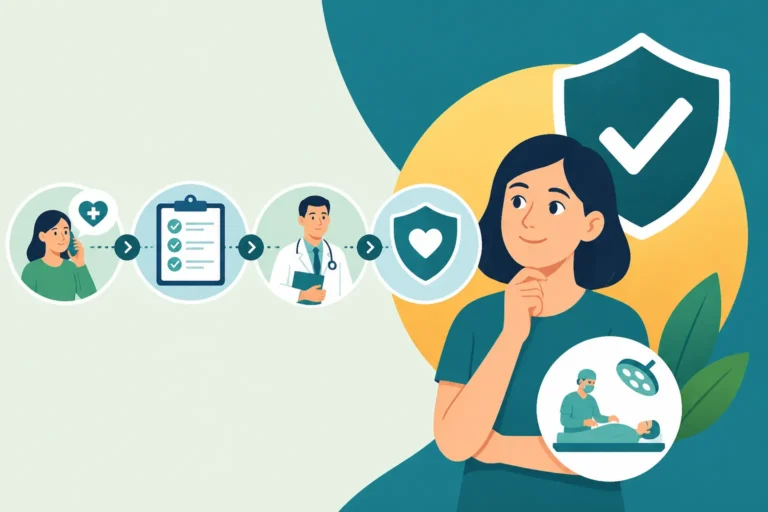
You cannot simply walk into a hospital and ask for a bed. Everything starts with your "šeimos gydytojas" (family doctor). They must issue an electronic referral, known as a "siuntimas." You should read up on How E-Referrals (Siuntimas) Work for Specialists in Lithuania to understand how this digital document moves through the system. Without this referral, the national health insurance fund (VLK) will not cover your stay, and you will be billed as a private patient.
Once you have your referral, you will need to book an admission date. For popular specialists or non-urgent surgeries, the wait times can be significant—sometimes several months. If you are in a hurry and have the means, this is when many expats choose to go private. Even if you see a specialist privately, you can sometimes use that referral to get back into the public system for the actual procedure, though this requires careful navigation.
Pre-Admission Testing
Before you are admitted, you will usually be given a list of "tyrimai" (tests) that must be completed. This often includes blood work, an EKG, and sometimes a chest X-ray. These tests must typically be no more than 10 to 14 days old on the day of your admission. If you arrive for your surgery and your blood tests are expired, the hospital may cancel the procedure. It is a rigid system, but it ensures that the surgical teams have the most up-to-date information on your health.
The Inpatient Experience: Wards, Food, and Bedside Manner
Once you are tucked into your hospital bed, the reality of Lithuanian inpatient life sets in. For many expats, this is the most "cultural" part of the experience.
Life in the Ward
In a public ligoninė, "bendros palatos" (general wards) are the norm. These rooms usually house 3 to 5 patients. While the medical care is the same for everyone, the lack of privacy can be jarring. You will quickly learn the rhythms of the ward: the early morning "vizitacija" (doctor’s rounds), the cleaning staff who move with incredible efficiency, and the strict lights-out times.
If privacy is a priority for you, many public hospitals offer "mokamos palatos" (paid rooms). These are private or semi-private rooms that you can pay for out-of-pocket, even if your medical care is covered by the state. The cost is usually quite reasonable—think 20 to 50 Euros per night. It is well worth the investment for the peace of mind and the dedicated bathroom. Check with the "skyriaus vedėjas" (head of the department) as soon as you are admitted to see if any of these rooms are available.
Food and Hygiene
Let's be honest: hospital food in Lithuania is an acquired taste. It is designed to be "dietiškas" (dietary)—low in salt, low in fat, and often based on grains like buckwheat (grikių košė) and boiled meats. While nutritious, it can be bland. It is very common in Lithuanian culture for family members to bring "lauknešėlis" (a food parcel) to patients. You will see grandmothers carrying jars of homemade soup and bags of fruit through the corridors.
Hygiene standards are high, but as mentioned, you are expected to provide your own basic supplies in public facilities. This includes towels, soap, and sometimes even your own cutlery and mug. It is a practical system; the hospital focuses its budget on medicine and technology rather than "hospitality." If you are covered by SafetyWing, you might use your reimbursement for some of these out-of-pocket comforts if your policy allows for incidental expenses.
Insurance, Costs, and the PSDF System
How your hospital stay is paid for is the most common source of anxiety for foreigners. The system is actually quite straightforward once you know your status.
The Power of the PSD
If you are working in Lithuania, you are likely paying into the Compulsory Health Insurance (PSD) fund. This means your stay in a public hospital is covered. This includes the surgery, the medication, the bed, and the food. You won't see a bill at the end of your stay. You can learn more about this in How Lithuania's Health Insurance Fund (VLK/PSDF) Works: A Full Overview.
However, "covered" doesn't always mean everything is free. There are certain "extra" materials—like high-end dental implants or specific types of prosthetic joints—where the state covers the "standard" version, and if you want the "premium" version, you pay the difference. The doctor is required to inform you of these options beforehand.
Navigating Costs Without PSD
If you are a new arrival, a digital nomad, or someone waiting for their residence permit, you are in a more vulnerable position. Without PSD, a hospital stay in Lithuania can become expensive, though still far cheaper than in the United States. A day in a general ward might cost 100-200 Euros, but intensive care or complex surgeries can quickly run into the thousands.
This is where having supplemental or travel insurance is non-negotiable. SafetyWing is a popular choice for many in the expat community because it covers those "in-between" periods before you are fully integrated into the Lithuanian social security system. If you are admitted as a "self-pay" patient, the hospital will usually ask for a deposit upfront. Always keep your receipts (kvitai) and the detailed invoice (sąskaita faktūra) if you plan to claim reimbursement from your private insurer later. Knowing The Cost of Healthcare in Lithuania: A Complete Breakdown for Foreigners (2026) can help you budget for these unexpected events.
Language and Documentation: Navigating the E-Health Era
Lithuania has moved aggressively into the digital age with its "E-Sveikata" system. This is a centralized portal where all your medical records, prescriptions, and hospital discharge summaries are stored.
Accessing Your Records
When you are discharged from a ligoninė, the doctor will write an "išrašas" (discharge summary). In the old days, this was a handwritten, illegible scrawl. Today, it is a digital document uploaded to your profile. You can access this by logging into the patient portal using your "Asmens Kodas" and e-signature or mobile-ID. For a step-by-step guide on how to do this, see How to Set Up Your Account on the Patient Portal in Lithuania.
This digital record is incredibly helpful if you need to share your results with doctors back in your home country. While the records are in Lithuanian, they use standard international medical codes (ICD-10), which makes them relatively easy for any medical professional to interpret.
The Language Barrier in the Ward
While the digital records are high-tech, the daily communication is still very human. If you don't speak Lithuanian, you may feel isolated during a long stay. Here are a few veteran tips:
- The Morning Round: This is your best chance to speak to an English-speaking doctor. Write down your questions in advance.
- The "Budintis" Doctor: At night and on weekends, the staff is reduced. Only the "on-duty" doctor is available, and they are usually only called for emergencies.
- Translation Apps: Use a "speech-to-text" translation app for basic needs like "I am in pain" or "I need water."
- Patient Advocates: If you are truly struggling, you have the right to an interpreter, though in practice, you usually have to provide your own (a friend or a professional service).
Discharge and Post-Hospital Care: What Happens Next?
Leaving the hospital is not the end of the journey. The Lithuanian system relies heavily on follow-up care provided by your polyclinic.
The "Išrašas" and Your Family Doctor
On your last day, the ward doctor will give you a paper copy of your discharge summary and upload the digital version. It is your responsibility to contact your "šeimos gydytojas" within a few days of leaving the hospital. They need to review the hospital's recommendations and issue any ongoing prescriptions. You should familiarize yourself with The Expat Guide to Finding a Family Doctor (Šeimos Gydytojas) in Lithuania because this person is the "gatekeeper" for your recovery.
Sick Leave and Rehabilitation
If your hospital stay was due to a serious illness or surgery, you will likely need "nedarbingumo pažymėjimas" (sick leave). The hospital will issue the initial sick leave, but your family doctor will handle the extensions. For more details on how this works and how you get paid while you are off work, read Understanding Sick Leave (Nedarbingumo Pažymėjimas) and Sick Pay in Lithuania.
In some cases, the hospital may recommend "reabilitacija" (rehabilitation). Lithuania has wonderful spa towns like Druskininkai and Birštonas that have specialized sanatoriums. If the hospital deems it medically necessary, the PSDF may cover a portion of a 2-3 week stay at one of these facilities. It is a unique and highly effective part of the Lithuanian recovery model.
Practical Tips for Your Stay
- The "Kava" Culture: While you should never offer money to doctors (which is illegal and taken very seriously now), a small gesture like a box of nice chocolates or a bag of high-quality coffee for the nursing station upon discharge is still a common cultural way to say "thank you."
- Quiet Hours: Lithuanian hospitals take rest seriously. Visiting hours are usually strictly enforced, typically between 11:00 and 19:00.
- Pharmacy Needs: If you are discharged on a weekend, make sure you have your "e-receptas" (electronic prescription) sorted. You can find out Understanding the Lithuanian Pharmacy (Vaistinė) System and Opening Hours to ensure you aren't stuck without medication on a Sunday evening.
- Gap Coverage: If you are a freelancer or between jobs, keep an active policy with SafetyWing. It ensures that if a minor issue turns into a week-long hospital stay, you aren't left with a bill that ruins your relocation budget.
Disclaimer
The information provided in this guide is for informational purposes only and does not constitute medical or legal advice. Healthcare regulations and insurance requirements in Lithuania are subject to change. Always consult with a qualified medical professional or the Lithuanian Migration Department (MIGRIS) and the National Health Insurance Fund (VLK) for the most current and personalized information regarding your specific situation. SafetyWing and other private insurance policies have specific terms and conditions; ensure you review your policy documents thoroughly.