What Is the Difference Between a Poliklinika and a Ligoninė in Lithuania?
Moving to a new country involves a steep learning curve, but few things are as stressful as navigating a medical system when you are feeling unwell. In Lithuania, the distinction between a poliklinika and a ligoninė often confuses newcomers, leading to wasted time or unnecessary bills. This guide breaks down exactly where to go for every medical scenario you might encounter.
Understanding the Poliklinika: Your Primary Healthcare Hub
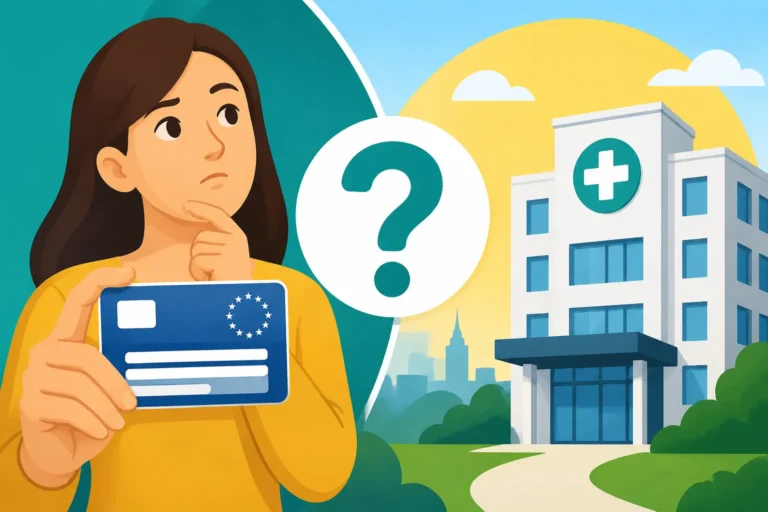
The poliklinika is the cornerstone of the Lithuanian healthcare experience. For those of us used to small, private GP practices in the UK or the US, the sheer scale of a Lithuanian polyclinic can be intimidating. These are typically large, multi-story buildings that serve as a one-stop shop for almost all non-emergency medical needs. When you first move here and settle into your neighborhood, one of your first administrative tasks should be Understanding the Role of the Polyclinic (Poliklinika) in Lithuania because this is where your medical journey will almost always begin.
In a poliklinika, the central figure is your family doctor, or šeimos gydytojas. This individual acts as the gatekeeper to the rest of the system. You cannot simply walk into a specialist's office—like a cardiologist or a neurologist—and expect a consultation covered by the state insurance. You must first visit your family doctor at the polyclinic. They will evaluate your symptoms, order basic blood tests, and if necessary, issue a digital referral known as a siuntimas. This referral is what allows you to book a specialist within the same building or at another facility.
The Role of the Family Doctor and General Services
Your family doctor at the poliklinika handles everything from common colds and flu to the management of chronic conditions and routine vaccinations. If you have children, the polyclinic is also where you will find pediatricians and where the mandatory health checks for schools are conducted. It is a busy environment, often humming with a mix of elderly patients and young families. Because the system is heavily centralized, the polyclinic also houses diagnostic equipment. This means you can often get your blood drawn, have an X-ray taken, or undergo an ultrasound all within the same four walls, provided your doctor has authorized the tests.
The administrative side of the polyclinic requires patience. You will usually need to check in at a central registration desk or use a self-service kiosk to get a numbered ticket. This is where having your identity documents ready is crucial. Before you can even book an appointment, you should ensure you are Registering for Compulsory Health Insurance (PSD) in Lithuania (2027) to avoid high out-of-pocket costs for these primary services. Without PSD, or a secondary bridge like SafetyWing for those in transition, you might find the "free" public system surprisingly expensive.
Specialist Consultations and Diagnostic Testing
One of the greatest advantages of the poliklinika is the concentration of specialists. Once you have your referral, you can often see a specialist in the same building. These specialists operate on an outpatient basis, meaning you visit them for a specific appointment and leave shortly after. If your specialist decides you need a more advanced procedure, such as a gastroscopy or a minor dermatological surgery, these are often performed in specialized wings of the polyclinic.
However, wait times can be a significant hurdle. For popular specialists, you might wait several weeks for an appointment in the public system. This is a common frustration for expats who are used to faster turnarounds. If you are a digital nomad or a new resident still waiting for your permanent residence permit, you might not yet be eligible for the public system. In these cases, having SafetyWing can be a lifesaver, as it allows you to bypass the public queues by visiting private clinics while still being protected against major medical expenses.
Understanding the Ligoninė: Inpatient Care and Emergencies
While the poliklinika is for walk-in appointments and consultations, the ligoninė—or hospital—is designed for inpatient care, serious surgeries, and acute emergencies. If the polyclinic is where you go to get diagnosed, the hospital is where you go to be treated for conditions that require a bed, constant monitoring, or intensive surgical intervention. Understanding Hospital Care at a Lithuanian Ligoninė is vital because showing up at a hospital for a routine prescription will result in a long wait and a polite but firm redirection back to your polyclinic.
Hospitals in Lithuania range from massive university clinics like Santaros Klinikos in Vilnius to smaller regional hospitals. They are equipped with advanced life-support systems, operating theaters, and specialized departments for everything from oncology to neurosurgery. Unlike the polyclinic, which operates on standard business hours (usually 7:00 AM to 8:00 PM), the hospital is a 24/7 operation. However, "24/7" primarily applies to the emergency department and the care of admitted patients, not for general consultations.
The Emergency Department and Acute Care
Every major hospital has a Skubiosios pagalbos skyrius, which is the Emergency Department (ED). This is where you go if you have a life-threatening injury, severe chest pain, or a sudden, debilitating illness. It is important to distinguish between "I feel very sick" and "This is a medical emergency." If you arrive at the hospital ED with a minor ailment, you will be triaged. In the Lithuanian system, triage is strict; those with life-threatening conditions are seen immediately, while those with non-urgent issues may wait six hours or more.
For those situations that are urgent but perhaps not life-threatening—such as a broken bone or a deep gash—the hospital is the correct destination. If you are ever unsure of whether to call an ambulance or drive yourself, you should know What Is the Emergency Phone Number in Lithuania? and the basic protocols for first responders. For expats who are not yet fully integrated into the social security system, SafetyWing is often used to cover these high-stakes hospital visits, providing peace of mind during those first few months in the country.
Inpatient Stays and Specialized Surgeries
If your condition requires you to stay overnight, you are officially an "inpatient." Hospital stays in Lithuania are generally efficient, but the environment can feel a bit clinical and "old school" compared to private Western facilities. You will be assigned a bed in a ward, and your care will be managed by a team of specialists and nurses. It is worth noting that while the medical care is of a high standard, the "comfort" amenities (like food and room privacy) are often basic in public hospitals.
During an inpatient stay, all your medications, tests, and procedures are covered by the Compulsory Health Insurance Fund (PSDF). This is why How Lithuania's Health Insurance Fund (VLK/PSDF) Works: A Full Overview is such a critical topic for residents. If you do not have insurance, a three-day hospital stay for a surgery can cost thousands of euros. For foreigners working remotely or those on a temporary visa, maintaining a policy like SafetyWing ensures that a sudden hospital stay doesn't become a financial catastrophe.
Comparing Poliklinika and Ligoninė
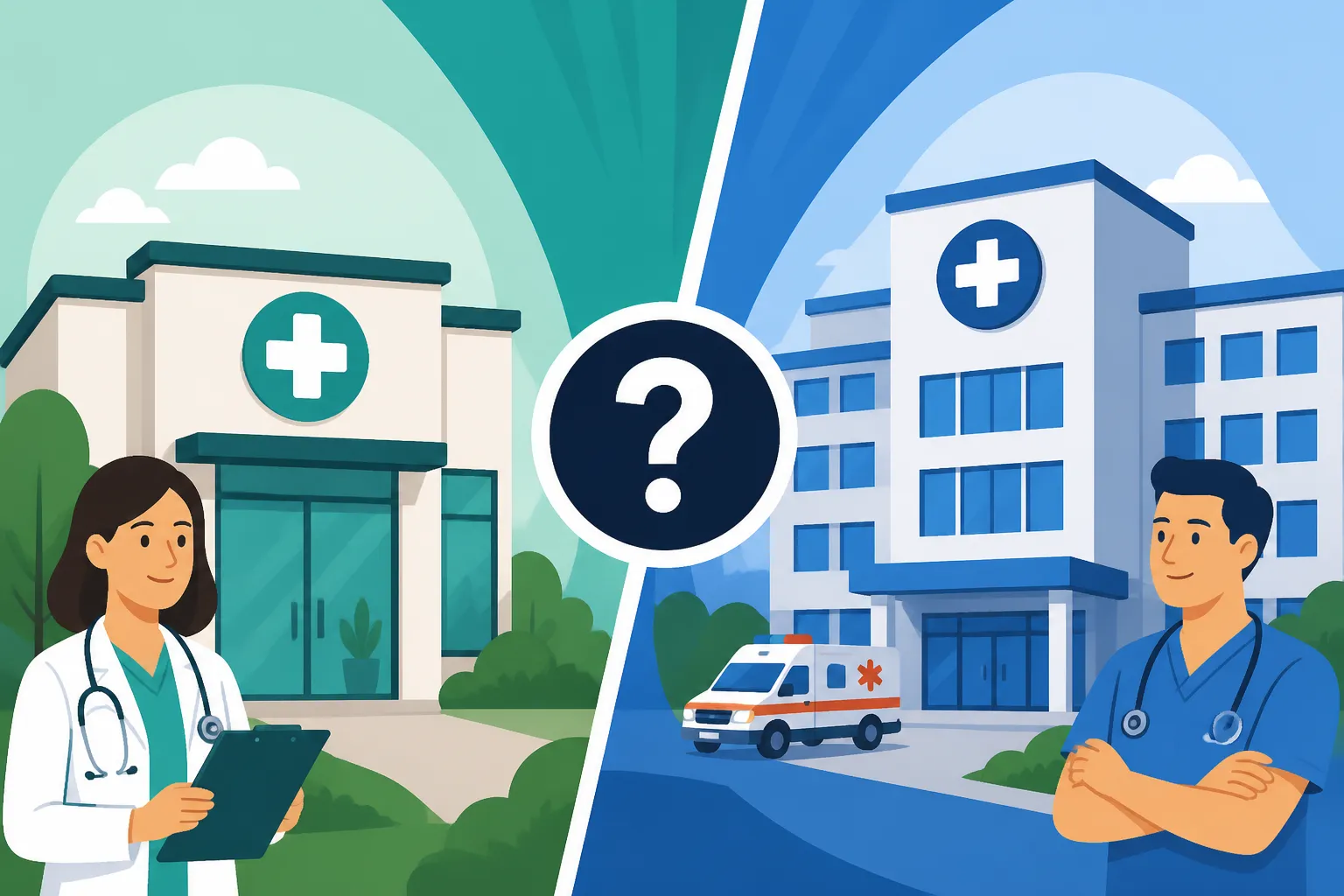
To help you decide where to go, it is useful to see the structural differences side-by-side. The Lithuanian system is quite rigid about these boundaries, and understanding them will save you a lot of logistical headaches.
| Feature | Poliklinika (Polyclinic) | Ligoninė (Hospital) |
|---|---|---|
| Primary Purpose | Outpatient care, GP visits, routine tests. | Inpatient care, surgeries, emergency trauma. |
| First Point of Contact | Yes, your family doctor (šeimos gydytojas). | No, except in life-threatening emergencies. |
| Operating Hours | Daytime (usually 07:00 – 20:00). | 24/7 for emergencies and inpatients. |
| Referral Required? | No for GP; Yes for specialists. | Yes, from a GP or via the Emergency Dept. |
| Staffing | Family doctors, specialists, nurses, dentists. | Surgeons, ER doctors, intensive care nurses. |
| Pharmacy Access | Often has a pharmacy on-site or nearby. | Internal pharmacy for admitted patients only. |
| Typical Wait Time | Scheduled appointments; 15-30 min wait. | Triage-based; can be 1-8 hours in the ER. |
Practical Navigation for the Expat
Navigating these two institutions requires more than just knowing their definitions; it requires an understanding of the digital and administrative glue that holds them together. In Lithuania, the healthcare system is highly digitized through the E-Sveikata portal. Whether you visit a polyclinic or a hospital, your records are updated in this central database. Understanding the E-Sveikata (E-Health) system in Lithuania allows you to see your test results, check your referrals, and see which medications have been prescribed to you.
When you walk into a polyclinic, the first thing they will ask for is your personal code. If you haven't received this yet, you need to prioritize How to Get Your Asmens Kodas (Personal Code) and Why It Matters for Healthcare. Without this code, the digital system cannot find you, and you may be treated as an uninsured "guest" patient, which involves significantly higher fees and manual paperwork.
Dealing with Prescriptions and Specialist Referrals
Once you have seen a doctor at a polyclinic, they will likely issue an electronic prescription. You won't get a piece of paper; instead, the doctor uploads the prescription to your personal code. You then go to any vaistinė (pharmacy), show your ID, and they pull up the data. Understanding the Electronic Prescription (E-Receptas) System in Lithuania is a great way to simplify your life, but it only works if you are correctly registered in the system.
If your family doctor at the polyclinic determines that you need specialist care that the polyclinic cannot provide—such as a complex MRI or a specific type of rehabilitation—they will issue a siuntimas. You can then use this referral to book an appointment at a hospital's outpatient department. This is a common point of confusion: hospitals do have outpatient clinics where you can see specialists, but you still need that referral from your polyclinic doctor to avoid paying the full private rate.
Emergency Situations and the Cost of Care
If you find yourself in a situation where you need Emergency Medical Care in Lithuania: What Every Expat Needs to Know, the hospital is your destination. However, if you call an ambulance and the paramedics determine your condition is not an emergency, they may advise you to visit your polyclinic the next morning. In some cases, if the ambulance is called for a non-emergency, you might even be charged a fee for the call-out.
Cost is always a concern for expats. In the public system, if you are insured via PSD, almost everything is free at the point of use. However, "free" often comes with the cost of time. This is why many expats choose to use private clinics for specialists. These private clinics are essentially "private poliklinikas." They offer the same services but with shorter wait times and often better English-language support. For those who are not yet paying into the Lithuanian social security system (Sodra), SafetyWing acts as an essential insurance layer, covering the costs of private treatment or emergency hospital visits that would otherwise be quite expensive.
Language and Cultural Nuances
One of the hardest parts of visiting either a poliklinika or a ligoninė is the language barrier. In the larger cities like Vilnius and Kaunas, many younger doctors speak excellent English. However, the administrative staff at the registration desks and the nursing staff in the hospitals often speak only Lithuanian or Russian. This can lead to significant stress during an already difficult time.
When visiting a polyclinic, it is often helpful to have your symptoms written down or to use a translation app. If you are admitted to a hospital, the experience can feel quite isolating if you don't speak the language. Lithuanian medical culture is professional but can be very direct and sometimes perceived as "cold" by those from more "customer-service" oriented medical cultures. Understanding that this is simply the local communication style—focused on efficiency and clinical facts—can help you manage your expectations.
If you are particularly concerned about the language barrier, looking for a private clinic might be your best bet. Many of these clinics market themselves specifically to the international community. Even then, the fundamental structure remains: the clinic (the private polyclinic) handles your routine care, while the hospital (the ligoninė) remains the ultimate destination for any serious, life-altering medical events.
Disclaimer
This guide is for informational purposes only and does not constitute professional medical or legal advice. Healthcare regulations and insurance requirements in Lithuania can change; always consult with the State Patients' Fund (VLK) or a qualified legal professional regarding your specific residency and insurance status. For medical emergencies, always dial 112 immediately.