Is Private Health Insurance Worth It for Expats in Lithuania?
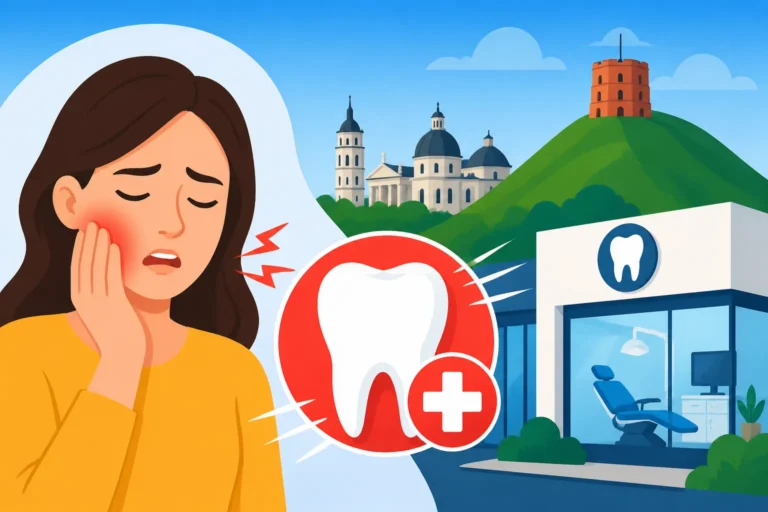
Moving to Lithuania involves a whirlwind of paperwork, but few things are more stressful than navigating the medical system when you are actually under the weather. While the public system is robust, the language barrier and notorious wait times can be overwhelming for newcomers. This guide breaks down whether private health insurance is a necessary lifeline or an unnecessary expense for your expat journey.
The Reality of the Lithuanian Public Healthcare System
To understand if private insurance is worth it, we first have to look at what you are already paying for. If you are employed in Lithuania, a portion of your salary automatically goes toward Compulsory Health Insurance, known locally as PSD (Privalomasis sveikatos draudimas). This fund, managed by the VLK, entitles you to "free" healthcare at public institutions. However, free does not always mean easy.
The public system is built around the polyclinic (poliklinika). These are large, multi-disciplinary hubs where you first meet your family doctor. I remember my first visit to a Vilnius polyclinic; it felt like stepping back into a different era. The corridors were long, the signage was exclusively in Lithuanian, and the registration desk staff were not exactly enthusiastic about my broken attempts at the language. While the medical care itself is often high-quality—Lithuanian doctors are exceptionally well-trained—the administrative friction is real.
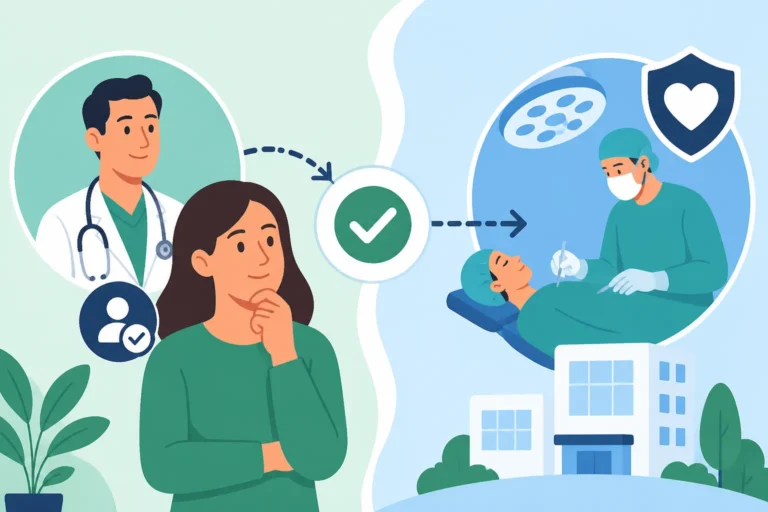
One of the biggest hurdles is the "siuntimas" or referral system. If you need to see a specialist, like a dermatologist or an endocrinologist, you cannot just call them up. You must first book an appointment with your family doctor, wait a week or two to see them, get a paper or electronic referral, and then begin the hunt for a specialist with an open slot. In the public system, these slots can be booked out for three to four months in advance. For an expat dealing with a pressing health concern, this timeline is often unacceptable. You can learn more about this in The Complete Guide to Healthcare in Lithuania for Expats (2027).
Furthermore, while the system is digitalized via the E-Sveikata portal, navigating it requires a high level of patience. You can find out How Do I Access My E-Sveikata Health Record Online in Lithuania to see the data for yourself, but the interface can be clustered. For many, the public system is a safety net for major surgeries or emergencies, but it is often too slow for day-to-day specialist needs.
Why Expats Turn to Private Health Insurance
The private healthcare sector in Lithuania is booming, and for good reason. Clinics like Kardiolita, Northway, and InMedica offer an experience that is closer to a boutique hotel than a sterile hospital. When you opt for private insurance, you are essentially paying for two things: speed and communication.
In a private clinic, you can often see a specialist within 48 hours. There is no need for a referral from a public family doctor, and the staff almost always speak excellent English. For a busy professional or a parent with a sick child, the ability to book an appointment online for the same afternoon is worth its weight in gold. Private insurance plans usually cover these consultations, diagnostic tests like MRIs or blood work, and sometimes even dental care or physical therapy, which are notoriously difficult to get covered under the public scheme.
It is also important to consider the "transition period." When you first arrive in Lithuania, your PSD status might not be active immediately. It takes time to get your residence permit and your personal code (Asmens kodas). During this gap, you are effectively uninsured unless you have a private plan. This is where a provider like SafetyWing becomes incredibly useful. SafetyWing offers flexible, month-to-month travel medical insurance that can cover you from the moment you land until your local Lithuanian paperwork is finalized. It acts as a perfect bridge for digital nomads or those moving on a Type D visa who haven't yet entered the local social security system.
Another benefit of private insurance is the comfort of the facilities. Public hospitals can sometimes be crowded, with multiple patients sharing a room. Private insurance often covers a private room stay if hospitalization is required, ensuring a level of privacy and quiet that aids recovery. If you are debating between the two, Public vs Private Healthcare in Lithuania: Which Should Expats Choose? provides a deeper dive into the specific differences in facility standards.
The Financial Breakdown: Premiums vs. Out-of-Pocket
Is it cheaper to just pay the public contribution and then pay out-of-pocket for private visits when needed? This is the million-euro question for most expats. Let’s look at the math. The monthly PSD contribution is tied to the minimum wage; for the self-employed, it is roughly 64 EUR per month in 2024, and for employees, it is a percentage of their gross salary. You can check the current rates in How Much Is the Monthly PSD Contribution Through Sodra?.
On top of this, a private specialist consultation in Vilnius or Kaunas typically costs between 60 EUR and 120 EUR. If you need a few consultations a year plus some blood tests, your out-of-pocket costs could easily hit 500 EUR to 800 EUR. A private insurance policy for an individual typically ranges from 400 EUR to 1,200 EUR per year, depending on the level of coverage (e.g., whether it includes dental or outpatient surgery).
| Feature | Public Healthcare (PSDF) | Private Health Insurance | Out-of-Pocket (Private Clinic) |
|---|---|---|---|
| Monthly Cost | ~6.98% of salary (or fixed ~64 EUR) | 35 EUR – 100+ EUR | 0 EUR (fixed) |
| Specialist Wait Time | 2 weeks to 4 months | 1 to 3 days | 1 to 3 days |
| English Speaking | Hit or miss (mostly miss) | Guaranteed in major clinics | Guaranteed in major clinics |
| Referral Needed? | Yes (from Family Doctor) | Usually No | No |
| Dental Coverage | Very limited | Optional / High Tier | High (100% per visit) |
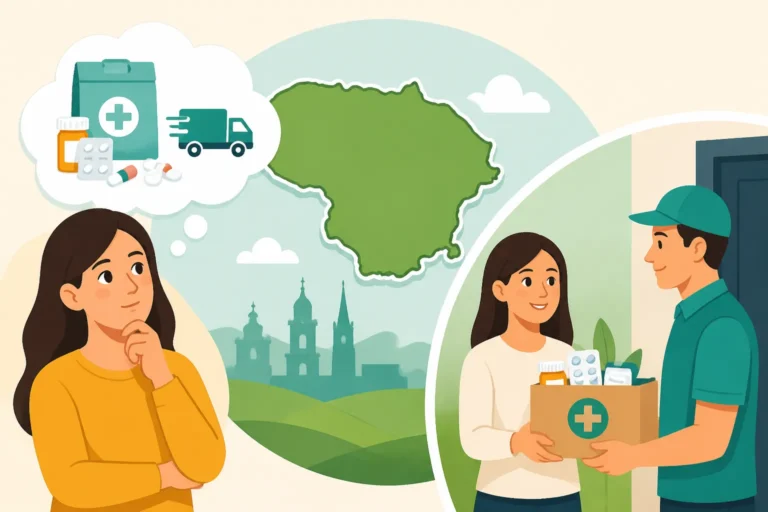
| Medication | Subsidized (E-Receptas) | Often reimbursed | Full price |
For many, the "worth" of the insurance comes down to the frequency of use. If you are young, healthy, and rarely see a doctor, paying for private insurance might feel like an unnecessary recurring cost. However, if you have a chronic condition, frequent sports injuries, or children, the insurance pays for itself quickly. Even if you are healthy, having a plan like SafetyWing provides a global safety net. If you decide to take a weekend trip to Riga or Warsaw and have an accident, your local Lithuanian PSD won't always cover private care in those countries as seamlessly as an international plan would.
It is also worth noting that many international companies in Lithuania now offer private health insurance as a standard perk. If you are job hunting, check The Expat Guide to Finding a Job in Lithuania (2027) to see which sectors are most likely to provide this benefit. If your employer provides it, you get the best of both worlds without the extra monthly premium.
How to Choose and Combine Coverage
The most effective strategy for most expats in Lithuania is a hybrid approach. You are legally required to pay into the public system if you live and work here, so you might as well use it for what it's good at: emergencies and high-cost surgeries. The public system handles catastrophic health events exceptionally well. If you have a major car accident or a heart attack, the public hospitals in Vilnius (like Santariškės) are where you want to be; they have the most advanced life-saving equipment in the country.
For everything else—the persistent cough, the weird mole, the annual check-up—private insurance is the way to go. When choosing a plan, look closely at the "basket" of services. Some local insurers use a "limit" system, where they give you a budget (e.g., 2,000 EUR for the year) that you can spend across different categories. Others operate on a co-payment basis.
If you are a frequent traveler or a digital nomad, local Lithuanian insurance might be too restrictive. This is another scenario where SafetyWing shines. Since it is designed for people who move between countries, it doesn't tether you to one specific polyclinic. It allows you the flexibility to seek care wherever you happen to be, which is a major relief if you find the Lithuanian administrative system too "heavy" to handle during a short-term stay.
Before signing up for any private plan, make sure you already have your basic ducks in a row. You will need to know How to Get Your Asmens Kodas (Personal Code) and Why It Matters for Healthcare because even private clinics will eventually ask for this to sync with the national E-Sveikata system. Also, research How to Find an English-Speaking Doctor in Lithuania beforehand; some private insurers have "preferred providers," and you want to ensure your favorite clinic is on that list.
In my experience, the peace of mind that comes with private insurance is the real value. Knowing that I can skip the four-month wait for a specialist and speak to a doctor who understands me without a translator makes the Lithuanian winter a lot more bearable. It removes a layer of "foreigner anxiety" that is hard to put a price on.
Actionable Steps for New Arrivals
If you have just landed or are planning your move, here is a logical sequence to ensure you are covered without overpaying:
- Get Temporary Coverage: Before your residency is approved, sign up for an international plan like SafetyWing. This ensures you aren't paying thousands out-of-pocket if you get the flu or a minor injury in your first month.
- Register for PSD: As soon as you have your residence permit and employment contract, ensure your employer has registered you with Sodra. You can verify your status through the Navigating the Lithuanian Healthcare System: An Expat's Roadmap (2027).
- Choose a Poliklinika: Even if you plan to go private, register with a local public family doctor. This is essential for getting official sick leave certificates (nedarbingumo pažymėjimas) that your employer will require to pay you while you're out.
- Evaluate the Gap: Look at your health for the past two years. If you visited a specialist more than twice, start shopping for private insurance. Check if your company offers a plan first.
- Check Specialist Availability: Use How to Get a Specialist Referral Without Long Waits in Lithuania to understand how to bypass the standard queues if you choose to stay strictly public.
Ultimately, private health insurance in Lithuania isn't just about "better" medicine; it's about "easier" medicine. The public system will keep you alive, but the private system will keep you sane. For most expats, that sanity is well worth the monthly premium.
Disclaimer
The information provided in this guide is for informational purposes only and does not constitute professional medical or legal advice. Healthcare laws, insurance premiums, and public fund contribution rates in Lithuania are subject to change. Always consult with the Lithuanian National Health Insurance Fund (VLK), a qualified insurance broker, or a legal professional to verify your specific coverage requirements and legal obligations as a resident.