How Do I Choose a Private Health Insurer in Lithuania?
Moving to a new country like Lithuania often involves a steep learning curve, especially when you realize that relying solely on the public health system can mean waiting months for a simple specialist consultation. This guide explores the nuances of the Lithuanian private insurance market, helping you navigate the choice between local providers and international options to ensure your health is protected without unnecessary delays.
Understanding the Role of Private Health Insurance in Lithuania
When you first arrive in Vilnius or Kaunas, you will likely hear a lot about the PSD, or Compulsory Health Insurance. For most expats, especially those employed by a local company, this is the baseline. However, the public system, while high-quality in terms of medical expertise, is often bogged down by bureaucratic hurdles and significant wait times. If you have ever tried to book an appointment at a state-run Poliklinika, you know the drill: the receptionists might not speak English, and the next available slot for a dermatologist could be twelve weeks away. This is exactly where private health insurance becomes a lifesaver.
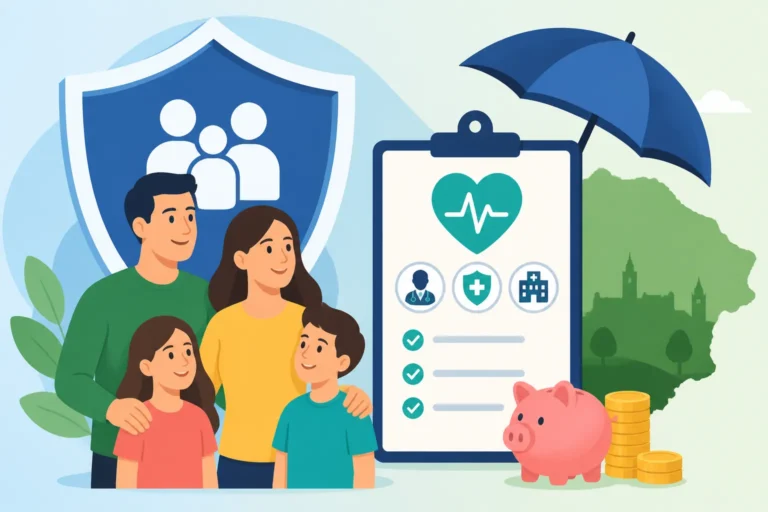
Private health insurance in Lithuania serves as a secondary layer of protection. It doesn’t usually replace your obligation to pay into the state fund, but it grants you access to high-end private clinics where the staff are almost certainly multilingual and the waiting rooms look more like boutique hotels than clinical institutions. Before you start comparing plans, you need to ask yourself if you are looking for a policy that covers the basics—like faster dental check-ups and gym memberships—or a robust policy that covers major surgeries in private facilities. Many people find that Public vs Private Healthcare in Lithuania: Which Should Expats Choose? is the first question they need to answer before even looking at specific insurers.
It is also important to distinguish between "voluntary health insurance" offered by local companies and international expat insurance. If you are a digital nomad or someone who has just arrived and hasn't yet received your residency permit, you might not even be eligible for the public system yet. In these "limbo" periods, choosing a provider like SafetyWing can be a smart move, as it provides a bridge of coverage while you are still figuring out How to Register for Compulsory Health Insurance (PSD) as a Foreigner in Lithuania. Having that safety net prevents a minor accident from becoming a major financial catastrophe during your first few months in the country.
Key Factors to Evaluate When Choosing a Provider
The first thing you should look at when evaluating a private insurer in Lithuania is their network of partner clinics. In Lithuania, the "big three" of private healthcare are the Medical Diagnostic and Treatment Center (often called "Grybo" after its street name in Vilnius), Kardiolita Hospital, and Northway. If an insurance company does not have a direct billing agreement with these specific providers, you will likely have to pay out of pocket and wait weeks for a reimbursement. For most expats, a direct billing model is far superior to a reimbursement model because it removes the administrative burden of filing claims in a language you might still be learning.
Another critical factor is the "Scope of Services." Local Lithuanian insurers like Lietuvos Draudimas or Ergo often package their health insurance in a very specific way. They might give you a "basket" of funds—for example, 2,000 EUR for outpatient care, 500 EUR for dentistry, and 200 EUR for vitamins or pharmacy expenses. This is quite different from Western European or American styles of insurance where you have a deductible and then unlimited coverage. You must carefully calculate if these limits are sufficient for your needs. If you are planning to use private care for a chronic condition, you should investigate The Cost of Healthcare in Lithuania: A Complete Breakdown for Foreigners (2026) to see if a local "basket" will actually cover your expected annual costs.
Language support is the "hidden" factor that many expats overlook until they are in a crisis. Does the insurance company have an English-speaking app? Is their 24/7 hotline capable of helping you in English? While the doctors at top-tier private clinics will speak English, the insurance adjusters who approve your treatments might not. This is why many foreigners lean toward international brands like SafetyWing, which are built from the ground up to serve a global, English-speaking audience. It takes the guesswork out of the communication process, which is the last thing you want to deal with when you are feeling unwell.
Comparing Local Lithuanian Insurers and International Options
If you decide to go with a local provider, you will be looking at names like Lietuvos Draudimas, Ergo, Gjensidige, or BTA. These companies are deeply integrated into the local economy and often offer the most competitive rates for "wellness" packages. For instance, many local plans include coverage for massages, psychotherapy, and even gym memberships. If your goal is to maintain a healthy lifestyle and get occasional fast-track access to a family doctor, a local plan is often the way to go. You can learn more about how these local interactions work by reading about The Expat Guide to Finding a Family Doctor (Šeimos Gydytojas) in Lithuania.
On the other hand, international expat insurance is designed for those who move around or want a higher ceiling of coverage. These plans are often more expensive but offer much higher limits for inpatient care and emergency evacuations. If you frequently travel back to your home country or across the Baltics, an international plan ensures you are covered in Riga or Tallinn just as easily as in Vilnius. For those who are still waiting for their official documents, a flexible option like SafetyWing is often preferred because it doesn't require a long-term commitment or a Lithuanian personal code (asmens kodas) to get started.
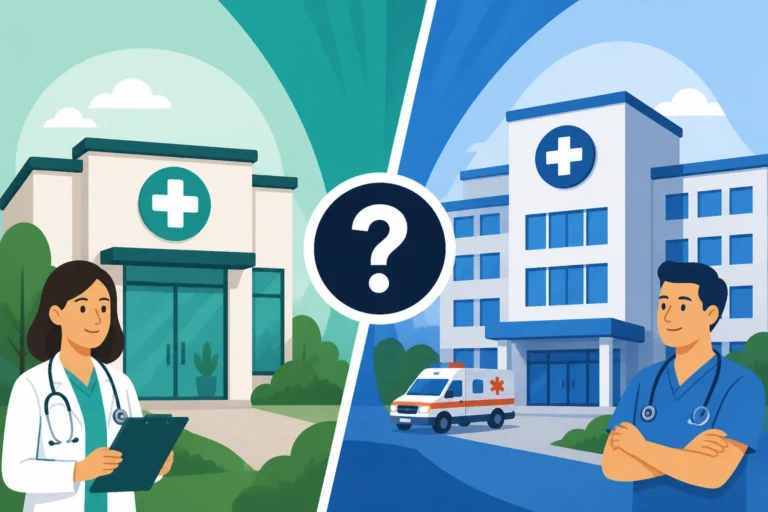
When you are deep in the comparison phase, you should also look at how each insurer handles the Understanding Private Clinics and Medical Centres in Lithuania aspect. Some insurers might restrict you to their own specific network of smaller clinics, while others allow you to visit any private specialist as long as you get a referral. In the Lithuanian system, the "siuntimas" (referral) is king. Even with private insurance, some providers might still insist that you see a family doctor first. Checking whether your insurer requires a referral for every single specialist visit can save you hours of unnecessary appointments.
| Feature | Local Lithuanian Insurance (e.g., Ergo, LD) | International Expat Insurance (e.g., SafetyWing) |
|---|---|---|
| Primary Audience | Local employees and long-term residents. | Digital nomads, expats, and frequent travelers. |
| Billing Model | Mostly "basket" limits (e.g., €2000 total). | Traditional deductible and high coverage limits. |
| Wellness Benefits | Often includes gym, massage, and spa. | Usually focused on medical emergencies and illness. |
| Network | Deeply integrated with local "Poliklinikas". | Focuses on top-tier private hospitals and global care. |
| Language | Lithuanian-centric apps and support. | 100% English-language support and documentation. |
| Residency Requirement | Usually requires an Asmens Kodas. | Can often be purchased before you arrive. |
The Logistics of Signing Your Policy and Using It
Once you have narrowed down your choice, the application process usually involves a health questionnaire. Be very honest here. The Lithuanian insurance market is quite strict about pre-existing conditions. If you have a known back issue and you don't declare it, the insurer will likely find out when they review your Understanding the E-Sveikata (E-Health) system in Lithuania records, which are the digital backbone of the country's medical data. Most private insurers will have access to your public health history if you give them permission, so transparency is your best policy to ensure claims are actually paid.
After the policy is active, you will usually receive a digital card or a physical one. In modern Lithuania, most things are handled via smartphone. You will download the insurer's app, and when you go to a clinic like Grybo, you simply show the QR code at the registration desk. The clinic then checks your remaining "basket" of funds in real-time. It is a very slick system when it works. However, you should always keep an eye on How Much Does Private Health Insurance Cost in Lithuania in 2026? to ensure that your premiums haven't spiked during the renewal period, as the market can be quite volatile.
Finally, consider the waiting periods. Almost every private health insurer in Lithuania imposes a waiting period for certain services. For example, you might be covered for accidents on day one, but you might have to wait three months before you can use the dental coverage or six months for any planned surgeries. If you are moving to Lithuania specifically to address a health issue, you need to read the fine print very carefully. If you are unsure if the investment is right for your specific situation, it might be worth looking into Is Private Health Insurance Worth It for Expats in Lithuania? to see a cost-benefit analysis based on typical expat usage patterns.
Choosing the right insurer is about balancing your budget with your need for peace of mind. For some, a simple policy from SafetyWing that covers the big "what ifs" is enough. For others, a comprehensive local plan that covers their monthly physical therapy and dental cleanings is the priority. Whatever you choose, having a private backup to the state system will undoubtedly make your life in Lithuania much smoother and less stressful.
Disclaimer
This guide is for informational purposes only and does not constitute professional financial or legal advice. Health insurance regulations and provider terms in Lithuania change frequently. Always verify the latest policy details, coverage limits, and legal requirements with a qualified insurance agent or the official Lithuanian Migration Department before making a purchase.