Can I Use My German EHIC Card at a Lithuanian Hospital?
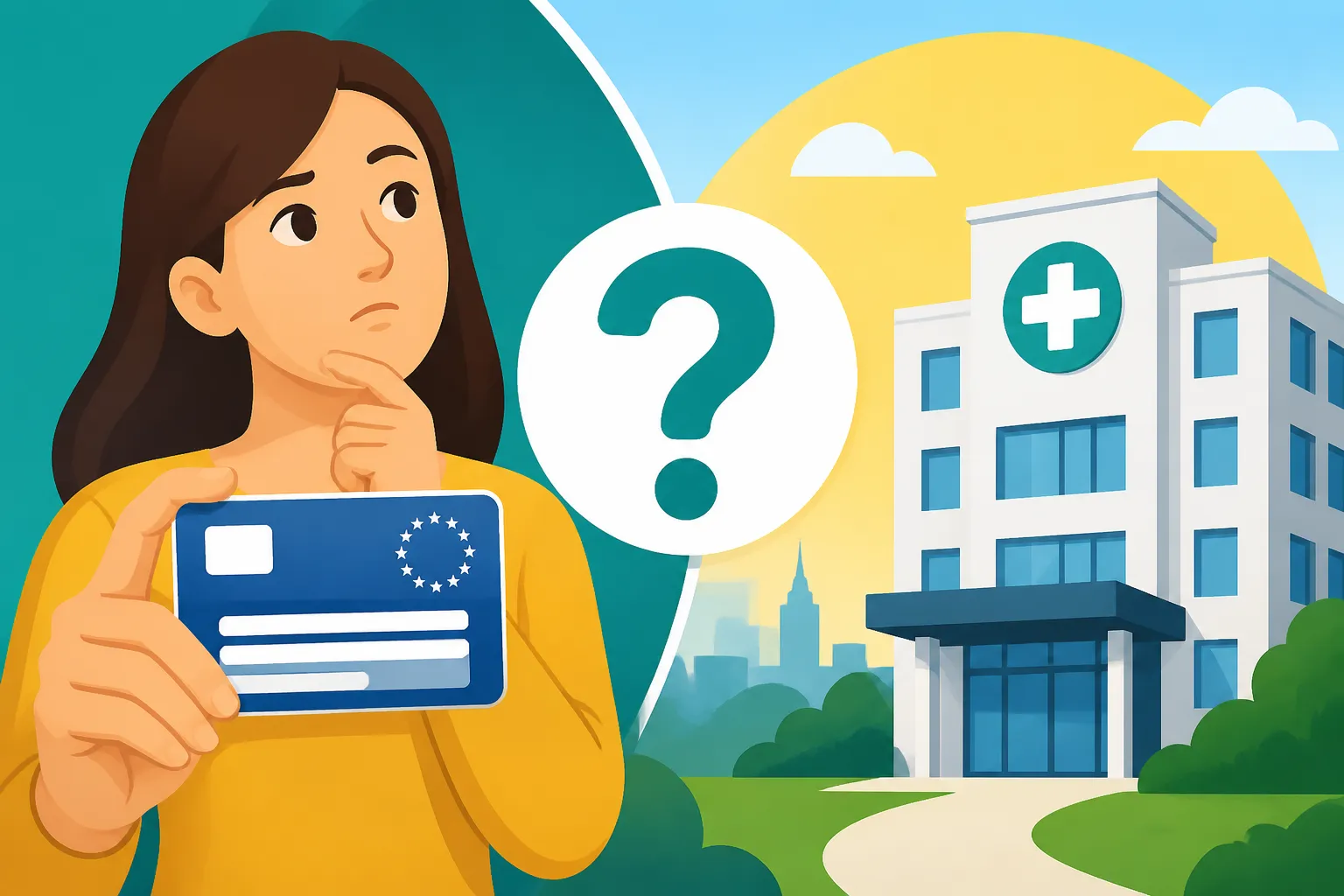
Ending up in a sterile hospital corridor in a foreign country is a universal expat nightmare, especially when you are clutching a German health card and wondering if it will actually be accepted. This guide provides a definitive answer for German residents and travelers, explaining exactly how to use your European Health Insurance Card (EHIC) at a Lithuanian hospital, what costs you might still face, and how to bridge the coverage gaps.
Understanding the Relationship Between German Health Insurance and Lithuanian Hospitals
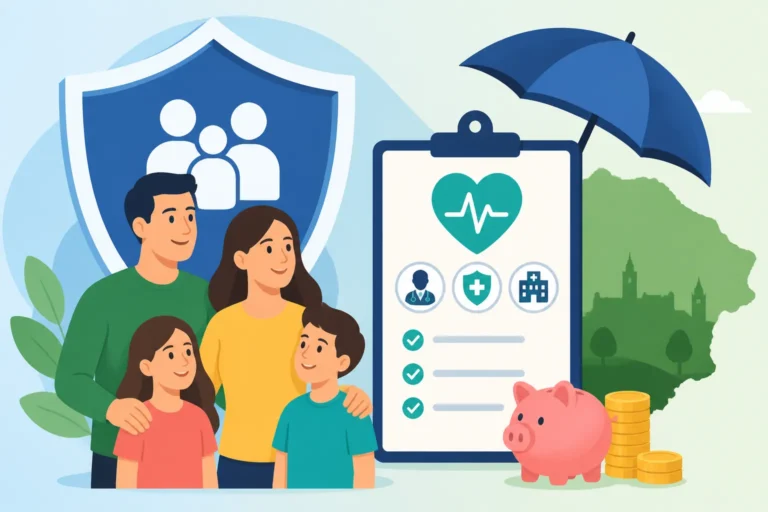
If you are insured with a German provider like AOK, TK, or DAK, you already possess a European Health Insurance Card. It is usually located on the reverse side of your national insurance card. When you cross the border into Lithuania, this piece of plastic becomes your primary lifeline to the state healthcare system. However, the first hurdle many foreigners face is understanding that the EHIC is not a "get out of jail free" card for all medical services. It is strictly designed for necessary, state-provided healthcare during a temporary stay.
The Lithuanian healthcare system is managed by the Territorial Health Insurance Funds, known locally as the VLK. When you present your German EHIC at a public hospital, or ligoninė, the facility treats you under the same conditions and costs as a Lithuanian citizen who pays into the Compulsory Health Insurance Fund (PSD). This means if a local gets it for free, you get it for free. If a local has to pay a co-payment for a specific medication or service, you will likely be asked to do the same. This is a crucial distinction because many expats assume the German system—which is often more comprehensive in terms of elective comfort—will be mirrored perfectly in Vilnius or Kaunas.
The reality on the ground is that while Lithuania’s emergency care is excellent, the administrative process can feel daunting. If you are staying long-term, you might need to look beyond the EHIC. For instance, understanding How to Register for Compulsory Health Insurance (PSD) as a Foreigner in Lithuania is vital if you transition from a visitor to a resident. The EHIC is meant for people who are "temporarily" in the country, such as tourists, posted workers, or students. If you have officially declared your residence, the rules change significantly.
Where Can You Use Your German EHIC in Lithuania
One of the most common mistakes travelers make is walking into a shiny, modern-looking private clinic in the center of Vilnius and expecting to use their EHIC. In Lithuania, there is a sharp divide between the public and private sectors. The EHIC is only valid at healthcare providers that have a contract with the VLK. Most public hospitals (ligoninės) and polyclinics (poliklinikos) fall into this category. If you go to a high-end private medical center, they will likely ask for an upfront payment or private insurance details, regardless of your EHIC status.
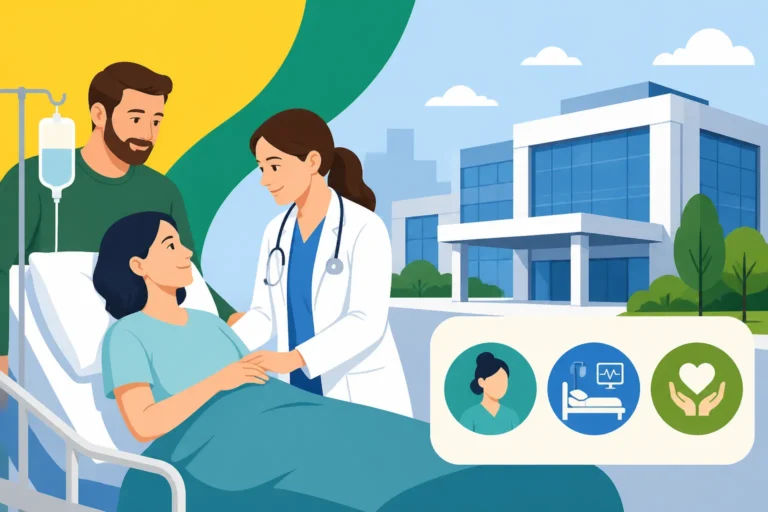
If you are unsure where to go, Understanding the Role of the Polyclinic (Poliklinika) in Lithuania is essential. For non-emergencies, the polyclinic is your first port of call. For true emergencies—accidents, sudden severe illness, or life-threatening conditions—you should head straight to the Skubios pagalbos skyrius (Emergency Room) of a major public hospital like Santaros Klinikos in Vilnius or the Kaunas Clinics.
When you arrive, the staff will ask for your ID and your EHIC. In German insurance culture, we are used to high levels of digitalization, but in Lithuania, having the physical card is still paramount. If you only have a digital scan on your phone, you might face significant pushback from administrative staff. They need to see the expiry date and the specific identification numbers on the back of your German card to log you into their system. If you are living here and have already obtained your local ID, you should also be aware of How to Get Your Asmens Kodas (Personal Code) and Why It Matters for Healthcare as this number is the key to almost all social and medical services in the country.
What is Covered and What is Not
Your German EHIC covers "unplanned" medical treatment. This means if you break your leg while hiking in Curonian Spit or get a sudden infection in Druskininkai, you are covered. However, it does not cover "medical tourism." You cannot travel from Berlin to Vilnius specifically to get a hip replacement or dental implants under the EHIC scheme. The treatment must be something that cannot wait until you return to Germany.
Commonly covered services include:
- Emergency room visits and subsequent hospitalization.
- Consultations with specialists (if referred by a doctor).
- Basic diagnostic tests (blood work, X-rays) required for acute treatment.
- Subsidized prescriptions for acute conditions.
What often surprises Germans is that the EHIC does not cover repatriation. If you are seriously ill and need a specialized medical flight back to Munich or Frankfurt, the EHIC will not pay a single Euro toward that cost. This is where supplemental travel insurance becomes critical. Brands like SafetyWing are frequently used by expats and digital nomads because they cover the "gaps" that the EHIC leaves behind, such as emergency medical evacuation and private clinic visits that aren't strictly "life-saving" but are necessary for comfort.
Furthermore, dental care in the public system is quite limited. While emergency tooth extraction might be covered, more complex work often requires a co-payment. Expats often find themselves debating between the public and private routes. For a deep dive into this choice, see Public vs Private Healthcare in Lithuania: Which Should Expats Choose? to understand the cost-benefit analysis of each.
| Feature | Public Hospital with German EHIC | Private Clinic in Lithuania | Supplemental Insurance (e.g., SafetyWing) |
|---|---|---|---|
| Emergency Surgery | Fully Covered | Out-of-pocket (Expensive) | Covered / Reimbursed |
| English Language | Variable (Lower in smaller towns) | Usually High | Support Hotline Available |
| Wait Times | Can be long for non-urgent | Very short | Depends on clinic choice |
| Medical Evacuation | Not Covered | Not Covered | Typically Covered |
| Prescriptions | Subsidized (State list) | Full Price | Usually Reimbursed |
The Practical Steps of Seeking Care in Vilnius or Kaunas
If you find yourself needing a doctor, the first step is to identify the nearest public facility. If it is an emergency, call 112. The dispatchers usually speak English, and if you are lucky, they might even find someone who speaks German, though English is the safer bet. For more details on this, read Emergency Medical Care in Lithuania: What Every Expat Needs to Know.
Once at the hospital, you will go through a process called "triage." A nurse will assess the urgency of your condition. Be prepared for a wait if your condition is not life-threatening. In the public system, the German EHIC puts you in the same queue as everyone else. This is another reason many travelers carry SafetyWing; it allows them the flexibility to bypass these queues by going to a private facility where they can pay and later seek reimbursement from their insurer.
When dealing with Lithuanian pharmacies, known as vaistinė, your German EHIC might help with discounts on certain medications, but only if they were prescribed using the local electronic system. Understanding the Lithuanian Pharmacy (Vaistinė) System and Opening Hours can save you a lot of frustration when you are looking for a late-night chemist in Klaipėda or Šiauliai.
One frequent point of confusion is the E-Sveikata system. This is the national e-health portal where all your records, prescriptions, and referrals are stored. As a visitor with a German EHIC, you might not be fully integrated into this system immediately, so always ask for paper copies of your medical reports and prescriptions. These "physical" documents are vital if you need to claim further costs back from your German Krankenkasse once you return home. For those staying longer, Understanding the E-Sveikata (E-Health) System in Lithuania is a must-read to navigate the digital side of local care.
Dealing with Language Barriers and Administration
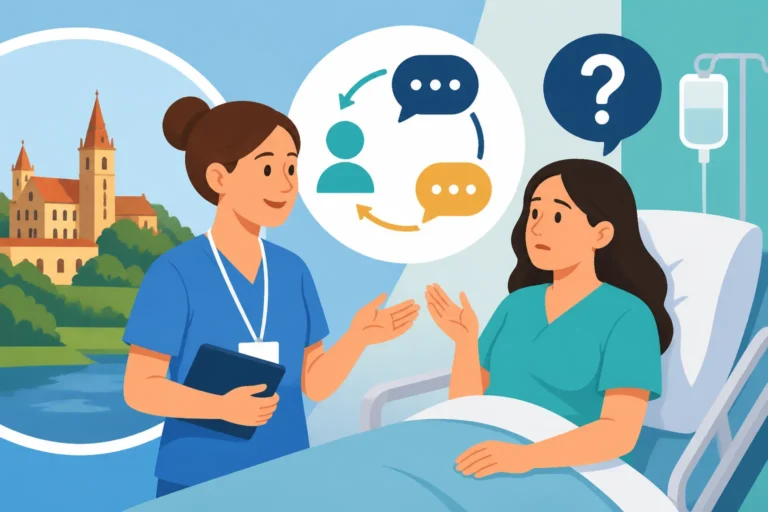
While Lithuania is highly digitized and modern, the administrative staff in public hospitals may not always be fluent in English, and German speakers are even rarer in the medical administrative sector. If you are in a major city like Vilnius, you will likely find younger doctors who speak excellent English. However, the receptionists—the people who actually process your EHIC—might only speak Lithuanian or Russian.
It is helpful to have a few phrases ready or a translation app on your phone. Specifically, you want to ensure they have recorded your EHIC details correctly so the hospital can claim the costs from the German social security system rather than sending a bill to your home address. If you do receive a bill by mistake, don't panic. You can usually resolve this by providing a scan of your EHIC to the hospital's accounting department or the VLK.
For those who are in Lithuania for tourism specifically, it is worth checking Can Tourists Access Emergency Care in Lithuania for Free? to see how different rules apply to short-term versus long-term stays. If you find yourself needing ongoing care, like an inhaler or blood pressure meds, How Do I Use an E-Receptas at a Pharmacy in Lithuania? explains the process of getting those medications dispensed once you have seen a local doctor.
When Your German EHIC Isn't Enough
Many expats in Lithuania have seen people rely solely on their EHIC only to be hit with unexpected costs for things like crutches, specialized casts, or certain laboratory tests that the Lithuanian state doesn't fully subsidize. While the German system is very generous, the Lithuanian public system is leaner. This is why many expats choose to maintain a SafetyWing policy or similar international health coverage even if they have an EHIC. It provides a "cushion" for those out-of-pocket expenses and gives you the freedom to choose English-speaking private doctors without worrying about the bill.
If you are a student or a remote worker, you might stay in Lithuania longer than a standard tourist trip. In these cases, your German insurance might actually expect you to transition to the local system. If you are confused about how the local insurance fund works, How Lithuania's Health Insurance Fund (VLK/PSDF) Works: A Full Overview provides a deep dive into the mechanics of the system.
In summary, the answer to "Can I use my German EHIC?" is a resounding yes, but with caveats. It is your ticket into the public system, but it won't buy you a private room, it won't fly you home in an emergency, and it won't always guarantee a doctor who speaks your language. Pairing it with a flexible plan like SafetyWing ensures that you are covered for the "what-ifs" that a standard government-to-government agreement simply doesn't address.
Important Considerations for Long-Term Visitors
If you are a German citizen planning to stay in Lithuania for more than 90 days, you are technically required to declare your residence. Once you do this, your reliance on the German EHIC should ideally shift to the local PSD system. Many people try to stay on their German insurance as long as possible, but this can lead to complications with the Lithuanian tax authorities (VMI) and the social insurance board (Sodra).
If you are working for a Lithuanian company, your health insurance is automatically deducted from your salary. In this case, you wouldn't use your German EHIC at all; you would use your Lithuanian Asmens Kodas. If you are a freelancer or "digital nomad," the situation is trickier. You might be eligible for Understanding Health Coverage for the Self-Employed in Lithuania which explains how to pay your own contributions to ensure you are fully covered in the public system.
Always remember to keep your German insurance provider informed of your move. If you remain a resident of Germany, your EHIC remains valid for trips to Lithuania. But if you deregister (Abmeldung) from Germany, your German EHIC becomes invalid immediately, and you could find yourself with no coverage at all in the middle of a medical crisis in Vilnius.
Disclaimer
The information provided in this guide is for general informational purposes only and does not constitute legal or professional medical advice. While we strive to keep the information up to date, healthcare regulations in Lithuania and EU-wide insurance policies can change. Always verify your coverage with your specific German insurance provider and the Lithuanian Migration Department or VLK before traveling or relocating. We are not responsible for any costs incurred or medical issues arising from the use of this information.