How Do I Find a Gynaecologist (Ginekologas) in Vilnius?
Finding a gynaecologist in a new country is one of those deeply personal administrative hurdles that can feel incredibly daunting. Between navigating the language barrier and figuring out the difference between a public poliklinika and a private medical centre, it’s easy to feel overwhelmed. This guide breaks down exactly how to find a trusted gynaecologist in Vilnius, ensuring you get the care you need without the typical expat stress.
Understanding the Two-Tiered Healthcare Reality in Vilnius
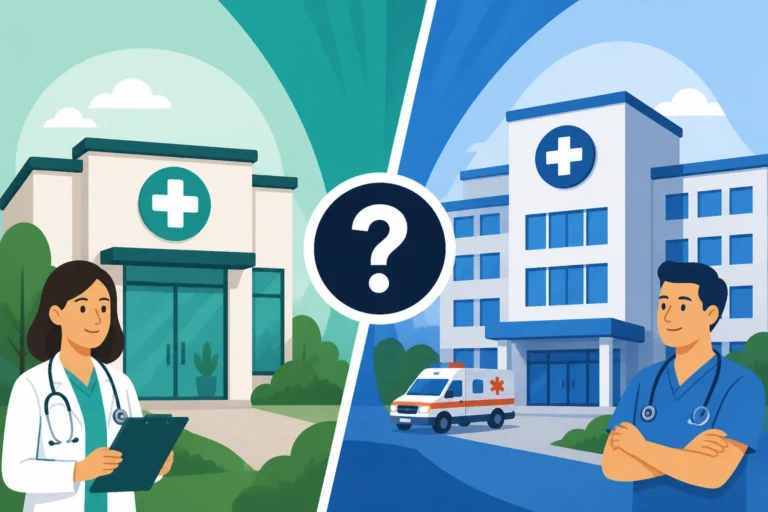
When you first arrive in Vilnius, the healthcare system might look a bit like a split personality. On one hand, you have the public system, which is robust and theoretically free if you are paying into the social insurance fund. On the other, you have a sleek, fast-moving private sector. For something as specific as gynaecological care, the path you choose depends heavily on your residency status and how much you value your time.
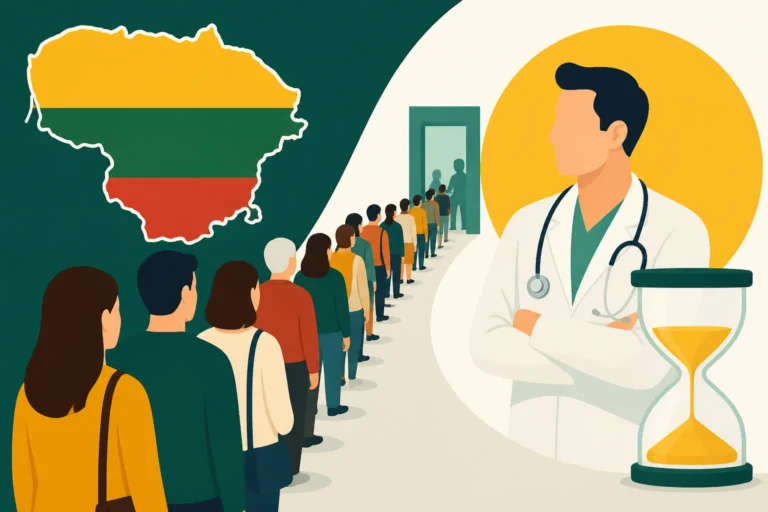
If you are legally employed here, you are likely already contributing to Compulsory Health Insurance (PSD). This gives you access to the local poliklinika. However, as many of us veterans have learned, the public system can be a lesson in patience. It often starts with The Expat Guide to Finding a Family Doctor (Šeimos Gydytojas) in Lithuania. In the public system, your family doctor acts as the gatekeeper. You usually need them to issue a referral, or "siuntimas," before you can see a specialist without paying out of pocket.
The alternative is the private route. Vilnius is home to world-class private clinics where the staff almost certainly speaks English, the décor is modern, and you can often get an appointment within 48 hours. For many expats, this is the preferred route because it bypasses the need for a referral and the potential for "lost in translation" moments at the registration desk. When weighing your options, it is worth reading up on Public vs Private Healthcare in Lithuania: Which Should Expats Choose? to see which aligns better with your budget and needs.
The Public Route: Navigating the Poliklinika
If you decide to go through the public system, the first thing you need to do is register at a polyclinic near your declared place of residence. In Vilnius, popular choices for foreigners include the Centro Poliklinika (located right in the heart of the city) or the Antakalnio Poliklinika. These institutions are massive, serving thousands of residents, and they can feel a bit industrial if you aren't used to them.
Once you are registered, you’ll need to understand How E-Referrals (Siuntimas) Work for Specialists in Lithuania. In many cases, you can actually book a gynaecologist directly in the public system without a referral for routine preventative care, but this varies. The biggest hurdle here is the booking portal. Lithuania uses a centralized system called Sergu.lt (which is being phased into a more modern portal), but much of the interface remains in Lithuanian.
When you walk into a Understanding the Role of the Poliklinika (Poliklinika) in Lithuania, don't expect a lot of hand-holding. You’ll take a ticket from a machine, wait for your number to flash on a screen, and then speak to a receptionist who may or may not speak English. This is where having your documents ready is vital. If you are still waiting for your residence permit and don't yet have your PSD active, having a bridge insurance like SafetyWing can be a lifesaver. SafetyWing is particularly popular among digital nomads in Vilnius who need coverage while they navigate the months-long wait for official residency papers.
The Private Route: Speed, Comfort, and English Fluency
For those who want to avoid the "ticket machine" experience, the private medical sector in Vilnius is exceptional. Clinics like Northway, InMedica, Antėja, and the Baltic American Clinic are the go-to spots for the expat community. Here, the experience is much more akin to a boutique hotel than a sterile hospital.
In a private clinic, you do not need a referral. You simply call or book online, show up, and pay the consultation fee. The doctors in these clinics often have international experience and will speak fluent English. If you’re worried about the financial side, it’s helpful to check The Cost of Healthcare in Lithuania: A Complete Breakdown for Foreigners (2026). Generally, a private gynaecological consultation in Vilnius will set you back anywhere from 50 to 100 EUR, depending on the clinic and the seniority of the doctor.
One of the major benefits of private care is the continuity. You can usually see the same doctor every time, which is vital for long-term reproductive health or Understanding Maternity and Prenatal Care in Lithuania. If you are using a global health plan like SafetyWing, you should check your specific policy details, as many private clinics in Vilnius are accustomed to providing the detailed invoices and medical reports required for insurance reimbursement. This makes the private route not only more comfortable but also administratively simpler for those not yet fully integrated into the Lithuanian social security net.
How to Book Your Appointment: A Step-By-Step Guide
Whether you go public or private, the logistical process remains relatively similar. You will almost always be asked for your "Asmens kodas" (personal code). If you are new to the country, you should read up on How to Get Your Asmens Kodas (Personal Code) and Why It Matters for Healthcare because it is the "master key" to the medical system.
Step 1: Researching the Doctor
Don't just pick the first name you see. Use portals like Manogydytojas.lt. It’s essentially the "Yelp" for doctors in Lithuania. You can filter by specialty (Ginekologas) and city (Vilnius). The most valuable part of this site is the patient reviews. Many expats leave comments specifically mentioning whether the doctor’s English was sufficient or if they felt heard during the consultation. This is also a great way to How to Find an English-Speaking Doctor in Lithuania without having to call ten different reception desks.
Step 2: Checking the E-Sveikata System
Lithuania is highly digitized. Most of your records, prescriptions, and test results will be stored in the Understanding the E-Sveikata (E-Health) System in Lithuania. Even private clinics will usually upload your data here. To log in, you will eventually need a form of e-identification (like Mobile-ID or Smart-ID), which you get once you have your residence permit. Before you have these, the clinic will simply give you paper printouts of your results.
Step 3: Confirming the Costs
If you are going private, always ask for the price of "extras." A consultation fee might be 60 EUR, but an ultrasound or a smear test will be billed on top of that. For those without local state insurance, ensure your private provider, such as SafetyWing, covers the specific type of visit you are planning, especially if it’s for an acute issue rather than a routine check-up.
| Feature | Public Poliklinika | Private Medical Centre |
|---|---|---|
| Cost | Free (with PSD) | 50 – 120+ EUR |
| Wait Time | 2 – 6 weeks | 1 – 5 days |
| English Level | Variable (Lower) | Generally High |
| Referral Needed | Often yes (from GP) | Never |
| Environment | Busy, utilitarian | Modern, quiet |
| Booking | Sergu.lt / E-Sveikata | Clinic website / Phone |
Cultural Nuances and What to Expect During the Visit
Medical culture in Lithuania can sometimes feel a bit more "direct" than what you might be used to in the UK, US, or Western Europe. Doctors here value efficiency. This doesn't mean they aren't empathetic, but they might not spend thirty minutes chatting about your day. They are there to solve a medical query.
It is perfectly acceptable—and highly encouraged—to bring a list of questions in English. Most younger doctors (those under 45) will have no problem switching between Lithuanian and English. If you are seeing an older specialist, they might be more comfortable in Russian or Lithuanian. If your language skills are non-existent, it is always worth confirming "Ar kalbate angliškai?" (Do you speak English?) when booking.
Additionally, remember that the "E-Receptas" (electronic prescription) system is the standard here. You won’t get a slip of paper to take to the pharmacy. Instead, the doctor uploads the prescription to your personal code. You simply walk into any "Vaistinė" (pharmacy), show your ID or residence card, and they pull up your prescription on their screen. It is a seamless process once you are in the system.
For those who are just moving here and haven't yet secured their "Asmens kodas" or registered with a local GP, the transition period is the most vulnerable time. Having SafetyWing during this gap ensures that if you have an urgent gynaecological issue, you can walk into a top-tier clinic like the Baltic American Clinic in Vilnius and know that the financial side is handled. It provides that essential safety net while you're still figuring out how to pronounce the street names in your new neighborhood.
Common Obstacles for Expats in Vilnius
One of the most frequent complaints from newcomers is the "receptionist wall." Even in some private clinics, the front-desk staff may be less fluent in English than the doctors themselves. If you find yourself struggling to communicate over the phone, try using the online booking forms available on most private clinic websites. These usually have English versions and allow you to pick your doctor and time slot without a stressful phone conversation.
Another hurdle is the "declared residence" requirement for public care. In Lithuania, you are tied to a specific polyclinic based on where you have officially declared your home. If you move from Žvėrynas to Užupis, you might need to change your registration to a different clinic to keep things simple. This bureaucratic tethering is why many expats eventually opt for private insurance or maintain a policy like SafetyWing to have the flexibility to see any doctor, anywhere in the city, regardless of where their apartment is located.
Finally, keep in mind that diagnostic tests (like blood work or biopsies) are often done in separate labs within the same building. You might be handed a "siuntimas" for a lab downstairs and then have to return to the doctor a few days later for the results. In the private sector, these results are usually emailed to you or uploaded to a patient portal within 24 to 48 hours.
Navigating Emergency Gynaecological Care
If you find yourself in a situation that cannot wait for a scheduled appointment—such as severe pain or complications—you should know where the emergency rooms are. In Vilnius, the main hospital for obstetric and gynaecological emergencies is the Vilnius University Hospital Santaros Klinikos or the Vilnius City Clinical Hospital in Antakalnis.
In an emergency, the public system is obligated to treat you. However, if you are a non-EU citizen without a residence permit, you will likely be billed for these services afterward. This is another scenario where having active travel or expat insurance is non-negotiable. Whether it’s a standard policy or something more flexible like SafetyWing, having that documentation ready in your phone can save you a massive headache during a medical crisis.
Summary of Actionable Steps
- Check your insurance status: Determine if your PSD is active. If not, ensure you have private coverage.
- Choose your path: Decide if you have the time for the public system or if the speed of a private clinic is worth the cost.
- Use Manogydytojas.lt: Research specific doctors in Vilnius and read the English-language reviews.
- Gather your documents: Have your passport, residence permit (if you have it), and "Asmens kodas" ready.
- Book online: Avoid the language barrier on the phone by using digital booking portals.
- Confirm the language: Double-check that the specific doctor you’ve chosen is comfortable conducting the exam in English.
Vilnius is a city with an incredibly high standard of medical care. Once you get past the initial administrative friction, you’ll find that the gynaecologists here are highly trained, the facilities are top-notch, and the system is more efficient than many of its European counterparts.
Disclaimer
The information provided in this guide is for informational purposes only and does not constitute professional medical or legal advice. Healthcare regulations and costs in Lithuania are subject to change. Always verify the latest requirements with the Migration Department (MIGRIS) or the National Health Insurance Fund (VLK). For medical emergencies, dial 112 immediately.