What Happens to My Health Insurance If I Lose My Job in Lithuania?
Losing your job is a stressful experience no matter where you are, but when you are an expat in Lithuania, that stress is often magnified by the fear of losing your legal right to healthcare. The Lithuanian system is deeply tied to your employment status, and the sudden shift from "insured" to "uninsured" can happen faster than many realize. This guide walks you through the transition, explaining how to maintain your coverage, how to register as unemployed, and what your private options look like during a career gap.
Understanding the Immediate Transition After Employment Ends
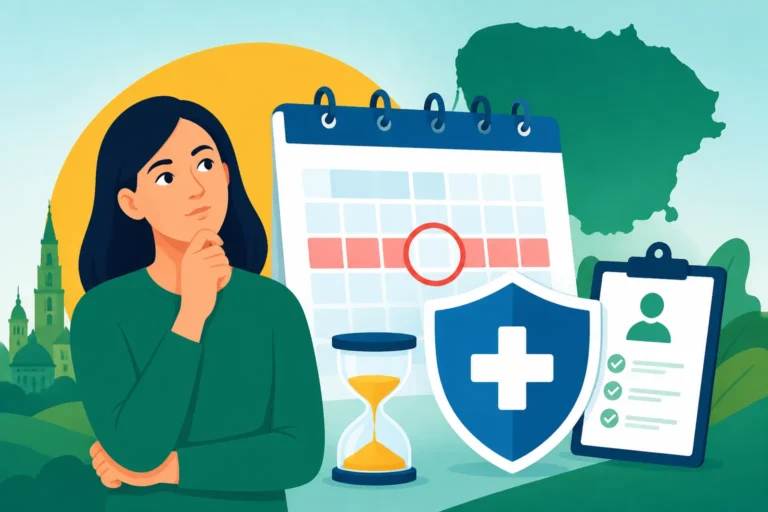
The moment your employment contract is terminated in Lithuania, the flow of contributions to the State Social Insurance Fund, known as Sodra, ceases. For many of us who moved here for a specific role, our health insurance was a "set it and forget it" benefit handled by HR. When that safety net is pulled away, the clock starts ticking. It is a common misconception that you remain covered for the remainder of the calendar month or that there is a long "grace period." In reality, your status in the national database can switch to "uninsured" relatively quickly once your employer files the termination paperwork.
The Realistic Timeline of Coverage Loss
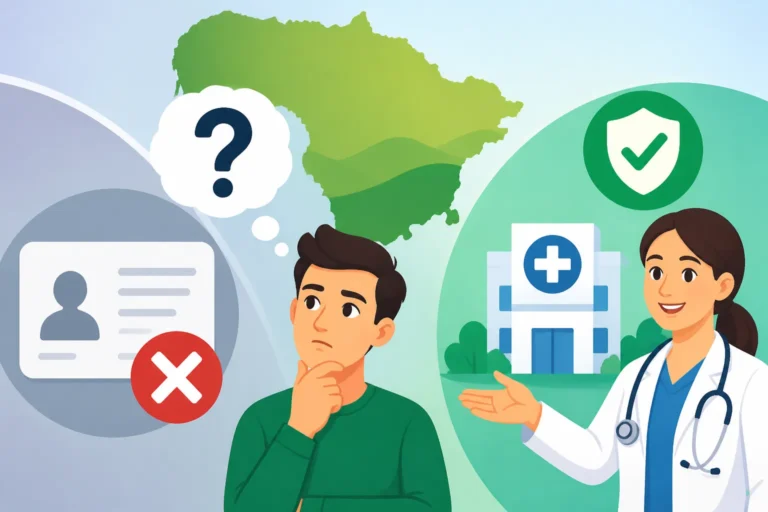
Technically, if you have been working and paying PSD (Compulsory Health Insurance) for a significant period, you don't lose access to emergency care immediately, but the "active" status required for routine visits to your family doctor can vanish. Expats sometimes show up for a scheduled check-up only to be told their insurance is inactive because their previous company processed their departure two days prior. If you find yourself in this situation, the first thing you should do is check your status online. Knowing What Should I Do If My PSD Status Is Inactive in Lithuania? is critical to avoiding a surprise bill at the reception desk.
If you are a non-EU citizen on a work permit, the stakes are even higher. Your residence permit is often tied to your employment. While this guide focuses on health, keep in mind that losing your job may trigger a countdown for your legal stay. During this period, you must ensure that you do not have a gap in health coverage, as having valid insurance is a prerequisite for almost every residence-related process in the country.
Why the Asmens Kodas Remains Your Lifeline
Even without a job, your personal code—the Asmens Kodas—remains the key to the entire medical system. Whether you are using the public system or seeing a private specialist, this number tracks your history and insurance status. If you are new to the country and haven't fully grasped how this number interacts with the medical databases, it’s worth reviewing How to Get Your Asmens Kodas (Personal Code) and Why It Matters for Healthcare to ensure your records remain accessible even while you are between employers.
Without an active employment contract, the system no longer sees an automatic monthly payment associated with your Asmens Kodas. To "re-activate" yourself in the eyes of the State Patients' Fund (VLK), you must choose a new path: either the state covers you because you are officially looking for work, or you start paying the monthly fee out of your own pocket.
Navigating the Lithuanian Health Insurance Fund (VLK/PSDF)
The Compulsory Health Insurance Fund (PSDF) is the backbone of Lithuanian healthcare. When you were employed, your company deducted a percentage of your salary to fund this. Now that you are unemployed, you need to understand How Lithuania's Health Insurance Fund (VLK/PSDF) Works: A Full Overview from the perspective of an individual rather than an employee. The system is designed to be inclusive, but it is not automatic; you have to take action to stay "in the green."
Registering with the Employment Service (Užimtumo Tarnyba)
The most common way for expats to stay insured after a job loss is to register with the Lithuanian Employment Service, or Užimtumo Tarnyba. Once you are officially registered as a job seeker, the state takes over the responsibility of paying your PSD contributions. This is a massive relief for those worried about monthly expenses while interviewing. However, the process involves more than just a quick email. You will likely need to have an interview (often available in English in larger cities like Vilnius or Kaunas) and prove that you are actively seeking employment.
Registering here does more than just provide insurance; it keeps you within the legal framework of the Lithuanian social system. It’s a vital step for anyone who plans to stay in the country long-term and eventually apply for permanent residency. If you are unsure about the specifics of these contributions, reading about Understanding PSD Contributions Through Sodra in Lithuania can help clarify how the state manages these payments on your behalf while you are job hunting.
The "Sodra" Self-Payment Alternative
If you choose not to register with the Employment Service—perhaps because you are taking a sabbatical, starting your own freelance business, or simply don't want to deal with the bureaucracy of the labor office—you must pay the PSD contributions yourself. This is a mandatory requirement for all permanent residents of Lithuania. Failing to pay these monthly fees can lead to a growing debt with Sodra and the suspension of your healthcare rights.
For those taking the self-employment route, the rules change slightly. You might find that Understanding Health Coverage for the Self-Employed in Lithuania offers a better roadmap for your specific situation. The key is consistency; Sodra expects the payment by the end of each month, and even a single missed payment can result in your status being marked as "uninsured" in the national E-Sveikata system.
| Insurance Option | Cost (Approx. 2026) | Best For | Requirement |
|---|---|---|---|
| Employment Service | 0 EUR (State Covered) | Active Job Seekers | Regular check-ins and job search proof |
| Self-Payment (Sodra) | ~64-70 EUR / Month | Sabbaticals / Freelancers | Manual monthly bank transfer |
| SafetyWing | Varies by age | Nomads / Gap Coverage | Private subscription |
| Individual Activity | % of Income | Freelancers / Entrepreneurs | Registration with VMI and Sodra |
Paying PSD Independently via Sodra
If you decide to handle your insurance independently, you will be dealing directly with Sodra. For many expats, this is the first time they have to interact with the Sodra portal manually. It can be intimidating, especially since much of the deeper documentation is in Lithuanian. However, the basic task is simple: you must transfer the fixed monthly PSD amount to one of Sodra’s collection accounts using your Asmens Kodas as the reference.
Managing Monthly Voluntary Contributions
The amount for voluntary PSD contributions is tied to the Minimum Monthly Wage (MMA) in Lithuania. As the MMA increases, so does the cost of health insurance. For many, this is a small price to pay for the peace of mind of having full access to the public polyclinic system. If you are wondering about the exact figures for this year, you should check How Much Is the Monthly PSD Contribution Through Sodra? to ensure you are sending the correct amount. Sending even a few cents less than the required sum can prevent your status from updating to "active."
I often advise friends to set up a standing order in their Lithuanian bank account. This prevents the "uninsured" panic that happens when you forget a payment and then suddenly need an emergency prescription. If you are between jobs and haven't set up your local banking yet, or if you're relying on international accounts, make sure you understand How Do I Pay PSD Contributions Voluntarily in Lithuania? to avoid transaction delays that could leave you uncovered for a few days.
What Happens If You Miss a Payment?
If your PSD status becomes inactive due to non-payment, you are technically responsible for the full cost of any medical services you receive. In the public system, these costs are lower than in some Western countries, but they add up quickly. A simple visit to a specialist could cost 50-100 EUR, and a hospital stay could run into the thousands.
Furthermore, Sodra does not simply "cancel" your insurance if you don't pay; they view it as a debt you owe to the state. When you eventually find a new job or register as self-employed, Sodra will likely deduct the unpaid months from your first paycheck or require a lump-sum payment to clear your record. It is always better to stay on top of these payments or officially register as "departed" from Lithuania if you leave the country entirely.
Protecting Yourself with Private Health Insurance
While the public system is comprehensive, it is famous for its waiting times. When you lose your job, your stress levels are already high; the last thing you want is to wait three months for a specialist appointment because the public system is backlogged. This is where private options and digital-first providers like SafetyWing become incredibly valuable for the expat community.
Bridging the Gap with SafetyWing
During the transition between jobs, many expats find that a traditional Lithuanian private insurance policy is too expensive or requires a year-long commitment. SafetyWing offers a more flexible alternative. It acts as a perfect "bridge" insurance. If you are no longer covered by an employer but haven't yet sorted out your status with the Employment Service, having SafetyWing ensures that you aren't one accident away from financial ruin.
SafetyWing is specifically designed for people who live "between" systems—digital nomads, freelancers, and expats in transition. It provides global coverage (excluding your home country in some cases), which is a huge plus if you decide to take your unemployment period as an opportunity to travel or visit family back home. It takes the "local" pressure off while you navigate the Lithuanian bureaucracy.
When to Consider Private Clinics in Lithuania
Lithuania has an excellent network of private clinics like Kardiolita, Northway, or InMedica. These clinics often have English-speaking staff and offer appointments within days rather than weeks. However, they are not cheap if you are paying entirely out of pocket. Many expats combine their mandatory PSD coverage with a private policy or a flexible plan like SafetyWing to get the best of both worlds: the safety net of the public system for major emergencies and the speed of private clinics for routine issues.
If you are weighing the costs, it is worth looking into Are Private Clinics in Lithuania Worth the Cost? to see if the investment makes sense during your period of unemployment. Sometimes, paying a bit extra for a private consultation can save you weeks of anxiety. When you have a plan like SafetyWing, you often have more leeway in choosing where you receive care, which can be a literal lifesaver when you're navigating a foreign healthcare system without the backing of a corporate HR department.
Practical Steps to Take the Week You Lose Your Job
If you have just received notice or have already finished your last day, don't wait for the system to catch up to you. Bureaucracy in Lithuania moves at its own pace, and being proactive is the only way to ensure continuous coverage. Here is a realistic checklist of what you should do:
- Check your status: Log in to the "Mano Sodra" portal or the E-Sveikata portal to see if you are still listed as insured.
- Contact the Employment Service: Even if you think you'll find a job in two weeks, start the registration process at the Užimtumo Tarnyba. It takes time to process, and it’s better to have it and not need it.
- Secure "Bridge" Insurance: If you are worried about the gap, sign up for a month of SafetyWing. It’s a small price for the security it provides while your local paperwork is in limbo.
- Confirm your Family Doctor: Ensure you are still registered with a clinic. If you need to move to a more affordable polyclinic, read How to Choose and Register with a Family Doctor (Šeimos Gydytojas) in Lithuania to understand your rights as a resident.
Losing a job is a transition, not an end. The Lithuanian healthcare system is actually quite robust for those who are unemployed, provided you follow the rules and keep your paperwork in order. Whether you rely on the state's job seeker insurance or use a private solution like SafetyWing to navigate the gap, the key is to stay informed and stay "active" in the eyes of the law.
Disclaimer
This guide is for informational purposes only and does not constitute legal or professional medical advice. Healthcare regulations and Sodra contribution rates in Lithuania are subject to change. Always consult with the official Lithuanian Migration Department (MIGRIS), Sodra, or the State Patients' Fund (VLK) for the most current information regarding your specific residency and insurance status.