What Medical Documents Should I Bring When Moving to Lithuania?
Moving to a new country like Lithuania is a whirlwind of emotions and logistics, from finding a place to live to figuring out the local public transport. Amidst all the excitement and inevitable stress, one crucial area often gets overlooked: your health. This guide will walk you through exactly what medical documents you should gather before you pack your bags and head to Lithuania, helping you ensure a smooth transition into your new life and access to seamless healthcare from day one.
Why Your Medical Documents are Absolutely Crucial for Life in Lithuania
Let's be honest, dealing with bureaucracy in a new country can be daunting enough without adding medical emergencies or health concerns to the mix. Your medical documents are not just pieces of paper; they are your health history, your roadmap for continuity of care, and often, your ticket to accessing timely and appropriate treatment in Lithuania. Imagine trying to explain a complex medical history or a rare medication in a language that isn't your native tongue, or worse, through a translator who might not grasp all the nuances. Having your records prepared beforehand can save you immense stress, time, and potentially, money.
Bridging the Language Barrier and System Differences
One of the biggest hurdles expats face, particularly when first settling in, is the language barrier. While many medical professionals in larger cities like Vilnius and Kaunas speak English, you can't always count on it, especially outside of private clinics. Your detailed medical history, clearly laid out in English (and ideally, with certified translations for key documents if you have complex conditions), acts as a universal language. It ensures that your new family doctor or specialist in Lithuania understands your past treatments, diagnoses, and any ongoing needs without misinterpretations. This is also important because the Lithuanian healthcare system, while robust, might operate differently from what you're used to, particularly regarding referrals to specialists or prescription protocols.
Ensuring Continuity of Care and Avoiding Unnecessary Tests
When you move, you don't want to start your health journey from scratch. Having a comprehensive record of your vaccinations, past illnesses, surgeries, allergies, and current medications means your new doctor won't have to guess or order redundant tests. This is not only more efficient but also better for your health. For instance, if you have a chronic condition like diabetes or a heart issue, your medical history proves invaluable for your new doctor to continue your care without interruption. They can quickly understand your treatment plan, dosage, and any previous complications, allowing them to focus on managing your health effectively rather than piecing together your past. This really cuts down on the back-and-forth and helps you settle into the rhythm of the local healthcare system, which you can read more about in our guide on Navigating the Lithuanian Healthcare System: An Expat's Roadmap (2027).
Essential Medical Documents to Gather Before You Move
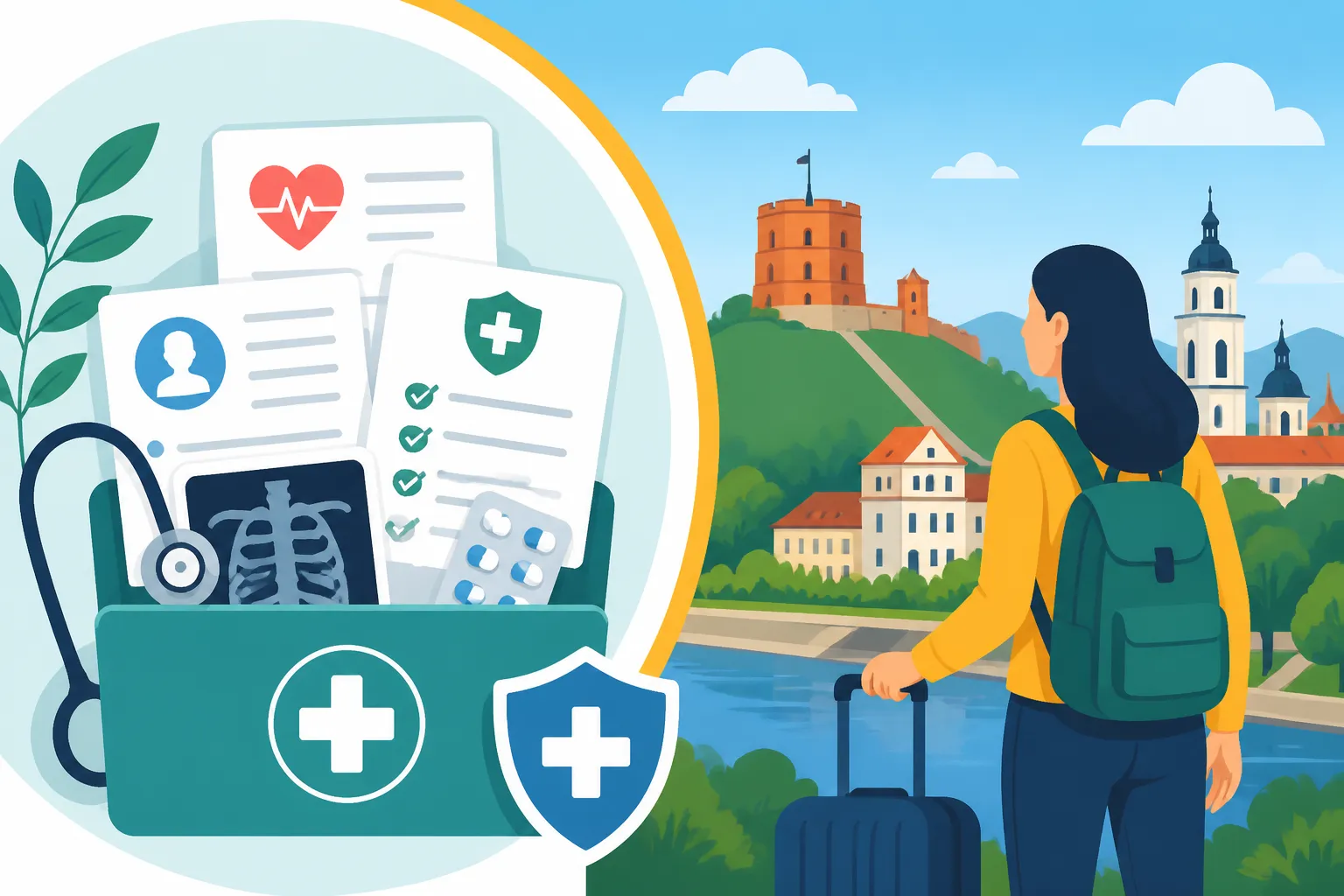
Alright, let's get down to brass tacks. What exactly should you be digging out of your files and making copies of? This list might seem long, but trust me, it’s better to be overprepared when it comes to your health. These documents will be vital when you register with a new doctor, need to fill prescriptions, or in the unfortunate event of an emergency.
Personal Identification and Basic Health Information
First things first, you'll need the basics to even begin the healthcare registration process. This isn't just about showing who you are; it's about connecting you to the system.
- Passport/ID Card & Residence Permit: This goes without saying, but always have copies of your passport or national ID card. Once you arrive, your Lithuanian residence permit will be your primary form of identification for many administrative tasks, including healthcare. Don't forget to also secure your Asmens Kodas (Personal Code), which is absolutely essential for healthcare access. Our detailed guide on How to Get Your Asmens Kodas (Personal Code) and Why It Matters for Healthcare explains why this nine-digit number is crucial.
- Health Insurance Information: Before you even leave, you should have at least travel or international private health insurance. Providers like SafetyWing are excellent for providing flexible, affordable coverage for expats, covering you during the initial moving phase and before your Lithuanian public health insurance (PSD) kicks in. You'll need all your policy details, contact numbers, and membership cards. Even if you're planning on relying on the public system, having private coverage for the first few weeks or months can be a lifesaver. Once you're here and registered for the compulsory health insurance, you'll also need documentation for that, which is covered extensively in How to Register for Compulsory Health Insurance (PSD) as a Foreigner in Lithuania.
- Emergency Contact Information: A simple list of people to contact in case of an emergency, including their relationship to you and phone numbers. Keep this separate but easily accessible with your medical documents.
Comprehensive Medical History
This is the bulk of your preparatory work and arguably the most important. Think of it as your medical autobiography.
- Vaccination Records: This is non-negotiable, especially if you have children. You'll need a full record of all your vaccinations, including childhood immunizations, tetanus, MMR, Hepatitis, and any recent COVID-19 vaccinations. Lithuanian schools and some workplaces may require these, and your new doctor will need to know your status to provide appropriate care or recommend boosters.
- Chronic Conditions and Diagnoses: If you have any ongoing health conditions, whether it's asthma, diabetes, high blood pressure, thyroid issues, or anything else, you need detailed records. This includes:
- Diagnosis reports from specialists.
- Details of your current and past treatment plans.
- Results of recent tests (blood work, imaging, etc.).
- Any notes on how the condition has been managed or progressed over time.
Your family doctor in Lithuania will use this to continue your care effectively.
- Allergies (Medication, Food, Environmental): A clear, concise list of all known allergies is paramount. This should include what you're allergic to and the type of reaction you experience. Consider having this translated and laminated to carry in your wallet.
- Current Medications and Dosages: Make a list of all prescription medications you are currently taking, including the generic and brand names, dosage, frequency, and the reason you are taking them. If you take over-the-counter medications regularly, include those too. Bring a sufficient supply of your prescription medications to last until you can see a local doctor and get new prescriptions issued in Lithuania. Be aware that some medications available in your home country might not be available or might have different brand names or regulations in Lithuania. It's wise to carry a doctor's letter explaining the necessity of your prescriptions, especially for controlled substances.
- Past Surgical Procedures and Hospitalizations: Dates, reasons, and any relevant reports from previous surgeries or significant hospital stays. This helps your new doctor understand your medical timeline.
- Dental and Optical Records: While often overlooked, records of recent dental check-ups, fillings, extractions, and any ongoing orthodontic treatment can be helpful. Similarly, your most recent eye exam prescription, especially if you wear glasses or contacts, is useful to bring. If you need new glasses, you'll find How Do I Get Prescription Glasses in Lithuania? a handy guide later on.
- Women's Health Records: For women, bringing records of recent gynecological exams, pap smears, mammograms, and details of any ongoing contraception or fertility treatments is important. For those planning a family, having a complete history of prenatal care or past pregnancies will be invaluable for Understanding Maternity and Prenatal Care in Lithuania.
- Children's Medical Records: If you're moving with children, their records are doubly important. This includes comprehensive vaccination records, developmental milestones, any childhood illnesses or allergies, and growth charts. This is crucial for registering them with a pediatrician and for school enrolment.
Table of Essential Medical Documents
To make this a bit easier, here’s a quick checklist of the key documents you should prepare:
| Document Category | Specific Documents | Importance |
|---|---|---|
| Personal & Insurance | Passport/ID copies, Residence Permit, Asmens Kodas | Essential for identification and registering with healthcare providers. |
| Health Insurance Policy (travel/private e.g., SafetyWing, or public once eligible) | Proof of coverage, vital for accessing care, reimbursements, and bridging gaps before public insurance. | |
| Emergency Contact List | Quick access to loved ones in critical situations. | |
| Medical History (General) | Vaccination Records (including COVID-19) | Required for school/work, informs new doctor of immunity status. |
| Comprehensive List of Allergies (medication, food, environmental) | Prevents dangerous allergic reactions. | |
| Current Medication List (name, dosage, reason) & Doctor's Letter | Ensures correct continuation of prescriptions and avoids issues at customs for controlled substances. | |
| Specific Conditions | Chronic Condition Diagnoses & Treatment Plans | Crucial for ongoing care management, especially if you have conditions like diabetes, asthma, or heart disease. |
| Specialist Reports (e.g., Cardiology, Dermatology) | Provides detailed insights for new specialists. | |
| Recent Test Results (blood work, imaging, etc.) | Avoids repeat testing, gives a baseline for your health. | |
| Past Surgical/Hospitalization Reports | Offers historical context for your medical profile. | |
| Family & Preventative | Dental Records (recent check-ups, X-rays) | Helps dentists understand your oral health history. |
| Optical Prescriptions (glasses/contacts) & Eye Exam Reports | Important for vision care and getting new prescriptions. | |
| Women's Health Records (pap smears, mammograms, contraception, fertility history) | Ensures continuity of gynecological and reproductive health care. | |
| Children's Records (vaccinations, growth charts, developmental notes, illnesses, allergies) | Absolutely vital for pediatric care and school enrolment, making it easier to find a pediatrician as outlined in How Do I Find a Pediatrician (Vaikų Gydytojas) in Kaunas?. |
Organizing and Storing Your Medical Information for Lithuania
Having all these documents is one thing; making them accessible and secure is another. You don't want to be rummaging through boxes during a health crisis. A little preparation in organizing them now will pay dividends later.
Digital Copies vs. Physical Originals
My advice? Do both. Create a digital folder on a cloud service (like Google Drive, Dropbox, or a secure personal cloud) that is password-protected and easily accessible from anywhere. Scan every single document on the list into clear, well-named PDF files. You can even combine related documents into a single PDF (e.g., "JohnDoe_VaccinationRecords.pdf"). This digital archive is your backup and a convenient way to share information with new doctors via email if needed.
However, don't rely solely on digital. Bring physical copies of the most critical documents. Originals are sometimes required for official registration processes, especially if they are certificates or stamped documents. For other items, clear photocopies are usually sufficient. Keep these physical copies organized in a dedicated binder or folder that's separate from your main moving boxes and easily reachable during your journey and initial setup.
Translation Considerations
For most routine doctor visits, especially in Vilnius or Kaunas, you'll likely find English-speaking medical staff. However, for highly complex medical histories, legal purposes (like disability claims, though hopefully not needed!), or if you end up needing care in a smaller town, certified translations into Lithuanian might be necessary. You don't need to translate everything before you arrive, but consider identifying your absolutely most critical documents (e.g., a diagnosis for a severe chronic illness, a doctor's letter for controlled medication) and getting them translated by a certified translator in your home country before you move, or be prepared to find one in Lithuania.
When it comes to initial travel insurance, like SafetyWing, their documentation is usually multi-lingual, which simplifies things. But for your personal medical history, take proactive steps.
What to Do Once You've Arrived with Your Documents
Okay, you've made it to Lithuania, your boxes are (mostly) unpacked, and your medical documents are neatly organized. Now what? The real work of integrating into the local healthcare system begins.
Registering with a Family Doctor
One of your first priorities should be to How to Choose and Register with a Family Doctor (Šeimos Gydytojas) in Lithuania. This "šeimos gydytojas" (family doctor) will be your gateway to the Lithuanian public healthcare system, including referrals to specialists if needed. When you go for your first appointment, bring your compiled medical documents. They will usually scan the relevant pages for your file in the E-Sveikata system. Your family doctor will appreciate a concise summary of your health history, which your organized documents will provide. They can then upload the relevant information into the national electronic health system, Understanding the E-Sveikata (E-Health) System in Lithuania, ensuring all your healthcare providers have access to your essential data.
Securing Compulsory Health Insurance (PSD)
While your initial travel insurance (like SafetyWing) offers peace of mind upon arrival, as a resident, you'll eventually need to contribute to the Lithuanian Compulsory Health Insurance Fund (PSD). This is handled through Sodra, Lithuania's social insurance fund. Your medical documents won't directly help you register for PSD, but they become critical after you're registered, as they inform the care you receive under this public system. Make sure you understand Registering for Compulsory Health Insurance (PSD) in Lithuania (2027) to get yourself covered as quickly as possible. Don't let yourself be caught in a situation where you might get sick before your PSD registration is complete, as explored in What Happens If I Get Sick Before My PSD Registration Is Complete?. Having a robust private plan like those offered by SafetyWing initially can bridge that gap seamlessly.
Understanding Electronic Prescriptions and Referrals
Once you're integrated, you'll find that Lithuania relies heavily on its electronic health system. This means your family doctor will issue e-prescriptions (e-receptas) and e-referrals (siuntimas) directly into the system. Your comprehensive medical history will help your doctor make informed decisions when issuing these. Knowing your past medications and dosages, for instance, is crucial for renewing prescriptions accurately via the Understanding the Electronic Prescription (E-Receptas) System in Lithuania system. Similarly, understanding How E-Referrals (Siuntimas) Work for Specialists in Lithuania will be much smoother if your doctor has a clear picture of your previous specialist visits.
Taking the time to gather and organize your medical documents before moving to Lithuania might feel like another chore on an already long list, but it's an investment in your peace of mind and well-being. It simplifies your entry into the local healthcare system, ensures you get the right care, and truly makes Lithuania feel more like home, even in those moments when you're not feeling your best.
Disclaimer
The information provided in this guide is for general informational purposes only and does not constitute medical or legal advice. While we strive to keep the information up-to-date and accurate, requirements and procedures in Lithuania can change. Always consult with official Lithuanian government sources, a medical professional, or a legal expert for the most current and specific advice pertaining to your individual situation.