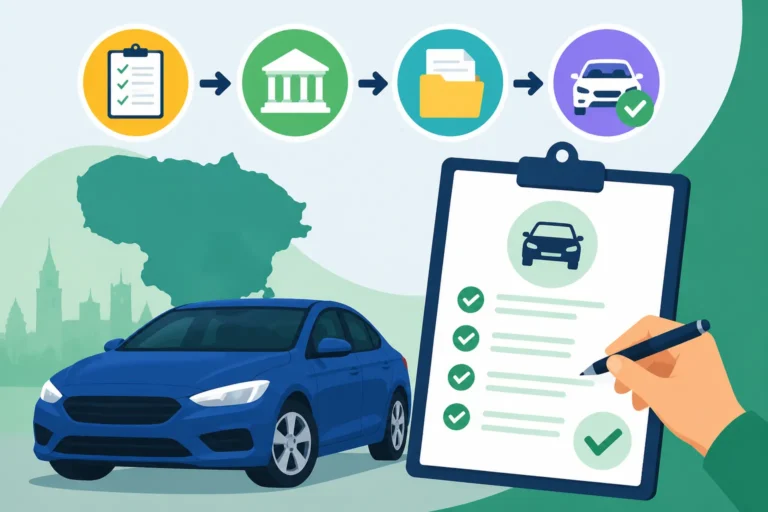
How Do I Buy a Property Through a Notary in Lithuania?
The journey to buying property in a foreign country can feel like navigating a labyrinth, especially when it comes to the legalities. For many expats in Lithuania, the role of the notary public often raises questions, appearing as both a gatekeeper and a crucial guide in what is a significant life decision. This comprehensive guide will walk you through exactly what’s involved in purchasing property via a notary in Lithuania, ensuring you understand each step, the associated costs, and how to successfully navigate this essential process.
The Notary's Pivotal Role in Lithuanian Property Transactions
Let's be honest, in some countries, a notary might just stamp a document and send you on your way. But here in Lithuania, the notaras (notary) is far more than a rubber stamp – they are the absolute cornerstone of property transactions. Without their involvement, your purchase simply isn't legally valid, and understanding why is key to feeling more at ease with the process.
Why Notaries Are Non-Negotiable
In Lithuania, the notary acts as an impartial, state-appointed legal professional who ensures that all property transactions adhere strictly to the law and protect the interests of both the buyer and the seller. It’s not just a formality; it’s a legal requirement enshrined in the Lithuanian Civil Code. Their primary function is to verify the legality of the transaction, prevent fraud, and ensure that both parties fully understand the implications of what they are signing.
Imagine trying to buy a house directly from someone without any oversight. How would you know they truly own it? What if there are hidden debts or claims against the property? The notary eliminates these colossal risks. They delve into the depths of official records, checking against the Registrų Centras, the central register of all real estate in Lithuania. This exhaustive check ensures that the property is free from encumbrances, the seller has the legal right to sell, and you, the buyer, are acquiring a clear title. This isn’t just a convenience; it’s fundamental consumer protection that many expats, accustomed to different systems, often appreciate once they grasp its importance. It's a layer of security that provides immense peace of mind in what could otherwise be a very risky undertaking.
What the Notary Actually Does for You
The notary's role goes far beyond merely witnessing signatures. They are truly the orchestrator of the entire legal transfer of ownership. Here’s a breakdown of their responsibilities:
- Identity and Capacity Verification: First and foremost, the notary verifies the identity of all parties involved using official identification documents (passports, residence permits). They also confirm that everyone has the legal capacity to enter into such an agreement – meaning they are of sound mind and legal age.
- Property Due Diligence: This is where the heavy lifting happens. The notary performs thorough checks with the Registrų Centras to confirm ownership, identify any mortgages, liens, easements, or other legal burdens on the property. They'll also verify that there are no ongoing disputes or restrictions that could affect the sale.
- Drafting and Explaining Agreements: The notary is responsible for drafting both the preliminary purchase agreement (if one is required, often handled or at least reviewed by them) and, most critically, the main purchase agreement. They ensure these documents are legally sound, accurately reflect the agreed terms, and comply with all Lithuanian laws. Crucially for expats, they must explain the content and legal consequences of the agreement in a language you understand, often requiring a certified translator.
- Ensuring Legal Compliance: This involves confirming all necessary permits, consents (e.g., spousal consent if applicable), and waivers are in place. For instance, if you're a non-EU citizen, the notary will ensure your right to purchase specific types of land or property is established, usually through your [Lithuanian Residence Permits] status.
- Facilitating Payment Transfer: While not always direct, the notary often oversees or advises on the secure transfer of funds, sometimes using an escrow account or a bank transfer that is verified during the signing process to ensure both parties fulfill their financial obligations simultaneously.
- Official Registration: Once the main purchase agreement is signed and notarized, the notary is responsible for submitting the necessary documents to the Registrų Centras to officially register the change of ownership. This final step is what legally transfers the property into your name.
Navigating the Notary Process: Step-by-Step for Expats
The thought of dealing with legal documents in a foreign language can be incredibly daunting, but breaking down the notary process into manageable steps will help demystify it. Trust me, it’s not as intimidating once you know what to expect.
The Pre-Notary Preparations: Getting Your Ducks in a Row
Before you even step into the notary's office for the final signing, there’s a significant amount of groundwork to cover. Getting these items sorted early will save you headaches later.
- Finding Your Dream (or at least, suitable) Property: This is the obvious first step! Whether you're sifting through online listings or using a reliable real estate agent, identifying the property you want is paramount.
- Obtaining Your Asmens Kodas (Personal Code): This unique identification number is absolutely crucial for almost every administrative process in Lithuania, including property ownership. You'll need it for everything from the purchase agreement to utility connections. If you don't have one yet, make it a priority. Read our guide on How to Get Your Asmens Kodas (Personal Code) and Why It Matters for Healthcare – it's often a prerequisite for many things here.
- Opening a Lithuanian Bank Account: While not always strictly mandatory if you have an international account, having a local bank account simplifies large transactions, especially if you're getting a mortgage or managing ongoing utility payments. Most Lithuanian banks are accustomed to dealing with expats. Consider reading about The Expat Guide to Opening a Bank Account in Lithuania to get started.
- Securing Financing: If you're planning to take out a mortgage, ensure you have a pre-approval from a Lithuanian bank before committing to a purchase. The bank will have its own set of requirements, which might include property valuation and your financial standing.
- Preliminary Legal Checks (Due Diligence): Even though the notary will conduct their own checks, it’s a wise move to engage your own independent lawyer, especially for complex transactions or if you have specific concerns. They can perform an initial due diligence review, checking for any red flags or unusual clauses.
- Translator/Interpreter Arrangements: Unless you're fluent in Lithuanian, you will need a certified translator present during the signing of the main purchase agreement. This is a legal requirement to ensure you fully understand the document you're signing. Don't rely on a friend, even if they're fluent – it must be a certified professional.
- Gathering Required Documents: This list can vary, but generally includes:
- Valid passport and Lithuanian residence permit (if applicable).
- Asmens Kodas certificate.
- Marriage certificate (if applicable) and spousal consent if the property is to be jointly owned or if local law requires it.
- Proof of funds for the purchase price.
- Previous property deeds (for the seller).
- Any powers of attorney (if someone is acting on your behalf).
- Choosing a Notary: You have the right to choose your own notary. Look for recommendations, and don't hesitate to inquire if they have experience with international clients or if they have English-speaking staff. While you'll still need a certified translator for the official signing, having someone who can communicate with you beforehand makes a world of difference.
The Preliminary Purchase Agreement (Preliminarioji Sutartis)
Once you’ve found your perfect spot and negotiated a price, the next step is often the preliminary purchase agreement. This isn't always notarized, but it’s a crucial document that legally binds both parties to the sale and outlines the conditions for the final transaction.
This agreement typically covers:
- Identities of Buyer and Seller: Basic legal details of who is buying and selling.
- Property Description: A clear description of the property, often including its unique Registrų Centras number.
- Purchase Price: The agreed-upon total cost.
- Deposit (Avansas): This is usually a percentage of the total purchase price (often 10%) paid to the seller to secure the property. It demonstrates your serious intent. Be absolutely clear about the conditions under which this deposit is refundable or forfeitable.
- Key Conditions: Any specific conditions that need to be met before the final sale can proceed, such as obtaining a mortgage or specific permits.
- Deadline for Final Agreement: A date by which the main purchase agreement must be signed.
- Penalty Clauses: What happens if either party backs out of the deal? These clauses protect both sides.
While the preliminary agreement might not always require notary involvement for its validity, having a notary review it, or even drafting it, provides an extra layer of security. This is where clarity, especially regarding the deposit and conditions, is paramount. Many expats find comparing different global moving services during this stage helpful to mentally prepare for the next steps; Sirelo is a great resource for this, allowing you to compare quotes and services once you know your moving date.
The Main Purchase Agreement (Pirkimo-Pardavimo Sutartis)
This is it – the big day! The signing of the main purchase agreement is the official transfer of ownership. It usually takes place at the notary's office.
- Thorough Review (with Translator): Before anything is signed, the notary or your appointed translator will read through the entire main purchase agreement. This is your absolute last chance to ask questions and ensure everything is precisely as you expect. Do not rush this. Understand every clause, every number, and every legal implication.
- Financial Verification: The notary will confirm that the payment arrangements are in place. Often, the full payment (minus the deposit already paid) is transferred at this moment, either directly to the seller's bank account or through an escrow service, with the notary verifying receipt.
- Signing and Sealing: Once all parties are satisfied and the notary has confirmed all legal prerequisites are met, the documents are signed. The notary then affixes their official seal, making the agreement legally binding and enforceable.
- Post-Signing Registration: The notary doesn't just hand you the keys and send you off. Immediately after signing, they are legally obliged to submit the necessary documents to the Registrų Centras to update the public records. This process officially registers you as the new legal owner of the property. You will receive a copy of the notarized agreement, which is your proof of ownership until the Registrų Centras updates are complete and you can obtain a formal extract.
Costs, Challenges, and Crucial Considerations
Buying property is a significant financial undertaking anywhere, and Lithuania is no exception. Beyond the purchase price, there are various costs and potential challenges that expats should be well aware of.
Understanding Notary Fees and Associated Expenses
Notary fees in Lithuania are regulated and generally depend on the transaction value, though there are minimum and maximum thresholds. It's not a flat fee, so budget accordingly.
Here's a breakdown of typical costs you might encounter:
| Expense Category | Description | Estimated Cost (Approx.) |
|---|---|---|
| Notary Fee | For drafting and notarizing the main purchase agreement. Based on property value (usually a percentage, e.g., 0.2% – 0.5% + fixed amount, capped). | €100 – €2,000+ (depending on property value, capped at ~€3,000-€4,000 for high-value properties, but varies by notary) |
| State Fee for Registration | Paid to the Registrų Centras for official registration of new ownership. | €10 – €50 (can be a small percentage of value for complex cases, usually flat for residential) |
| Translator/Interpreter | Mandatory for official signing if you don't understand Lithuanian. Must be certified. | €50 – €150 per hour (expect at least 1-2 hours) |
| Legal Consultation (Optional) | If you engage your own lawyer for due diligence or advice beyond the notary's scope. | €100 – €300+ per hour (varies widely by lawyer and complexity) |
| Property Valuation (if applicable) | Required by banks for mortgage applications. | €150 – €300 |
| Bank Transfer Fees | For transferring the purchase amount. | Varies by bank, usually minimal for large internal transfers |
| Other Small Fees | Minor administrative fees for extracts, copies, etc. | €5 – €20 |
Note: These are approximate costs and can vary. Always confirm exact fees with your chosen notary and other service providers upfront.
It's important to factor these into your overall budget, as they are non-negotiable parts of the purchasing process. For a more exhaustive understanding of all financial implications, delve into The Complete Guide to Property and Transaction Costs in Lithuania (2026).
Common Expat Hurdles and How to Overcome Them
Expats often face unique challenges that locals might not. Acknowledging these hurdles is the first step to overcoming them.
- Language Barriers: This is perhaps the biggest one. As mentioned, a certified translator is legally required for the main agreement. However, dealing with real estate agents, bank officials, or even just understanding the nuances of conversations before the official signing can be tough. Don't be afraid to ask for explanations, use translation apps, or bring a trusted, fluent friend to preliminary meetings. During those initial hectic weeks of house hunting, while you're running between potential properties and notary offices, having reliable mobile data is non-negotiable. Forget fumbling for local SIM cards; a digital eSIM from providers like Airalo can keep you connected from the moment you land, letting you use apps to translate documents or call your agent without a hitch.
- Lack of Understanding of Local Legal Nuances: Legal systems differ significantly. What might be standard practice in your home country might be unheard of here, and vice-versa. For example, the notary's extensive role in property checks might be more comprehensive than you're used to. Do your research, ask questions, and don't assume anything.
- Document Authenticity and Foreign Document Legalization: If you're using documents from your home country (e.g., marriage certificates), they might need to be translated into Lithuanian by a certified translator and, in some cases, apostilled or legalized for use in Lithuania. Always check these requirements well in advance.
- Power of Attorney: If you cannot be physically present for some steps, you might consider granting a power of attorney (įgaliojimas) to a trusted individual or lawyer. This document itself must be notarized and specify precisely what actions the appointed person can take on your behalf.
- Finding an English-Speaking Notary or Lawyer: While notaries are neutral, finding one recommended by other expats who can clearly explain the process in English (even if a certified translator is still needed for signing) can greatly reduce stress. Look for law firms specializing in expat services for initial consultations.
Post-Purchase Steps the Notary Initiates (or Advises)
Once the ink is dry and the notary's seal is in place, you might think the notary's job is done. Not quite! They play a critical role in the immediate aftermath:
- Registration with Registrų Centras: As noted, the notary is responsible for submitting the necessary documents to the Registrų Centras (Lithuanian Real Property Register) to officially register you as the new owner. This process can take a few days, after which you can obtain an official extract or statement confirming your ownership. Knowing how the Understanding the Lithuanian Real Property Register (Registrų Centras) functions is helpful.
- Advising on Utilities and Municipal Services: While the notary doesn't directly transfer utility accounts, they will often advise you on the next steps, such as informing ESO (electricity provider) or local heating/water suppliers of the change in ownership so you can set up accounts in your name. For detailed guidance, check out How to Set Up Electricity (ESO) in Your Lithuanian Home.
- Informing about Taxes: The notary might also remind you of your obligations regarding property taxes, such as the Understanding Real Estate Tax (NTM) for Homeowners in Lithuania. While they don't collect these, they'll ensure you're aware of your responsibilities as a new homeowner.
- Keeping Notarized Copies: You will receive a notarized copy of your purchase agreement. Keep this document safe! It is your primary proof of ownership and crucial for any future transactions or administrative needs.
Once the notary stamp is dry and the property is officially yours, the real fun begins: moving! Navigating international removals can be a beast. Many expats have found relief in comparing removal companies through platforms like Sirelo, which can help streamline the process of getting your belongings from your old home to your new one in Lithuania.
Disclaimer
Please remember that I am a lifestyle blogger and not a legal professional. The information provided in this guide is for general informational purposes only and does not constitute legal, financial, or professional advice. Property laws and administrative procedures in Lithuania can change, and individual circumstances vary. Always consult with a qualified Lithuanian notary, lawyer, and/or financial advisor for advice tailored to your specific situation before making any property decisions.