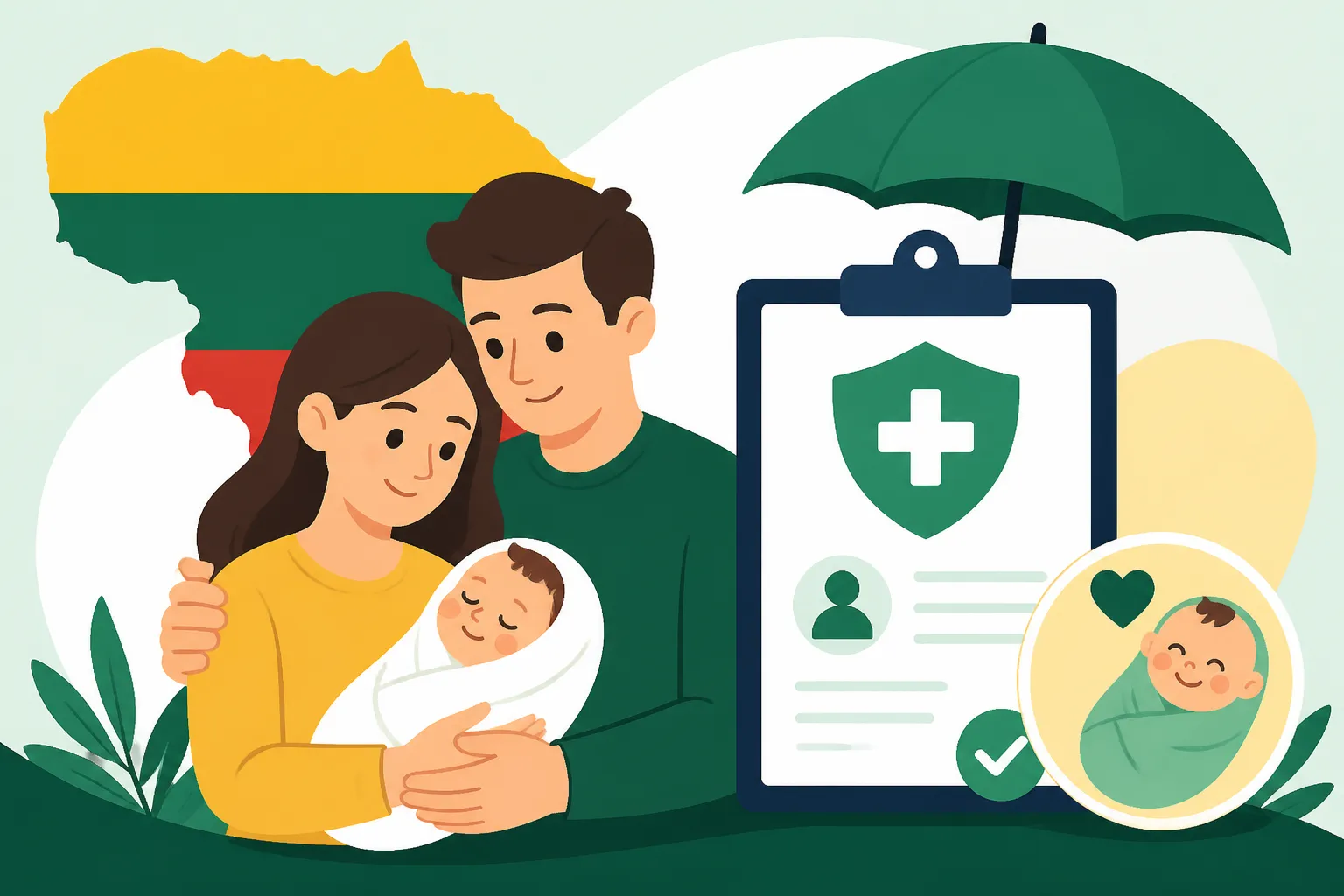
How Do I Register My Newborn for Health Insurance in Lithuania?
Navigating the administrative maze of a new country is daunting, but doing so with a newborn in your arms is a different level of stress entirely. This guide walks you through the essential steps of registering your newborn for health insurance in Lithuania, ensuring your little one has immediate access to the high-quality pediatric care, vaccinations, and emergency services provided by the state.
Understanding the Compulsory Health Insurance System for Newborns
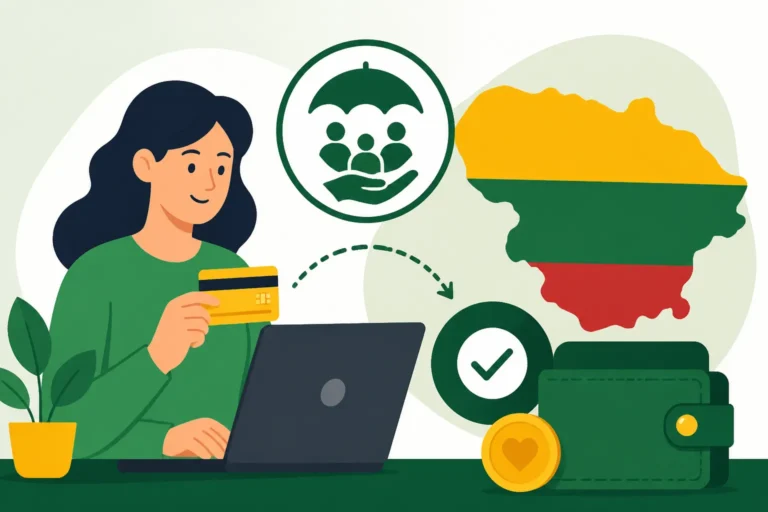
The foundation of healthcare in Lithuania is the Compulsory Health Insurance (PSD) system. For many of us who moved here from countries with purely private systems or entirely tax-funded models, the Lithuanian hybrid can be confusing. Essentially, children under the age of 18 are "state-insured." This means the government pays the premiums for them, regardless of whether their parents are working, self-employed, or even currently unemployed. However, for expats, there is a significant caveat: the child’s right to this state-funded insurance is usually tethered to the residency status of the parents.
If you are an EU citizen or a non-EU citizen with a permanent residence permit, the process is generally smoother. For those on a Temporary Residence Permit (TRP), the state will insure your child as long as you are also covered by PSD through employment, individual activity, or voluntary contributions. Understanding How Lithuania's Health Insurance Fund (VLK/PSDF) Works: A Full Overview is crucial because the Valstybinė ligonių kasa (VLK) is the body that actually manages these funds. They are the silent partner in every doctor visit your baby will have, covering everything from routine check-ups at the local polyclinic to specialized neonatal care if required.
One common frustration for expat parents is the "limbo period" between the birth of the child and the formal issuance of the child’s own residence documents. During this window, you may find that the public system is hesitant to register the child until an Asmens Kodas (personal code) is generated. This is why many veteran expats keep a backup plan like SafetyWing in place during the transition months. While the state system is robust, having a flexible international policy can bridge the gap if you find yourself stuck in a bureaucratic loop between the Migration Department and the Health Insurance Fund.
The Step-by-Step Registration Process
The very first thing you must do after leaving the hospital is register the birth with the Civil Registry (Metrikacijos skyrius). In the past, this required a physical visit and a lot of pointing at Google Translate, but the system is increasingly digital. Once the hospital logs the birth into the electronic system, you need to confirm the registration to receive a birth certificate. This step is vital because it triggers the creation of the child’s Asmens Kodas. You can read more about How to Get Your Asmens Kodas (Personal Code) and Why It Matters for Healthcare to understand how this number acts as the master key for all social and medical services in Lithuania.
Once the personal code is assigned, the child should theoretically appear in the VLK database automatically. However, as many of us have learned the hard way, "automatic" doesn't always mean "instant" for foreigners. You should contact your local VLK office (Territorial Patient Fund or TLK) to verify that the child’s insurance status is "Draustas" (Insured). If you are working for a Lithuanian company, your employer’s social tax contributions generally cover your dependents, but you may still need to submit a specific application for How to Register Family Members for Health Insurance in Lithuania to ensure there are no hiccups when you show up for your first pediatrician appointment.
After the insurance is confirmed, your next priority is choosing a primary care clinic, known as a Poliklinika. Unlike some countries where you are assigned a doctor based strictly on your postcode, in Lithuania, you have the right to choose. You will need to visit the clinic in person to fill out an application form for the baby. This is where you will officially "attach" your child to a Šeimos Gydytojas (Family Doctor) or a Pediatrician. It is highly recommended to do this within the first two weeks of life, as the first home visit or clinic check-up usually happens very early on. If you are still waiting for your residency to be fully processed, a policy from SafetyWing can provide peace of mind, ensuring you can access private pediatricians if the public registration takes longer than expected.
| Document Required | Purpose | Issuing Authority |
|---|---|---|
| Hospital Birth Notification | Proof of birth for civil registration | Maternity Hospital |
| Birth Certificate (Gimimo Liudijimas) | Official identity of the child | Civil Registry (Registrų Centras) |
| Parent's Residence Permit/Passport | To prove the child's right to residency | Migration Department (MIGRIS) |
| Asmens Kodas | Universal ID for healthcare and insurance | Registrų Centras |
| PSD Enrollment Confirmation | Proof of insurance for the clinic | VLK (Patient Fund) |
Navigating E-Sveikata and Pediatric Care
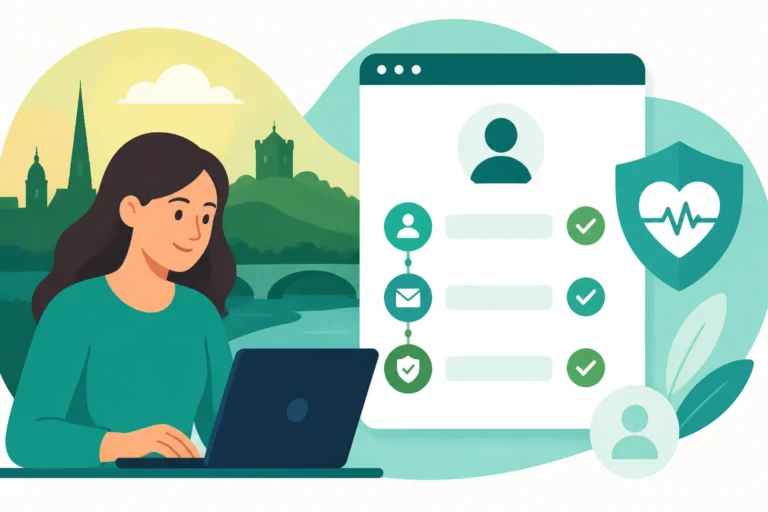
Lithuania has a highly centralized digital health system called E-Sveikata. Every time your baby is weighed, measured, or vaccinated, the data is logged into this portal. As a parent, you can log in using your electronic signature (m-parašas) or via your bank to see your child’s records. Understanding the E-Sveikata (E-Health) System in Lithuania is essential for expat parents because it allows you to track prescriptions (e-receptas) and specialist referrals (siuntimas) without needing to carry physical papers that can easily be lost in the chaos of new parenthood.
In the public system, pediatric care is comprehensive. You will follow a strict schedule of visits: once a month for the first six months, then slightly less frequently. These visits cover physical development, motor skills, and the national vaccination program. If you are concerned about specific shots, it’s worth reviewing Understanding Vaccination Schedules and Requirements in Lithuania to see how they align with your home country's requirements. Most vaccinations are free, though some optional ones, like certain meningitis strains or rotavirus, might require a small co-pay depending on the current state policy.
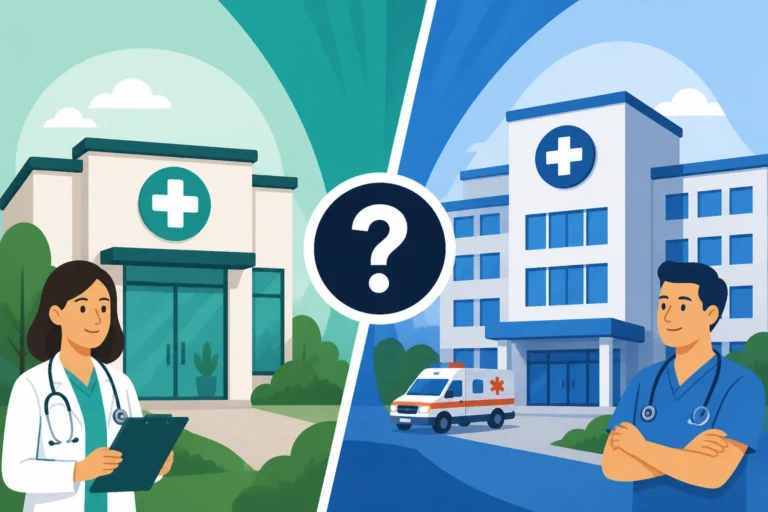
The reality of the public system, however, is that specialized care can have waiting lists. If your pediatrician gives you a referral for a specialist—say, a pediatric neurologist or an ophthalmologist—you might find that the next available "free" slot is two months away. This is where the debate between Public vs Private Healthcare in Lithuania: Which Should Expats Choose? becomes very real. Many expat families choose to stay in the public system for routine care but use private clinics like Northway or the Baltic American Clinic for specialist consultations to save time.
| Service Type | Public (Poliklinika) | Private Clinic |
|---|---|---|
| Routine Check-ups | Free (State Insured) | 50 EUR – 100 EUR |
| Vaccinations | Free (Mandatory List) | Paid (Full price of vaccine + admin) |
| Specialist Wait Times | 2 weeks to 3 months | 1 to 7 days |
| English Proficiency | Varies by doctor | Generally very high |
| Digital Integration | Full E-Sveikata sync | Partial or proprietary systems |
Practical Administrative Hurdles for Foreign Parents
One of the biggest hurdles for non-EU parents is the requirement for the baby to have their own residence permit. While the child is technically "insured" by the state from birth if the parents are insured, the Migration Department (MIGRIS) still requires a formal application for the child’s TRP. This often involves providing a translated and apostilled marriage certificate, which can be a nightmare to arrange while dealing with a newborn. If you are struggling with the initial move, reviewing How Do I Register for PSD After Moving to Vilnius? might give you a better sense of the timeline you are working against.
Another common issue is the language barrier at the local polyclinics. While many younger doctors speak excellent English, the registration desk staff (registratūra) often do not. It is incredibly helpful to have a Lithuanian-speaking friend help you with the initial paperwork, or to use the web-translation features on the clinic's website. If you find the public system too difficult to navigate due to the language gap, How to Choose and Register with a Family Doctor (Šeimos Gydytojas) in Lithuania provides tips on finding clinics that are more "expat-friendly."
Finally, don't forget that your insurance status is not static. If you lose your job or change your "Individual Activity" status, your child’s coverage could be affected. Always keep an eye on your Sodra account to ensure your contributions are up to date. For those who travel frequently or have family outside of Lithuania, remember that the Lithuanian PSD only covers you within the country (and emergency care in the EU via the EHIC). For international coverage that follows you across borders, SafetyWing is a popular choice for digital nomads and expat families who need more than just local state insurance. It ensures that if you take the baby to see grandparents in the US or Asia, you aren't left footing a massive bill for a simple ear infection or fever.
Beyond the basics, you should also be aware of What Health Services Are Free for Children in Lithuania? as this includes dental check-ups and certain psychological services as the child grows. The goal is to get the paperwork out of the way as fast as possible so you can focus on the much more important task of bonding with your new family member in your new home.
Disclaimer
This guide is provided for informational purposes only and does not constitute legal or professional medical advice. Healthcare regulations and immigration laws in Lithuania are subject to frequent change. Always verify the latest requirements with the Valstybinė ligonių kasa (VLK), the Migration Department (MIGRIS), or your healthcare provider. The author is a resident expat sharing personal experiences and research, not an official representative of the Lithuanian government.