How to Set Up Home Internet and TV in Lithuania
Moving to a new country like Lithuania is a rollercoaster of emotions – excitement, discovery, and, let's be honest, a fair bit of bureaucratic head-scratching. One of the first things you probably crave after finding your new pad is a stable internet connection. Whether it's to tell your family you've arrived safely, stream your favorite show, or simply understand how to pay your komunaliniai mokesčiai (utility bills), reliable internet and TV are non-negotiable for modern expat life. This guide will walk you through the sometimes bewildering process of getting connected in Lithuania, from choosing a provider to understanding your monthly statements, so you can stop stressing and start streaming.
Understanding Lithuania's Internet and TV Landscape
Navigating the local telecommunications scene can feel like learning a new language itself. Thankfully, Lithuania has a pretty robust infrastructure, especially when it comes to internet. But knowing who the main players are and what kind of connections are available is half the battle.
Major Providers and Their Offerings
When you first start looking, you'll quickly encounter a few names dominating the market. Telia is arguably the biggest and most comprehensive provider in Lithuania. They offer everything from super-fast fiber internet to mobile plans and TV packages, often bundled together for convenience. Think of them as the one-stop shop for all your communication needs. They have a vast network, so there's a good chance they'll be able to serve your address, even outside the major cities. Their customer service often has English-speaking staff, which is a huge relief when you're trying to figure out the intricacies of a new contract.
Then there's Bitė, which started primarily as a mobile operator but has significantly expanded its home internet offerings, particularly in the fiber optic sector. While they might still be best known for their mobile services, don't discount their home internet prowess. They're often competitive, especially if you're looking to bundle your mobile plan with your home internet. For those seeking more localized options, Cgates is a prominent player, particularly strong in providing cable internet and TV services in certain urban areas like Vilnius and Kaunas. They might not have the same national reach as Telia, but where they operate, they offer reliable service and often have compelling TV channel lineups. And let's not forget Balticum, another regional provider with a strong presence in Klaipėda and parts of Western Lithuania, also specializing in cable internet and TV. Beyond these giants, many smaller, local fiber providers exist, especially in newer residential areas or specific neighborhoods, offering hyper-local, high-speed connections that might be worth investigating if you live in a specific building or micro-district.
Types of Internet Connections Available
Lithuania prides itself on its internet speed, largely thanks to its widespread fiber optic network.
Fibre optic (Šviesolaidis) is definitely the king here. If you can get it, get it. This technology delivers internet directly to your home via fiber optic cables, providing incredibly fast download and upload speeds, low latency, and superb reliability. It's perfect for demanding tasks like 4K streaming, online gaming, video conferencing for remote work, and homes with multiple users and devices. Most new buildings and many renovated older ones in cities like Vilnius, Kaunas, and Klaipėda are wired for fiber, making it the go-to choice.
While fiber is dominant, you might still encounter DSL/ADSL in some older or more rural areas. This uses traditional copper telephone lines, and while it's reliable for basic browsing and email, it's significantly slower than fiber. It's becoming increasingly rare for new installations, but if you're in a very remote location, it might still be an option.
For flexibility, mobile internet (4G/5G) is a fantastic temporary or supplemental solution. All major mobile operators (Telia, Bitė, Tele2) offer mobile data plans that can be used via your smartphone's hotspot feature or a dedicated mobile Wi-Fi router (often called a MiFi device). This is a lifesaver when you first arrive and don't have home internet set up yet, or if you live in an area where fixed-line options are limited. You can also use services like Airalo to get an eSIM for immediate mobile data access upon arrival, which helps bridge the gap before you set up home internet. Many providers also offer home internet solutions that use 4G/5G networks, where a special router is installed in your home to receive a mobile signal, converting it into Wi-Fi. This is a great alternative for fast deployment or in areas without fiber.
Finally, cable internet is another common type, primarily offered by providers like Cgates. This hybrid fiber-coaxial technology uses a mix of fiber optic and coaxial cables. It's generally faster and more reliable than DSL and can be a good option if fiber isn't available but you still need solid speeds for streaming and general use.
TV Options for Expats
Once your internet is sorted, thinking about TV is the next step.
Traditional cable/IPTV packages are the most common route, offered by the same major providers like Telia and Cgates. These packages typically include a wide array of channels, often categorized into different bundles (basic, sports, movies, international). When looking at these, pay attention to the language options – many packages will include channels in English, Russian, and of course, Lithuanian. Providers usually offer set-top boxes that allow for features like catch-up TV, recording, and on-demand content.
While less common for a full home setup, satellite TV does exist, particularly for those looking for very specific international channels not offered by local providers. However, this often involves installing a satellite dish, which might not be possible in all rental agreements or apartment buildings, and generally incurs higher setup costs.
For most expats, streaming services and smart TV apps are often the easiest and most familiar way to get their entertainment fix. Platforms like Netflix, HBO Max, and Amazon Prime Video are widely available in Lithuania and offer content in multiple languages, including English. Beyond global giants, local streaming services like Go3 and LNK Go are popular, offering a mix of Lithuanian and international content, often with English subtitle options for foreign films and series. Many modern TVs are "smart TVs" with built-in apps, meaning all you need is a solid internet connection to access a world of entertainment without a separate TV package. If you’re already subscribed to these services from back home, you might just need a good internet connection and perhaps a VPN to access region-specific content libraries.
The Nitty-Gritty: Documents and Initial Steps
Alright, so you know who offers what. Now comes the fun part: actually getting it. This is where the initial administrative hurdles of expat life in Lithuania often appear. Don't worry, a little preparation goes a long way.
Essential Documentation for Signing a Contract
Before you even think about calling a provider, gather your documents. This is Lithuania, after all, and paperwork is simply a part of the process.
First and foremost, you will almost certainly need your Asmens Kodas, your Lithuanian personal identification code. This is absolutely vital for almost any official transaction here, from opening a bank account to getting healthcare, and signing utility contracts is no exception. Without it, you might find providers hesitant to offer you a long-term contract. If you haven't sorted this out yet, it should be a top priority. You can find detailed information on How to Get Your Asmens Kodas Personal Code and Why It Matters for Healthcare.
Equally important is proof of address. Providers need to verify where they are installing the service and that you legally reside there. This usually means a Gyvenamosios Vietos Deklaracija (Declaration of Place of Residence) or a Registrų Centras pažyma (certificate from the Centre of Registers). This document confirms your officially registered address in Lithuania. Landlords often require you to declare your residence, and it's a critical step for many aspects of settling in. You can learn more about this process in Declaring Your Place of Residence in Lithuania The Complete Guide and How to Get Proof of Address Pažyma from Registrų Centras in Lithuania.
You'll also need your passport or national ID card, and if you're a non-EU citizen, your residence permit (Leidimas Gyventi) or national (D) visa. These documents confirm your legal status and identity in the country. Many providers will also ask for your employment contract as proof of stable income, especially for longer-term contracts. This helps them assess your ability to pay monthly bills, which, while sometimes frustrating, is a standard practice to mitigate risk for service providers.
Finally, having Lithuanian bank account details is usually required for setting up direct debit payments, which is the most common and convenient way to pay your monthly internet and TV bills. If you haven't opened one yet, prioritize that as well.
Navigating the Language Barrier and Customer Service
Let's be real: while English is increasingly spoken, especially among younger generations and in Vilnius, you will encounter situations where Lithuanian is the only language spoken. This can make setting up services incredibly frustrating. My advice? Patience, a good translation app, and a sense of humor.
Many major providers like Telia and Bitė do offer English-speaking customer service, particularly through their main call centers or in their larger physical stores in cities like Vilnius and Kaunas. It’s always worth asking, "Ar kalbate angliškai?" (Do you speak English?) or simply initiating the conversation in English. However, sometimes the English support might not be available immediately, or the representative might not be as proficient. If you’re struggling, consider bringing a Lithuanian-speaking friend or colleague with you to a physical store, or asking them to help with a phone call. Sometimes, having that local touch can cut through a lot of confusion.
Online portals and mobile apps provided by the service providers can also be a double-edged sword. While they offer convenience for managing your account, checking usage, and paying bills, they might not always be fully translated into English. This is where those translation tools come in handy again. Take your time, cross-reference, and if in doubt, contact customer service directly – even if it means trying a few times to get an English speaker. Many general services for expats, like those offered by Sirelo, can also provide advice on general relocation challenges, including communication.
Checking Availability and Coverage at Your Address
This is a critical step that many overlook, leading to disappointment later. Just because a provider offers fiber internet doesn't mean it's available at your specific apartment.
It is crucial to check what type of connection and which providers actually serve your exact address before you get your heart set on a specific package. Fiber optic networks are extensive but not universally available in every single building, especially older ones outside city centers.
The easiest way to do this is to use the online availability checkers on the websites of Telia, Bitė, Cgates, and other providers. You simply enter your address, and their systems will tell you what services are available. Be as precise as possible with your address, including apartment number.
Don't hesitate to ask your landlord or neighbors. They are a goldmine of local information. They'll know which providers serve the building, what speeds are generally achieved, and perhaps even recommend the best packages. Often, apartment buildings have pre-existing agreements or wiring from certain providers, making installation much smoother if you go with them. For example, if your landlord tells you "Telia jau įvesta" (Telia is already installed), it means the fiber cable is already there, and activation might be a simple plug-and-play with a technician visit. Remember, gathering information about your utilities and living costs is part of the broader process of The Expat Guide to Setting Up Utilities in Lithuania and understanding your overall How Do I Understand My Komunaliniai Mokesčiai Utility Bills in Lithuania?.
Choosing the Right Package: Internet, TV, and Bundles
With the groundwork laid, it's time to sift through the myriad of options and pick what truly suits your lifestyle. This isn't just about speed; it's about value, content, and flexibility.
Assessing Your Internet Needs
Before you blindly pick the fastest, most expensive package, take a moment to honestly evaluate what you really need.
First, consider your speed requirements. Are you a solo expat who just checks emails and browses news? A basic speed package might be perfectly adequate. Are you a remote worker who relies on constant video calls and cloud uploads? Or a keen online gamer? Then you'll want to prioritize higher upload and download speeds, typically 500 Mbps or 1 Gbps fiber. If you're a family with multiple people streaming, gaming, and working simultaneously, robust fiber optic internet is almost certainly the way to go to avoid frustrating buffering and slowdowns. For instance, a 300 Mbps connection is generally sufficient for streaming 4K content on one device, but if you have two 4K streams and someone on a video call, you'll feel the pinch unless you upgrade.
Next, think about data limits. For fixed home internet plans, especially fiber, unlimited data is standard in Lithuania. So, you generally won't have to worry about hitting a cap or incurring extra charges, no matter how much you stream. However, if you're relying on a mobile internet solution (like a 4G/5G home router or a mobile hotspot), then data limits become a very real concern. Mobile plans often have data caps, and exceeding them can lead to throttled speeds or expensive overage charges. Always clarify if a plan is truly unlimited or if there's a fair usage policy that could impact your experience.
Finally, consider the router and equipment. Most providers will offer to rent you a Wi-Fi router as part of your package, often included in the monthly fee. These are generally adequate, but sometimes the provided routers aren't the most powerful, especially for larger apartments or homes with thick walls. You might consider purchasing your own high-quality router if you experience Wi-Fi dead zones, or inquire if the provider offers premium router options. Always ensure the router supports the speeds you're paying for.
Deciphering TV Packages and Channel Options
Choosing a TV package can be more complex than internet, mainly because of the vast number of channels and language considerations.
Start by looking at the number of channels offered and, crucially, the language options. If you're an English speaker, you'll want to ensure the package includes international channels you recognize, whether it's news (BBC, CNN), entertainment (Discovery, National Geographic), or movies. Many Lithuanian providers also offer packages with Russian-language channels, which can be a plus for some expats. Don't be shy about asking for a full channel list in English, if available, or using a translation tool to decipher the Lithuanian names.
Beyond live channels, look into features like catch-up TV, recording, and on-demand services. These allow you to watch programs you missed, record live broadcasts, or access a library of movies and series at your convenience. Providers like Telia often integrate these services directly into their set-top boxes and apps, enhancing the overall viewing experience.
One of the best ways to save money is by exploring bundling discounts. Providers want to keep you as a loyal customer, so they'll often offer significant savings if you combine internet, TV, and even mobile phone services into one package. For instance, if you're already considering How to Set Up a Mobile Plan with Telia or Bitė in Lithuania, it makes sense to see what discounts Telia or Bitė offer for combining that with your home internet and TV. It streamlines your billing and often provides a better overall price than separate contracts.
Contract Lengths and Termination Policies
Nobody wants to be tied down to a contract that doesn't work for them, so understanding the terms is key.
Most internet and TV providers in Lithuania offer contracts for typical periods of 12 or 24 months. While shorter-term options (like month-to-month) might exist, they are usually more expensive per month and less common for fixed-line services. It’s important to know the duration you're committing to, especially if your stay in Lithuania might be shorter or uncertain.
Crucially, read the fine print about early termination fees before you sign anything. If you need to cancel your contract before the agreed-upon period ends, providers will often charge a fee. This fee can vary significantly but is usually calculated based on the remaining months of your contract or a fixed penalty. Make sure you understand this clause – it could be a costly surprise if you have to leave Lithuania unexpectedly.
Finally, consider the transferability of services if you move houses within Lithuania. If you decide to move to a new apartment in the same city, or even a different city, can you transfer your existing contract to your new address? Most providers allow this, but there might be a small administrative fee, and of course, the service needs to be available at your new location. This flexibility can be a major advantage, saving you from having to sign a brand-new contract and potentially incurring termination fees from your old one. Remember, the lease agreement for your new apartment (as discussed in The Complete Guide to Renting an Apartment in Lithuania) often dictates what internet infrastructure is already present.
Installation and Activation: Getting Connected
You’ve chosen your provider, signed the contract, and now it’s time for the moment of truth: getting everything up and running. This phase often requires a bit of coordination, especially if a technician needs to visit.
The Installation Appointment
Once your contract is signed, the provider will usually schedule an installation appointment.
Scheduling and waiting times can vary. In major cities, you might be able to get an appointment within a few days to a week. In more remote areas or during peak times (like the start of a new academic year), it could take longer. The provider will give you an estimated date and time window. It’s important to be present during this window, or have someone you trust there, as technicians usually need access to your apartment to complete the installation. Don't be surprised if the window is several hours; it's a common practice.
Before the technician arrives, do a little bit of preparation in your apartment. Ensure that the areas where cables might need to be run, or where the router will be placed (usually near a power outlet and a main incoming line), are clear and accessible. Move any furniture that might be in the way. If you live in an apartment building, sometimes technicians need access to a utility closet in a common area, so be prepared to help facilitate that if necessary, perhaps by communicating with your landlord or building manager.
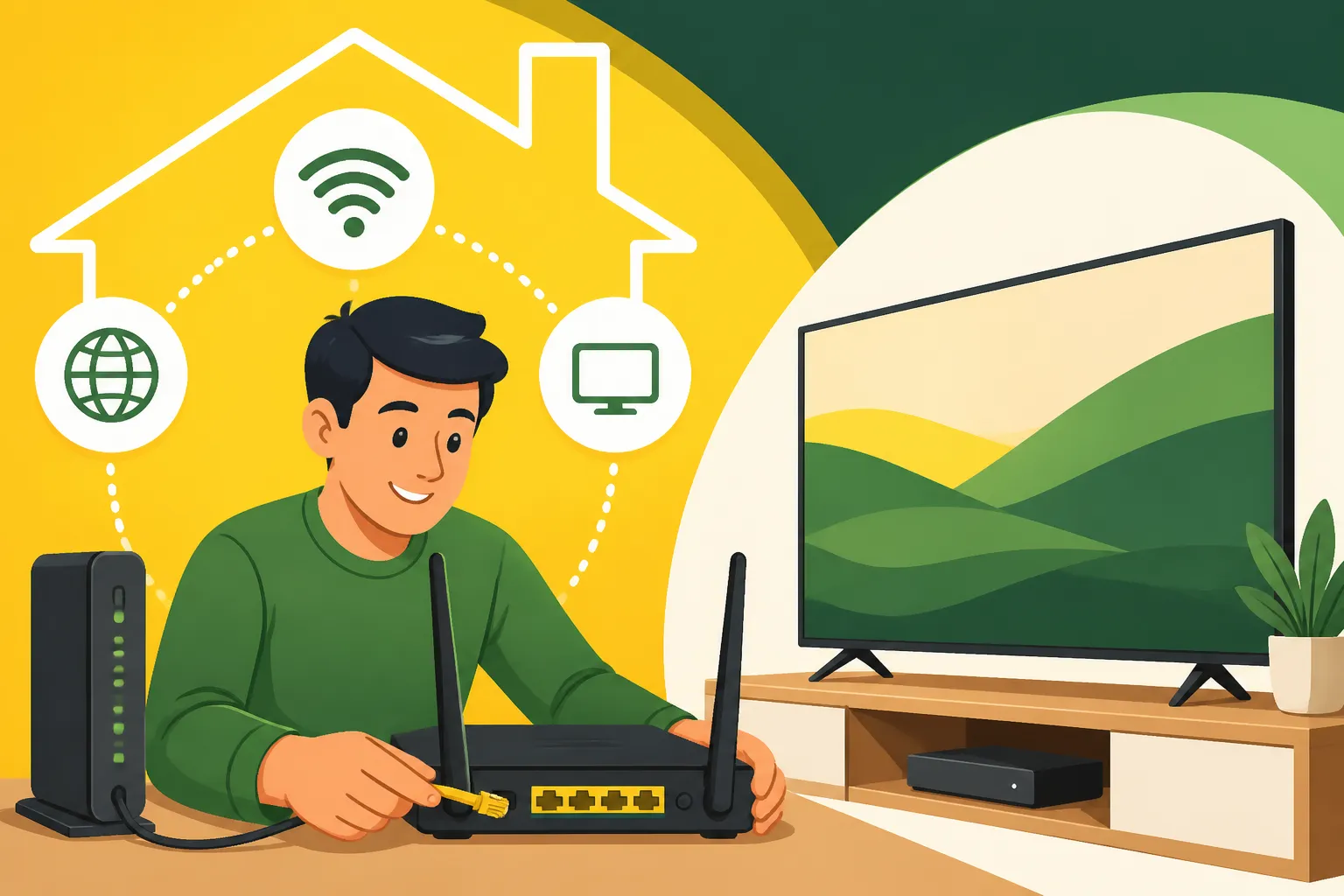
The installation process itself typically involves the technician running any necessary cables (if it's a new fiber installation, for example), setting up the router, connecting it to the incoming line, and configuring the Wi-Fi. They will usually test the connection on their equipment and might even help you connect one of your devices to ensure everything is working. Don't hesitate to ask questions during this process, even if there's a slight language barrier. They're there to make sure you're connected.
Self-Installation vs. Professional Help
Sometimes, you might have a choice between doing it yourself or opting for professional installation.
Self-installation is typically possible for certain scenarios. If you're using a mobile internet router (a MiFi device or a 4G/5G home router), it's usually just a matter of plugging it in, inserting the SIM card, and following a few simple instructions – a true plug-and-play experience. If your apartment already has existing wiring for a specific provider, and you're just reactivating a service or signing up for a new contract with the same infrastructure, you might just receive the equipment by mail and activate it yourself online. This is quicker and avoids waiting for a technician.
However, the benefits of professional installation often outweigh the DIY approach, especially for fixed-line services like fiber or cable. A professional technician ensures that everything is set up correctly, optimizing signal strength and placement of equipment. They can troubleshoot any unforeseen issues with the building's wiring, activate the service on their end, and confirm that your speeds match your package. This reduces the headache and ensures a high-quality, reliable connection from day one. They also bring all the necessary tools and equipment, saving you any trips to the store.
There are, of course, costs associated with installation. Some providers offer free installation as a promotional incentive, especially for longer contracts. Others might charge a one-time setup fee, which can range from a small administrative charge to a more significant amount if complex cabling work is required. Always clarify these fees upfront so there are no surprises on your first bill.
Troubleshooting Common Issues
Even with the best installation, things can sometimes go wrong. It’s helpful to know a few basic troubleshooting steps.
When your internet or TV suddenly stops working, try basic checks first. The number one tip: reboot your router. Unplug it, wait 30 seconds, and plug it back in. This often resolves minor glitches. Check all cables to ensure they are securely plugged in, both at the router and at the wall outlet. Sometimes a loose connection is all it takes. Look for indicator lights on your router – they usually tell you if there's a problem with the internet connection or Wi-Fi signal. Your provider's manual or website will usually explain what the different light patterns mean.
If basic troubleshooting doesn't work, it's time to contact customer support for persistent issues. Have your account number, a description of the problem, and details of any troubleshooting steps you've already taken ready. Be prepared to describe the issue clearly, and if there's a language barrier, try to use simple sentences or have a friend help. They can often run diagnostics remotely and guide you through further steps or dispatch a technician if needed.
Many providers also offer online self-service portals or apps which can sometimes help with troubleshooting, displaying network status, or offering common solutions. While they might not be fully in English, familiarizing yourself with the interface can be useful for managing your account generally.
Managing Your Services and Bills
Once you're happily connected, the ongoing task is to manage your services and, of course, pay those monthly bills. This is where understanding local billing practices comes into play.
Understanding Your Monthly Bills (Komunaliniai Mokesčiai)
This is a common point of confusion for many expats. Your internet and TV bill in Lithuania might come in a few forms.
Often, your internet and TV charges will be listed as a separate bill from your other utilities. This is typically the case if you've signed a direct contract with a telecommunications provider like Telia or Bitė. However, sometimes, particularly in older apartment buildings or if you get services from a smaller, building-specific provider, the internet charge might be integrated into your general komunaliniai mokesčiai (communal utility bills). These communal bills often combine heating, water, waste, and building maintenance fees into one large statement. Always clarify with your landlord or provider how your internet and TV charges will be presented. You can dive deeper into this topic in How Do I Understand My Komunaliniai Mokesčiai Utility Bills in Lithuania?.
When you receive your bill, take a moment to break down the charges. It should clearly list your monthly subscription fee, any rental fees for equipment (like your router or set-top box), and any additional services or premium channels you've opted for. If you see charges you don't recognize, don't hesitate to contact customer service for clarification.
For payment methods, direct debit from your Lithuanian bank account is the most convenient and common approach. You set it up once, and the payments are automatically deducted each month. Most providers also offer payment through their online banking portals or self-service apps, where you can manually make payments. Some providers might also allow payments at post offices or through kiosks, but direct debit is generally preferred for ease and avoiding late fees.
Upgrading, Downgrading, and Renewing Your Services
Life changes, and your internet and TV needs might too.
If you find your current internet speed isn't cutting it or you want more TV channels, upgrading your plan is usually straightforward. You can typically do this through your provider's self-service portal, by calling customer service, or visiting a store. Be aware that upgrading often means adjusting your monthly fee, and sometimes it might reset your contract length. Always confirm these details. Conversely, downgrading your services (e.g., to a slower internet speed or a smaller TV package) might be possible, but it could potentially incur a fee if you're trying to do it mid-contract, as it changes the terms of your agreement.
As your contract nears its end, you'll often start receiving renewal offers from your current provider. This is an excellent time to negotiate better rates or explore new packages. Providers want to retain existing customers and might offer attractive discounts or upgrades to prevent you from switching to a competitor. Don't be afraid to compare their offer with what new customers are getting or what other providers are offering.
One thing to be vigilant about is avoiding automatic renewals at higher prices. Some contracts might automatically renew at a higher standard rate once your initial promotional period ends. Make sure you know when your contract is due to expire and decide whether you want to renew, downgrade, or switch providers well in advance to avoid these potential increases.
Cancelling Services When You Move Out
If your time in Lithuania is coming to an end, or you simply want to switch providers, cancelling your services needs to be handled correctly to avoid extra charges.
The first step is to check your contract for the notice period required for cancellation, which is typically one month. You'll also need to arrange for the return of any rented equipment, such as your router and set-top box. Providers will usually give you instructions on how and where to return these items (e.g., at a physical store or via courier). Failure to return equipment can result in charges for unreturned items.
Be prepared for potential early termination fees if you're cancelling before your contract period is up. This is usually the biggest financial implication of leaving early. Ensure you understand how this fee is calculated and factor it into your moving budget.
Finally, make sure you receive and pay your final bill. Double-check that all charges are correct and that you're not being billed for services after your cancellation date. A smooth exit means leaving no loose ends, allowing you to focus on your next adventure without worrying about lingering bills. This is a critical part of the overall moving process, as discussed in guides like The Complete Guide to Moving to Lithuania Your First 90 Days.
Alternative and Supplemental Options
Sometimes, traditional internet and TV packages aren't enough, or you might need a solution for a temporary situation. Thankfully, there are plenty of alternative and supplemental options for expats in Lithuania.
Mobile Hotspots and Temporary Solutions
In the initial days or weeks after arriving in Lithuania, or if you're frequently on the move, fixed-line internet might not be practical.
Your smartphone can be a powerful tool as a mobile hotspot. Most modern smartphones can share their mobile data connection with other devices (laptops, tablets) via Wi-Fi. If you have a generous mobile data plan, this can be an effective short-term solution for basic internet needs. Just be mindful of your data usage, as streaming and large downloads can quickly consume your allowance.
For something a bit more robust than your phone, dedicated mobile Wi-Fi routers (MiFi devices) are a fantastic option for temporary needs. These small, portable devices use a SIM card to connect to the mobile network and create a Wi-Fi hotspot for multiple devices. They're ideal if you're staying in temporary accommodation, traveling around Lithuania, or need a reliable backup internet source. All major mobile operators offer these devices, often with prepaid data plans. When you first arrive, grabbing an eSIM from services like Airalo for instant data and then tethering your devices can make your initial days much smoother, helping you navigate, communicate, and even search for long-term solutions for your apartment.
You can also find prepaid mobile internet options from providers like Labas, Ežys, or Pildyk. These are typically associated with pay-as-you-go mobile phone plans, but you can purchase data packages to use in a MiFi device or even a spare smartphone. They offer a quick and commitment-free way to get online immediately upon arrival.
Streaming Services and VPNs
For many expats, the TV experience revolves less around linear channels and more around on-demand streaming.
Globally popular streaming platforms available in Lithuania include Netflix, HBO Max, Amazon Prime Video, and Disney+. These offer vast libraries of movies and TV shows, often with multiple language options and subtitles, making them perfect for English-speaking viewers. Beyond these, you'll also find European services like Viaplay and local Lithuanian streaming platforms such as Go3, which offer a mix of local and international content, including live sports and exclusive shows.
The role of VPNs (Virtual Private Networks) is significant if you want to access content geo-restricted to your home country. For example, if you want to watch a specific show only available on a UK streaming service, a VPN can allow you to appear as if you are browsing from the UK. However, be aware that streaming services are becoming increasingly sophisticated at detecting and blocking VPN usage. While VPNs are legal, using them to circumvent licensing restrictions can sometimes go against a streaming service's terms of use.
Finally, consider exploring local Lithuanian streaming services for news, local documentaries, and cultural content. Many Lithuanian TV channels have their own catch-up services online, often free, which can be a great way to immerse yourself in local culture or keep up with current events, even if you don't have a traditional TV package.
Disclaimer
Please note that while every effort has been made to provide accurate and up-to-date information, telecommunications services, pricing, and policies in Lithuania can change frequently. This guide is for informational purposes only and should not be considered legal or professional advice. Always verify current terms and conditions directly with the service providers or relevant authorities.