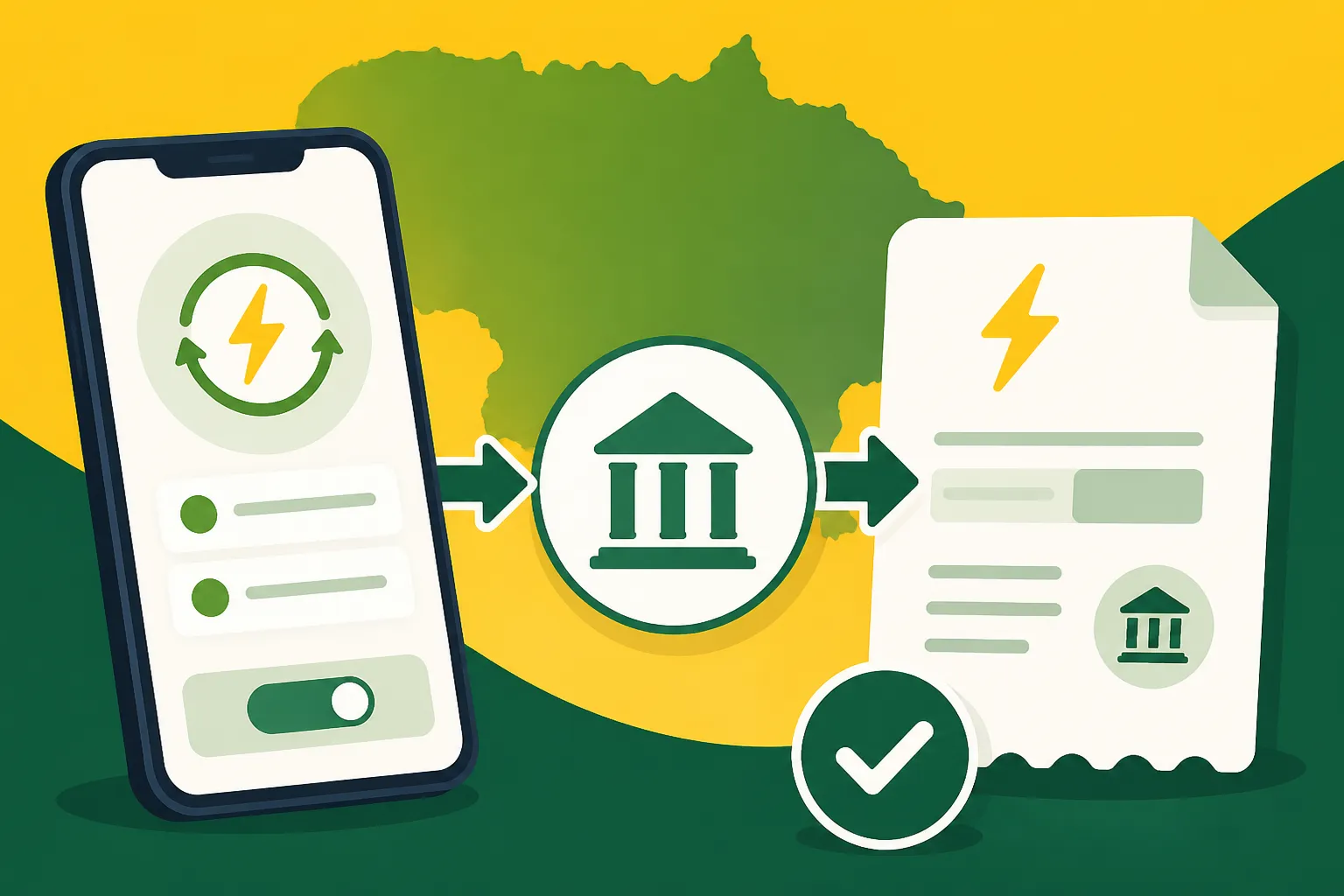
How Do I Set Up Direct Debit for Electricity Bills in Lithuania?
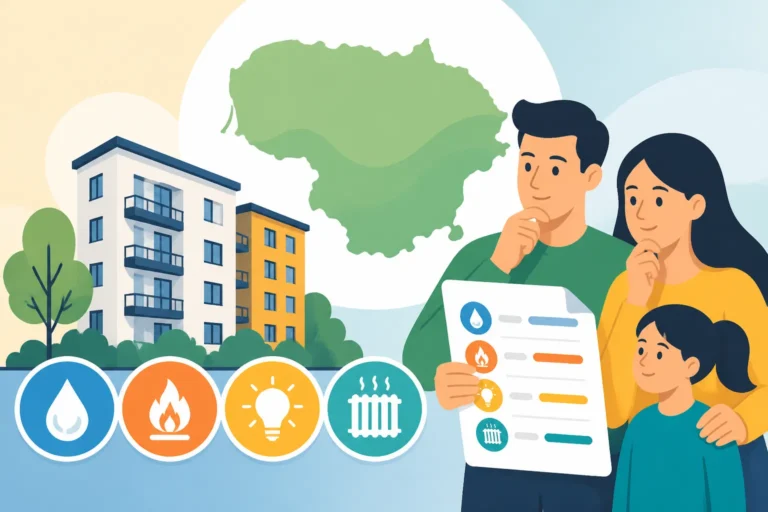
Ah, the joys of setting up life in a new country! One of the most common headaches for expats in Lithuania, after getting your Asmens Kodas sorted, is definitely navigating the labyrinth of utility bills. Just when you think you’ve got a handle on the monthly costs, you realise you still have to manually remember to pay each one. It's a never-ending cycle of dates and bank transfers, often with confusing Lithuanian interfaces. This guide is here to take that particular burden off your shoulders by walking you through exactly how to set up direct debit for your electricity bills, giving you one less thing to worry about each month.
Navigating Electricity Providers and the Power of Direct Debit in Lithuania
When you first arrive in Lithuania, especially if you're settling into a new apartment or house, getting the utilities sorted can feel like a mountain to climb. You're probably just figuring out how to get your internet connected, or perhaps you're still hunting for the best mobile plan. The electricity bill, however, is one of those crucial things that needs immediate attention. And frankly, trying to remember to pay it manually every single month is just asking for trouble, especially if you're not fully comfortable with the local banking system or the language.
Identifying Your Electricity Supplier
Before you can even think about setting up a direct debit, you need to know who your electricity supplier is. In Lithuania, the electricity market has opened up in recent years, meaning you might have a choice of suppliers, but most households are still primarily served by Ignitis for the actual electricity supply itself. The transmission and distribution network, the wires and infrastructure that bring the power to your home, is managed by ESO (Energijos Skirstymo Operatorius), a subsidiary of Ignitis Group.
When you move into a new place, your landlord or the previous tenant should ideally inform you of the current supplier. If not, don't fret. Your first electricity bill, when it eventually arrives, will clearly state the provider's name. It's often Ignitis, but other players like Enefit are also present in the market. If you’re completely in the dark, you can often find information by calling the general customer service line for Ignitis (even if they're not your supplier, they might be able to redirect you), or checking the E-Sveikata portal, which sometimes links to utility agreements if your Asmens Kodas is associated. For a comprehensive overview of how electricity and other services are connected in your home, you might find my guide on How Do I Set Up Electricity (ESO) in Your Lithuanian Home particularly useful.
Why Direct Debit is Your Go-To for Bills
Let's be real, in the hustle and bustle of expat life – juggling work, learning Lithuanian, and trying to explore this beautiful country – remembering to manually pay bills is simply not a priority. This is where direct debit, or tiesioginis debetas as it's known here, becomes your absolute best friend. Imagine: no more sticky notes on the fridge, no more panicked late-night logins to your banking app, no more accidental late fees that just add insult to injury.
The primary benefit is, of course, unparalleled convenience. Once set up, the payment is automatically deducted from your designated bank account on a specific date each month. This means fewer things on your mental to-do list, freeing you up to focus on more important (or more fun!) aspects of life in Lithuania. It's also a fantastic way to avoid those pesky late payment penalties that can quickly add up and really dampen your spirits. You're essentially automating peace of mind. While some people worry about giving companies direct access to their bank accounts, the Lithuanian banking system, overseen by the Bank of Lithuania, is robust, and direct debits are regulated. You also typically receive notification before a payment is taken, allowing you to monitor your account balance. For those exploring other ways to manage all their home services, I've put together a guide called The Expat Guide to Setting Up Utilities in Lithuania, which covers the spectrum of utility management.
Your Step-by-Step Guide to Setting Up Direct Debit with Ignitis
When it comes to electricity, Ignitis is the dominant provider for most households. They've made strides in recent years to be more expat-friendly, offering some services in English online. However, it can still feel a bit daunting if you're not used to the specific terminology or processes. Don't worry, I've been there, staring at a page of Lithuanian text, wondering if I'm about to accidentally sign up for a lifetime supply of something I don't need!
What You'll Need Before You Start
Before you even log into a portal or head to a customer service centre, make sure you have these key pieces of information and documents handy. This preparation will save you a lot of time and potential frustration.
- Your Ignitis Customer Number (kliento numeris): This is absolutely essential. It's a unique identifier for your electricity account. You'll find it clearly printed on any previous Ignitis bill or contract you've received. If you’re moving into a new place and haven't received a bill yet, your landlord might have it, or you may need to register your account first.
- Your Lithuanian Bank Account Details: You'll need your International Bank Account Number (IBAN) and, occasionally, the SWIFT/BIC code for your Lithuanian bank account. Direct debits are processed directly from your local bank. If you haven't yet opened one, my article on How to Open a Bank Account at a Lithuanian Bank as a Foreigner will guide you through the process. Having a local account is crucial for seamless utility payments.
- Your Personal Code (Asmens Kodas): This is your unique personal identification number in Lithuania. It's required for almost all official transactions, including setting up utility contracts and direct debits. If you're wondering how important it is or how to obtain it, check out my guide on How to Get Your Asmens Kodas (Personal Code) and Why It Matters for Healthcare.
- A Valid Email Address and Phone Number: For communication, confirmations, and possibly a temporary password if you’re registering online for the first time.
Having these details ready means you're well-equipped to tackle the setup process.
The Online Setup: Using E-Ignitis
For most expats, the easiest and most convenient way to set up direct debit is through the Ignitis self-service portal, often referred to as E-Ignitis (e.ignitis.lt). This platform has improved significantly over the years and offers a decent level of English support, which is a massive relief!
Here’s a step-by-step breakdown:
- Access the Portal: Open your web browser and navigate to e.ignitis.lt. Look for a language selection option, usually a small flag icon or "LT / EN" in the top right corner, and switch to English.
- Log In or Register: If you already have an Ignitis account, log in using your credentials. If you're a new user, you'll need to register. This typically involves providing your Asmens Kodas, customer number, and setting up a password. The registration process usually requires email or phone verification.
- Navigate to Payments/Services: Once logged in, look for sections like "Mokėjimai" (Payments), "Paslaugos" (Services), or "Mano sąskaitos" (My Bills). The exact wording might vary slightly, but you're looking for anything related to managing your billing and payment methods.
- Find Direct Debit Setup: Within the payments section, you should find an option to set up or manage "Tiesioginis Debetas" (Direct Debit). Click on this option.
- Enter Bank Details: The system will prompt you to enter your Lithuanian bank account IBAN. Double-check this number very carefully to avoid any issues! Some systems might also ask for your bank's name or SWIFT/BIC, but often the IBAN is enough.
- Confirm and Authorise: You'll likely be presented with a summary of the direct debit agreement, including the terms, conditions, and the date the payments will commence. Read this carefully. You'll then need to authorise the direct debit. This often involves a confirmation via your bank's online authentication (e.g., Smart-ID or Mobile-ID) or a code sent to your phone.
- Receive Confirmation: Once authorised, you should receive an on-screen confirmation and often an email confirmation from Ignitis that your direct debit has been successfully set up. Keep this email for your records!
This online method is generally straightforward, but don't hesitate to use Google Translate on any tricky Lithuanian phrases that pop up. Modern browsers often have built-in translation features that can be quite helpful.
In-Person Assistance: When and How to Visit a Service Centre
While the online portal is convenient, sometimes you just need to speak to a human. This could be due to a language barrier, a particularly complex billing query, or simply if you prefer face-to-face interaction. Ignitis has customer service centres in major cities like Vilnius, Kaunas, and Klaipėda.
Here’s what you should know about visiting a centre:
- When to Go: If you're struggling with the online portal, have specific questions about your bill that aren't easily answered, or if you don't have access to the necessary online banking tools, an in-person visit is a solid choice. It's also great for initial setup if you're a new resident and prefer a guided process.
- What to Bring: Always bring all your essential documents: your passport or ID card, your Asmens Kodas, any existing electricity bills or contracts, and your Lithuanian bank account details. The more information you have, the smoother the process will be.
- What to Expect: Expect a waiting time, especially during peak hours. Customer service centres can get busy. Most major Ignitis centres, particularly in Vilnius, will have English-speaking staff, but it's not always guaranteed. Be patient, and don't be afraid to ask if someone speaks English (Ar kalbate angliškai?). A friendly demeanour goes a long way. They can walk you through the process, often filling out the direct debit form with you and getting it set up directly in their system.
Sometimes, even with the best intentions, communication can be a hurdle. Having a good local SIM card from providers like Telia or Bitė, perhaps even with an Airalo eSIM for initial setup, can make calling ahead or using translation apps much easier during your visit.
Mastering Your Automated Payments and Troubleshooting Potential Issues
Setting up direct debit is a fantastic first step, but it's not a "set it and forget it" situation entirely. You'll still want to keep an eye on things, especially in the beginning, to ensure everything is running smoothly and to avoid any surprises.
Keeping an Eye on Your Bills and Usage
Even with direct debit, it's crucial to continue monitoring your electricity consumption and reviewing your monthly statements. Electricity costs can fluctuate based on seasonal usage, changes in tariffs, or if you've simply been running the heating more often during a particularly chilly Lithuanian winter.
Most providers, including Ignitis, will send you an electronic bill (e-sąskaita) to your registered email address each month, or you can access it directly through their online portal. Make it a habit to glance over these bills. Look for:
- Usage (kWh): Does it seem consistent with your consumption habits?
- Total Amount Due: Does this align with your expectations?
- Payment Confirmation: Ensure it clearly states that the payment will be (or has been) deducted via direct debit.
If something looks off, it's better to address it quickly rather than letting it pile up. Understanding your Komunaliniai Mokesčiai (utility bills) is key, and I have a detailed guide on How Do I Understand My Komunaliniai Mokesčiai (Utility Bills) in Lithuania that breaks down all the charges.
Updating or Cancelling Your Direct Debit
Life happens, and sometimes you'll need to make changes to your direct debit arrangement. Perhaps you've changed banks, or you're moving to a new address.
- Changing Bank Details: If you open a new bank account and want to switch the direct debit, you'll need to log into your Ignitis (or other provider's) online portal, navigate to the direct debit section, and update your bank details there. The process is similar to the initial setup, requiring re-authorisation. It’s important to do this well in advance of the next payment date, usually at least 5-7 business days.
- Cancelling Direct Debit: If you're moving out of your property or switching electricity providers, you'll need to cancel your direct debit. This can also usually be done through the online portal or by contacting customer service. Remember to also inform Ignitis that you are moving out so they can close your account and issue a final bill. Do not just cancel the direct debit without closing your account, as outstanding bills will still be your responsibility.
Always ensure you receive a confirmation of any changes or cancellations. Timelines for these changes to take effect can vary, so always confirm with the provider.
Dealing with Payment Problems and Queries
Even with the best planning, sometimes things go wrong.
- Insufficient Funds: If there isn't enough money in your bank account on the direct debit date, the payment will fail. Your bank might charge you a fee for a failed payment, and the electricity provider will likely notify you of the missed payment. You'll then need to make a manual payment to cover the outstanding amount and any late fees that may have accrued. It's crucial to do this promptly to avoid service interruption.
- Incorrect Billing: If you spot an error on your bill, the first step is to contact Ignitis customer service. Have all your documentation ready (bill, customer number, any meter readings you've taken). Clearly explain the issue. If there's a language barrier, try using email so you can use translation tools, or visit a customer service centre with a friend who speaks Lithuanian, or use a reliable translation app on your phone.
- General Queries: For any other questions or concerns, the Ignitis customer service team is your point of contact. You can reach them via phone, email, or their online chat service (if available in English). Remember to be polite and patient, as this will often lead to a more constructive resolution.
It’s always a good idea to keep records of your communication, including dates, times, names of representatives, and summaries of conversations. This can be invaluable if a dispute arises.
Beyond Electricity: Broader Utility Management and Moving Tips
Once you've mastered the electricity direct debit, you'll find the process quite similar for other utilities. Lithuania's administrative systems are increasingly streamlined, which is a huge bonus for expats.
Extending Direct Debit to Other Home Services
The beauty of direct debit is its universality. Once you understand the process for electricity, you can apply it to most of your other recurring home expenses.
- Water and Heating: These are usually managed by municipal companies (e.g., Vilniaus Vandenys for water in Vilnius, Vilniaus Šilumos Tinklai for heating). They will have their own self-service portals or customer service centres where you can set up direct debits using your customer number and bank details.
- Internet and Mobile: Major providers like Telia, Bitė, and Tele2 also offer direct debit options. These are often the easiest to set up online during the initial contract signing or through their respective apps.
- Building Maintenance Fees (administravimo mokesčiai): If you live in an apartment, you'll typically have a monthly building maintenance fee, which can often also be paid via direct debit through your building's administrator.
Setting up direct debits for all your bills truly simplifies your financial life in Lithuania. This approach is thoroughly covered in my general advice on How to Pay My Utility Bills in Lithuania.
When You're Moving On or Moving In
Moving is stressful enough, but when you add in the complexities of managing utilities in a foreign country, it can feel overwhelming.
- Moving In: When you first move into a new rental property, one of the first things you need to do, after declaring your place of residence, is to get all the utility accounts transferred into your name. Your landlord should guide you on this, but be prepared to register new accounts for electricity, water, and gas if the previous tenant's accounts were closed. Then, you can proceed with setting up direct debits for these new accounts.
- Moving Out: This is equally important. Don't just pack your bags and leave! You need to formally close your utility accounts. For electricity, this means contacting Ignitis (or your provider), providing a final meter reading (if applicable), ensuring a final bill is issued, and then cancelling your direct debit once that final bill is paid. Failure to do so can result in you being liable for future consumption at that address. Many expats underestimate the bureaucratic requirements when leaving, but platforms like Sirelo can help you organise your moving logistics, including reminders for utility closures. For general advice on finding your first long-term accommodation, you might want to read How Do I Find a Long-Term Rental in Kaunas?. If you're planning a big move, a guide like How to Find a Reliable Moving Company to Lithuania? can also be a lifesaver.
By taking a proactive approach to setting up direct debits and managing your utilities, you'll save yourself a great deal of hassle, ensuring a smoother and more enjoyable expat experience in Lithuania.
Disclaimer
Please note that while I strive to provide accurate and up-to-date information, utility policies and procedures in Lithuania can change. Always verify the latest information directly with your service provider or the relevant authorities. This guide is for informational purposes only and does not constitute professional financial or legal advice.