Understanding the Single Permit (Work and Residence) in Lithuania
Navigating the labyrinthine world of Lithuanian immigration can feel like a full-time job in itself, especially when you're trying to disentangle the differences between various permits and applications. For many non-EU/EEA citizens, the prospect of securing both a work permit and a separate temporary residence permit used to mean twice the paperwork, twice the waiting, and twice the bureaucratic headaches. This guide is here to untangle that knot, offering a clear, empathetic walkthrough of the Single Permit (Bendras Leidimas) system in Lithuania, simplifying your journey to live and work in this beautiful Baltic nation.
What Exactly is the Single Permit (Bendras Leidimas)?
Moving to a new country is exhilarating, but the administrative side can quickly become overwhelming. Before 2021, if you were a non-EU/EEA citizen looking to work in Lithuania, you often faced a two-step tango: first, applying for a work permit through the Lithuanian Labour Exchange (Užimtumo Tarnyba), and then, once approved, applying for a temporary residence permit (TRP) through the Migration Department (Migracijos departamentas). It was a sequential, often frustrating process that left many expats feeling like they were constantly chasing their tails, with each application dependent on the other.
Bridging the Gap: Work and Residence in One Document
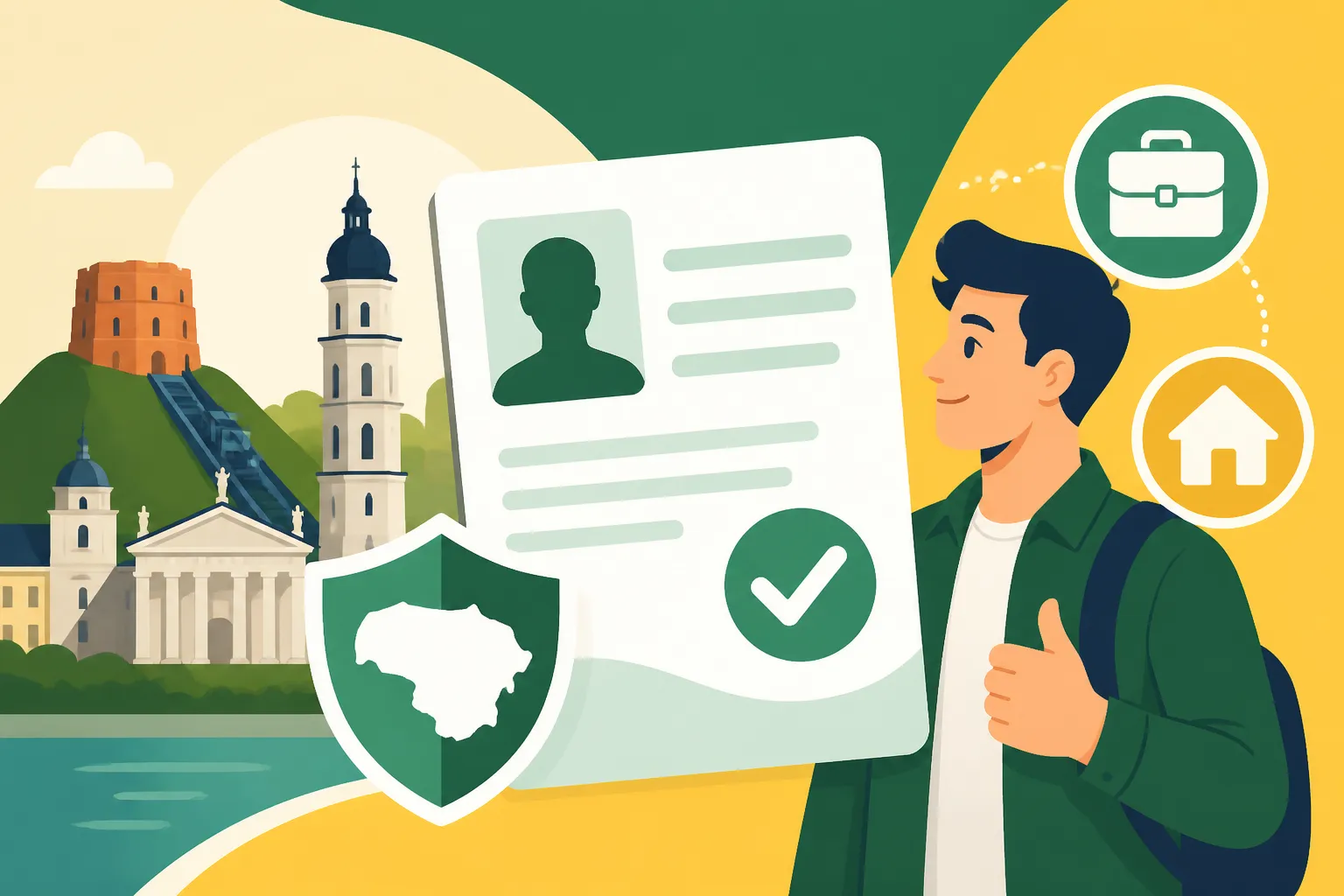
The Single Permit, or Bendras Leidimas in Lithuanian, was introduced to streamline this very process, directly addressing the complexities faced by international talent. Born from the EU Single Permit Directive, it combines the authorization to reside and work in Lithuania into a single administrative act and document. This means you no longer need to jump through two separate hoops; instead, you apply once, and if approved, you receive a single card that grants you both legal residence and the right to be employed by a specific employer in a specific role. It’s designed to be a more efficient and user-friendly system, cutting down on duplication of effort and the potential for conflicting decisions from different institutions.
Think of it as a one-stop shop for your immigration needs, at least initially. This integrated approach not only simplifies the application process but also reduces the uncertainty. Instead of waiting for one approval before moving on to the next stage, the entire assessment is conducted holistically. This brings Lithuania in line with many other EU countries that have adopted similar streamlined procedures, making it a more attractive destination for skilled workers and professionals from outside the European Economic Area. The aim is to make the relocation process smoother, so you can focus more on settling into your new life and less on bureaucratic hurdles.
Who is the Single Permit For? Eligibility Criteria
So, who exactly can benefit from this streamlined Single Permit? Primarily, it's designed for non-EU/EEA citizens who have secured an employment contract or a binding job offer from a Lithuanian company. This is a crucial distinction: you can't just apply for a Single Permit speculatively; you need to have a concrete employment opportunity lined up. The permit is tied to your specific employer and the role they've offered you, meaning it's not a general "open" work permit that allows you to work for anyone.
The eligibility criteria are quite clear-cut. First and foremost, you must be a third-country national, meaning you're not a citizen of an EU or EEA member state or Switzerland. Secondly, you need to possess the necessary qualifications, skills, or experience for the job you've been offered. This often means demonstrating your educational background (diplomas, degrees) and professional experience through your CV and references. For many positions, especially those deemed high-skilled or in shortage occupations, your academic credentials will be key. Lastly, there are often salary requirements. For many roles, your gross monthly salary must meet or exceed the average gross monthly wage in Lithuania. For highly skilled workers or those in professions identified on the national shortage occupation list, the salary threshold might be higher – often 1.2 or 1.5 times the average gross salary – reflecting the value placed on specialized expertise. For 2024, the average gross monthly earnings have been steadily climbing, so it's always worth checking the latest official figures provided by Statistics Lithuania or consulting the Migration Department's guidelines to ensure your prospective salary meets the current benchmark.
The Application Process: Step-by-Step Navigation
Once you've secured that coveted job offer in Lithuania, the real administrative journey begins. While the Single Permit streamlines things, it doesn't eliminate the need for careful preparation. This phase can feel like assembling a complex jigsaw puzzle, with each document representing a vital piece. A small mistake here can lead to significant delays, something every expat dreads.
Pre-Application Essentials: What You Need Before You Start
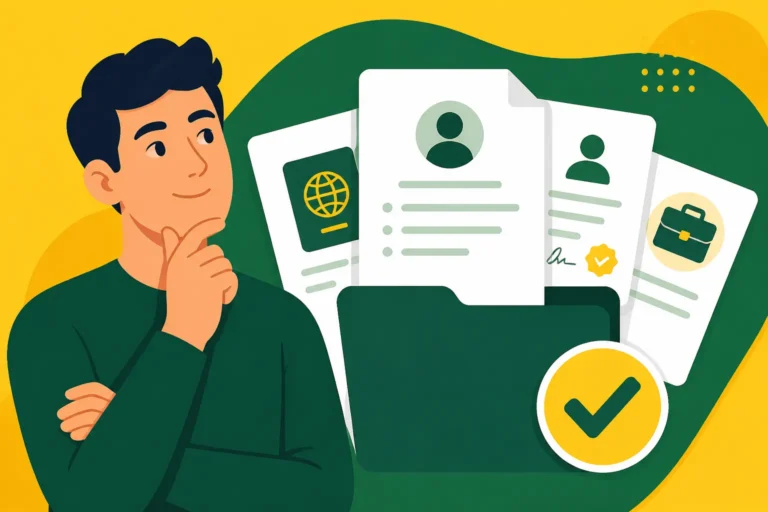
Before you even think about logging into the Migration Department's Electronic Services Portal (MIGRIS), you need to gather a comprehensive set of documents. This isn't just about having them; it's about having them correctly translated into Lithuanian (if necessary, by a certified translator) and often apostilled or legalised. Your valid passport, with at least a few months' validity beyond your intended stay, is obviously paramount. You'll need a signed employment contract that clearly states your role, salary, and employment terms. If you don't already have one, obtaining your Asmens Kodas (personal code) is crucial, as it's your unique identifier in the Lithuanian administrative system and will be needed for almost everything, including healthcare registration later on. Find out more about How to Get Your Asmens Kodas Personal Code and Why It Matters for Healthcare.
Beyond these basics, you'll need proof of your educational qualifications, such as university diplomas or professional certificates, often requiring recognition by the Centre for Quality Assessment in Higher Education (SKVC) for certain regulated professions. A police clearance certificate (or certificate of no criminal record) from your home country, and any other countries where you've lived for significant periods, is also mandatory. Proof of sufficient funds to support yourself during your initial stay is also often required, which can typically be demonstrated through bank statements or a letter from your employer guaranteeing your salary. Lastly, don't forget proof of accommodation in Lithuania, like a signed rental agreement. A crucial step for your employer is to register the job vacancy with the Lithuanian Labour Exchange (Užimtumo Tarnyba) and receive their approval before your permit application. This step ensures that no suitable Lithuanian or EU/EEA candidate could fill the role, which is a prerequisite for your Single Permit. This is essentially the "work permit" part of the Single Permit application, and your employer plays a significant role here, similar to the process for How to Apply for a Lithuanian Work Permit.
Submitting Your Application Through MIGRIS
Once your documents are in order, the application process itself is primarily handled through the MIGRIS electronic system. This online portal is your gateway to Lithuanian immigration services. First, you'll need to register an account on MIGRIS, which can sometimes be a bit clunky for first-time users, but it's essential. Once registered, you can begin filling out the application form for the Single Permit online. This is where you'll upload all your meticulously prepared documents. It's vital to upload clear, legible scans in the specified formats. Double-check everything, because incomplete or unclear documents are a primary cause of delays.
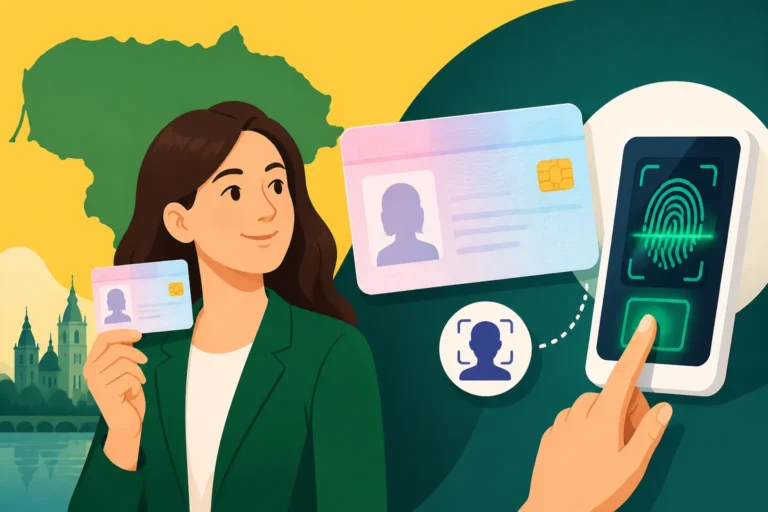
After submitting your online application and paying the state fee (which you'll find detailed on the MIGRIS portal – make sure you use the correct payment codes!), the next step is usually to book an appointment at a regional office of the Migration Department. This in-person visit is primarily for submitting your biometric data – fingerprints and a photograph – and potentially presenting original documents for verification. The wait times for these appointments can vary significantly, especially in larger cities like Vilnius or Kaunas, so it’s wise to book as soon as you can. It's a critical step to formalise your application, so be sure to arrive prepared and on time. For detailed instructions on this, you might find How to Book an Appointment at the Migration Department MIGRIS in Lithuania useful. Once your biometrics are taken, the waiting period officially begins, during which the Migration Department assesses your application. This is also the point where they capture the data for your future residence permit card, as outlined in How to Get a Lithuanian Residence Permit Card and Its Biometrics.
The Waiting Game and Potential Hurdles
Ah, the infamous waiting game – a rite of passage for almost every expat. After submitting your application and biometrics, there's nothing left to do but wait for the Migration Department to process your request. The official processing times for a Single Permit can vary. Standard processing is usually around 2-4 months, but expedited options might be available for an additional fee, potentially cutting the wait down to 1-2 months. However, these are just guidelines. In reality, processing times can fluctuate based on the volume of applications, the complexity of your case, and whether additional information or clarification is required.
It's important to set realistic expectations and understand that delays can occur. Common hurdles include incomplete documentation (even a minor omission can send your application back), discrepancies in information, or needing additional security checks. If the Migration Department requires more information, they will typically notify you via the MIGRIS portal or email. Responding promptly and thoroughly to these requests is crucial to avoid further delays. Unfortunately, without a valid visa or permit, you cannot legally work or reside in Lithuania during this processing period if you are applying from outside the country. This can be a significant source of stress, especially if you're trying to coordinate a move or start a new job. Patience and meticulous preparation are your best allies in navigating this final, often nerve-wracking, stage of the application process.
Key Requirements and Documentation Explained
Understanding the detailed requirements for the Lithuanian Single Permit can feel like deciphering ancient scrolls. Each piece of documentation serves a specific purpose, and getting them all in order is a testament to your organizational skills (or perhaps your patience!). It's not just about having a pile of papers; it's about having the right papers, in the right format, at the right time.
The Employment Contract and Employer's Role
At the heart of your Single Permit application is a valid employment contract. This isn't merely a formality; it's the foundation upon which your right to work and reside in Lithuania is built. The contract must be with a registered Lithuanian company and needs to be for a full-time, long-term position. Crucially, it must clearly specify your job title, responsibilities, and, most importantly, your gross monthly salary. As mentioned earlier, this salary must meet or exceed the national average gross wage, or a higher multiplier for certain skilled professions. If the contract is in English, you might need a certified Lithuanian translation.
Your employer plays an absolutely pivotal role long before your application even begins. Before offering you the job (or at least before you apply for the permit), they are typically required to register the job vacancy with the Lithuanian Labour Exchange (Užimtumo Tarnyba). This is a vital step to demonstrate that there are no suitable candidates for the position within Lithuania or the wider EU/EEA. Only once the Labour Exchange confirms this (or if the position falls under the "shortage occupation" list) can your employer proceed with your official job offer and contract that will then form part of your Single Permit application. This approval from the Labour Exchange is effectively the "work permit" component of your Single Permit, integrated into the single application process. Understanding the Lithuanian Employment Service Užimtumo Tarnyba can provide more context on their role. Additionally, certain professions are on the national "shortage occupation" list, which can significantly fast-track this Labour Exchange approval, as it's presumed there's already a need for such skills. You can find more details on this via Understanding the Shortage Occupations List for Work Permits in Lithuania.
Proving Financial Means and Accommodation
Beyond the job itself, you need to convince the Migration Department that you can sustain yourself financially and have a stable place to live in Lithuania. This is about proving self-sufficiency and demonstrating that you won't become a burden on the state. For financial means, you'll generally need to provide bank statements from the last few months, showing a consistent income or a substantial savings balance. The specific amount required can vary, but it's typically set at the level of the Lithuanian minimum monthly wage multiplied by a certain number of months (e.g., sufficient funds for at least six months). If your employer is guaranteeing your living expenses for the initial period, a letter from them to that effect might suffice.
For accommodation, you must provide proof of a secure place to live. This most commonly comes in the form of a signed rental agreement (nuomos sutartis) for an apartment or house. The agreement should clearly state your name, the address, the rental period, and be signed by both you and the landlord. If you are staying with friends or family, they might need to provide a notarised letter confirming your stay and their ownership of the property. Alternatively, if your employer is providing accommodation, a letter from them detailing this arrangement will work. The key is to demonstrate that you have a fixed and legal address. For those unfamiliar with the rental market, you can find helpful advice on How to Sign a Rental Contract Nuomos Sutartis in Lithuania. It's also crucial to have appropriate health insurance coverage. While you will be covered by compulsory health insurance (PSD) once you start working and contribute to Sodra, for the initial permit application, you need to show proof of private health insurance that covers your first few months, or until your public insurance kicks in. Companies like Cigna Global offer comprehensive plans designed for expats, which could be a reliable option to meet these requirements, ensuring you're covered from day one. You can delve deeper into your options by reading Health Insurance in Lithuania: Compulsory, Private and Travel Options Explained.
Educational Qualifications and Language Skills
Your educational background is a critical component, especially for skilled positions. You'll need to provide copies of your higher education diplomas and transcripts. For regulated professions (like doctors, engineers, or teachers), you might need to have your foreign degree recognised by the Centre for Quality Assessment in Higher Education (SKVC) before you apply for the Single Permit. This recognition process ensures that your foreign qualifications meet Lithuanian standards. The SKVC can sometimes take a while, so if your profession requires it, start this process early. More details can be found on How to Get Your Foreign Degree Recognised SKVC in Lithuania. For non-regulated professions, a simple translation might suffice, but it's always best to check the specific requirements for your job.
When it comes to language skills, generally, there is no mandatory Lithuanian language requirement for the Single Permit itself. The focus is on your professional qualifications and the job offer. However, speaking at least some Lithuanian will significantly enhance your integration into daily life and the local workforce. While many young Lithuanians, especially in major cities like Vilnius and Kaunas, speak excellent English, navigating administrative tasks, shopping, or even just socialising becomes much easier with some local language knowledge. Employers also appreciate candidates who show an interest in learning the language. There are numerous language courses available, and exploring them can greatly enrich your expat experience. You can kickstart your language journey by checking out Learning Lithuanian: A Complete Guide to Language Courses and Levels.
Life with a Single Permit: Rights, Responsibilities, and Renewal
Receiving that Single Permit card is a moment of triumph, a tangible symbol of your new life in Lithuania. But it's not just a fancy ID; it comes with a bundle of rights and responsibilities that you need to understand to ensure your smooth integration and continued legal residency.
What Your Single Permit Allows You To Do
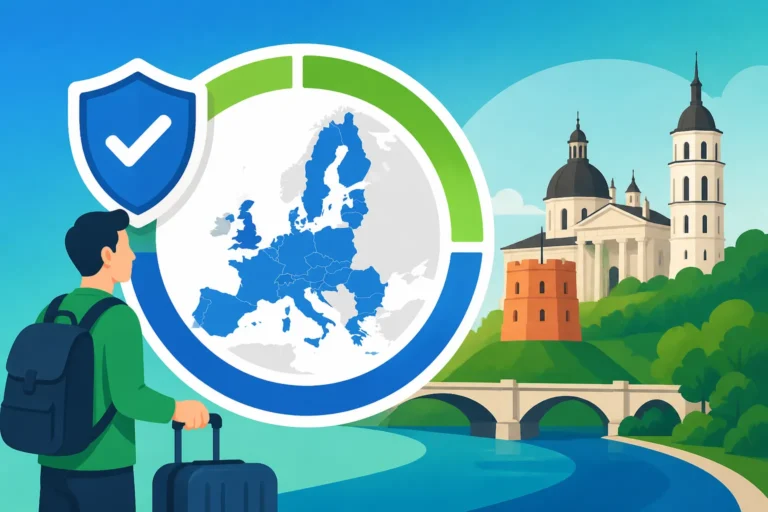
The primary benefit of the Single Permit is its dual function: it grants you both the legal right to reside in Lithuania and the authorisation to work for the specific employer mentioned on your permit. This eliminates the need for separate work visas or permits, simplifying your administrative burden significantly. With your Single Permit card, you'll be able to enter and exit Lithuania, and importantly, you can travel freely within the Schengen Area for short stays (typically up to 90 days within any 180-day period) without requiring additional visas. This is a huge advantage for weekend trips to neighbouring European countries! For more details on these travel rules, refer to Understanding Schengen Rules and the 90/180 Limit for Lithuania.
Beyond travel and work, your Single Permit also opens the door to various public services. Once you start working and making social security contributions through your employer to Sodra, you will be covered by the Compulsory Health Insurance (PSD) system, allowing you access to public healthcare services. This is a fundamental right that significantly impacts your well-being. Furthermore, you'll be eligible for various social security benefits and public services, contributing to and benefiting from the Lithuanian social system. It’s important to remember that while the permit grants these rights, your ability to fully access them often depends on your continued employment and contribution to the social security system. A comprehensive overview of how this works can be found in The Complete Guide to Healthcare in Lithuania for Expats 2026.
Navigating Changes: Job, Address, and Permit Renewal
Life happens, and sometimes things change. It’s crucial to understand how your Single Permit accommodates these changes and what your responsibilities are. If you decide to change jobs, this is a significant event for your permit. Since your Single Permit is tied to a specific employer and role, you will generally need to apply for a new Single Permit if you move to a different company, even if it's within Lithuania. This means repeating a large part of the application process with your new employer. It’s not something to be taken lightly, and it's always advisable to consult with the Migration Department or a legal professional before making such a switch to understand the precise steps and potential implications for your residency status.
Less dramatically, if you change your address within Lithuania, you have a legal obligation to inform the Migration Department (MIGRIS) within a specified timeframe, usually within 7-14 days. This is done through the MIGRIS system or by registering your new place of residence at the municipality. Failing to do so can lead to fines or issues with future permit renewals. For guidance on this, see Declaring Your Place of Residence in Lithuania: The Complete Guide. When your Single Permit approaches its expiration date (they are typically issued for one to three years initially), you’ll need to apply for a renewal. It’s recommended to start this process well in advance, usually at least 2-3 months before expiration, to avoid any gaps in your legal status. The renewal process is similar to the initial application but may require fewer supporting documents if your circumstances haven't significantly changed. You'll need an updated employment contract, proof of continued financial means, and updated accommodation details. Ensure you keep track of your permit's expiry date and initiate the renewal process proactively. You can find detailed steps on How to Renew Your Lithuanian Residence Permit.
Path to Permanent Residence and Citizenship
The Single Permit is often the first step on a longer journey towards establishing long-term roots in Lithuania. For many, the ultimate goal is permanent residence, which offers greater stability and fewer restrictions. Generally, after five continuous years of legal residency in Lithuania on a temporary residence permit (which includes the Single Permit), you can become eligible to apply for a permanent residence permit. This period requires that you have not been absent from the country for more than 10 consecutive months, or 6 months within a five-year period in total. Acquiring permanent residence grants you the right to reside in Lithuania indefinitely and gives you more flexibility in terms of employment, allowing you to change jobs without needing a new permit each time.
Beyond permanent residence, the path to Lithuanian citizenship by naturalisation becomes an option. This typically requires a longer period of legal residency (usually 10 years for most individuals), an understanding of the Lithuanian language, knowledge of the Lithuanian Constitution, and proof of sufficient financial means. It's a significant commitment and involves relinquishing your previous citizenship in most cases, as Lithuania has strict rules on dual nationality. Each step, from your initial Single Permit to permanent residence and potentially citizenship, builds upon the previous one, forming a structured pathway for those who wish to make Lithuania their long-term home. More comprehensive information on the steps can be found in Permanent Residence in Lithuania: The Complete Pathway 2026. When you're planning such a significant move and considering future steps like permanent residency, it's not just about the permits but also the logistics of moving your life. Companies like Sirelo can be incredibly helpful resources for finding reliable international moving services and understanding the broader aspects of relocating, making your overall transition smoother.
| Aspect | Old System (Separate Work & Residence Permits) | Single Permit (Bendras Leidimas) |
|---|---|---|
| Application Process | Two separate applications to two different institutions (Labour Exchange for work permit, Migration Department for residence permit). Sequential. | One integrated application submitted to the Migration Department. Consolidated. |
| Document | Two separate documents issued. | One document (residence permit card) with work authorization noted. |
| Processing Time | Often longer due to sequential nature and coordination between agencies. | Potentially shorter and more efficient due to single administrative act. |
| Administrative Burden | Higher, requiring more back-and-forth and potential for conflicting decisions. | Lower, with one point of contact for the application. |
| Eligibility | Non-EU/EEA citizens with a job offer, meeting specific salary/qualification criteria. | Same, but the assessment is holistic from the start. |
| Flexibility | Less, as any change often meant reapplying for one or both. | Still tied to employer, but overall system is more streamlined for renewals/changes. |
Disclaimer
The information provided in this guide is intended for general informational purposes only and does not constitute legal advice. While we strive to ensure the information is accurate and up-to-date, immigration laws and procedures in Lithuania can change frequently. It is always recommended to consult with the official Lithuanian Migration Department (Migracijos departamentas) or a qualified immigration lawyer for advice tailored to your specific situation. Reliance on any information in this guide is solely at your own risk.