Can I Switch from a Student Permit to a Work Permit in Lithuania?
It's a common aspiration for many international students: you come to Lithuania, fall in love with the culture, the growing tech scene, or perhaps a local, and decide you want to stay beyond your studies. The burning question then becomes, "Can I switch from a student permit to a work permit?" Navigating the Lithuanian migration system can feel like deciphering an ancient scroll, but this guide will walk you through the realities, processes, and potential pitfalls of transitioning your residence status from student to worker in this beautiful Baltic nation.
Understanding Your Current Student Residence Permit Status
First things first, let's be crystal clear about your current situation. When you arrived in Lithuania as a student, you were granted a Temporary Residence Permit (TRP) specifically for the purpose of studies. The Migration Department (MIGRIS) issues these permits with a very particular intent in mind, and that intent is usually not "to work full-time indefinitely." While student permits often allow for limited part-time work – typically up to 20 hours a week – they are fundamentally different from a work-based residence permit.
Think of it like this: your student permit is a special pass to attend university, not a general entry ticket to the Lithuanian job market. This distinction is crucial because the requirements and the entire application process for a work permit are fundamentally different. Many students assume it's a simple change of status, but in reality, it often means applying for a new type of permit from scratch, even if you’re already physically present in the country. The biggest hurdle? You almost always need an employer who is willing to sponsor you, and this employer must go through specific procedures to demonstrate that they need you for a particular role. It's not just about you wanting to stay; it's about Lithuania’s need for your skills in a specific job.
The Pathway to a Work-Based Residence Permit from Student Status
So, you've decided to make the leap from student life to professional life in Lithuania. The good news is, it's absolutely possible. The less good news is, it's not always straightforward and requires proactive planning. The key here is understanding that you're essentially applying for a new type of residence permit rather than simply "converting" your existing student one.
Finding a Job and Securing an Employer
This is arguably the most critical and often the most challenging step. Unlike some countries where you can seek a work permit independently, Lithuania's system largely hinges on employer sponsorship. This means you need to secure a job offer from a Lithuanian company before you can seriously consider applying for a work-based residence permit.
The Lithuanian job market, particularly in cities like Vilnius and Kaunas, has a robust demand for English-speaking professionals, especially in sectors like IT, FinTech, and shared service centers. Companies are often willing to hire international talent, but they must be prepared to navigate the immigration process for you. Your potential employer will need to initiate the process by applying to the Lithuanian Labour Exchange (Užimtumo Tarnyba) for a work permit on your behalf, or by proving that your qualifications and the role meet the criteria for a "Single Permit" application. This initial step can be a bureaucratic maze for some companies, so be prepared to demonstrate your value and perhaps even guide them through aspects of the process.
You'll need a proper employment contract detailing your role, salary, and terms. The salary must typically meet certain thresholds, often exceeding the national average, especially for highly skilled workers. For instance, if your employer is seeking to hire you under the EU Blue Card scheme, which facilitates highly skilled non-EU/EEA citizens, your gross monthly salary must be at least 1.5 times the average gross monthly wage in Lithuania. This ensures that you're not just taking any job, but a valuable one.
Understanding the "Single Permit" Application Process
Once you have that golden job offer in hand, the real immigration dance begins. Lithuania operates largely under a "Single Permit" system for many non-EU/EEA nationals. This permit combines both your work permit and your temporary residence permit into one document. This streamlines things a bit, as you're not applying for two separate documents from different institutions.
The process typically starts with your employer submitting an application to the Lithuanian Labour Exchange (Užimtumo Tarnyba) to assess whether your qualifications match the job description and if there are no suitable candidates within Lithuania or the EU/EEA. For certain "shortage occupations," this labour market test might be waived or expedited, which can be a huge advantage. You can find out more about understanding the Shortage Occupations List for Work Permits in Lithuania via official sources.
After the Labour Exchange gives its approval or issues a decision regarding the necessity of your employment, you, as the applicant, will then apply to the Migration Department (MIGRIS) for your Single Permit. This is where your personal documents, proof of accommodation, and financial stability come into play. It's a comprehensive application that requires meticulous attention to detail.
Navigating the Legalities and Timelines
The most nerve-wracking part of this transition is often the timing. Can you apply while your student permit is still valid? Yes, absolutely. In fact, it's highly recommended. Applying while your current permit is active allows you to remain legally in Lithuania during the processing period of your new work permit application, provided your student permit doesn't expire during this time.
However, if your student permit is due to expire soon, you must consider the processing times, which can vary significantly – sometimes taking a couple of months, sometimes longer. If your student permit expires before your work permit is approved and issued, you could find yourself in a tricky situation. Officially, you would no longer have a legal basis to reside in Lithuania. While MIGRIS sometimes allows for a "grace period" if an application is pending, it’s not a guarantee, and it could impact your ability to work or even travel.
This is why planning is so vital. Start your job search and application process well in advance of your student permit's expiration date. Aim for at least 3-6 months beforehand, if not more, to give yourself enough buffer time. Also, remember that your purpose of stay needs to be consistent. You cannot start working full-time on a student permit while awaiting a work permit decision, as this could violate the terms of your current permit and jeopardize your future applications.
For EU/EEA citizens, the process is considerably simpler, as they generally don't require work permits and only need to declare their right of residence as an EU citizen in Lithuania to the Migration Department if staying longer than 90 days. But for non-EU/EEA students, the shift to a work permit involves a full change of legal status.
Key Requirements and Documentation for the Switch
Getting all your ducks in a row for the application can feel like a part-time job in itself. The Migration Department (MIGRIS) is thorough, and missing even one small document can delay your application significantly. Being prepared is half the battle.
Essential Documents Checklist
To apply for a work-based Temporary Residence Permit (TRP) in Lithuania, you'll need an array of documents. Many of these you might already have from your student permit application, but some will be new and specific to your employment.
Here’s a general checklist, but always refer to the official MIGRIS website for the most up-to-date and complete list for your specific situation:
- Valid Travel Document: Your passport, which must be valid for at least three months beyond the planned expiry date of your residence permit.
- Application Form: Completed and signed application for a Temporary Residence Permit, submitted through the MIGRIS electronic services portal.
- Mediated Letter (Tarpininkavimo raštas): This is from your employer, confirming your employment and outlining the terms. This document confirms their commitment to hiring you.
- Employment Contract: A legally binding contract with a Lithuanian company. This is crucial and must be signed by both parties.
- Work Permit / Labour Exchange Decision: Proof that the Lithuanian Labour Exchange (Užimtumo Tarnyba) has approved your employment or confirmed that your position falls under a shortage occupation. This is often the initial step taken by your employer.
- Proof of Sufficient Funds: Evidence that you have enough financial means to support yourself until your first salary, or generally, throughout your stay. This could be bank statements. The minimum required amount can change, so check current requirements.
- Proof of Accommodation: A rental agreement (nuomos sutartis) or other document proving you have a place to live in Lithuania.
- Health Insurance: A valid private health insurance policy for the entire duration of your requested TRP. While you might have been covered by the Compulsory Health Insurance (PSD) as a student in some cases, your work permit will require continued coverage. Consider providers like Cigna Global for comprehensive international private health insurance, especially if you’re moving between different types of public coverage or want broader options. You can read more about Health Insurance in Lithuania: Compulsory, Private and Travel Options Explained to weigh your options.
- Recognition of Foreign Qualifications: If your degree or professional qualifications are from outside the EU/EEA, you might need to get them recognised by the Centre for Quality Assessment in Higher Education (SKVC). This process is vital to prove your eligibility for the job. Our guide on How to Get Your Foreign Degree Recognised (SKVC) in Lithuania can walk you through this.
- Police Clearance Certificate: Also known as a certificate of no criminal record, usually from your home country and any other country you've resided in for a significant period.
- State Fee Payment: Proof that you’ve paid the administrative fee for the residence permit application.
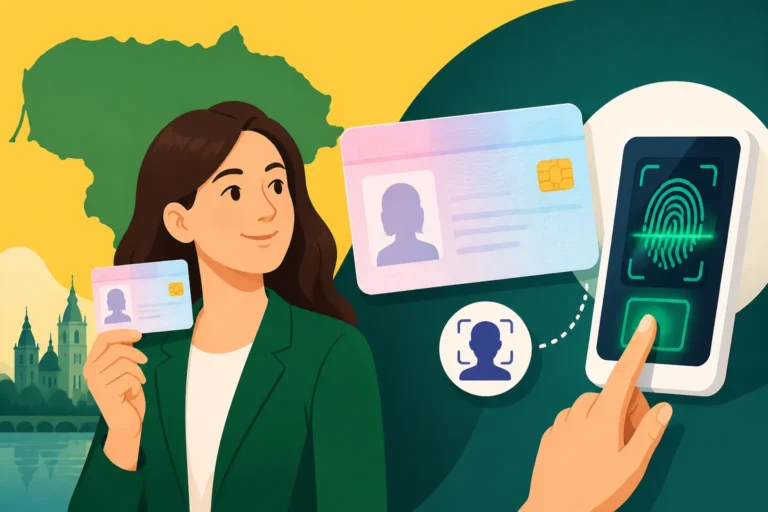
- Biometric Data: You'll need to submit your fingerprints and a photo at a MIGRIS branch during your appointment to produce your residence permit card.
It sounds like a lot, right? Well, it is. But breaking it down into manageable steps and preparing each document meticulously will save you headaches in the long run.
The Role of Your Employer
Your employer isn't just offering you a job; they're a critical partner in your immigration journey. Their active participation is non-negotiable for a work-based residence permit. Here's what they'll typically be responsible for:
- Initiating the Work Permit Process: They will usually handle the initial application to the Lithuanian Labour Exchange. This involves submitting documents about the company, the job role, and explaining why you are the right candidate.
- Labour Market Test: Unless your profession is on the shortage occupation list, your employer will need to demonstrate that they could not find a suitable candidate within Lithuania or the wider EU/EEA for the position. This often involves advertising the job for a specified period.
- Providing Necessary Documentation: Your employer will issue the mediated letter, sign the employment contract, and provide company registration documents and financial statements required by the Labour Exchange and MIGRIS.
- Compliance: They must ensure the employment contract complies with Lithuanian labour law, including salary thresholds and working conditions.
- Guidance (Sometimes): Larger companies, especially those used to hiring international talent, might have internal HR or legal teams to assist with the immigration process. Don't be afraid to ask what support they offer.
Remember, the success of your work permit application is often a team effort between you and your employer. Choosing a company that is experienced with hiring foreigners or willing to learn the ropes can make a significant difference. If you're looking for broader information on navigating the job market, you might find our guide on The Complete Guide to Working in Lithuania as a Foreigner (2027) helpful.
Common Challenges and Pro Tips for Students
Even with all the right documents and a willing employer, the transition from a student permit to a work permit can present its unique set of challenges. Being aware of these can help you better prepare and mitigate potential issues.
The Waiting Game and Status Gaps
The processing times for residence permits can be unpredictable. While MIGRIS aims for certain timeframes, unforeseen circumstances or complex cases can lead to delays. This is where the "waiting game" comes in, and it's where many expats feel the most anxiety.
- Expiring Student Permit: As mentioned, if your student permit expires while your work permit application is still pending, you technically lose your legal right to reside in Lithuania. While MIGRIS has procedures for extending a temporary stay while an application is processed, it's not the same as having a valid permit, and you generally cannot work during this interim period. This can be financially stressful and legally precarious.
- Travel Restrictions: During the application processing, especially if your old permit has expired and the new one isn't yet issued, travel outside Lithuania (and especially the Schengen Area) can be risky. Re-entry might be denied or difficult without a valid permit or visa. Always consult MIGRIS before planning international travel during this sensitive period.
- Planning Ahead: The best way to combat these issues is to start early. Begin your job search and the application process for your work permit months before your student permit is set to expire. This gives you a buffer and reduces the chance of falling into a status gap.
Financial Preparedness and Healthcare
Another area that can cause significant stress is financial stability and healthcare coverage during this transition.
- Proof of Funds: Even with a job offer, MIGRIS will want to see proof that you can support yourself financially, particularly until your first salary comes through. Ensure you have sufficient savings in your bank account to cover living expenses for at least a few months.
- Healthcare Coverage: Your student permit might have granted you access to Lithuania's public healthcare system (PSDF) if you were contributing or met specific criteria. When transitioning, it's vital to ensure there are no gaps in your health insurance coverage. If your student status ends and your work permit (and associated PSDF contributions through your employer) hasn't fully kicked in, you could be left without coverage. This is where private health insurance providers like Cigna Global can bridge the gap, offering continuous protection. Make sure you understand How Lithuania's Health Insurance Fund (VLK/PSDF) Works: A Full Overview and your responsibilities.
- Housing and Utilities: Don't forget the practicalities. Ensure your rental agreement is up-to-date and that you have a declared place of residence. You'll need to be able to provide proof of address (Pažyma) from Registrų Centras in Lithuania for your application.
Seeking Professional Help
The Lithuanian immigration system, like many others, can be complex and intimidating, especially with language barriers. Don't hesitate to seek professional help.
- Immigration Lawyers/Consultants: For intricate cases, or if you simply want peace of mind, consider hiring an immigration lawyer or consultant in Lithuania. They can help review your documents, guide you through the process, and liaise with MIGRIS on your behalf.
- Relocation Services: If the thought of managing all the logistics of moving your life from student digs to a professional apartment, and potentially even moving your belongings, feels overwhelming, relocation services can be invaluable. Companies like Sirelo can assist with comparing moving companies and managing the practicalities of settling into your new life as a working expat.
- Networking: Connect with other expats who have successfully made this transition. Online forums, expat groups, and professional networks can offer invaluable advice and shared experiences.
Here's a table summarizing key differences and considerations when switching from a student to a work permit:
| Feature | Student Residence Permit (TRP) | Work-Based Residence Permit (Single Permit) |
|---|---|---|
| Purpose of Stay | Primarily for studies at an accredited institution. | Primarily for legal employment with a Lithuanian employer. |
| Work Rights | Limited (e.g., up to 20 hours/week) during studies. | Full-time employment with the sponsoring employer. |
| Primary Initiator | Student (with university acceptance). | Employer (initiates Labour Exchange process). |
| Key Requirement | University acceptance letter. | Valid employment contract; Labour Exchange approval. |
| Duration | Linked to study duration (up to 1 year, renewable). | Typically 1-3 years, renewable based on employment. |
| Health Insurance | PSD (if eligible) or private. | PSD (via employer contributions) or private. |
| Financial Proof | Personal funds for studies/living. | Salary from employment; personal funds for initial period. |
| Degree Recognition | Often not required initially. | Often required for skilled roles (SKVC). |
| Flexibility | Limited ability to change job/employer. | Tied to specific employer; changing requires new process. |
| Conversion Process | Not a direct conversion; requires new application. | New application with employer sponsorship. |
The journey from a student with limited work rights to a fully employed expat with a work permit is a significant one. It requires patience, diligence, and an understanding of the intricate Lithuanian immigration framework. By being informed, preparing thoroughly, and seeking help when needed, you can successfully make Lithuania your long-term home and career base. You can also review The Complete Guide to Lithuanian Residence Permits for Expats (2027) for more comprehensive information.
Disclaimer
The information provided in this guide is for general informational purposes only and does not constitute legal or immigration advice. While every effort has been made to ensure accuracy, immigration laws and procedures in Lithuania can change frequently. It is essential to consult with the official Lithuanian Migration Department (MIGRIS) or a qualified immigration lawyer for advice tailored to your specific situation. We are not responsible for any actions taken based on the information presented herein.