How Do I Find a Psychiatrist (Psichiatras) in Vilnius?
Feeling overwhelmed, lost, or just plain not yourself after moving to a new country like Lithuania is incredibly common, and trying to navigate the healthcare system for mental health support can feel like an impossible maze. If you're in Vilnius and looking to find a psychiatrist, or psichiatras as they’re known here, this guide is going to walk you through everything you need to know, from understanding your options to actually booking an appointment, all with a healthy dose of expat-friendly realism.
Understanding Mental Health Support in Lithuania
Let's be honest, talking about mental health is a journey, and doing it in a new country adds layers of complexity. In Lithuania, like many places, there can be a certain reticence around discussing mental well-being, but the good news is that attitudes are evolving, and professional help is certainly available, especially in a cosmopolitan city like Vilnius.
The Stigma and Reality for Expats
When you first arrive, the sheer excitement and novelty can mask underlying stress. But living abroad often comes with unique challenges: navigating a new language, cultural differences, administrative hurdles, and being far from your established support system. These factors can absolutely take a toll on your mental health. It’s not a weakness; it's a completely normal response to a significant life change.
The stigma surrounding mental health used to be quite pronounced in Lithuania, stemming from Soviet-era attitudes where mental illness was often misconstrued or suppressed. While this has improved significantly, particularly among younger generations and in urban centers, you might still encounter some older perspectives that view seeking psychiatric help with caution. As an expat, this can feel isolating, making you question whether your feelings are valid or if help is truly accessible. Rest assured, they are, and it is. Many healthcare professionals in Vilnius, especially in private practices, are keenly aware of these cultural nuances and the specific stressors faced by international residents. They are there to help, not to judge.
Public vs. Private Options for Psychiatry
When it comes to finding a psichiatras in Vilnius, you generally have two main pathways: the public healthcare system or private clinics. Each has its own set of pros and cons, especially for those of us who aren't native Lithuanian speakers.
The public healthcare system is primarily funded by the Compulsory Health Insurance (PSD) contributions through Sodra. If you are legally residing and working in Lithuania, you're likely contributing to this, making you eligible for public services. The process typically involves getting a referral from your family doctor, or šeimos gydytojas, to a psychiatrist at a local polyclinic (poliklinika). The main advantages are that the services are largely covered by your PSD, meaning you only pay a small symbolic fee, if any, and it’s a robust, established system. However, the drawbacks can include longer waiting times for appointments, and crucially for expats, a higher chance that the psychiatrist may not speak fluent English. While many younger doctors do, it's not a guarantee in the public sector, which can be a significant barrier when discussing sensitive mental health topics.
Private clinics, on the other hand, offer a more direct route. You can typically book an appointment without a referral and often find a wider selection of English-speaking professionals. The trade-off, of course, is the cost, as these services are paid out-of-pocket or through private health insurance. Private clinics often boast shorter waiting lists, more flexible appointment times, and a more comfortable, discreet environment. For many expats, the ease of access and the availability of English-speaking specialists make the private route a more appealing, albeit more expensive, option. Understanding your eligibility and coverage for both systems is a critical first step.
Navigating the Search for a Psychiatrist in Vilnius
Once you understand the general landscape, it’s time to dive into the practicalities of finding a psichiatras in Vilnius. This journey can involve a few different starting points, depending on your urgency, budget, and language preferences.
Starting with Your Family Doctor (Šeimos Gydytojas)
For anyone integrated into the Lithuanian public healthcare system, your family doctor is always the initial gateway to specialist care, including psychiatry. This is the standard procedure if you want your psychiatric consultation to be covered by your Compulsory Health Insurance (PSD).
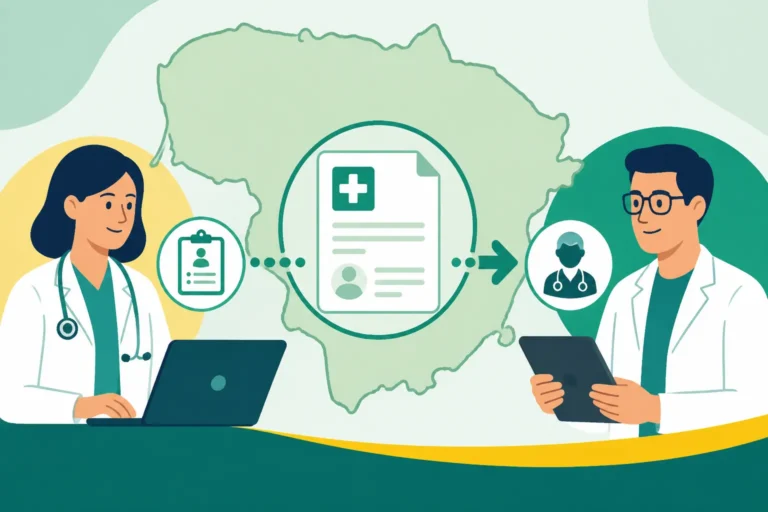
First, you need to be registered with a family doctor in Vilnius. If you haven't done this yet, it's a crucial step for all your public healthcare needs. Once you have a family doctor, schedule an appointment to discuss your mental health concerns. Be as open and honest as you can about what you're experiencing. Your family doctor will assess your situation and, if deemed necessary, provide you with a referral (siuntimas) to a psychiatrist. This siuntimas is usually an electronic referral through the E-Sveikata system, which is then accessible to the specialist.
A key challenge for expats here is finding a family doctor who speaks English well enough to facilitate this sensitive conversation. It's not impossible, but it may require some searching. You can often inquire about language capabilities when registering with a poliklinika or directly with a specific doctor. Waiting times for public psychiatric appointments can vary, sometimes stretching from a few weeks to a couple of months, depending on the urgency and specialist availability. While it might seem like an extra hoop to jump through, this public route ensures that your care is coordinated and largely covered financially. For more detailed guidance on this, you might find our article on The Expat Guide to Finding a Family Doctor (Šeimos Gydytojas) in Lithuania quite helpful.
Direct Access to Private Clinics and Specialists
If time is of the essence, or if you prefer the convenience and language assurance of private care, directly approaching private clinics in Vilnius is your best bet. Vilnius has a thriving private healthcare sector, with several modern clinics offering mental health services and employing English-speaking professionals.
Prominent private clinics in Vilnius that often have psychiatrists on staff include Kardiolita, Northway Medical Centre, and MediCA CLINIC. These establishments usually have dedicated departments for mental health, ranging from psychology to psychiatry. You can typically visit their websites, which often have English versions, to browse profiles of their specialists, check their availability, and even book appointments online. Some clinics also allow you to call their reception, where staff usually speak English, to schedule a consultation.
The main advantages here are significantly shorter waiting times—often within a few days or a week—and a higher probability of finding a psichiatras who is fluent in English. This direct approach eliminates the need for a family doctor referral, giving you more control over your choice of specialist and appointment timing. Be prepared for consultation fees, which can range from €60 to €150 or more per session, depending on the clinic and the psychiatrist's experience. While this can be a significant out-of-pocket expense, many expats find the benefits of immediate, clear communication and quick access to care invaluable. For a broader understanding of private healthcare, consider reading Understanding Private Clinics and Medical Centres in Lithuania.
Online Platforms and Telemedicine
In our increasingly digital world, telemedicine has become a powerful tool for accessing mental health support, especially for expats who might be living in more remote areas or prefer the comfort of their own home. Vilnius, being a tech-forward city, also has options for online consultations.
Several international and local platforms connect individuals with licensed psychiatrists and therapists via video calls. While some platforms might primarily offer therapy, others specifically provide psychiatric evaluations, medication management, and follow-ups. Services like BetterHelp or local Lithuanian platforms (which often cater to both local and international clients) allow you to filter professionals by language, specialization, and availability.
The convenience of telemedicine is unmatched: you can have your consultation from anywhere, potentially reducing travel time and scheduling conflicts. This is particularly beneficial for those with busy schedules or who find it challenging to attend in-person appointments due to anxiety or other reasons. While some platforms might only offer therapy or general mental health support, many now include qualified psychiatrists who can diagnose conditions and prescribe medication electronically. It’s always important to check the credentials of the professional and ensure they are licensed to practice in Lithuania or can legally provide services to residents in Lithuania, especially concerning prescriptions. Some travel insurance providers, like SafetyWing, might offer some coverage for online doctor visits or initial consultations, but it's crucial to verify their specific mental health policy details and coverage limits before relying solely on them for ongoing psychiatric care. Exploring options for Can I Use Telemedicine Services in Lithuania as an Expat? might offer more insight into this growing area.
Essential Considerations for Expats
Navigating mental health care in any foreign country comes with its own unique set of challenges. For expats in Vilnius, language, insurance, and the practicalities of prescriptions are often at the top of the list of concerns.
Language Barriers and Finding English Speakers
When you're discussing your mental health, nuances matter. Expressing complex emotions, symptoms, and life circumstances accurately is paramount. This is why language becomes one of the most critical factors for expats seeking psychiatric help in Lithuania. While younger generations, especially in Vilnius, are often proficient in English, it's not a universal guarantee, particularly in the public healthcare system.
In private clinics, you'll generally have a much easier time finding English-speaking psychiatrists. Their websites often specify the languages spoken by their specialists, and receptionists are usually fluent enough to assist with bookings in English. When researching, don't hesitate to directly ask if the psichiatras you're considering has experience working with international patients and is comfortable conducting full sessions in English. Sometimes, a doctor might have a basic grasp of English but struggle with the intricate vocabulary required for detailed mental health discussions. If you find yourself in a public setting where English proficiency is limited, consider bringing a trusted friend or even a professional medical interpreter. While this might feel awkward, your clarity and comfort in communication are far more important. Prioritizing clear, empathetic communication ensures you receive the most accurate diagnosis and effective treatment plan.
Understanding Insurance and Costs
The financial aspect of mental health care can be a significant concern, especially when you're already managing the costs of living abroad. In Lithuania, your coverage largely depends on whether you're utilizing the public or private system, and what type of health insurance you hold.
If you are a legal resident contributing to the Compulsory Health Insurance (PSD) through Sodra, you are entitled to public psychiatric care. This means that after obtaining a referral from your family doctor, your consultations at a public poliklinika or hospital will be mostly covered. You might pay a small symbolic "visit fee" (often just a few euros), but the bulk of the cost is handled by the PSDF (Health Insurance Fund). Ensuring your PSD contributions are active is essential. Our guide on Registering for Compulsory Health Insurance (PSD) in Lithuania (2027) can provide comprehensive details on this.
For private psychiatric care, the costs are out-of-pocket, as mentioned, ranging from approximately €60 to €150 per session. This is where private health insurance can come into play. Many international private health insurance plans offer coverage for mental health services, though the extent varies widely. It's crucial to review your policy documents carefully, looking for specifics on outpatient psychiatric care, therapy limits, and whether there are any waiting periods before mental health coverage kicks in. Some expat-focused insurance providers, like SafetyWing, may offer basic coverage for initial consultations or emergencies, but it's vital to confirm if they cover ongoing, long-term psychiatric treatment and medication management, as their focus is often more on travel or short-term medical incidents. Remember to clarify if your chosen private clinic or psychiatrist accepts your specific insurance plan, or if you'll need to pay upfront and then seek reimbursement. A thorough understanding of Health Insurance in Lithuania: Compulsory, Private and Travel Options Explained will help you weigh your options.
The Role of E-Sveikata and Prescriptions
Lithuania has a modern, centralized electronic health system called E-Sveikata, which is incredibly efficient once you get the hang of it. All your medical records, including visits to a psichiatras, diagnoses, and e-receptas (electronic prescriptions), are stored here.
Once you have an Asmens Kodas (personal code), which is vital for accessing most services in Lithuania, you can usually log into the E-Sveikata portal using your e-signature or banking credentials. This portal allows you to view your medical history, see your referrals, and check your electronic prescriptions. When a psychiatrist prescribes medication, it will be issued as an e-receptas. This means you simply go to any pharmacy (vaistinė) with your Asmens Kodas, and the pharmacist can access your prescription directly from the system. There's no need for paper slips.
Understanding this system is key to managing ongoing treatment. You can see when your prescriptions expire and if you need a follow-up appointment to get a renewal. While the system itself is mostly in Lithuanian, you can often navigate it with a translation tool or by asking for assistance. Knowing how Understanding the E-Sveikata (E-Health) System in Lithuania works will greatly simplify your healthcare journey, and for specifics on medication, Understanding the Electronic Prescription (E-Receptas) System in Lithuania is an excellent resource. Always ensure your psychiatrist explains the medication, dosage, and potential side effects clearly, especially if there’s a language barrier, so you're fully informed about your treatment.
Practical Steps and Resources
Finding a psychiatrist in Vilnius is a process, but with a structured approach and knowing where to look, you can get the support you need. Here's a practical breakdown and some additional resources to help you along the way.
Step-by-Step Guide to Finding a Psychiatrist
Let's distill this into a clear action plan for you:
-
Assess Your Needs:
- Urgency: Do you need immediate help, or can you wait a few weeks?
- Language: Is an English-speaking professional essential?
- Budget: Are you looking for covered care (public) or willing to pay for private?
-
Choose Your Route (Public or Private):
- Public (PSD Covered): If you have Compulsory Health Insurance, register with a family doctor if you haven't already. Schedule an appointment with your family doctor to discuss your concerns and request a referral (siuntimas) to a psichiatras. Be prepared for potential waiting times.
- Private (Out-of-Pocket/Private Insurance): Research private clinics in Vilnius known for mental health services (e.g., Kardiolita, Northway, MediCA CLINIC). Check their websites for English-speaking psychiatrists and their specializations.
-
Book Your Appointment:
- Public: Once you have a referral, the family doctor or poliklinika staff will guide you on how to book the psychiatrist's appointment.
- Private: Contact the clinic directly via phone or online booking system. Clearly state that you need an English-speaking psychiatrist.
-
Prepare for Your Consultation:
- Symptoms: Jot down a detailed list of your symptoms, when they started, and how they affect your daily life.
- Medical History: Include any relevant past medical conditions, medications you're taking (including supplements), and family history of mental health issues.
- Questions: Prepare a list of questions you have for the psychiatrist. Don't be shy!
- Insurance Details: Have your PSD card or private insurance policy details ready.
-
Attend Your Appointment:
- Be open and honest. Remember, they are there to help.
- If you're in the public system and there's a language barrier, try to clarify or rephrase. Bringing an interpreter if communication is severely hampered is acceptable.
This structured approach should help demystify the process. For a broader perspective on the Lithuanian healthcare system, our Navigating the Lithuanian Healthcare System: An Expat's Roadmap (2027) provides even more context.
Support Groups and Expat Networks
Sometimes, just connecting with others who understand your experience can be incredibly validating. Expat communities in Vilnius are vibrant and often a fantastic source of practical advice and emotional support.
- Facebook Groups: Search for groups like "Expats in Vilnius," "Vilnius Expats & Locals," or specific nationality-based groups. These communities are often brimming with individuals who have gone through similar struggles and can recommend English-speaking professionals, share experiences with specific clinics, or simply offer a listening ear. Be mindful that while personal recommendations are valuable, always do your own research to ensure a professional is a good fit for you.
- Local NGOs/Organisations: While less common for direct psychiatric services, some non-governmental organizations or community centres might offer mental health support services, including group therapy or counselling, sometimes in English. A quick online search for "mental health support Vilnius English" can sometimes yield results for such initiatives.
- University Resources: If you are a student or connected to a university, check if they offer mental health counselling or referral services. Universities in Vilnius often have resources tailored for international students.
These networks can provide a sense of community and help you feel less alone in your journey.
What to Do in a Mental Health Emergency
While this guide focuses on finding ongoing psychiatric care, it's crucial to know what to do in a mental health crisis. If you or someone you know is experiencing a severe mental health emergency, where there is an immediate risk of harm to self or others, do not hesitate.
- Call 112: This is the universal emergency number in Lithuania (and across the EU) for police, ambulance, and fire services. Clearly state that it is a medical emergency and mention "mental health crisis" or "psychiatric emergency." English-speaking operators are usually available.
- Go to the Nearest Emergency Room (Priėmimo Skyrius): Major hospitals in Vilnius, like Vilnius University Hospital Santaros Klinikos, have emergency departments equipped to handle acute mental health crises.
- Crisis Lines: While Lithuania has national crisis lines, finding English-speaking support immediately might be challenging. However, if you are able to communicate in Lithuanian or have someone who can help, some national helplines are available. Always prioritize calling 112 if the situation is life-threatening. For general information on urgent care, refer to Emergency Medical Care in Lithuania: What Every Expat Needs to Know.
Knowing these emergency protocols can provide a vital safety net when you need it most.
Public vs. Private Psychiatrist Options in Vilnius
| Feature | Public Healthcare System (with PSD) | Private Clinics |
|---|---|---|
| Cost | Largely covered by PSD (Compulsory Health Insurance), small nominal fee. | Out-of-pocket (approx. €60-€150 per session) or private health insurance. |
| Referral Required | Yes, from a Family Doctor (Šeimos Gydytojas). | No, direct booking often available. |
| Waiting Times | Can be longer (weeks to months). | Generally shorter (a few days to a week). |
| Language Availability | May be limited English, primarily Lithuanian. | Higher probability of finding English-speaking psichiatras. |
| Accessibility | Through local poliklinikas and hospitals. | Private medical centers, easily accessible in central Vilnius. |
| Documentation | Requires Asmens Kodas, PSD coverage. | Often requires Asmens Kodas, but cash payment or private insurance is primary. |
| E-Sveikata Integration | Fully integrated for referrals, prescriptions, and records. | Often integrated for prescriptions, records may be kept within clinic system or uploaded. |
| Flexibility | Less flexibility in appointment times and choice of doctor. | More flexible scheduling, greater choice of specialists. |
Disclaimer
The information provided in this guide is for general informational purposes only and does not constitute medical, legal, or financial advice. While we strive to ensure accuracy and provide up-to-date information, the Lithuanian healthcare system and regulations can change. Always consult with qualified professionals for personalized advice concerning your specific situation. We are not responsible for any actions taken based on the information provided herein.