How Do I Enrol My Child in School in Lithuania?
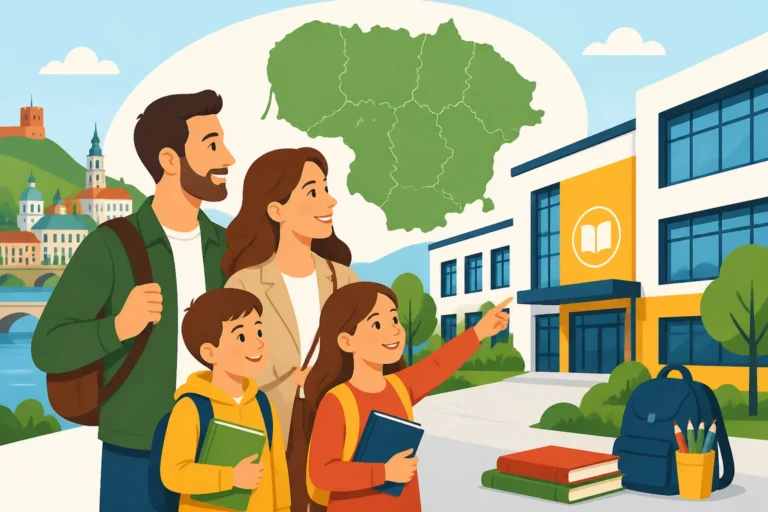
Moving to Lithuania with children means diving headfirst into a new education system, and let's be honest, it can feel like trying to solve a Rubik's Cube blindfolded, especially with a language barrier. The good news is that Lithuania has a solid education system, and with a bit of guidance, enrolling your child won't be as daunting as it first appears. This guide is here to walk you through every step, from understanding the different types of schools to gathering documents and navigating the daily school routine, ensuring your little (or not-so-little) expat settles in smoothly.
Understanding the Lithuanian School System for Expat Families
First things first, let's demystify how schooling works here. It’s probably a bit different from what you're used to, and knowing the structure will help you figure out where your child fits in.
The Structure: Pre-School, Primary, Basic, and Secondary Education
Lithuania's education system is quite comprehensive, starting young and progressing through distinct stages. It’s compulsory for children aged 6-7 (depending on their readiness) up to 16 years old, covering basic education.
- Pre-school (Ikimokyklinis ugdymas) and Pre-primary (Priešmokyklinis ugdymas): This is for the little ones, typically from 1 to 6 years old for pre-school, and 5-6 years old for pre-primary. While not strictly compulsory in the same way as primary school, the year of pre-primary education is highly recommended and almost universally attended, preparing children for formal schooling. You'll often hear about darželis, which is the kindergarten or nursery where younger children attend. Getting a spot in a public darželis can be competitive, especially in bigger cities like Vilnius or Kaunas, and often involves applying through municipal systems well in advance. For those keen to understand more about costs for this age group, our guide on How Much Does Childcare Cost in Lithuania? can offer further insights.
- Primary School (Pradinė mokykla): This stage usually begins at age 6 or 7, depending on the child's readiness, and runs for four years (grades 1-4). This is where children learn the fundamentals of reading, writing, and arithmetic in Lithuanian.
- Basic School (Pagrindinė mokykla): Following primary, children enter basic school, which is a six-year program (grades 5-10). This period deepens their general knowledge across various subjects and prepares them for further secondary education or vocational training. Completion of basic school marks the end of compulsory education.
- Secondary School (Gimnazija): This is the final stage, lasting two years (grades 11-12). It's designed to prepare students for university entrance and typically involves a more specialized curriculum, allowing students to focus on subjects relevant to their future studies. After completing gimnazija, students sit for state maturity exams (brandos egzaminai) which are crucial for university admissions.
Public vs. Private vs. International Schools: Making the Right Choice
This is often the biggest dilemma for expat parents, and there’s no one-size-fits-all answer. Each option comes with its own set of benefits and challenges.
- Public Schools (Valstybinės mokyklos): These are free and follow the Lithuanian national curriculum. For younger children, integrating into a public school can be a fantastic way for them to become fluent in Lithuanian quickly and immerse themselves in the local culture. They'll make local friends, understand local customs, and generally adapt quite well. However, for older children, especially those starting basic or secondary school, the language barrier can be a significant hurdle. While many public schools offer additional Lithuanian language support for foreign children, the initial period can be tough. Parent-teacher communication might also be challenging if you don't speak Lithuanian, requiring reliance on translation apps, understanding teachers, or other expat parents. The upside is the authentic cultural experience and the financial relief of no tuition fees. If you're considering this route, our dedicated guide on How to Enrol Your Child in a Lithuanian Public School provides a more detailed walkthrough.
- Private Schools (Privačios mokyklos): These schools, while also following the Lithuanian national curriculum, offer smaller class sizes, often more modern facilities, and sometimes a broader range of extracurricular activities. They come with tuition fees, of course, but can sometimes offer a slightly more nurturing environment or extra support compared to public schools. Language is still primarily Lithuanian, so the same considerations apply as with public schools regarding integration for non-Lithuanian speakers.
- International Schools: This is often the preferred choice for many expat families, especially those with older children or who anticipate moving again to another country. Vilnius, in particular, has several reputable international schools, such as the American International School of Vilnius (AISV) or The British School of Vilnius. These schools teach in English, follow international curricula (like IB, British, or American), and cater specifically to an international student body. This means your child won't face a language barrier in the classroom, and their academic journey will be more consistent with international standards. The downside? Tuition fees are substantial, making them a significant budget consideration. They also create a bit of a bubble, meaning your child might have less interaction with the broader Lithuanian culture and language on a daily basis. For a comprehensive look at these options, including their costs, check out Understanding International Schools and Their Costs in Lithuania.
Choosing the right school depends heavily on your family's long-term plans, your child's age, and your budget. Take your time, visit schools if possible, and talk to other expat parents.
The Step-by-Step Process for Enrolling Your Child in a Lithuanian School
Once you've wrapped your head around the options, it’s time to get down to the nitty-gritty of enrollment. This can be quite bureaucratic, so prepare yourself with patience and a very organized folder of documents.
Gathering Essential Documents: What You Absolutely Need
Lithuanian bureaucracy loves documents, and school enrollment is no exception. Missing even one tiny detail can set you back weeks. This is where the expat frustration often kicks in, trying to figure out which pieces of paper are genuinely essential and which are just, well, extra.
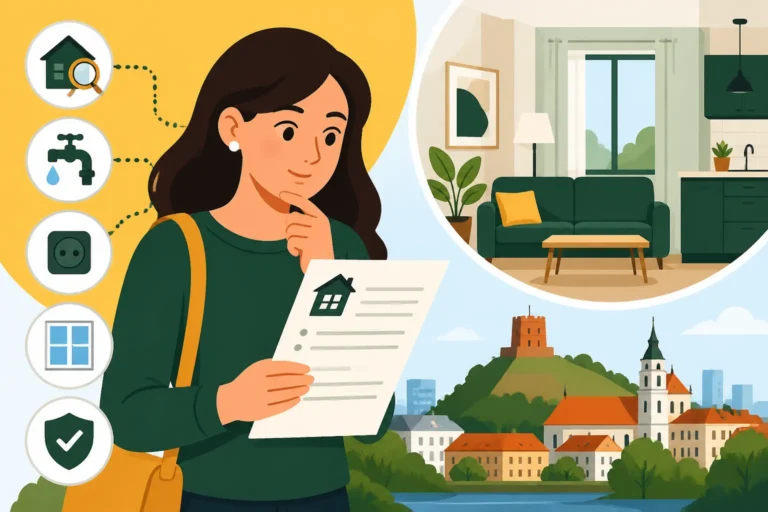
Here's a general list of what you'll typically need:
- Child's Birth Certificate: The original, translated into Lithuanian, and often apostilled or legalised by the Lithuanian embassy/consulate in your home country or by the Ministry of Foreign Affairs in Lithuania. This is absolutely non-negotiable.
- Child's Passport or Identity Card: For identity verification.
- Child's Residence Permit in Lithuania: If your child is a non-EU/EEA citizen. This is crucial as it proves their legal right to reside and study here.
- Parent's Passports and Residence Permits: To prove your legal status in the country and your relationship to the child.
- Proof of Declared Place of Residence (Gyvenamosios Vietos Deklaracija): For public schools, this is critical because school admission is often based on your registered address (catchment area). You’ll need to declare your residency, usually with your rental agreement, at the municipality. If you haven't done this yet, our guide on Declaring Your Place of Residence in Lithuania: The Complete Guide will walk you through it. You might also need a specific document from the Centre of Registers (Registrų Centras) confirming your address; our guide on How Do I Get Proof of Address (Pažyma) from Registrų Centras in Lithuania? can assist you with that.
- Child's Asmens Kodas (Personal Code): This unique 11-digit identification number is absolutely vital for almost all administrative procedures in Lithuania, including school enrollment and healthcare. If your child doesn't have one yet, you'll need to apply for it, often as part of their residence permit application or separately at the Migration Department. Find out more about its importance in How to Get Your Asmens Kodas (Personal Code) and Why It Matters for Healthcare.
- Previous School Records: Report cards, transcripts, or any other official documents from their previous school, detailing their academic progress and the curriculum followed. These will help the Lithuanian school determine the appropriate grade level. Again, ensure these are translated and potentially apostilled.
- Health Certificate (Vaiko sveikatos pažymėjimas): This is a mandatory medical certificate issued by a Lithuanian family doctor (šeimos gydytojas) confirming your child is fit to attend school. It includes vaccination records. You'll need to register your child with a local family doctor to get this. Our article on The Expat Guide to Finding a Family Doctor (Šeimos Gydytojas) in Lithuania can guide you.
- Photos: Passport-sized photos of your child, usually for their school ID or internal records.
Always check with the specific school or municipal education department for their exact requirements, as they can sometimes vary slightly. It’s always better to have too many documents than too few!
Finding and Applying to the Right School
With your stack of documents ready, it’s time to embark on the actual application process.
- Researching Schools: Start by researching schools in your chosen area. For public schools, municipal websites (e.g., vilnius.lt for Vilnius) often list schools and their catchment areas. Expat forums and social media groups are invaluable resources for recommendations and practical advice from other parents who have been through the process.
- Application Process for Public Schools: In major cities, public school applications are usually submitted online through a centralized municipal portal, often called e-mokykla (e-school) or similar. You'll register, fill out forms, and upload your scanned documents. Be aware of application deadlines, which are typically in the spring (March-May) for the upcoming academic year starting in September. If you're arriving mid-year, you'll still need to follow the same process, and the municipality will try to place your child in a school with available space. Proximity to your declared residence is a primary factor in public school admissions.
- Application for Private/International Schools: For private or international schools, you will apply directly to the institution. Their websites will have detailed application forms, requirements, and deadlines. This typically involves submitting an application form, supporting documents, paying an application fee, and often an interview or assessment for the child. Spaces in popular international schools can be limited, so apply early!
- Waiting Lists and Deadlines: Public schools, especially in sought-after neighborhoods, can have waiting lists. International schools almost certainly will. Be prepared for the possibility that your first choice might not be available immediately. Applying well in advance of your move is highly recommended. If you're still in the planning stages of moving, consider services like Sirelo to help streamline the relocation process, allowing you more time to focus on school applications. They can assist with everything from finding movers to understanding customs, taking some of the logistical burden off your shoulders.
Health Checks and Other Pre-Enrollment Requirements
Before your child can officially step into a classroom, there are a couple more hoops to jump through, primarily related to health.
- Mandatory Health Checks (Vaiko sveikatos pažymėjimas): As mentioned, a vaiko sveikatos pažymėjimas is compulsory. This is a comprehensive check-up by a Lithuanian family doctor, covering general health, vision, hearing, and growth. Your child's vaccination records will also be checked against Lithuanian schedules. You can find more information about these in our article on Understanding Vaccination Schedules and Requirements in Lithuania. If your child’s vaccinations aren't up to date according to Lithuanian standards, the doctor will advise on catch-up immunizations.
- School Interviews or Assessments: For older children entering basic or secondary school, particularly in international or private institutions, an interview or academic assessment might be part of the admissions process. This helps the school gauge their academic level, English proficiency (for international schools), and readiness for their curriculum. For public schools, it's less common, but they might assess Lithuanian language proficiency to determine the level of support needed.
Navigating the System Post-Enrollment: What to Expect
Congratulations, your child is in school! But the journey doesn't end there. As an expat parent, you'll want to understand what school life is like and how to continue supporting your child's integration.
Language Support and Integration Programs for Foreign Children
One of the biggest concerns for expat parents is how their child will cope with the language.
- Lithuanian Language Classes (Lietuvių kaip antrosios kalbos – L2): Many public schools, especially in larger cities with more expat families, offer additional Lithuanian language lessons for foreign children. These are usually provided during school hours or after. While helpful, it's important to remember that immersion is often the fastest teacher, and these classes supplement, rather than replace, daily interaction.
- Challenges of Integration: For younger children, adaptation is usually swift, and they often become fluent in Lithuanian remarkably quickly. Teenagers, however, can face greater challenges, especially if they join a public school without prior Lithuanian knowledge. Friendships are already established, and academic subjects become more complex. Empathy and constant communication with your child are key here. Encourage participation in extracurricular activities, which can be a great way to make friends outside of academics.
- Parental Involvement and Communication: Schools in Lithuania generally value parental involvement. Communication often happens through an electronic diary system called e-dienynas, where teachers post homework, grades, and announcements. While many schools are becoming more expat-friendly, having a translation app handy for e-dienynas messages and parent-teacher meetings is a good idea. Don't be shy about asking if a teacher or school administrator speaks English – many do, especially younger staff.
School Life and Curriculum: A Glimpse into the Classroom
Understanding the daily rhythms and academic expectations will help you support your child.
- Typical School Day: The school day generally starts between 8:00 and 9:00 AM and finishes in the early to mid-afternoon, depending on the grade and school. Students usually have a main lunch break and shorter breaks between classes.
- Subjects and Homework: The national curriculum is broad, covering standard subjects like Lithuanian language, mathematics, sciences, history, geography, arts, and physical education. English is typically taught from primary school onwards, and often a second foreign language (like Russian, German, or French) is introduced later. Homework is a regular feature, increasing in volume as children get older.
- Extracurricular Activities: Most schools offer a range of after-school clubs and activities, from sports and arts to chess and various interest groups. These are fantastic for social integration and exploring new hobbies.
- The E-Dienynas (Electronic Diary) System: This digital platform is central to school communication. It allows parents to track grades, attendance, homework assignments, and receive messages from teachers. Ensure you get access to this system as soon as your child is enrolled. For staying connected and managing these digital platforms on the go, a reliable mobile internet connection is essential. An eSIM from a provider like Airalo can be incredibly convenient, ensuring you're always online without needing to swap physical SIM cards or worry about roaming charges, especially in those hectic first few weeks of school.
Managing Logistics and Support as an Expat Parent
Beyond the classroom, there are practical aspects to consider to make school life easier for your family.
- Transportation: Public transport in major Lithuanian cities is efficient and affordable. Children, especially older ones, often use buses and trolleybuses to get to and from school. In Vilnius, the Vilniečio Kortelė (Vilnius Resident Card) is widely used. Some private or international schools might offer school bus services, often for an additional fee.
- Communication with Other Parents: Building a network with other parents, both local and expat, can provide invaluable support and information. Join school parent groups, attend school events, and leverage online expat communities. They can offer advice on everything from school supplies to navigating local holidays.
- Meal Arrangements: Schools usually have canteens offering hot lunches. Parents often have the option to pay for school meals or pack a lunch for their children. Enquire about the meal payment system at your child's school upon enrollment.
- School Holidays: Be aware of the Lithuanian academic calendar. Holidays are typically in autumn, winter (Christmas), and spring (Easter), with a long summer break from June to August. This will help you plan family trips and activities.
Common Challenges and Troubleshooting for Expat Families
Even with all the preparation, you might encounter bumps along the road. It's totally normal, and knowing common pitfalls can help you navigate them better.
Language Barriers and Cultural Differences
This is perhaps the most persistent challenge for expat families.
- Parent-School Communication: It can be incredibly frustrating when you can't fully understand what's happening at school or communicate your concerns effectively. Don't hesitate to politely ask if there's someone at the school who speaks English, or if you can bring a friend to translate for important meetings. Google Translate is your friend for quick messages, but for sensitive topics, a human translator is best.
- Child's Struggle with Lithuanian: Some children, especially older ones, might find the initial period of learning Lithuanian very challenging and feel isolated. Validate their feelings. Patience is key. Encourage watching Lithuanian cartoons, listening to Lithuanian music, and trying to speak simple phrases at home. Celebrate every small win. Remember, the goal isn't immediate perfection, but gradual integration.
- Cultural Nuances: Lithuanian schools, like any institution, have their own unspoken rules and cultural norms. For instance, the teacher's authority is generally very respected. Understanding these nuances comes with time and observation. Don't be afraid to ask other parents for clarification.
Waiting Lists and School Availability
Finding the perfect school spot can be a race against time, particularly in popular areas or for specific school types.
- Popular Public Schools: In Vilnius, for example, certain public schools have excellent reputations and are highly sought after. If you move into a catchment area for one of these, you might still face a waiting list. Have a backup plan or be flexible about school location if your child needs to start immediately.
- International School Capacity: International schools have limited capacity, and waiting lists for certain grades can be long, sometimes extending for a year or more. Applying early, even before you've fully relocated, is highly advisable. If you're struggling, consider looking at schools in cities slightly outside the capital if commuting is feasible, or exploring hybrid learning options if available.
Financial Considerations
While public education is free, there are still costs to consider.
- International/Private School Tuition: As mentioned, these are significant. Factor in not just tuition, but also enrollment fees, application fees, uniform costs, school trips, and extracurricular activities, which can add up quickly.
- Hidden Costs in Public Schools: Even in public schools, you'll be responsible for school supplies, textbooks (though some are provided), school trips, and potentially voluntary contributions for classroom resources. While not as high as tuition, these can still impact your family budget. It's always a good idea to chat with other parents to get a realistic picture of these incidental costs. For a broader understanding of family expenses, our guide on The Complete Guide to Cost of Living in Lithuania for Expats (2026) can provide valuable context.
- Transportation and Meals: While public transport is affordable, daily commutes add up. School meals also incur a cost if you choose that option.
Enrolling your child in school in Lithuania is a significant step in your family's expat journey. It will likely present some challenges, but it's also an incredible opportunity for your child to experience a new culture, learn a new language, and grow in ways you might not expect. With thorough preparation, patience, and a proactive approach, you can navigate the system successfully and help your child thrive in their new academic environment.
Disclaimer
The information provided in this guide is for general informational purposes only and does not constitute legal, financial, or medical advice. While we strive to keep the information up-to-date and accurate, regulations and procedures in Lithuania can change. It is always recommended to consult with official sources, such as the Ministry of Education, Science and Sport, the Migration Department, or a local legal expert, for the most current and specific advice pertaining to your individual situation.