Prescription Medications and Pharmacies in Lithuania: The Complete Guide
Moving to a new country often involves a steep learning curve regarding the most basic necessities, and managing your health is perhaps the most daunting of all. Many expats arrive in Vilnius or Kaunas only to find that the medication they relied on back home is either named something entirely different, requires a digital "e-referral" they don't yet have, or is strictly regulated under the national health system. This guide is designed to demystify the Lithuanian pharmacy landscape, helping you navigate the e-receptas system, find 24-hour assistance, and understand how costs are calculated so you are never left without essential care.
Navigating the Vaistinė: An Overview of Lithuanian Pharmacies
When you first walk down a street in any major Lithuanian city, you will notice the word "Vaistinė" appearing on almost every block. This is the Lithuanian word for pharmacy, and the country has one of the highest densities of pharmacies per capita in the European Union. For a foreigner, this is a massive relief, but it can also be confusing because not all pharmacies are created equal. Some are small, independent boutiques, while most are part of massive national chains that offer loyalty programs, varying price points, and different levels of English-speaking staff.
Identifying Local Pharmacies and Major Chains
The Lithuanian pharmacy market is dominated by a few key players: Eurovaistinė, Camelia, Gintarinė Vaistinė, and Benu. Eurovaistinė is arguably the most visible, often found in large "Akropolis" or "Ozas" shopping malls, and they typically carry a wide range of both medical and cosmetic products. If you are looking for a more budget-friendly option, Camelia is frequently cited by locals and expats alike for having lower prices on non-prescription items, though their shops are often smaller and more utilitarian.
Gintarinė Vaistinė and Benu often position themselves somewhere in the middle, frequently located within primary care centers or "Poliklinikas." When choosing where to go, consider that your e-prescription is not tied to a specific branch. You can have your doctor issue a script in Vilnius and pick it up in a tiny village in the Curonian Spit, provided they have the stock. This flexibility is a cornerstone of Navigating the Lithuanian Healthcare System: An Expat's Roadmap (2027), as it removes the geographical barriers often found in older, paper-based systems.
Opening Hours and 24/7 Access
One of the most significant frustrations for new residents is realizing that most pharmacies close by 8:00 PM or 9:00 PM, especially on weekends. While shopping mall pharmacies stay open until the mall closes (usually 9:00 PM or 10:00 PM), finding a late-night solution requires knowing the "Budinti Vaistinė" or "duty pharmacy." In Vilnius, the most famous 24-hour pharmacy is the Eurovaistinė located on Mindaugo g. 11, which has saved many of us during a midnight fever or an unexpected allergic reaction.
Kaunas and Klaipėda also have designated duty pharmacies, but they may operate through a small window after hours rather than allowing you to walk into the store. It is always wise to bookmark a list of What Pharmacies Are Open Late or 24 Hours in Vilnius? to ensure you aren't frantically searching Google Maps in the middle of the night. Outside of these major hubs, 24-hour access is rare, and you may be directed to the emergency room of the local hospital for urgent medication needs.
The Role of the Pharmacist
Lithuanian pharmacists are highly trained professionals who often hold Master’s degrees in pharmacy. They are not merely retail clerks; they are authorized to provide significant medical advice for minor ailments. In my experience, if you describe your symptoms—even in broken Lithuanian or English—they can recommend effective over-the-counter (OTC) treatments for coughs, colds, or digestive issues. However, they are very strict about regulations; if a drug requires a prescription, no amount of pleading will convince them to sell it to you without one.
For expats, the pharmacist is often the first point of contact in the healthcare chain. They can help you identify local equivalents of foreign brands. For example, if you ask for "Tylenol," they will immediately point you toward "Paracetamolis" or "Acetaminofenas." They also play a crucial role in the Understanding the Lithuanian Pharmacy (Vaistinė) System and Opening Hours framework, acting as a filter before you decide if you need to book an appointment with a family doctor.
Understanding the E-Receptas (Electronic Prescription) System
Lithuania has fully embraced digital transformation in its healthcare sector, and the paper prescription is now almost entirely a thing of the past. The "E-Receptas" is a digital record linked directly to your "Asmens Kodas" (personal code). This system is incredibly efficient once you are in the "system," but for a newcomer waiting on their residence permit, it can feel like a closed door. Understanding how this digital link works is the first step toward medical autonomy in the country.
How the Digital System Works
When you visit a doctor, whether in a public polyclinic or a private center, they do not hand you a slip of paper. Instead, they enter the medication details into a centralized national database. When you walk into any vaistinė, you simply hand the pharmacist your ID card or residence permit. They scan your personal code, and every active prescription appears on their screen. This eliminates the risk of losing a prescription or struggling to read a doctor's illegible handwriting.
For those who are just starting their journey in the country, it is essential to have your personal code ready. If you are still in the process of moving, you might find that you need temporary solutions. I often recommend that newcomers look into Health Insurance in Lithuania: Compulsory, Private and Travel Options Explained to bridge the gap before their public insurance (PSD) becomes active. This is also where a provider like SafetyWing can be invaluable for nomads or those in the middle of a visa transition, providing peace of mind while you wait for your official integration into the e-health system.
Accessing Your Prescriptions via E-Sveikata
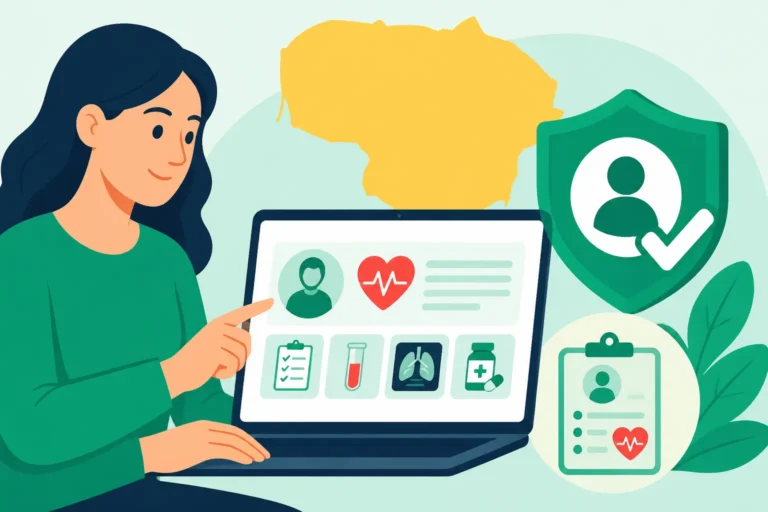
The backbone of the Lithuanian medical system is the "E-Sveikata" portal. As an expat, you can log in to this portal using your e-banking credentials or a Mobile-ID. Once inside, you can see your entire medical history, including past and current prescriptions, their expiration dates, and even the dosage instructions provided by the doctor. This is particularly helpful if you forget exactly how many times a day you are supposed to take a specific pill.
Knowing How Do I Use an E-Receptas at a Pharmacy in Lithuania? starts with being able to navigate this portal. It allows you to monitor how many refills you have left. In Lithuania, many prescriptions for chronic conditions are issued for six months or a year, but they are "dispensed" in smaller batches. The portal will show you exactly when you are eligible to pick up your next box of medication. This level of transparency is a major upgrade from many Western systems, though the interface is primarily in Lithuanian, so having a translation browser extension is a pro-tip for every expat.
Picking Up Meds for Family Members
One of the most convenient features of the digital system is the ability to delegate someone else to pick up your medication. This is a lifesaver if you are too ill to leave the house. You can authorize a spouse or a friend through the E-Sveikata portal. Alternatively, if you haven't set up formal authorization, the person picking up the meds simply needs to present your ID card and, in some cases, know your personal code.
The pharmacist will be able to see that the prescription belongs to you and will record the ID of the person who actually collected the medicine. This is a common practice for parents collecting medicine for their children. To ensure everything goes smoothly, you should understand the basics of Understanding the E-Sveikata (E-Health) System in Lithuania and how to link family members to your account, which is a standard procedure for anyone living here with a family.
Costs and Reimbursement (Kompensuojami Vaistai)
The cost of medication in Lithuania can be a pleasant surprise or a shock, depending on whether the drug is "reimbursed" (kompensuojami) by the state. The National Health Insurance Fund (VLK) covers a significant portion of the cost for many essential medicines, but this only applies to those who are paying into the Compulsory Health Insurance (PSD) system.
| Pharmacy Chain | Typical Price Point | Loyalty Program | Availability |
|---|---|---|---|
| Eurovaistinė | Mid-High | "Kortelė" (Excellent) | Everywhere (Malls) |
| Camelia | Lowest | "Mažų kainų kortelė" | High (Neighborhoods) |
| Benu | High | "Benu vaistinės kortelė" | Moderate (Malls/Hospitals) |
| Gintarinė Vaistinė | Mid | "Myliu" Card | High (Poliklinikas) |
The Price Structure of Medications
Medication prices in Lithuania are regulated, meaning you won't see massive fluctuations for the same brand-name drug between two different pharmacies. However, the "surcharge" or the portion you pay out of pocket can vary slightly based on the pharmacy's own discounts. When a doctor prescribes a medication, they often prescribe the active ingredient (generic name) rather than a specific brand. At the pharmacy counter, the pharmacist is legally required to show you a screen listing all available brands of that medication, starting with the cheapest option.
This transparency allows you to choose between a premium brand and a more affordable generic version. For those concerned about their monthly budget, checking How Much Is the Monthly PSD Contribution Through Sodra? is important because that contribution is what grants you access to these discounted rates. Without being active in the PSD system, you will be required to pay the full commercial price for all medications, which can be significantly higher for specialized treatments.
How Reimbursed Medicines Work
Reimbursed medicines are categorized by the percentage the state covers: 100%, 80%, or 50%. Most life-saving medications for chronic illnesses like diabetes or hypertension are 100% covered, meaning you only pay a small "processing fee" (usually around 1-2 Euros). To access these, your doctor must specifically issue a "reimbursed prescription." Only doctors working in clinics that have a contract with the VLK can do this.
If you are seeing a private specialist who does not work with the public system, they can still issue an e-prescription, but it will be a "full-price" one. Many expats use The Expat Guide to Finding a Family Doctor (Šeimos Gydytojas) in Lithuania to find a public GP who can "translate" their private specialist's recommendations into the reimbursed system. This is a perfectly legal and common way to manage healthcare costs while still enjoying the speed of private consultations.
Surcharges and Out-of-Pocket Expenses
Even with 100% reimbursement, you might see a "patient surcharge." This happens because the state only covers the cost up to the price of the cheapest generic version available. If you insist on a specific German or American brand-name drug that costs more than the generic equivalent, you must pay the difference. This is a common point of confusion for foreigners who expect "free" medicine to mean "any brand for free."
It’s also worth noting that non-residents or those on temporary visas might not be eligible for reimbursement immediately. During this waiting period, having a reliable secondary insurance is crucial. SafetyWing, for instance, provides a flexible safety net for those who haven't yet secured their full PSD status. It can help cover the costs of unexpected medical emergencies where medication is part of the hospital treatment, ensuring that your transition into the Lithuanian system doesn't drain your savings.
Over-the-Counter (OTC) Meds vs. Prescriptions
One of the biggest culture shocks for expats from the US or UK is what qualifies as an over-the-counter medication in Lithuania. You cannot buy a 500-pack of Ibuprofen at a supermarket here. Medication sales are strictly controlled, and while some items are available in specialized "medicine cabinets" in shops like Maxima or Iki, the selection is incredibly limited.
Common OTC Medications and Brand Names
Most standard painkillers, cold remedies, and digestive aids are available without a prescription, but you generally have to ask for them at the pharmacy counter. Popular local brands include "Ibuprom" or "Ibumax" (Ibuprofen), "Paracetamolis" (Paracetamol), and "Mezym" (digestive enzymes). If you have a sore throat, "Liugolis" or various herbal "čiulpiamos tabletės" (lozenges) are the go-to recommendations.
The pharmacists are quite helpful with these, but they will often try to sell you a "complex" cold powder like "Theraflu" or "Gripex." If you prefer single-ingredient medications, you need to be specific. Interestingly, many medications that are OTC in other countries—like high-dose Vitamin D or certain allergy medications—are readily available here, but the pharmacists will still ask a few diagnostic questions before handing them over to ensure you know the proper dosage.
Medications That Require a Prescription
Lithuania is very strict regarding antibiotics, hormonal treatments, and anything affecting the central nervous system. You cannot buy antibiotics OTC under any circumstances. Even certain "strong" cough syrups that contain codeine, which might be available over the counter in some countries, require a prescription here. This is why it is vital to establish a relationship with a local doctor as soon as possible.
If you arrive in Lithuania with a chronic condition, do not assume you can just walk into a vaistinė and show them your empty bottle to get a refill. You will need a local e-prescription. If you find yourself in a bind, some private clinics offer "prescription renewal" appointments that can be booked online and completed in 15 minutes, provided you have medical records to prove your diagnosis. This is a useful tip when Understanding the Electronic Prescription (E-Receptas) System in Lithuania and trying to navigate its stricter boundaries.
Purchasing Meds in Supermarkets and Gas Stations
In recent years, the law relaxed slightly to allow supermarkets and gas stations (like Circle K or Viada) to sell a very limited range of "non-prescription" items. This usually includes small packs of Ibuprofen (200mg), Paracetamol, some heart drops, and basic antiseptic. However, these are often sold at a higher price than in a pharmacy and should only be used for emergencies when all the pharmacies are closed.
For anything beyond a basic headache, you are much better off going to a dedicated vaistinė. The variety in a supermarket is negligible, and you won't get any professional advice. If you are travelling across the country, keep in mind that gas stations are often your only option for medicine after 10:00 PM in rural areas, so it’s wise to keep a basic first-aid kit in your car at all times.
Importing Medications and Travelling with Medicine
If you are moving to Lithuania from abroad, you probably want to bring a few months' supply of your current medication. While this is generally allowed, there are strict rules governing how much you can bring and what documentation you need to have on hand to avoid issues with customs or the local police.
Bringing Personal Supplies to Lithuania
As a general rule, you are allowed to bring a supply of medication for personal use that lasts up to 15 days without any special documentation, provided the meds are in their original packaging. For supplies lasting up to 30 days, you should ideally have a copy of your prescription. If you are bringing "controlled substances"—which include many ADHD medications, strong painkillers, or psychiatric drugs—the rules are much tighter.
For controlled substances, you are usually limited to a 30-day supply and must have a "Schengen Certificate" if you are coming from within the EU, or a notarized translation of your prescription if coming from outside. Failing to do this can lead to the medication being confiscated at the border. I always tell friends to check if they Can I Use a Foreign Prescription at a Lithuanian Pharmacy? before they arrive, as it might be easier to get a local script than to haul a six-month supply through customs.
Using Foreign Prescriptions at Lithuanian Pharmacies
Can you walk into a Eurovaistinė with a paper prescription from London, New York, or New Delhi? The answer is "maybe," but usually "no." Technically, Lithuanian pharmacies are supposed to honor valid prescriptions from other EU countries if they contain specific information (the "Cross-Border Directive"). However, in practice, many pharmacists are hesitant to accept them because they cannot verify them in the digital e-receptas system.
Prescriptions from outside the EU (like the US or India) are almost never accepted. The pharmacist simply has no legal way to process them. If you have a foreign prescription, your best bet is to take it to a local private doctor who can then issue a corresponding Lithuanian e-receptas. This is a standard part of the transition process for many expats and is well-documented in guides on How Do I Use an E-Receptas at a Pharmacy in Lithuania?.
Mailing Medications into Lithuania
A common mistake expats make is having family members mail them medication from home. Do not do this. Sending medication via post or courier is strictly regulated. If the package is inspected by customs, it will almost certainly be seized unless you have a special permit from the State Medicines Control Agency. Even "harmless" supplements can sometimes be flagged if they contain ingredients not approved for sale in the EU.
If you absolutely must have a medication that isn't available in Lithuania, there is a legal process called "unregistered medicinal products." Your Lithuanian doctor must fill out a specific form explaining why no local alternative works, and then a pharmacy can specially order it for you from abroad. It is expensive and slow, but it is the only legal way to "import" medicine once you are living here.
Finding English-Speaking Assistance and Specialized Care
One of the most common fears for expats is the language barrier. While younger pharmacists in the city centers of Vilnius and Kaunas usually speak excellent English, the same cannot always be said for those in smaller neighborhoods or rural towns. However, the medical community in Lithuania is generally quite internationalized.
Communication Barriers and Solutions
If you are struggling to communicate, I highly recommend using the "generic name" of the drug. Instead of saying "I need something for my stomach," show the pharmacist the active ingredient on your phone (e.g., "Omeprazole"). Latin is the universal language of pharmacy, and even a pharmacist who speaks no English will understand the Latin name of a drug.
For those who are not yet comfortable with the language, looking for pharmacies in the city centers—especially those near the universities or major hotels—is your best bet. You can also use the "Manogydytojas" or "E-Sveikata" apps to show your prescriptions visually. If you are a digital nomad using SafetyWing, you also have access to their 24/7 support which can sometimes assist in clarifying medical requirements while you are traveling between regions or countries.
Locating Hard-to-Find Specialty Drugs
Sometimes, a specific medication is out of stock across the entire country. Lithuania is a small market, and supply chain issues do happen. If this happens, you can use the website "vaistai.lt." This is an invaluable tool where you can type in the name of your medication, and it will show you exactly which pharmacy branches in which cities currently have it in stock.
I have used this many times to find specific inhalers or specialized hormones. If the website shows the drug is in a Gintarinė Vaistinė across town, you can even call them and ask them to "reserve" it for you for a few hours. This saves you from driving from pharmacy to pharmacy only to be told "neturime" (we don't have it).
Private Insurance and Medication Coverage
While the public PSD system is great for generic drugs and chronic conditions, many expats prefer to have private health insurance for faster access to specialists. Some private plans also offer a "medication allowance." This usually works on a reimbursement basis: you pay for the medicine at the vaistinė, keep the receipt (kvitas) and the prescription details, and then upload them to your insurance portal to get your money back.
If you are choosing a private plan, make sure to check if it covers "vitamins and supplements" or only "prescription medicines." Most only cover the latter. This is a significant factor when deciding Is Private Health Insurance Worth It for Expats in Lithuania? because the cost of non-reimbursed specialty drugs can add up quickly if you have a complex health profile.
Practical Tips for New Residents
The first 90 days in Lithuania are the most critical for setting up your health routine. Don't wait until you run out of your home-country supply to start looking for a doctor. The system moves at its own pace, and getting your first appointment can sometimes take a week or two in the public system.
Managing Chronic Conditions
If you have a chronic condition, your first priority should be getting your "Asmens Kodas" and registering with a "Poliklinika." You will need to bring your medical history from your home country—ideally translated into Lithuanian or at least in English. Your new family doctor will review these and enter your diagnosis into the E-Sveikata system.
Once your diagnosis is registered, the doctor can issue the necessary e-receptas. Pro-tip: ask your doctor to issue "long-term" prescriptions if your condition is stable. This allows you to pick up your meds every month without having to visit the doctor every time. This is a core part of How to Register a Chronic Condition with My Lithuanian Family Doctor and will save you hours of bureaucratic headache in the long run.
Emergency Access to Medications
If you lose your medication or have a sudden flare-up and cannot reach your doctor, you have two options. First, you can visit a private clinic like "Anteja" or "InMedica" for an urgent "consultation only" appointment. They can usually see you the same day and issue a prescription. Second, if it is a true emergency, go to the "Priimamasis" (ER) of the nearest hospital. They have the authority to dispense a small "emergency supply" of essential medications to stabilize you until you can see your GP.
Always keep a photo of your prescriptions on your phone. Even if it's a foreign one, showing it to an ER doctor or a private consultant makes it much easier for them to help you. In these stressful moments, having a global travel insurance like SafetyWing is a great fallback, as it can help cover the high costs of emergency room visits for those who are still waiting for their residence permits to be finalized.
Disclaimer
This guide is for informational purposes only and does not constitute professional medical or legal advice. While every effort has been made to ensure the accuracy of the information provided, pharmaceutical regulations and healthcare policies in Lithuania are subject to change. Always consult with a qualified healthcare professional or the Lithuanian State Medicines Control Agency for specific medical concerns and the most up-to-date regulatory requirements. Information regarding insurance providers like SafetyWing is based on general availability and should be verified directly with the provider.