What Health Services Are Free for Children in Lithuania?
It's a common worry when you move to a new country: what happens if your child gets sick? The Lithuanian healthcare system can feel like a maze, especially when you're trying to figure out what's covered for your little ones. This guide is here to shed some light on the free health services available for children in Lithuania, from their very first moments through their teenage years, cutting through the confusion so you know what to expect and where to turn.
The Foundation: Compulsory Health Insurance (PSD) for Children
One of the first things you'll grapple with as an expat parent in Lithuania is understanding how health insurance works, particularly for your children. Thankfully, the system generally ensures that minors are well-covered, though the route to that coverage can vary depending on your family's circumstances.
Automatic Coverage for Minors
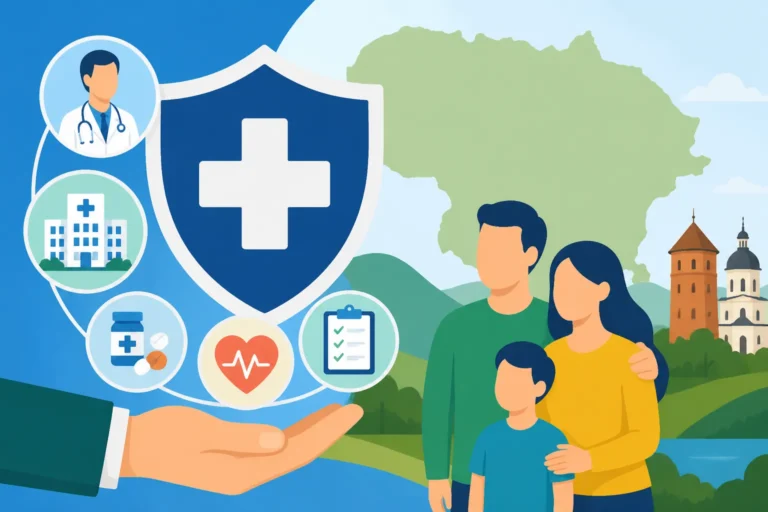
For most expat families legally residing in Lithuania, children under 18 years old are typically covered by the Compulsory Health Insurance (PSD) system, often automatically, provided at least one parent is insured. This is a huge relief for many, but it's not always immediately clear how that coverage is established.
If you are employed by a Lithuanian company, you, as the parent, will be contributing to Sodra (the social insurance fund), and a portion of those contributions goes towards your health insurance. Once you are officially registered in the system, your minor children generally become insured beneficiaries under your status. This means they gain access to the same public healthcare services as Lithuanian children, largely free at the point of use. For example, if you're a new arrival in Vilnius, starting a job in the bustling tech sector, once your employment contract is active and your Sodra contributions begin, your kids should be covered. It's not a separate application process for them; it's a cascade effect from your own legal and insured status. Similarly, if you're self-employed and diligently paying your own monthly PSD contributions, your dependents, including your children, will usually be covered. This principle is fundamental to The Complete Guide to Healthcare in Lithuania for Expats (2027), stressing the collective responsibility for health within the social security framework.
However, it's vital to ensure that your family's details are correctly registered with the appropriate authorities. Sometimes, there might be a lag or a missing piece of information, especially for non-EU citizens or those with more complex immigration statuses. This is where patience and persistence become key. Don't assume everything is automatic until you've received confirmation or can see their status reflecting correctly in the e-health system. Always double-check with the Migration Department (MIGRIS) and your local poliklinika (polyclinic) if you have any doubts about your child's insurance status.
The Importance of the Asmens Kodas
The Asmens Kodas, or personal code, is akin to a social security number or national identification number in other countries, and it's absolutely non-negotiable for accessing virtually any public service in Lithuania, including healthcare for your children. Without it, your child might be treated in an emergency, but routine care will be a significant hurdle.
For a newborn in Lithuania, the Asmens Kodas is usually assigned shortly after birth as part of the birth registration process. The hospital and the civil registry office (Civilinės metrikacijos skyrius) will guide you through this, and it’s usually a pretty smooth process. However, if you're moving to Lithuania with older children who don't already have one, obtaining their Asmens Kodas is one of your very first administrative tasks. This is typically done through the Migration Department once their residence permit is approved, or for EU/EEA citizens, after declaring their right of residence. Once they have this crucial 11-digit number, they can be properly registered with a family doctor, which unlocks the full range of free public health services. Navigating these initial steps can feel overwhelming, but securing this code for each child is paramount for smooth access to healthcare. Understanding its importance and the process is detailed further in How to Get Your Asmens Kodas (Personal Code) and Why It Matters for Healthcare.
It’s worth noting that if you arrive in Lithuania and your child needs urgent medical attention before their Asmens Kodas or PSD coverage is fully processed, they will still receive emergency care. However, for anything beyond that – routine check-ups, vaccinations, or non-urgent specialist appointments – the Asmens Kodas and active PSD status will be required.
Essential Free Services: From Birth to Adolescence
Once your child is properly registered with an Asmens Kodas and covered by Lithuania's compulsory health insurance system, a wide array of essential healthcare services become available to them free of charge. These services are designed to support their growth, prevent illness, and treat medical conditions from infancy through their school years.
Family Doctor Šeimos Gydytojas Services
The šeimos gydytojas (family doctor) is the cornerstone of pediatric care in Lithuania, much like in many European countries. For children, the family doctor functions as their primary caregiver, overseeing their general health and development. After you've managed to How to Choose and Register with a Family Doctor (Šeimos Gydytojas) in Lithuania, your child gains access to a comprehensive suite of free services.
These include all routine check-ups, which are particularly frequent in the first year of life to monitor growth, development, and ensure vaccinations are on schedule. As a parent, you'll find yourself at the poliklinika regularly for these appointments. Beyond routine visits, the family doctor will handle acute illnesses like colds, flu, ear infections, and minor injuries. They are also responsible for prescribing medications and issuing referrals to specialists if needed. Basic screenings for vision and hearing are often integrated into these regular check-ups, especially as children approach school age. For instance, if your child develops a persistent cough or a rash, your first point of contact will always be the family doctor. This system ensures continuity of care and that a single medical professional has an overarching view of your child's health history, which is incredibly reassuring for expat parents still adapting to a new system. It's a truly foundational aspect of The Expat Guide to Finding a Family Doctor (Šeimos Gydytojas) in Lithuania.
Hospital Care and Emergencies
One of the biggest anxieties for any parent, especially abroad, is the thought of a medical emergency involving their child. In Lithuania, rest assured that emergency medical care for children, particularly in life-threatening situations, is provided free of charge to everyone, regardless of their insurance status. The emergency services (dial 112) will respond, and hospitals will treat the child.
Once a child is properly registered with PSD, all necessary hospital care, including diagnostics, treatments, and overnight stays in a ligoninė (hospital), are covered. This includes everything from appendectomies and broken bones to more complex medical interventions. For example, if your child needs to be hospitalized for pneumonia, the costs associated with their stay, medical tests, and treatment will be covered by the compulsory health insurance fund. This extends to necessary surgeries, intensive care, and rehabilitation services recommended by medical professionals. The system is designed to remove financial barriers to critical care for children. While the experience of a child in hospital is never pleasant, knowing that the financial burden is lifted can be a significant comfort. For non-urgent matters, the family doctor is your first port of call, but for true emergencies, the system is there to protect your child, as outlined in Emergency Medical Care in Lithuania: What Every Expat Needs to Know.
Navigating Specialist Care and Vaccinations
While your family doctor is the primary point of contact for your child's health, there will inevitably be times when specialist care or specific preventative measures are necessary. Lithuania's public healthcare system extends its free services to these areas, albeit with a structured approach.
Specialist Referrals and Polyclinics
Accessing specialist care for your child in Lithuania typically follows a referral system. Your family doctor acts as the gatekeeper, assessing your child's condition and, if necessary, issuing an e-referral (or siuntimas) to a specialized doctor. This means you can't just call up a pediatric dermatologist or an eye specialist directly and expect free treatment.
Once the referral is issued, your child can then be seen by a range of specialists at a public poliklinika (polyclinic) or a larger hospital specialist department. This includes pediatricians (for complex issues beyond the family doctor's scope), ophthalmologists, ENT specialists, orthopedists, neurologists, and many others. These consultations and subsequent treatments, if performed within the public system, are free. For instance, if your child has chronic allergies, the family doctor will likely refer them to a pediatric allergist. The challenge for many expat parents, especially in bigger cities like Vilnius or Kaunas, can be the waiting times for these specialist appointments, which can sometimes be lengthy. This can be particularly frustrating when you're used to quicker access in your home country. While private clinics offer faster appointments, these services come at a cost. Understanding the referral process is crucial, and you can learn more about it in How E-Referrals (Siuntimas) Work for Specialists in Lithuania and Understanding the Role of the Polyclinic (Poliklinika) in Lithuania.
Immunization Schedule and Preventative Screenings
One of the most valuable free services for children in Lithuania is the national immunization program. All mandatory vaccinations, as per the official schedule, are provided free of charge to children covered by PSD. This covers a wide range of diseases, including measles, mumps, rubella, diphtheria, tetanus, pertussis, polio, HPV, and many others.
The family doctor's office is usually where these vaccinations are administered, and they will meticulously track your child's immunization record. For new arrivals, it's important to present your child's existing vaccination records so their Lithuanian doctor can integrate them into the local schedule. This ensures your child remains protected and complies with local health requirements, particularly if they will be attending local schools or kindergartens. Beyond vaccinations, the public system also offers various preventative screenings, especially for school-aged children. These might include annual dental check-ups, vision tests, and hearing screenings, often organized through schools or during routine visits to the family doctor. These proactive measures are fundamental to keeping children healthy and identifying potential issues early. For a detailed look at what's expected, consult Understanding Vaccination Schedules and Requirements in Lithuania.
Dental Care for Children
Dental health is another area where children in Lithuania benefit from free services under the PSDF. The focus is primarily on preventative care and essential treatments to maintain oral health.
For children, this typically includes regular dental check-ups, preventative sealants, fluoride applications, and fillings for cavities using standard materials. If a child needs a tooth extracted due to decay or other issues, this procedure is also covered. For example, if your child develops a cavity in a baby tooth, the treatment at a public dental clinic will be free. However, it's important to understand the limitations. Cosmetic dentistry, orthodontics (braces), and more complex prosthodontic procedures (like crowns, beyond very specific medical necessity) are generally not covered by the public insurance and would incur out-of-pocket costs or require private insurance. The public dental clinics, often located within poliklinikas, provide these basic services. While the facilities might not always be as state-of-the-art as private clinics, the care for essential needs is provided. Many expat parents find this coverage adequate for routine care but often opt for private orthodontists if their child requires braces. More details on what is and isn't covered can be found in Understanding Dental Care Coverage Under the PSDF in Lithuania.
Important Considerations for Expat Parents
Navigating a new healthcare system, especially for your children, brings its own set of unique challenges for expat parents. Beyond understanding what's free, it's crucial to prepare for potential hurdles and know where to find additional support.
Language Barriers and Finding English-Speaking Professionals
One of the most frequent frustrations expat parents face in Lithuania is the language barrier. While many younger doctors and medical professionals, especially in Vilnius and Kaunas, have a good command of English, it's not universally guaranteed. This can make explaining your child's symptoms or understanding complex medical instructions incredibly daunting, particularly during stressful times.
In smaller towns or older clinics, you might find that English is less common. This often leads expat families to actively seek out English-speaking doctors or even rely on friends or colleagues to act as translators during appointments. Many private clinics cater specifically to international patients and have English-speaking staff, but these services, of course, come with a fee. When registering with a family doctor at a poliklinika, it's absolutely fine to inquire about English-speaking options. Some larger public polyclinics, particularly in expat-heavy areas, do have designated doctors who can communicate in English. However, don't be surprised if you still encounter situations where Google Translate becomes your best friend, or you bring a Lithuanian-speaking friend along for support. This struggle is real and often understated, making How to Find an English-Speaking Doctor in Lithuania a very popular topic.
Bridging the Gap: Travel and Private Insurance
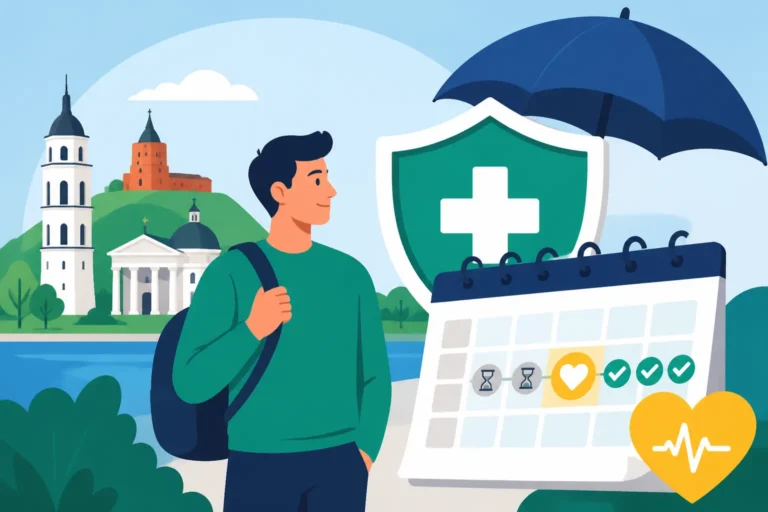
For new arrivals, there's often a waiting period or administrative processing time before your child's PSD coverage is fully active. This interim period can be a source of significant anxiety. What if your child needs medical attention during this time?
This is where a good travel insurance policy can be a real lifesaver. Companies like SafetyWing offer travel and medical insurance designed for digital nomads and expats, which can cover unexpected medical emergencies and accidents during this initial transition phase. It's not designed to replace comprehensive compulsory health insurance or provide routine pediatric care, but rather to act as a crucial safety net for those unforeseen situations where prompt medical attention is required. Imagine your child falling and needing stitches before their local health insurance is active; a reliable travel insurance policy can cover those immediate, unforeseen costs. Similarly, for those who wish to bypass potential waiting times for specialist appointments or seek care at private facilities, private health insurance plans are an option. While these come with a monthly premium, they offer flexibility and faster access, often with English-speaking staff. It’s about weighing the costs against the convenience and peace of mind, especially when it comes to your child’s health. Explore more options in Health Insurance in Lithuania: Compulsory, Private and Travel Options Explained.
The Role of E-Sveikata
Lithuania boasts a robust electronic health system, E-Sveikata, which can be incredibly useful for managing your child's healthcare, once you get the hang of it. This digital portal allows parents to access their child's medical records, view past consultations, see prescribed medications (e-receptas), and even check for referrals (siuntimas) issued by their family doctor.
To access E-Sveikata, you'll typically need to log in using your electronic banking credentials or a mobile signature, which means having a Lithuanian bank account or a locally registered mobile number. Once logged in, you can often see your child's health history, upcoming appointments, and vaccination records. This digital access is invaluable for tracking their health journey, especially if you need to provide medical information for school or other activities. It cuts down on paperwork and provides a centralized hub for all medical data. While the interface is primarily in Lithuanian, with a little help from translation tools or a local friend, you can usually navigate it effectively. It's a powerful tool that streamlines many aspects of healthcare management, making the system much more transparent for parents. Learn more about it in Understanding the E-Sveikata (E-Health) System in Lithuania.
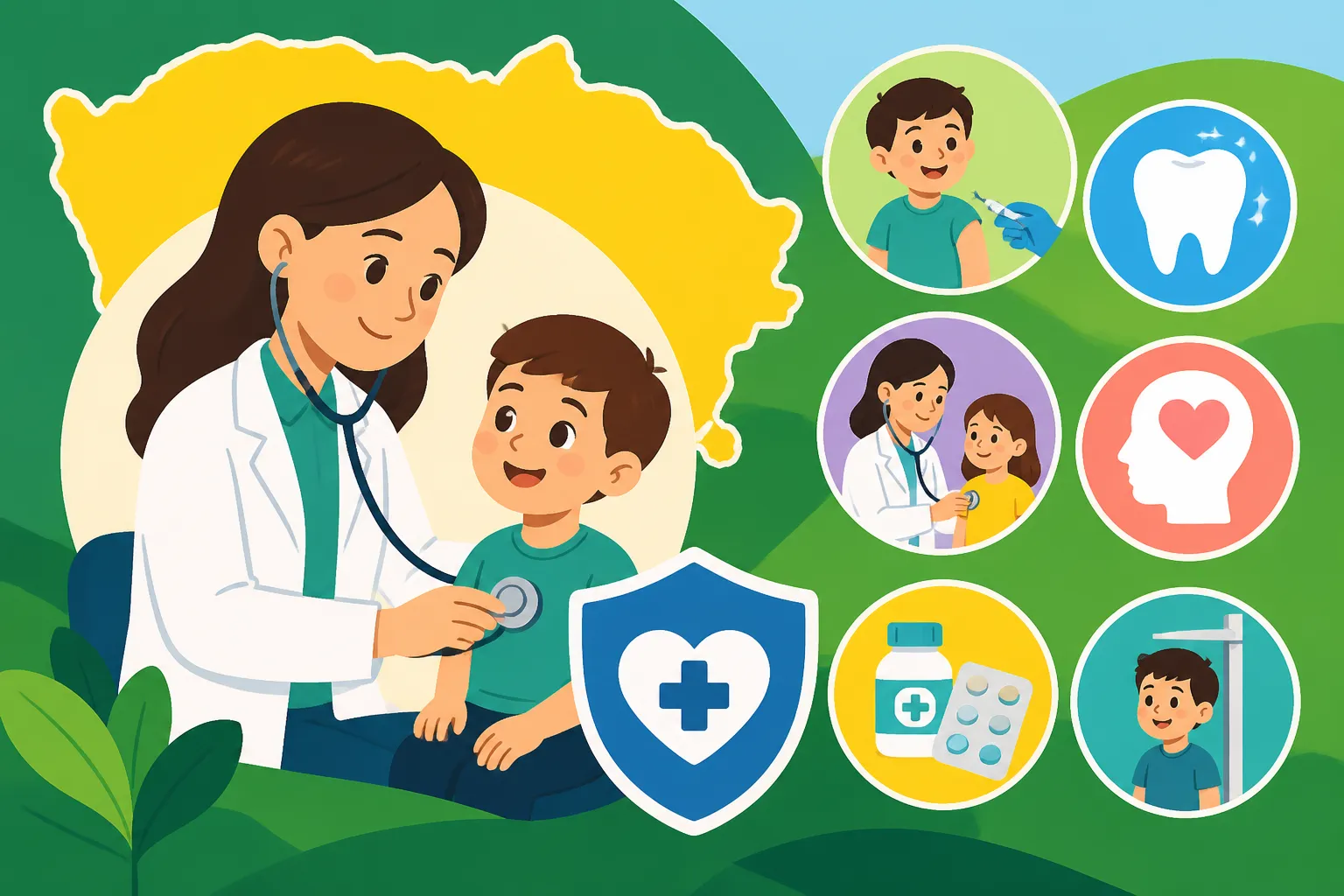
Here’s a quick overview of common free services:
| Service Category | Specific Services | Age Group Covered | Covered by PSDF | Requires Referral (Post Family Doctor) |
|---|---|---|---|---|
| Primary Care | Routine check-ups, growth monitoring, acute illness visits, basic screenings | 0-18 years | Yes | No (Family Doctor is primary) |
| Vaccinations | All mandatory vaccinations according to national schedule | 0-18 years | Yes | No |
| Emergency Care | Life-threatening medical interventions, ambulance services, emergency room visits | All ages (including children) | Yes | No |
| Hospital Stays | Diagnostics, treatments, surgeries, intensive care (if medically necessary) | 0-18 years | Yes | Yes (typically from specialist) |
| Specialist Consultations | Pediatrician, Ophthalmologist, ENT, Dermatologist, Orthopedist, Neurologist, etc. | 0-18 years | Yes | Yes |
| Dental Care | Routine check-ups, cleanings, preventative sealants, fluoride, basic fillings, extractions | 0-18 years | Yes | No (direct to public dentist) |
| Medical Prescriptions | Subsidized or free (depending on condition) medications prescribed by doctors | 0-18 years | Yes | No (from treating doctor) |
| Preventative Screenings | Vision, hearing, development screenings | 0-18 years | Yes | No (integrated into check-ups) |
Disclaimer
The information provided in this guide is intended for general informational purposes only and does not constitute legal, financial, or medical advice. While we strive to keep the content up-to-date and accurate, regulations and services in Lithuania can change. Always consult with official sources, healthcare providers, or legal professionals for advice tailored to your specific situation. We cannot be held responsible for any inaccuracies or outdated information.