How to Register a Vehicle with Regitra in Lithuania
Oh, the joy (and sometimes, utter despair) of dealing with administrative tasks in a new country! Registering a vehicle in Lithuania with Regitra is one of those quintessential expat experiences that can feel like navigating a bureaucratic maze blindfolded. From puzzling over forms in a language you’re just starting to grasp to ensuring you have every single piece of paper they might possibly ask for, it’s enough to make you want to walk everywhere. But don't fret! This guide is here to demystify the process, break down the steps, and give you the real-world insights you need to get your wheels legally on Lithuanian roads.
Understanding Regitra and Why It Matters for Expats
When you first arrive in Lithuania, you'll quickly learn that certain institutions become cornerstones of your new life. Regitra is absolutely one of them if you plan on driving or owning a vehicle. Think of them as the gatekeepers to all things related to vehicle registration, driving licenses, and roadworthiness in this country. And trust me, you'll want to get acquainted.
What is Regitra and Its Role?
Regitra, or the State Enterprise "Regitra" as it's officially known, is the national authority responsible for registering vehicles, issuing Lithuanian driving licenses, conducting driver's exams, and ensuring vehicles meet technical requirements. For expats, their role is paramount because they are the only place where you can legally register a car, get your plates, or even process a change of ownership.
They are the central hub for ensuring that every vehicle on Lithuanian roads is properly identified, taxed (indirectly, by confirming registration), and compliant with safety and environmental standards. If you've just moved here and brought your car, or if you're planning to buy one locally, a trip to a Regitra branch – whether in Vilnius, Kaunas, Klaipėda, or any other city – is inevitable. Their systems are interconnected with other crucial state institutions like the tax authority (VMI) and the social insurance fund (Sodra), which means that any discrepancies in your personal data or vehicle history can cause delays.
Initial Hurdles: Why Foreigners Find This Tricky
Let's be honest: even in your home country, dealing with vehicle registration can be a drag. Now, add a new language, unfamiliar procedures, and different expectations for documentation, and you've got a recipe for frustration. Many expats have found Regitra to be one of the more challenging administrative encounters.
One of the biggest hurdles is the language barrier. While some Regitra staff in larger cities might speak English, it's by no means guaranteed. Trying to explain a complex vehicle history or understand specific Lithuanian regulations through gestures or Google Translate can be incredibly stressful. This is where having a Lithuanian-speaking friend or, if budget allows, hiring a local assistant, can be a godsend.
Then there’s the documentation itself. What seems perfectly logical in your home country might not fly here. For instance, the original title document from a non-EU country could be scrutinized in ways you didn't expect, or a simple bill of sale might need additional notarization. The bureaucracy isn't necessarily malicious; it's just different, and often incredibly rigid. They follow procedures to the letter, and if you're missing even one seemingly minor detail, you'll be politely (or not-so-politely) sent away to get it sorted, only to start the queue all over again. Validating your struggles is important here because it's not just "you" being incompetent; it's a genuine systemic challenge. It’s part of the process of moving to Lithuania.
Essential Pre-Registration Steps: Before You Even Touch a Regitra Form
Before you even think about stepping foot into a Regitra office, there are some fundamental steps you must take. Skipping any of these will lead to instant rejection and a wasted trip, often resulting in multiple return visits.
Your Asmens Kodas and Declared Residence: Non-Negotiables
First and foremost, you need to be officially recognized in Lithuania. This means having your Lithuanian personal code, known as an Asmens Kodas, and having your place of residence declared. These aren't just for healthcare or tax purposes; they're the bedrock of almost all administrative processes, including vehicle registration. Without an Asmens Kodas, you literally don't exist in their system, and you cannot register a vehicle in your name.
If you’re still navigating this, I highly recommend checking out our guide on How to Get Your Asmens Kodas (Personal Code) and Why It Matters for Healthcare. Once you have your personal code, your next step is to declare your place of residence. This is crucial because it links you to a physical address in Lithuania, which is required for official correspondence and various administrative tasks. You can't just provide any address; it needs to be officially registered with the municipality and then with the Registrų Centras. This process is covered in detail in our Declaring Your Place of Residence in Lithuania: The Complete Guide. Make sure you have proof of this declaration, as Regitra might ask for it, especially if their systems haven't fully updated yet.
Vehicle Ownership Documentation: The Paper Trail You Need
This is where things can get incredibly specific, depending on whether you're buying a car locally or importing one. Regardless, you need an impeccable paper trail proving you are the rightful owner.
- For locally purchased vehicles: If you're buying a used car from another individual in Lithuania, you'll need the seller's registration certificate (registracijos liudijimas), a valid purchase agreement (pirkimo-pardavimo sutartis), and both your IDs. The purchase agreement needs to clearly state the seller's and buyer's details, vehicle information (VIN, make, model, year, license plate), sale price, and the date. While a simple agreement is often sufficient, some expats feel more secure if it's notarized, although it's usually not a legal requirement for transfer of ownership at Regitra if both parties are present. You can find more comprehensive advice on this in How to Buy a Used Car in Lithuania as a Foreigner.
- For imported vehicles (from EU/EEA): You'll need the original foreign registration certificate (both parts, if applicable), a purchase invoice or bill of sale, and possibly a Certificate of Conformity (CoC) if it's a newer vehicle or if requested by Regitra. The CoC proves the vehicle meets EU technical standards.
- For imported vehicles (from non-EU/EEA): This is where it gets complex. You'll need the original title or registration document from the country of origin, the purchase invoice, proof of customs clearance, and a Single Administrative Document (SAD) if applicable. You will also definitely need a Certificate of Conformity or individual approval to prove the vehicle meets EU standards. This often involves an expert assessment, which can be an additional cost and time investment. Remember that any documents not in Lithuanian will likely need to be officially translated by a sworn translator, and sometimes apostilled.
Always, always bring the originals of all documents, along with copies. Regitra usually prefers to see the originals and might keep copies for their records.
Insurance and Technical Inspection: Getting Road-Ready
You cannot register a vehicle in Lithuania without valid compulsory insurance and a passing technical inspection. These are non-negotiable for road safety and legal compliance.
- Compulsory Third-Party Liability Insurance (TPVCA or "Civilinė atsakomybė"): This is mandatory for all vehicles on Lithuanian roads. It covers damages you might cause to other vehicles or property in an accident. You can purchase this from any insurance provider operating in Lithuania, such as Gjensidige, ERGO, If, or Lietuvos draudimas. Most offer online quotes and policies, or you can visit their offices. You’ll need your vehicle’s VIN and your Asmens Kodas to get a quote. They will issue an electronic policy, which Regitra can verify in their system.
- Voluntary Comprehensive Insurance (CASCO): While not mandatory for registration, many expats opt for CASCO insurance, especially for newer or more valuable vehicles. It covers damage to your own vehicle, theft, fire, and other perils. It’s an added layer of protection but doesn’t replace the compulsory third-party liability.
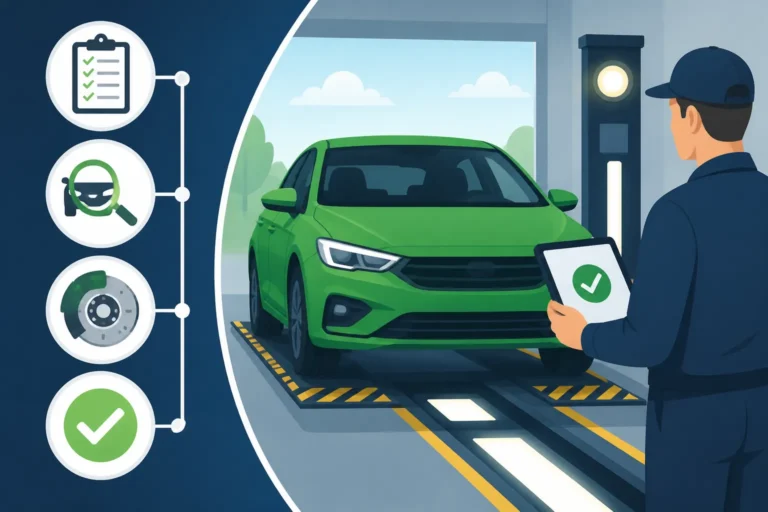
- Technical Inspection (Techninė Apžiūra): Before registration, your vehicle must pass a rigorous technical inspection to ensure it's roadworthy and environmentally compliant. This is done at designated techninė apžiūra stations across Lithuania. You'll need your vehicle's foreign registration documents (if imported) or previous Lithuanian registration document (if locally bought) and your ID. The inspection checks everything from brakes and lights to emissions and chassis integrity. If your vehicle fails, you'll receive a list of defects that need to be fixed before you can get a re-inspection and ultimately pass. You can dive deeper into this process by checking out our detailed guide on Understanding the Vehicle Roadworthiness Test (Techninė Apžiūra) in Lithuania. Remember, even a single expired bulb can be a reason for failure, so it's wise to do a quick check beforehand.
The Vehicle Registration Process: Step-by-Step with Regitra
Once you’ve gathered all your documents and ensured your vehicle is insured and roadworthy, it’s time to face Regitra itself. This is where your patience will truly be tested, but knowing the steps can help immensely.
Booking an Appointment or Walking In: Navigating the System
Regitra offers two main ways to get your business done: pre-booking an appointment online or simply walking in.
- Booking an appointment online: This is almost always the recommended approach, especially for complex procedures like initial vehicle registration or importing a car. You can visit the official Regitra website (www.regitra.lt) and navigate to their e-services section. You'll need to select the type of service you need, your preferred branch (e.g., Vilnius, Kaunas), and a suitable date and time. Booking in advance usually means significantly shorter wait times once you arrive, as you’ll have a specific slot. It also allows you to prepare mentally and ensure you have all documents ready. However, popular branches, especially in larger cities like Vilnius, can have appointments booked weeks in advance, so plan accordingly. If you’re coming from a non-EU country and need to stay connected while waiting for your appointment, a local eSIM from a provider like Airalo can be a lifesaver for data access on the go, making those wait times more bearable.
- Walking In: If you're feeling lucky or have a very simple transaction (like transferring ownership of a locally registered car with the previous owner present), you can try walking in. However, be prepared for potentially long queues, especially during peak hours (mid-morning, lunch breaks, and late afternoons). You'll usually take a numbered ticket from a machine at the entrance, and then it's a waiting game. My advice? Avoid Mondays and Fridays, and early mornings if possible. If you must walk in, try going mid-week, mid-day.
Always double-check the opening hours of your chosen Regitra branch online before you head out.
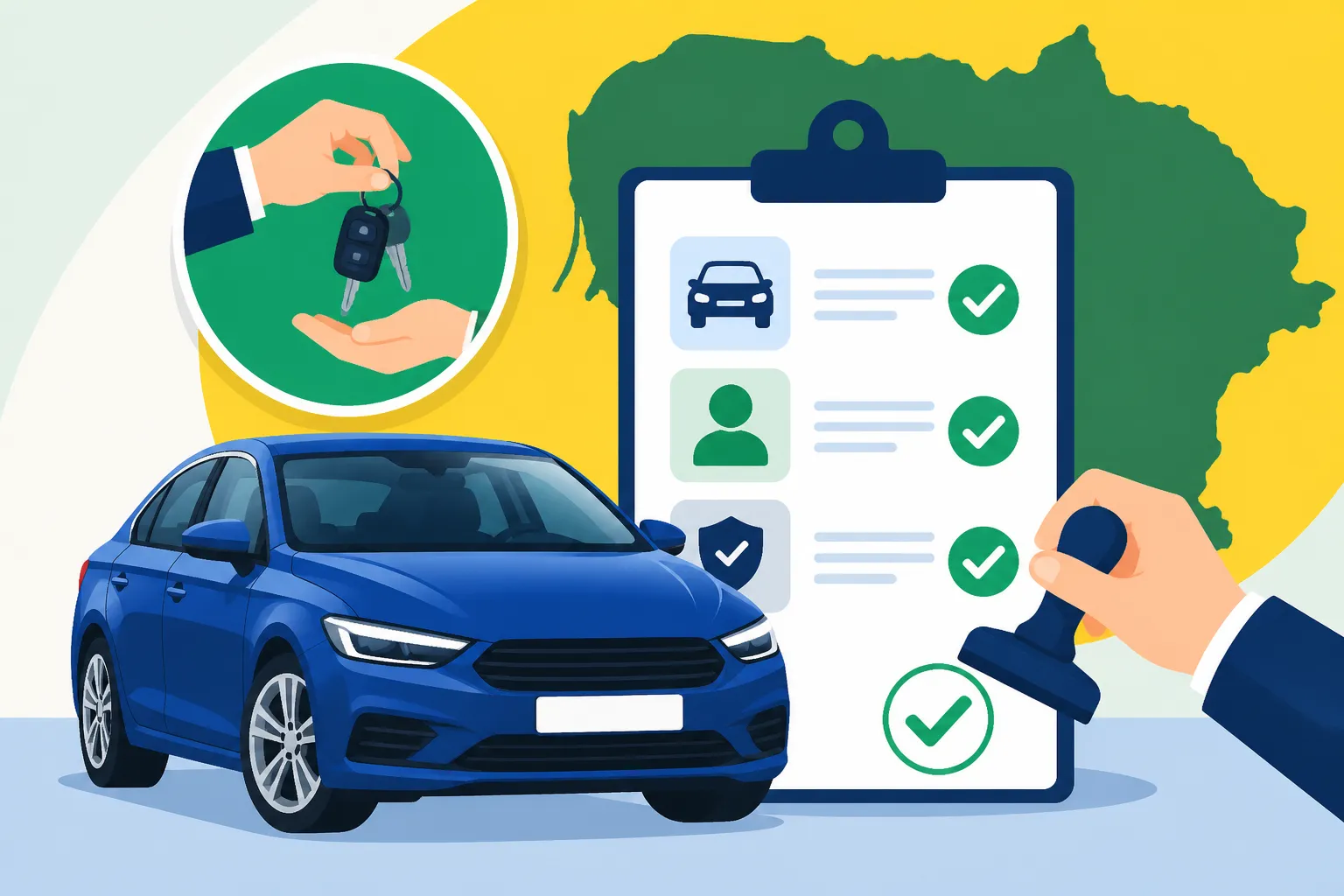
Required Documents for Registration: The Checklist
This is the make-or-break section. You must have all these documents in order. Let’s break it down by common scenarios:
General Documents (always required):
- Your valid personal identification document (passport or Lithuanian ID card).
- Your Lithuanian Asmens Kodas.
- Proof of declared residence in Lithuania (if not yet updated in their system).
- Proof of valid compulsory third-party liability insurance.
- A valid techninė apžiūra (technical inspection certificate).
- Payment for registration fees (cash or card accepted).
For a Locally Purchased Used Vehicle:
- The previous owner's registracijos liudijimas (Lithuanian registration certificate).
- The pirkimo-pardavimo sutartis (purchase agreement), signed by both buyer and seller. If the seller is present, they will also sign forms at Regitra.
For an Imported Vehicle (from EU/EEA country):
- Original foreign registration certificate (all parts, e.g., Part I and Part II for Germany).
- Purchase invoice or bill of sale.
- Certificate of Conformity (CoC), especially for vehicles first registered after 1996. If you don't have one, Regitra might still process it if the vehicle type is recognized, but it can cause delays.
- Proof of customs clearance and VAT payment if applicable (e.g., if it's a new vehicle or coming from specific territories).
For an Imported Vehicle (from non-EU/EEA country):
- Original foreign title or registration certificate.
- Purchase invoice or bill of sale.
- Proof of customs clearance, including import duties and VAT paid to the Lithuanian Customs Department. This will usually involve a formal customs declaration.
- Individual approval certificate proving the vehicle meets EU standards (often involves an expert assessment from a certified body). This can be complex and expensive.
- Official translations of all foreign documents into Lithuanian by a sworn translator.
- Possibly an apostille on your foreign title document, depending on the country of origin.
Remember that fees for vehicle registration vary based on the vehicle type, emissions, and engine size. You can get an estimate of these costs from Understanding Vehicle Registration Tax and Costs in Lithuania.
The Registration Appointment Itself: What to Expect
You've made it this far! Now for the actual appointment.
- Arrival and Queuing: If you have an appointment, you'll likely check in at a self-service terminal or with a greeter, confirming your appointment time and receiving a new ticket number. If you're a walk-in, grab a ticket from the machine for "vehicle registration" or "registration of imported vehicle."
- The Counter: When your number is called, approach the designated counter. Present all your original documents. The Regitra specialist will meticulously review everything. This is where patience is key. They might ask questions, and if you're not fluent in Lithuanian, this can be challenging. Don't be afraid to ask them to speak slowly or write things down. Having Google Translate handy on your phone is a good backup.
- Vehicle Inspection (on-site): For initial registrations (especially imports), Regitra often requires a physical inspection of your vehicle on their premises. This is usually a quick check of the VIN, engine number, and general condition to ensure it matches the documents and the techninė apžiūra report. The specialist will guide you to where you need to park and present your car.
- Processing and Payment: If all documents are in order and the inspection is passed, the specialist will process your registration. You’ll pay the registration fees at the counter. These fees typically cover the administrative process, the new license plates, and the registration certificate.
- Issuing Documents and Plates: Congratulations! Once payment is processed, you will receive your new Lithuanian license plates (valstybinio numerio ženklai) and the registracijos liudijimas (vehicle registration certificate). This certificate is a small, credit-card-sized document that you must keep in your car at all times when driving.
The entire process, even with an appointment, can take anywhere from 30 minutes to a couple of hours, depending on the complexity of your case and the efficiency of the branch.
Special Cases and Scenarios for Expats
While the general steps apply, certain situations involving imported vehicles have their own unique complexities that expats need to be aware of.
Importing a Vehicle from an EU Country: Simpler, But Still Not Easy
Bringing your car from another EU country generally involves fewer headaches than importing from outside the EU, thanks to the principle of free movement of goods and harmonized standards. However, "simpler" doesn't mean "simple."
You won't typically face customs duties for an EU vehicle. However, if the car is considered "new" for tax purposes (less than 6,000 km or under 6 months old since first registration), you will need to pay Lithuanian VAT (PVM) on it, even if you paid VAT in another EU country. You'd then apply for a refund in the original country. This is handled through the Lithuanian Tax Authority (VMI), not Regitra directly, but Regitra will flag it. Make sure you report this correctly to avoid issues later with the VMI Electronic Declaration System (EDS) when filing taxes, which you can learn more about in How to File Your Annual Income Tax Return (GPM) in Lithuania.
The main focus for EU imports will be the techninė apžiūra and ensuring you have both parts of the foreign registration certificate. If your vehicle has any modifications not standard in Lithuania or the EU, you might be required to provide additional documentation or even have it individually approved, which could incur extra costs and time. Always check that your Certificate of Conformity is readily available, as it can streamline the process.
Importing from a Non-EU Country: The Customs Gauntlet
This is where things get considerably more complicated and expensive. Importing a vehicle from a non-EU country means it’s subject to customs procedures, import duties, and Lithuanian VAT (PVM).
- Customs Declaration: Your vehicle must be declared to Lithuanian Customs upon arrival. This involves filling out a customs declaration, usually done through a customs broker, and providing all your ownership documents, purchase invoices, and transport documents.
- Duties and VAT: You will be assessed for import duties (which vary by vehicle type and origin country) and the standard Lithuanian VAT rate (currently 21%) on the vehicle's customs value (purchase price + transport + insurance). These payments must be made before the vehicle can be released from customs.
- Compliance and Individual Approval: This is the big one. Vehicles from outside the EU often do not meet specific EU environmental and safety standards (e.g., emissions, lights, braking systems, even certain types of glass). You will likely need to obtain an "individual approval" from a designated technical service, which can be a lengthy and costly process. This might involve modifications to your vehicle. Without this approval, Regitra will not register your car. This can be a real pain point, as modifications can be expensive and sometimes impossible for older or niche vehicles. If you've used a company like Sirelo for your move, they might offer advice or even services for vehicle transport and customs, but the technical compliance is always your responsibility.
- Official Translations: As mentioned earlier, all foreign documents from non-EU countries will need official Lithuanian translations, often by a sworn translator, and potentially an apostille if your home country is a signatory to the Hague Apostille Convention.
My personal advice? Unless your non-EU car holds immense sentimental value or is a rare classic, seriously consider selling it before you move and buying a car once you're in Lithuania. The costs and bureaucracy involved in non-EU imports can often outweigh the benefits.
Registering a Locally Purchased Used Vehicle: Less Hassle, Still Rules
This is generally the easiest scenario for expats, assuming the vehicle already has Lithuanian registration. The key is simply transferring ownership correctly.
When buying from another individual, it's best if both you and the seller go to Regitra together. This streamlines the process immensely. You'll both present your IDs, the seller will provide the registracijos liudijimas, and you'll present the signed pirkimo-pardavimo sutartis. The Regitra specialist will verify the details, and the ownership transfer will be processed. You'll pay the registration fee, and the new registracijos liudijimas will be issued in your name. You keep the existing Lithuanian license plates.
If the seller cannot accompany you, they might need to complete some online forms via Regitra’s self-service portal beforehand to initiate the transfer, and you'll bring the proof of this and the signed purchase agreement. Make sure all details on the purchase agreement match the vehicle and the seller's information perfectly. Any discrepancies can halt the process.
After Registration: What Comes Next and Ongoing Obligations
Getting your Lithuanian plates is a huge relief, but it’s not the end of your responsibilities. Owning a car in Lithuania comes with ongoing obligations you need to be aware of.
Understanding Your New Lithuanian Registration Documents
Once registered, you'll receive two main things:
- Lithuanian License Plates (Valstybinio numerio ženklai): These are the physical plates you affix to your car. Standard plates are white with black characters, featuring the EU flag and "LT" on the left.
- Vehicle Registration Certificate (Registracijos liudijimas): This is the credit-card-sized document that legally proves your vehicle's registration in Lithuania. It contains key information about your vehicle (make, model, VIN, engine size, fuel type, date of first registration, etc.) and the owner's details. You must always carry this document with you when driving. Failure to present it to a police officer can result in a fine. This is a common mistake for expats who are used to leaving such documents at home.
Annual Obligations: Roadworthiness Tests and Insurance Renewals
Keeping your vehicle legal on Lithuanian roads involves a couple of regular checks:
- Annual Technical Inspection (Techninė Apžiūra): Unlike some countries where inspections are every few years, in Lithuania, vehicles generally require a techninė apžiūra every two years (for passenger cars older than 3 years) or annually for certain commercial vehicles. The expiry date is printed on your registracijos liudijimas and displayed on a small sticker on your windshield. Driving with an expired inspection is illegal and will result in a fine. Always keep an eye on this date and book your inspection well in advance. Our guide on Understanding the Vehicle Roadworthiness Test (Techninė Apžiūra) in Lithuania will give you a full rundown.
- Compulsory Third-Party Liability Insurance Renewal: Your TPVCA insurance policy will have an expiry date, usually one year from purchase. It is your responsibility to renew this before it expires. Most insurance companies will send you reminders, but don't rely solely on them. Driving without valid insurance is a serious offense with hefty fines and potential vehicle impoundment.
Selling Your Vehicle in Lithuania as an Expat
If the time comes to leave Lithuania or simply upgrade your ride, you'll need to know how to properly sell your registered vehicle. This process is essentially the reverse of buying one.
- Find a Buyer: Advertise your car through local online platforms (e.g., Autoplius.lt, Skelbiu.lt) or expat groups.
- Purchase Agreement: Draft a pirkimo-pardavimo sutartis (purchase agreement) with the buyer, detailing the vehicle, price, and both parties' information.
- Transfer at Regitra: Ideally, go with the buyer to a Regitra branch. You'll both present your IDs, the current registracijos liudijimas, and the signed purchase agreement. The ownership will be transferred from your name to the buyer's name in their system. The buyer will pay the transfer fee and receive a new registracijos liudijimas.
- Insurance Cancellation: Once the sale is complete and ownership transferred, remember to contact your insurance provider to cancel your TPVCA and CASCO policies. You may be eligible for a pro-rata refund for the unused period.
Failing to properly transfer ownership means the car could still be legally linked to you, potentially leading to issues with future fines or liabilities.
Troubleshooting Common Expat Challenges
Despite your best efforts, sometimes things just don't go smoothly. Here are some common problems expats face at Regitra and how to tackle them.
Language Barriers and Finding Help
This is perhaps the most universal challenge. If you're not confident in Lithuanian, communicating complex details can be incredibly frustrating.
- Bring a Lithuanian Speaker: This is, hands down, the best solution. Ask a trusted friend, colleague, or even consider hiring a local assistant or translator for an hour or two. Their understanding of both the language and the local bureaucracy can be invaluable.
- Google Translate: While not perfect, using a translation app on your phone can help with basic questions and understanding the gist of what's being said. Show staff a translated question, or try to translate their responses.
- Regitra's English-speaking staff: In larger cities like Vilnius or Kaunas, you might find staff who speak English. It’s not guaranteed, and you might need to ask if there’s someone available. Sometimes, going to a less busy branch might yield more patient English speakers.
- Online Resources: Regitra's website does have an English version for some sections, which can help you prepare.
Missing or Incorrect Documentation
"You're missing X document" is a sentence that can quickly deflate your spirits.
- Double-check everything: Before you leave home, literally check off every single item on your list, comparing it against the requirements on the Regitra website or this guide.
- Originals and Copies: Always bring the originals and at least one set of copies for everything.
- Contact the Origin Country: If you're missing a document from your home country (e.g., an old title, a CoC), you'll need to contact the relevant authorities or previous owners there to obtain duplicates or certified copies. This can take time, so start early.
- Official Translations: If a document is in a language other than Lithuanian, make sure it's officially translated by a certified translator. Regitra will not accept unofficial translations.
- Proof of Customs Clearance: For non-EU imports, the proof of customs duties and VAT payment is critical. If you or your customs broker made an error, you'll need to go back to the Customs Department to rectify it.
Dealing with Delays and Rejections
Being told "no" or experiencing unexpected delays can be incredibly disheartening.
- Stay Calm and Polite: Bureaucrats are people too, and being confrontational rarely helps. A polite, patient approach is always best.
- Ask for Clarification: If your application is rejected, politely ask why and what exactly you need to do to fix it. Write down the specific reasons and required documents. Don't leave until you fully understand the next steps.
- Escalate if Necessary (Politely): If you feel you're being unfairly treated or misunderstood, you can politely ask to speak to a supervisor. Sometimes, a fresh pair of eyes can resolve a misunderstanding.
- Patience and Persistence: This is the mantra of expat life in Lithuania. Things sometimes just take longer than you'd expect. Don't give up. Gather the missing pieces, try again, and eventually, you'll get there. It’s all part of the unique experience of navigating administrative systems in a new country.
By understanding these potential pitfalls and preparing thoroughly, you can significantly smooth your journey through the Regitra registration process and get your vehicle legally on the road in Lithuania. Good luck!
Disclaimer
The information provided in this guide is intended for general informational purposes only and does not constitute legal, tax, or professional advice. While we strive to ensure the information is accurate and up-to-date, regulations in Lithuania, particularly those related to vehicle registration and import, can change frequently. Expats are strongly advised to consult the official Regitra website (www.regitra.lt), the Lithuanian Migration Department, the State Tax Inspectorate (VMI), and other relevant authorities, or seek professional advice for their specific circumstances. We cannot be held responsible for any actions taken or not taken based on the information presented here.