How Do I Set Up Electricity After Moving Into a Lithuanian Apartment?
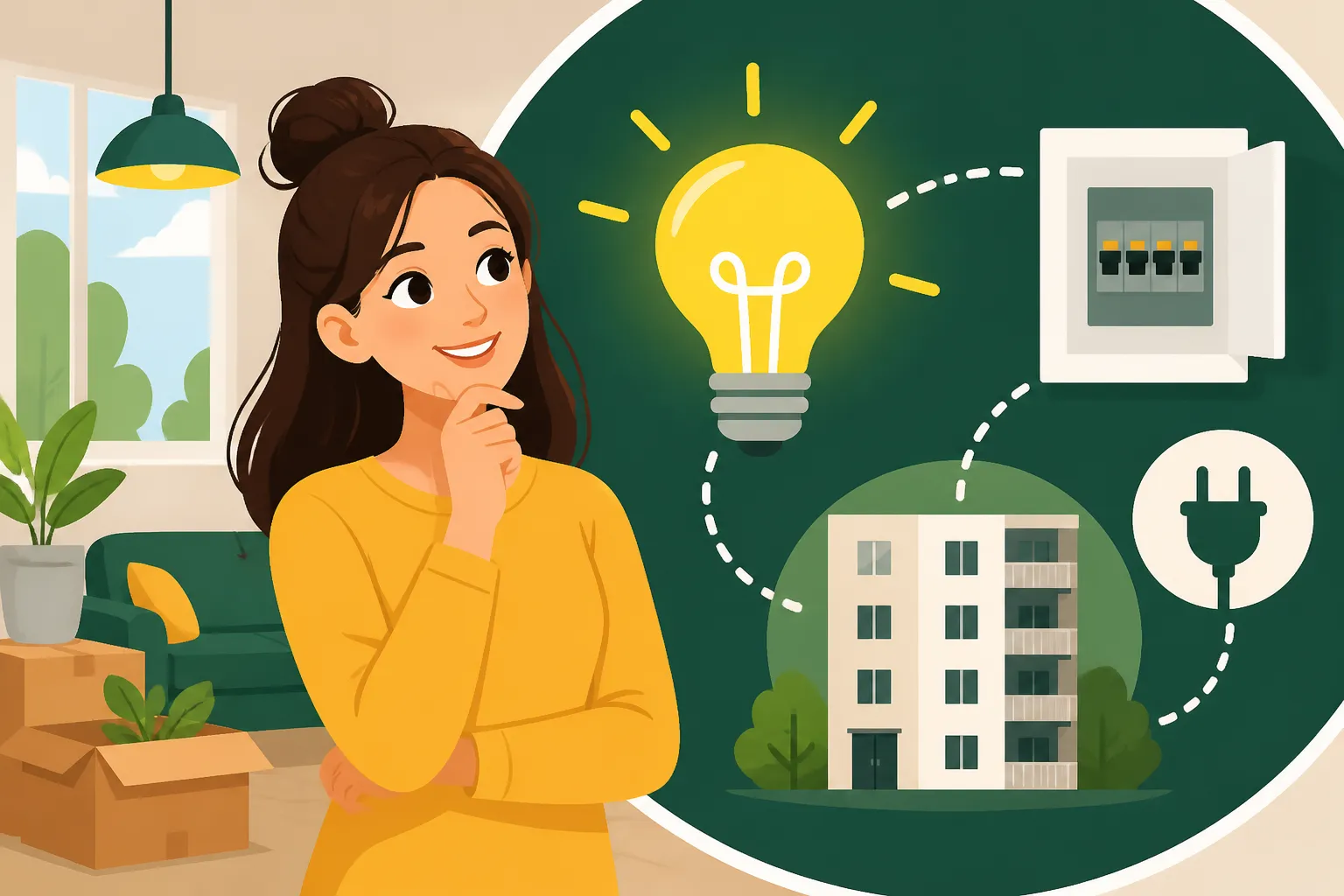
Alright, my fellow expat, you’ve finally landed in your new Lithuanian apartment, the boxes are (mostly) unpacked, and you're ready to settle in. Then it hits you: how do you get the lights on? Or, more accurately, how do you make sure they stay on and you’re not hit with a surprise bill from the previous tenant? Navigating utility setup in a new country can feel like solving a Rubik's Cube blindfolded, especially when the instructions are in Lithuanian. But don't you worry, because this guide is here to demystify the process of setting up your electricity in Lithuania, ensuring you illuminate your new home without the unnecessary stress.
Understanding Lithuania's Electricity Landscape
Before we dive into the nitty-gritty of contracts and meter readings, let's take a moment to understand how electricity actually works here in Lithuania. It's not quite as simple as having one big company, especially in recent years. Back in the day, it used to be mostly one entity, but the market has liberalised, meaning you now have choices.
The Role of ESO as the Network Operator
Think of ESO (Energijos Skirstymo Operatorius) as the backbone of the electricity system. They own and maintain all the physical infrastructure – the power lines, the poles, the transformers, and the meters in your apartment. They’re responsible for ensuring electricity gets to your home safely and reliably, regardless of which supplier you choose. You don't directly choose ESO; they are the unavoidable network operator. If there's a power cut or a technical issue with your meter, it's usually ESO you'll need to contact. For many years, they were the default supplier too, which is why you might still hear people referring to them for everything. But times have changed! For more general information on connecting utilities, you might find our guide on The Expat Guide to Setting Up Utilities in Lithuania helpful.
Navigating the Liberalized Supplier Market
This is where your choices come in. Since the electricity market fully opened up, you, as a consumer, now have the freedom to choose your electricity supplier. This means you can shop around for the best rates, contract terms, and customer service. The main players you'll likely encounter are:
- Ignitis: This is the former state-owned supplier and still the largest provider. They are often seen as the most reliable, and many long-term residents stick with them out of familiarity. They offer various plans, including green energy options.
- Enefit: An Estonian-owned company, Enefit has a strong presence in the Baltic states and offers competitive rates, often appealing to those looking for alternative options.
- Elektrum Lietuva: Part of a Latvian energy group, Elektrum also offers electricity supply to residential customers in Lithuania.
The idea behind this liberalization is to foster competition and, ideally, drive down prices and improve service for consumers. It’s a good thing, but it does add an extra layer of decision-making for new arrivals. Don't worry, you're not expected to become an energy market expert overnight. The key is to know you have a choice.
The Practical Steps to Connect Your Electricity
Now, let's get down to business. You've moved in, you've got your new Lithuanian address sorted (and hopefully declared your residence, which is crucial for all administrative tasks, including utilities, as detailed in Declaring Your Place of Residence in Lithuania: The Complete Guide), and you're ready to power up. Here's how you do it.
Step 1: Check the Existing Situation and Meter
The very first thing you need to do, ideally even before moving in, or immediately upon arrival, is to understand the status of the electricity connection in your new apartment.
- Existing Contract: In many rental situations, the previous tenant or the landlord might have an existing electricity contract. It's common for landlords to handle the initial setup if it's a new build or a property that's been vacant for a while, but typically, as a tenant, you'll transfer the contract into your name. If there’s an existing contract, you’ll want to get the final meter reading from the landlord or previous tenant on the day you take possession. This ensures you only pay for your consumption.
- Meter Location and Number: Find your electricity meter. It could be inside your apartment (less common in modern buildings), in the hallway, or in a common utility room for the building. Crucially, note down the meter number (skaitiklio numeris). This unique identifier will be essential when you contact your chosen supplier. Also, take a photo of the meter reading on the day you move in. Trust me, this is a lifesaver if there are any discrepancies later.
Step 2: Gather Your Essential Documents
Like with most administrative tasks in Lithuania, you'll need a few key documents. Having these ready will make the process much smoother.
- Asmens Kodas (Personal Code): This is your Lithuanian identity number, indispensable for almost everything, including utility contracts. If you haven't got one yet, you'll need to sort it out. Our guide How to Get Your Asmens Kodas Personal Code and Why It Matters for Healthcare offers a full rundown on this. Without it, signing any official contract will be a struggle.
- Identification Document: Your passport or your Lithuanian residence permit card will serve as valid ID.
- Rental Agreement (Nuomos Sutartis): The electricity provider will need proof that you live at the address and have the right to sign a contract for it. Your rental agreement is your primary proof. Make sure you have a signed copy. If you're unsure about the specifics of your agreement, take a look at How to Sign a Rental Contract Nuomos Sutartis in Lithuania.
- Meter Reading: As mentioned, the initial reading from your electricity meter on the day you officially take over the property.
Step 3: Choose Your Supplier and Initiate the Contract
Once you have your documents and meter number, it’s time to pick your electricity supplier. Most expats, for simplicity, might start with Ignitis due to its widespread recognition and generally good English language support. However, it's worth checking out Enefit or Elektrum Lietuva for potentially better rates, especially if you're comfortable comparing offers online.
- Online Application: This is often the easiest route. Most major suppliers have online portals where you can fill out an application form. You’ll need to input your personal details, your Asmens Kodas, the apartment address, and the meter number. You might also be asked to upload scans of your ID and rental agreement. This is where having reliable internet access comes in handy – perhaps even an eSIM from providers like Airalo if your home internet isn't set up yet!
- In-Person Visit: If you prefer face-to-face interaction or encounter issues with the online portal, you can visit a customer service center for your chosen supplier. Ignitis has several customer service centers in major cities like Vilnius and Kaunas. Be prepared for potential language barriers, though many staff in bigger cities will speak English.
- Through Your Landlord: In some cases, especially if your Lithuanian is limited, your landlord might be willing to help you set up the account or even have a pre-existing arrangement for transferring utilities. This can be a huge help, but always ensure you understand what you're signing and that the contract is in your name.
Once your application is processed, the supplier will establish the contract in your name. You'll typically receive a confirmation, often by email, with your customer number and details of your chosen electricity plan.
Step 4: Setting Up Payment and Meter Reading Submission
With your contract in place, the next crucial step is managing your payments and submitting meter readings.
- Payment Methods:
- Direct Debit: This is often the most convenient option. You can set up a direct debit from your Lithuanian bank account (once you've opened one, which our guide How to Open a Bank Account at a Lithuanian Bank as a Foreigner covers in detail). This means the bill amount is automatically deducted each month. It’s highly recommended for peace of mind. Check out How Do I Set Up Direct Debit for Electricity Bills in Lithuania? for more specific guidance.
- Online Banking: You can manually pay your bills each month through your online banking portal. You'll need the supplier's bank details and your unique customer number.
- Payment Terminals/Post Office: For those without online banking or who prefer traditional methods, you can pay at various payment terminals (such. as "Perlas" terminals found in shops) or at Lietuvos Paštas (post office) branches.
- Meter Readings: You’ll typically need to submit your meter readings once a month.
- Smart Meters: If your apartment has a smart meter, it often sends readings automatically to the supplier, meaning you don't have to do anything! This is increasingly common in newer buildings.
- Manual Submission: For older meters, you'll need to manually read your meter (just the white numbers, ignore any red ones or those after a decimal point for most tariffs) and submit the reading. Most suppliers have an online portal or a mobile app for this. You can also submit them via SMS or by calling their customer service line. Make a note of the submission deadline, as late submissions can sometimes lead to estimated bills, which might not be accurate.
Understanding Your Electricity Bill and Tariffs
When that first bill arrives, it can look like a maze of numbers and Lithuanian terms. Don't panic! Let's break down the common elements. This is also covered in general terms in Understanding Utility and Communal Costs Komunaliniai Mokesčiai in Lithuania, but here we focus on electricity specifically.
Key Components of Your Electricity Bill
- Suvartota elektros energija (Consumed electricity): This is the core of your bill – the amount of electricity you've used, measured in kilowatt-hours (kWh).
- Tarifas (Tariff): This is the price per kWh. Depending on your chosen plan, you might have a single-rate tariff (same price all day) or a multi-rate tariff (different prices for day and night, or peak/off-peak hours). Multi-rate tariffs often require a special meter and can be cost-effective if you use a lot of electricity during off-peak hours.
- Fiksuotas mokestis (Fixed fee): Some plans include a small fixed monthly fee regardless of consumption.
- Tinklo paslaugos (Network services): This is the charge from ESO for maintaining the grid and delivering electricity to your home. It's usually a component of your overall tariff, but sometimes listed separately.
- PVM (Value Added Tax): Like almost everything else, electricity in Lithuania is subject to VAT.
Understanding Tariffs: Single-Rate vs. Multi-Rate
Most expats start with a single-rate tariff (vienos laiko zonos tarifas) for simplicity. It means you pay the same price per kilowatt-hour no matter when you use electricity.
However, if you're a night owl or have appliances you can run overnight (like a dishwasher or washing machine), a multi-rate tariff (dviejų laiko zonų tarifas) might save you money. These typically have a "day" rate (diena) and a "night" rate (naktis), with the night rate being significantly cheaper. Just make sure your meter is capable of recording consumption in different time zones before you switch!
| Tariff Type | Description | Ideal For | Considerations |
|---|---|---|---|
| Single-Rate | One flat rate per kWh, regardless of time of day. | Most households, those who prefer simplicity, consistent daily usage. | Easy to manage, but no savings for off-peak consumption. |
| Multi-Rate | Different rates for day (higher) and night/off-peak (lower) consumption. | Households with high off-peak electricity usage (e.g., night chargers, dishwashers). | Requires a compatible meter, careful planning of electricity usage. |
Troubleshooting and Essential Tips for Expats
Even with a clear guide, sometimes things don't go exactly to plan. Here are some extra tips to help you along the way.
Dealing with Language Barriers
The language barrier can be the trickiest part of setting up utilities. While companies like Ignitis do offer English-speaking support, it's not always guaranteed, especially during peak hours or for more complex issues.
- Google Translate: Have it ready on your phone for quick translations of documents or website text.
- Lithuanian Friends/Colleagues: If you have local friends or colleagues, don't be afraid to ask for help with a phone call or translating an email. Most Lithuanians are happy to help a struggling expat.
- Landlord: Your landlord can be an invaluable resource, especially if they've dealt with previous tenants setting up utilities.
- Expat Forums/Groups: Online expat communities in Lithuania are often full of people who've gone through the exact same process and can offer real-time advice or even recommend specific customer service representatives.
What to Do When Moving Out
Just as you carefully set up your electricity when moving in, you'll need to properly disconnect or transfer it when you leave.
- Notify Your Supplier: Contact your electricity supplier a few weeks before your departure date. Inform them of your move-out date and request a final bill.
- Final Meter Reading: On your last day, take a final meter reading and submit it to your supplier. Again, a photo is a great idea for your records.
- Settle Final Bill: Ensure all outstanding payments are made. If you had a direct debit set up, remember to cancel it after the final payment has been processed. This prevents any accidental future charges.
Energy-Saving Tips for Your New Home
Being mindful of your energy consumption isn't just good for your wallet, it's good for the planet too!
- LED Lighting: If your apartment still has old incandescent or halogen bulbs, switch them out for LEDs. They use significantly less electricity and last much longer.
- Unplug Electronics: "Phantom load" or "vampire drain" refers to the electricity consumed by electronics when they're turned off but still plugged in. Unplug chargers, TVs, and other devices when not in use.
- Efficient Appliances: If you're buying new appliances, look for energy-efficient models (rated A+++ or similar).
- Window and Door Sealing: In older buildings, drafts can lead to significant heat loss, meaning your heating system works harder (and uses more electricity if it's electric). Check window and door seals and use draft stoppers if needed.
- Learn Your Heating System: Heating can be a major electricity consumer in Lithuania, especially during the long winters. Understand how your heating system works and use programmable thermostats if available to avoid heating an empty apartment.
It really is all part of settling into your new life, a journey that probably began with packing up your old home and finding trustworthy movers, perhaps through a platform like Sirelo, to get your belongings safely to Lithuania. And now, you're mastering the finer points of living here, like keeping the lights on. You've got this!
Related Utilities and Administrative Links
As you're getting your electricity sorted, you're probably also tackling other vital services. Don't forget to explore our other comprehensive guides:
- How to Set Up Water, Heating and Gas in Lithuania for your other vital home utilities.
- How to Choose a Mobile and Internet Provider in Lithuania so you can stay connected.
- Can I Rent an Apartment in Lithuania Without an Asmens Kodas? to understand the importance of this key document.
- How Do I Understand My Komunaliniai Mokesčiai Utility Bills in Lithuania? for a broader overview of all your communal costs.
- How Do I Get Proof of Address Pažyma from Registrų Centras in Lithuania if you need to officially prove your residence for any reason.
- How Do I Open an Electricity ESO Account in My Name in Lithuania? delves deeper into connecting with the distribution network operator.
Disclaimer
The information provided in this guide is for general informational purposes only and does not constitute professional advice. While we strive to keep the information up-to-date and accurate, utility procedures and regulations in Lithuania can change. Always consult official sources, relevant service providers, or seek professional assistance for specific situations. We are not responsible for any inaccuracies or omissions.