How Do I Pay the Apartment Building Maintenance Fee in Lithuania?
Ah, the infamous "maintenance fee." If you've just moved into an apartment in Lithuania, whether you're renting or have bravely ventured into homeownership, you've likely encountered a monthly bill that has a few mystery lines on it. Beyond the obvious electricity or heating, there’s often this nebulous charge that leaves many of us scratching our heads. This guide is here to unravel that mystery, explaining what these apartment building maintenance fees cover, where to find them on your bill, and most importantly, how to actually pay them without pulling your hair out.
What Exactly Are "Apartment Building Maintenance Fees" in Lithuania?
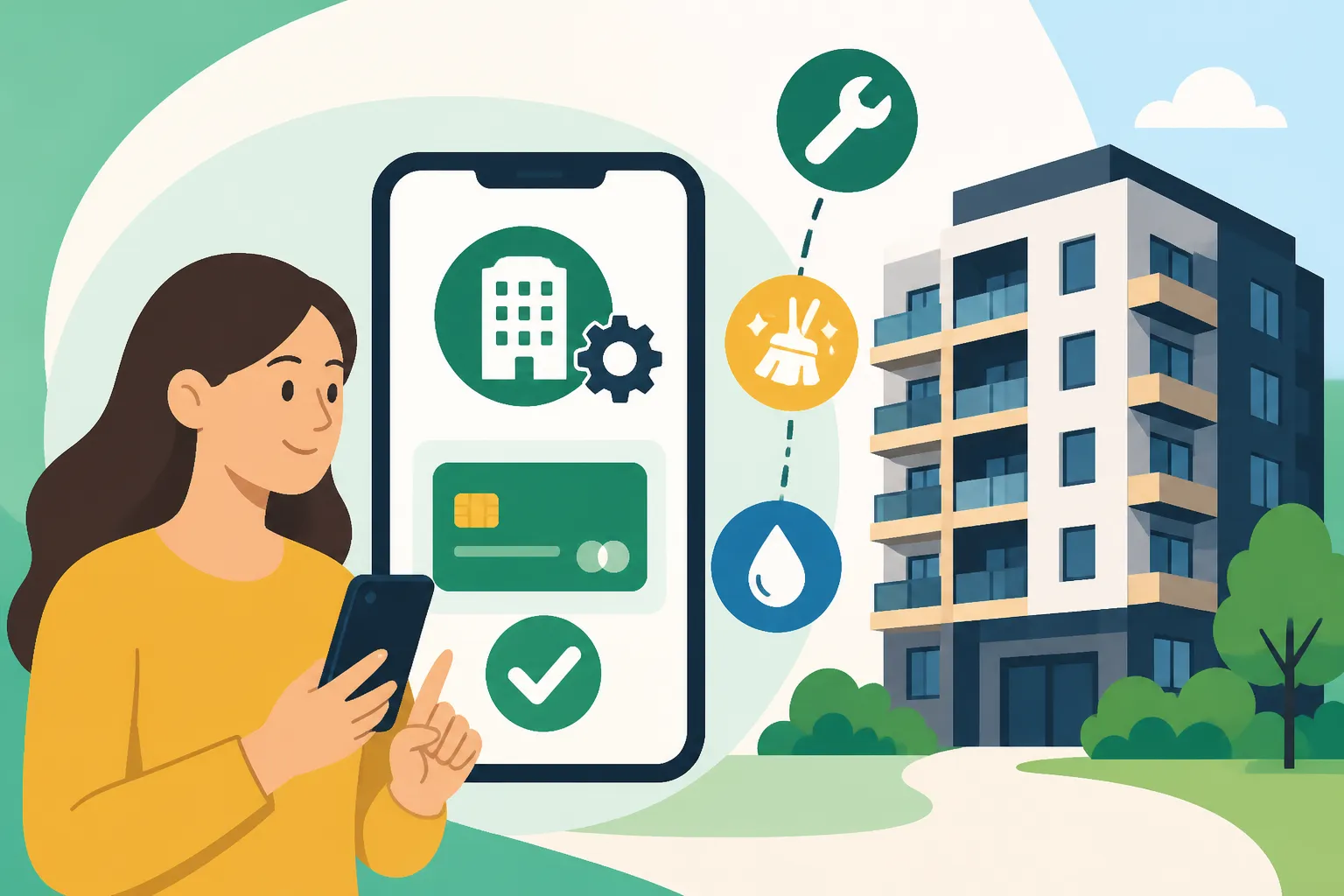
When you live in an apartment building in Lithuania, whether it's a grand old Soviet-era block in Naujamiestis or a sleek, modern development in Šnipiškės, you're not just responsible for your own four walls. You're also part of a community that collectively owns and is responsible for the shared parts of the building. This concept is called bendroji dalinė nuosavybė, or "common partial ownership." It means that things like the roof, the stairwells, the elevator, the exterior walls, and even the land under the building are co-owned by all apartment owners.
Because these shared spaces need looking after, maintaining them isn't free. That's where the apartment building maintenance fee comes in. It's not a single, fixed charge but a collection of various contributions that ensure the structural integrity, cleanliness, and functionality of the building for everyone. For new arrivals, it can feel like yet another confusing charge in a long list of new expenses, but it's a crucial part of living in an apartment here. It covers everything from routine cleaning to long-term renovation projects, and understanding it is key to managing your household budget effectively in Lithuania.
Breaking Down the Common Ownership Concept
Imagine your apartment building as a small, vertical village. Each apartment is a private home, but the corridors, the elevator, the boiler room, the roof – these are the public squares and infrastructure that everyone uses and relies upon. The bendroji dalinė nuosavybė legal framework dictates that all owners share the financial burden and decision-making power for these common areas. This collective responsibility is managed by an administrator (often a company) or sometimes by an elected residents' association.
This system is why you'll see charges for things that aren't directly inside your apartment. It's a pragmatic approach to ensuring that apartment blocks don't fall into disrepair, maintaining property values and the overall quality of life for residents. For an expat who might be used to a landlord handling everything in a more opaque way, this direct engagement with shared building costs can be a new experience. It also means that, as an owner or even a long-term tenant, you have a vested interest in the proper management of these funds.
Typical Components of the Maintenance Fee
The exact breakdown of your maintenance fee can vary slightly depending on your building's age, size, and the services it requires, but here are the most common components you'll likely encounter:
- Building Administration and Management: This covers the cost of the company or association that manages the building, handles common issues, collects fees, and coordinates repairs. Think of it as the administrative overhead for your mini-community.
- Cleaning of Common Areas: Fees for cleaning stairwells, corridors, elevators, and sometimes even the building's exterior. No one wants to live in a dirty building, right?
- Elevator Maintenance: If your building has an elevator, there will be a charge for its regular inspection, maintenance, and any necessary repairs to keep it running safely.
- Lighting in Common Areas: The electricity used for lighting hallways, stairwells, and sometimes the building exterior.
- Waste Management: While individual apartment waste is often covered by a separate utility bill, some buildings might include communal waste collection or special recycling facilities within the maintenance fee.
- Accumulation Fund (Remonto Fondas): This is a really important one. It's a fund where a small amount of money is collected each month from every apartment owner. This money accumulates over time and is used for major repairs or renovations – think new roof, façade insulation, plumbing upgrades, or even a new heating system. It’s essentially a rainy-day fund for the building’s big-ticket items.
- Heating System Maintenance: Regular checks and maintenance of the central heating system, especially important in Lithuania's chilly winters.
It’s worth noting that heating costs for your individual apartment are usually a separate, larger line item on your utility bill, distinct from general maintenance of the heating system. Getting your head around How Do I Understand My Komunaliniai Mokesčiai (Utility Bills) in Lithuania? is a great next step after this!
Decoding Your Utility Bill: Where to Find Maintenance Charges
Okay, so you know what these fees are conceptually. Now, how do you actually find them on that sometimes-overwhelming monthly statement? Lithuanian utility bills, or komunaliniai mokesčiai, can be a bit of a beast, especially if your Lithuanian isn't quite fluent yet. They often arrive as a single consolidated bill, covering everything from water to heating to waste, and buried within that list are your maintenance charges.
The key is to look for specific keywords or categories. Depending on your building administrator or the service provider, these charges might be grouped under a general "pastato administravimas" (building administration) or itemized separately. Don's despair if it's not immediately obvious; even long-term residents sometimes need a magnifying glass!
Understanding the Format of Your Bill
Most typically, your monthly utility bill will come from a central administration company – often called a daugiabučių namų administratorius (multi-apartment building administrator) or just simply administratorius. In some cities, like Vilnius, you might receive a single, combined bill that includes charges from various service providers (heating, water, waste, etc.) and also the building's maintenance charges. This consolidated bill is often generated by a central billing service.
You might also receive separate bills for electricity and gas, especially if you've recently set up those accounts yourself. For a deep dive into those, check out guides like How Do I Set Up Electricity (ESO) in Your Lithuanian Home? and How to Set Up Water, Heating and Gas in Lithuania. The maintenance fees, however, are usually integrated into the main "apartment services" bill.
Look for sections that mention:
- Administravimas (Administration)
- Pastato priežiūra (Building maintenance)
- Remonto fondas (Renovation/Repair fund, or accumulation fund)
- Bendrojo naudojimo objektų valdymas (Management of common use objects)
- Sanitarija/Švarinimas (Sanitation/Cleaning)
- Liftas (Elevator)
Sometimes, the bill might just show a combined total under a general "administravimo ir priežiūros paslaugos" (administration and maintenance services) heading. Don't be shy about asking your landlord, a Lithuanian colleague, or a friendly neighbor to help you decipher it the first time. It truly makes a world of difference to have a local explain the nuances.
Here's a simplified table illustrating what you might see on your bill:
| Service Category (Lithuanian) | Common Translation | What it Typically Covers | Average Monthly Cost (Approx. EUR, per apartment) |
|---|---|---|---|
| Administravimas | Administration | Manager's fees, general oversight | 5-15 € |
| Remonto Fondas | Renovation Fund | Savings for major repairs (roof, facade, etc.) | 5-20 € (varies greatly by building) |
| Bendrojo naudojimo el. energija | Common Area Electricity | Lighting for stairwells, corridors | 2-8 € |
| Bendrojo naudojimo švarinimas | Common Area Cleaning | Cleaning of shared spaces | 3-10 € |
| Liftų priežiūra | Elevator Maintenance | Maintenance and repair of elevator | 3-12 € (if applicable) |
| Šilumos punktų priežiūra | Heating System Maintenance | Servicing of central heating equipment | 2-7 € |
(Note: These are rough estimates and can fluctuate significantly based on building size, age, and location.)
What if My Bill is All in Lithuanian?
This is a common frustration for many expats, and believe me, you're not alone. When you're trying to figure out something as crucial as your monthly expenses, a foreign language barrier can feel insurmountable. Many utility companies in Lithuania are not equipped to provide bills in English, nor do they always have English-speaking customer service representatives readily available.
My advice:
- Use Google Translate's camera feature: It's not perfect, but it can give you a general idea of what each line item means.
- Ask for help: Your landlord is your first point of contact if you're renting. They should be able to clarify the bill for you. If you own, consider asking a Lithuanian colleague, a language exchange partner, or a trusted friend to sit down with you and go through it.
- Look for patterns: Once you've deciphered one bill, future bills will likely follow the same format, making them easier to understand.
- Online portals: Some utility providers offer online portals where you might be able to find more digestible information, or at least a digital copy you can easily copy-paste into a translator.
Practical Ways to Pay Your Maintenance Fees
Once you've finally decoded your bill and identified the maintenance charges, the next step is actually paying them. Thankfully, there are several convenient methods available in Lithuania, most of which leverage the country's fairly advanced digital infrastructure. While it might seem daunting at first, setting up your payments is usually a one-time hurdle.
The main challenge for expats often comes down to getting your initial setup sorted, especially if you're new to Lithuanian banking. For comprehensive guidance, you might want to look into Banking in Lithuania: A Complete Guide for Foreigners (2027) or specifically, How to Open a Bank Account at a Lithuanian Bank as a Foreigner.
Online Banking (E-bankininkystė)
This is by far the most popular and convenient method for most residents in Lithuania, including expats. Once you have a Lithuanian bank account with a bank like Swedbank, SEB, Luminor, or Šiaulių Bankas, you can easily pay your bills through their online banking portal.
Here’s a general step-by-step process:
- Log in to your internet bank: Use your credentials (usually a username, password, and a security measure like a mobile signature or smart-ID).
- Navigate to "Payments" or "Mokėjimai": Look for a section dedicated to bill payments.
- Find "Utility Payments" or "Mokėjimai už komunalines paslaugas": Some banks have a dedicated section for this, which streamlines the process.
- Enter the beneficiary details: This is crucial. You'll need the company's bank account number (IBAN), which will be clearly stated on your paper or electronic bill. You'll also need their name (e.g., "Vilniaus butų ūkis" or your building administrator's name).
- Enter the payment details:
- Amount: The total amount due for your maintenance fees (or the entire utility bill).
- Payment code/Purpose of payment (Mokėjimo paskirtis): This is VERY important. Your bill will have a specific "invoice number" or "client code" (mokėjimo kodas, kliento kodas, sąskaitos numeris). You must enter this correctly so the payment is attributed to your specific apartment. Without it, your payment might get lost or delayed.
- Your name and address: Often automatically filled, but double-check.
- Confirm and execute the payment: Review all details before confirming.
Many banks also offer the option to set up e-invoices (e-sąskaitos). This means your utility provider will send the invoice directly to your online banking portal, and you just need to approve the payment, often with one click. It’s incredibly convenient and reduces the risk of errors, but you usually need to activate this service with your bank and the utility provider.
Payment Kiosks (Lietuvos Paštas, Perlas, Maxima/Iki)
If online banking isn't your preferred method or you just landed and haven't set up a local bank account yet, physical payment points are readily available. These are popular options, especially for those who prefer cash payments or don't have internet banking set up.
- Lietuvos Paštas (Lithuanian Post Office): You can pay most utility bills, including maintenance fees, at any post office. Just bring your physical bill, and they will process the payment.
- Perlas Terminals: These self-service kiosks are ubiquitous, found in most larger supermarkets (like Maxima, Iki, Rimi) and other public places. You can often select "komunaliniai mokesčiai," scan the barcode on your bill, and pay with cash or a debit card. The interface is usually in Lithuanian, but it's often intuitive enough if you know what you're looking for, or you can ask for help.
- Supermarket Cashiers (Maxima, Iki, Rimi): Many larger supermarket chains offer the option to pay utility bills directly at the customer service desk or even at the regular checkout. Again, have your bill with the barcode ready.
While these options are good for flexibility, they sometimes come with a small service fee (typically less than a euro). For new arrivals who might be sorting out their long-term mobile and internet setup, having a reliable data plan from a provider like Airalo can be a lifesaver for navigating these payment options on the go, especially for quick translations or checking bank balances.
Direct Debit (Automatinis Mokėjimas)
For ultimate convenience, once you're settled and have a stable Lithuanian bank account, consider setting up a direct debit. This means the utility provider automatically debits the amount from your bank account each month on a specific date. You still receive the bill for your records, but you don't have to manually initiate the payment.
To set this up, you usually need to:
- Contact your bank: Ask them about setting up automatinis mokėjimas or direct debit for utility bills.
- Provide authorization: You'll usually need to give your bank permission to allow specific companies (your building administrator) to debit your account.
- Inform the utility provider: Sometimes the bank handles the communication, but it's always good practice to confirm with your building administrator that the direct debit has been successfully initiated.
This method eliminates the risk of forgetting a payment and incurring late fees, offering peace of mind, especially when you're busy juggling all the other aspects of expat life in Lithuania. Setting up all these regular payments correctly is part of getting your life truly settled here, much like arranging your initial move with a reliable service such as Sirelo.
Common Issues and Troubleshooting for Expats
Navigating Lithuanian administrative tasks, especially when it comes to finances and housing, can be a minefield for expats. The apartment building maintenance fee is no exception. From language barriers to unexpected charges, you might encounter a few bumps along the way. But don't worry, many of us have been there, and there are ways to troubleshoot.
Language Barriers and Communication with Administrators
This is, hands down, the biggest hurdle for most non-Lithuanian speakers. Building administrators are generally local companies or associations, and while they are professional in their duties, English-speaking staff members are not a given.
- Be prepared: When you need to contact your administrator, try to have your query written down in simple Lithuanian (use online translators, but keep sentences short and clear).
- Bring a friend: If it's a critical issue, ask a Lithuanian-speaking friend or colleague to call on your behalf or even accompany you to their office. This isn't ideal, but it's often the most effective way to ensure clear communication.
- Email: If available, email can be a good option as it allows for translation tools and provides a written record. Just be patient with response times.
- Landlord as intermediary: If you're renting, your landlord is legally responsible for ensuring you understand your obligations. They should be your primary contact for clarifying bills or addressing building-related issues. If they are unresponsive, remind them of their obligations under your rental contract (nuomos sutartis). For general rental advice, you might find our guide on How to Sign a Rental Contract (Nuomos Sutartis) in Lithuania helpful.
Understanding Disputes and Unexpected Charges
Occasionally, you might see a charge on your bill that seems unusually high or for a service you don't understand. This could be due to a one-off repair, an error, or a collective decision by the building residents you weren't aware of.
- One-off charges: Buildings sometimes undertake specific projects (e.g., repairing a section of the roof, painting common areas). These costs might be distributed over a few months or appear as a single larger charge. Check the details on your bill or ask your landlord/administrator for an explanation.
- Building meetings: Owners in apartment buildings hold periodic meetings (bendrijos susirinkimas) to discuss common issues, approve budgets, and vote on significant repairs. If you're an owner, you should receive notices for these meetings. If you're a tenant, your landlord is privy to these. Decisions made at these meetings can impact your maintenance fees, especially the "Remonto Fondas" contributions.
- Challenge errors politely: If you suspect an error, gather any evidence you have (previous bills, payment confirmations) and contact the administrator. Remain polite but firm in your request for clarification.
Who to Contact for Help
Knowing who to turn to when you hit a wall is half the battle.
- Your Landlord (if renting): They are your primary point of contact for anything related to your bills and the building's administration.
- Building Administrator (if owning or landlord is unresponsive): Their contact details (phone, email, office address) will be on your bill or displayed in the building's common area. This is the company or person managing your daugiabutis (apartment building).
- Consumer Rights Protection Authority (VVTAT): If you feel you are being unfairly charged or are not receiving services you are paying for, and have exhausted communication with your administrator, you can contact the State Consumer Rights Protection Authority (Valstybinė vartotojų teisių apsaugos tarnyba, VVTAT). They handle disputes between consumers and service providers, though this is usually a last resort for serious issues.
- Local Municipality (Savivaldybė): In some cases, issues regarding building maintenance standards or the conduct of administrators might be escalated to the local municipality department responsible for housing or public services.
- Expat Facebook Groups: Don't underestimate the power of local expat communities on social media. Many have experienced similar issues and can offer advice, recommend English-speaking contacts, or even share translations of common bill phrases.
Understanding and managing your apartment building maintenance fees in Lithuania is a fundamental part of integrating into local life. While it can initially seem complex, with a little persistence and perhaps some help from locals, you'll soon be navigating these bills like a seasoned resident. Remember that these fees contribute to the upkeep of your home and community, making your living environment better for everyone. If you're still working on getting all your local residency paperwork in order, it might be worth reviewing Declaring Your Place of Residence in Lithuania: The Complete Guide or How Do I Get Proof of Address (Pažyma) from Registrų Centras in Lithuania, as these are often interconnected.
Disclaimer
Please note that this guide provides general information based on common practices and regulations in Lithuania. Laws and procedures can change, and individual circumstances may vary. While we strive to keep this information accurate and up-to-date, it should not be considered legal or financial advice. Always consult with relevant professionals or official sources for specific guidance regarding your situation.