Where Is the Nearest Poliklinika in Klaipeda?
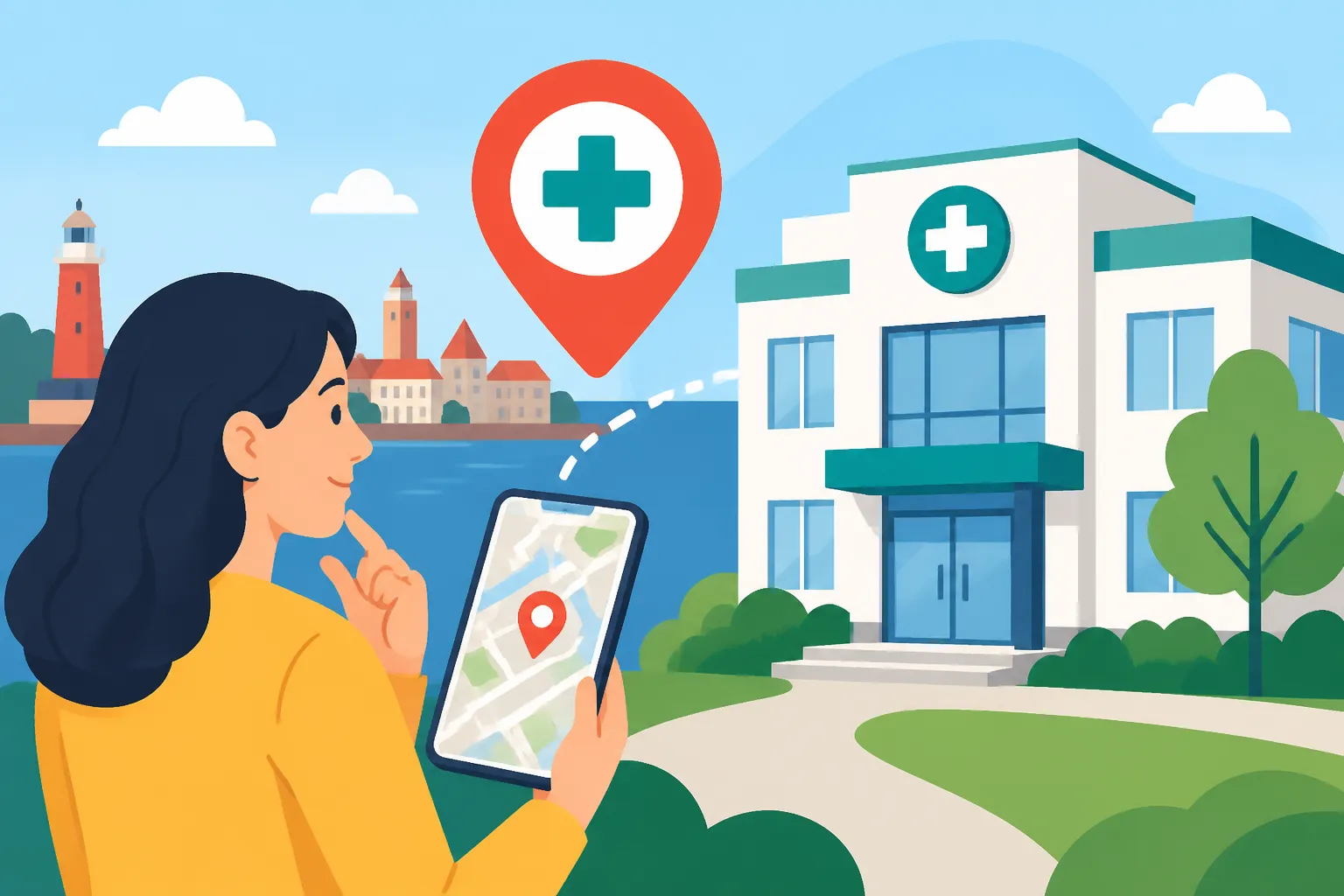
Moving to the breezy port city of Klaipėda is an exciting transition, but nothing grounds that excitement faster than a sudden fever or a nagging cough when you don’t know where to turn. Navigating the state healthcare system in a new language is one of the most stressful hurdles for any expat. This guide identifies the primary polyclinics in Klaipėda and explains exactly how to find and register with the one closest to your new home.
Understanding the Poliklinika System in Klaipėda
In Lithuania, your primary point of contact for any non-emergency health issue is the "Poliklinika" (polyclinic). Unlike the system in some Western countries where small private GP practices are the norm, Lithuania utilizes larger, centralized hubs that house family doctors, specialists, diagnostic labs, and sometimes even dental units under one roof. When you live in Klaipėda, your experience will depend largely on which neighborhood you settle in, as these clinics are strategically placed to serve specific residential districts.
It is crucial to understand What Is the Difference Between a Poliklinika and a Ligoninė in Lithuania? before you head out. A polyclinic is for outpatient care—consultations, blood tests, and prescriptions—while a "Ligoninė" is a hospital meant for inpatient stays and emergencies. If you walk into a hospital in Klaipėda looking for a routine prescription renewal, you will likely be redirected to your registered polyclinic.
For those who have just arrived and are still waiting for their residency documents to process, having a backup plan is essential. Many expats find that using a flexible provider like SafetyWing helps bridge the gap while they wait for their official status to update in the national database. Since the state system relies heavily on your "Asmens kodas," having independent coverage ensures you aren't left paying massive out-of-pocket fees if you get sick during your first month in the city.
The polyclinic system is the gatekeeper to specialized care. If you need to see a cardiologist or a neurologist, you generally cannot just book them directly and expect the state to pay. You first visit your "Šeimos gydytojas" (family doctor) at the polyclinic, who then issues an electronic referral. This makes finding a convenient clinic near your home or workplace a top priority.
Major Public Polyclinics in Klaipėda
Klaipėda is geographically elongated, stretching along the coast, which means the "nearest" clinic depends entirely on whether you are in the northern suburbs, the historic center, or the southern residential blocks. The city is served by several large public institutions that have been modernized significantly over the last decade.
Klaipėdos miesto poliklinika (Klaipėda City Polyclinic)
Located at Taikos pr. 76, this is arguably the largest and most well-known polyclinic in the city. It serves a massive portion of the central and southern population. Because of its size, it offers an incredibly wide range of specialists. If you live near the Akropolis shopping mall or the central parts of Taikos Avenue, this is likely your closest major hub. The facility is large, and while the exterior might look somewhat imposing, the interior has seen various renovations.
For many foreigners, The Expat Guide to Finding a Family Doctor (Šeimos Gydytojas) in Lithuania is the best place to start when considering a large clinic like this. At the City Polyclinic, the registration desk is usually very busy. I recommend bringing a Lithuanian-speaking friend for your first visit if possible, as the administrative staff at the main windows may have limited English compared to the younger doctors working inside.
Jūrininkų sveikatos priežiūros centras (Seafarers' Health Care Centre)
Located at Taikos pr. 46, this clinic is steeped in the city's maritime history but serves all residents, not just seafarers. It is situated slightly further north than the City Polyclinic, making it a prime choice for those living closer to the Old Town or the area around the ferry terminals. It is known for being slightly more navigable than the massive City Polyclinic, though it still handles a high volume of patients.
Many expats choose this center because it feels a bit more community-focused. If you are still figuring out the financial side of things, reading up on The Cost of Healthcare in Lithuania: A Complete Breakdown for Foreigners (2026) can help you understand what services are free at these public centers versus what might require a small co-pay.
Klaipėdos universiteto ligoninės filialas (University Hospital Branch)
In the northern part of the city, near the forest and the university campus (Liepojos g. 45), there are outpatient departments associated with the University Hospital. This area is ideal for expats living in Dragūnai or the northern housing estates. The medical technology here is often top-tier because of the university connection.
| Clinic Name | Address | Best For |
|---|---|---|
| Klaipėdos miesto poliklinika | Taikos pr. 76 | Central/Southern residents, wide specialist range |
| Jūrininkų sveikatos priežiūros centras | Taikos pr. 46 | Old Town residents, efficient primary care |
| Klaipėdos psichikos sveikatos centras | Galinio Pylimo g. 3 | Specialized mental health services |
| Mano šeimos gydytojas (Private) | Santaikos g. 1 | English-speaking staff, faster appointments |
Private Alternatives and When to Use Them
While the public polyclinics are the backbone of the system, many expats in Klaipėda opt for private clinics, especially during their first year. Private centers often have a higher density of English-speaking staff and offer much faster appointment times. In the public system, waiting for a specialist can sometimes take weeks, whereas private clinics can often see you within a few days.
If you are a digital nomad or a remote worker who hasn't yet started paying into the local social insurance (Sodra), you might find that Public vs Private Healthcare in Lithuania: Which Should Expats Choose? is the most relevant question for your situation. Private clinics like "Mano šeimos gydytojas" or "Northway" in Klaipėda provide a more "boutique" experience. They still connect to the national "E-sveikata" system, meaning your records stay with you regardless of where you go.
For those relying on international insurance like SafetyWing, private clinics are often the preferred route because they provide detailed English invoices that are easy to submit for reimbursement. This is particularly helpful if you need specialized care, such as when you are trying to Find a Physiotherapist (Kineziterapeutas) in Klaipeda for a sports injury sustained while running along the Melnragė beach.
It is worth noting that even if you are registered at a public polyclinic, you can still choose to visit a private specialist for a one-off consultation if you are in a hurry. You will simply pay the full market rate, which is still quite affordable compared to US or UK prices.
How to Register and Find Your Assigned Clinic
In Lithuania, you are not automatically "assigned" a clinic based on your address in a mandatory sense, but there is a system of territorial coverage. Most people choose the one closest to their home for convenience. However, you are legally allowed to register at any polyclinic that has the capacity to take new patients.
The first step is ensuring your residency is in order. You cannot officially register for the state-funded system until you have your "Asmens kodas." If you are still in the application phase, check How to Get Your Asmens Kodas (Personal Code) and Why It Matters for Healthcare to speed up the process. Once you have this code and are paying "PSD" (Compulsory Health Insurance) contributions, you can walk into any polyclinic and fill out a registration form.
When you enter the polyclinic, look for the "Registratūra." You will need to bring:
- Your residence permit (ID card).
- Your "Asmens kodas."
- A small fee (usually under 2 Euros) for the administrative processing of your paper file.
You will be asked to choose a specific family doctor. If you don't know any, the clerks will usually assign you to the one with the shortest waiting list. This is the moment to ask if any of the doctors speak English. Klaipėda is a port city with a lot of international traffic, so you have a better-than-average chance of finding a multilingual physician. If you find the process overwhelming, remember that How to Register for Compulsory Health Insurance (PSD) as a Foreigner in Lithuania covers the financial prerequisites you need before showing up at the clinic door.
Tips for Expats Navigating Healthcare in the Port City
Klaipėda has a unique rhythm. In the summer, the city swells with tourists, and in the winter, the damp Baltic air can lead to a spike in seasonal illnesses. Navigating the healthcare system here requires a bit of local "know-how" to avoid frustration.
First, always use the online portals. Lithuania is highly digitized. Once you are registered, you can often book appointments through the "sergu.lt" or "ipr.esveikata.lt" systems. This avoids the need to call the reception desk, where the language barrier is often the highest. Seeing your records and prescriptions online is a huge advantage of the Lithuanian system.
Second, don't ignore the smaller neighborhood clinics. While the big polyclinics on Taikos Avenue are the most visible, there are smaller "Šeimos medicinos centras" (Family Medicine Centers) tucked away in neighborhoods like Mažasis Kaimelis or near the park. These often have shorter queues and a more personal feel. If you are wondering about the general lifestyle and amenities, looking into What Is the Cost of Living in Klaipeda Compared to Vilnius? might give you a better idea of how medical costs fit into your monthly budget.
Lastly, be prepared for the "Referral" (Siuntimas) culture. If you have a specific issue, like a skin rash, you might want to go straight to a dermatologist. But to get it covered by the state, you must see the family doctor first. If you are in a rush and have private insurance like SafetyWing, you can skip this step by going to a private specialist, which is a common "hack" used by expats to save time.
If you ever find yourself in a situation where the polyclinics are closed—usually after 8:00 PM or on weekends—you need to know where the emergency rooms are. The Klaipėda University Hospital handles most adult emergencies. For more on this, read Emergency Medical Care in Lithuania: What Every Expat Needs to Know so you aren't searching for info in the middle of a crisis.
Frequently Asked Questions About Klaipėda Polyclinics
Can I change my polyclinic if I move to a different part of Klaipėda?
Yes, you can change your clinic or your specific doctor at any time. You simply go to the new clinic, fill out the registration form, and they will request your records from the old one. There is usually a very small administrative fee for this.
Do I need to pay for a visit if I have PSD?
If you are covered by Compulsory Health Insurance, basic visits to your family doctor and referred specialists at public polyclinics are free. However, some specific tests or dental materials may require a small supplemental payment.
What if I don't speak Lithuanian?
While many younger doctors speak excellent English, the administrative staff may not. Using Google Translate on your phone for basic phrases or bringing a local friend for the initial registration is highly recommended. Once you are in the doctor's office, the communication usually becomes much easier.
Are there 24-hour polyclinics?
No, polyclinics typically operate from 7:00 AM or 8:00 AM until 8:00 PM on weekdays. Some have limited hours on Saturdays. For medical issues outside these hours, you must visit the hospital emergency room (Priėmimo skyrius).
For those living in the port city, the medical infrastructure is robust, but it rewards those who are proactive. By registering early and understanding the geography of the local polyclinics, you can ensure that a minor health issue doesn't turn into a major logistical headache.
Disclaimer
This guide is provided for informational purposes only and does not constitute professional medical or legal advice. Healthcare regulations and clinic locations in Lithuania may change. Always verify current registration requirements with the Lithuanian National Health Insurance Fund (VLK) or your local polyclinic directly. For medical emergencies, always dial 112.