How Do I Open a Bank Account in Kaunas as a New Resident?
Moving to a new country like Lithuania is thrilling, but it often comes with a whole heap of administrative hurdles. One of the first, and often most frustrating, tasks after you’ve landed in a new city like Kaunas, is figuring out how to set up a proper bank account. You need to pay rent, get your salary, and generally manage your life, but the process can feel like navigating a maze in a language you’re just starting to learn. This guide is here to walk you through exactly how to open a bank account in Kaunas as a new resident, making sure you have all your ducks in a row for a smoother financial start.
Getting Your Documents in Order: The Non-Negotiables for Banking
Alright, let's talk brass tacks. Before you even think about strolling into a bank branch in Kaunas, you absolutely need to have certain documents ready. This isn't like back home where you might just need a passport and a utility bill. Lithuania has its own set of requirements, and trust me, showing up unprepared will only lead to a frustrating runaround, often ending with a polite but firm, "Atsiprašau, bet negalime padėti" (Sorry, but we cannot help).
Your Asmens Kodas Personal Code
This is, without a doubt, the single most important piece of identification you'll need for almost anything official in Lithuania, and banking is no exception. Your Asmens Kodas, or personal code, is a unique 11-digit number that serves as your national identification number. It's essentially your lifeblood for integration here.
- Why it's Crucial: Banks use this number to link you to the Lithuanian tax system, to track your financial activities, and to ensure you're a legitimate resident. Without it, you're pretty much a ghost in their system.
- How to Get It: Typically, you'll receive your Asmens Kodas when you register your place of residence with the Migration Department (MIGRIS) or apply for your Temporary Residence Permit (TRP). It's usually printed right on your residence permit card. For a deeper dive into this vital step, you might want to check out our guide on How to Get Your Asmens Kodas Personal Code and Why It Matters for Healthcare. If you're an EU citizen, you'll get yours when you register your right of residence. Don't even think about trying to open a proper bank account without this number firmly in hand.
Proof of Legal Residence
This one ties directly into your Asmens Kodas. As a new resident in Kaunas, banks need to see that you are legally allowed to live and work here long-term.
- Temporary Residence Permit (TRP) or EU Registration Certificate: For non-EU citizens, your TRP card is the gold standard. It clearly states your Asmens Kodas and your right to reside. For EU citizens, your Certificate of Registration of Residence will serve the same purpose. This document confirms your legal status and helps the bank understand your tax residency implications. Without a valid permit or registration, most traditional banks will simply not open an account for you.
- Why it Matters: Banks are legally obligated to verify the identity and residency status of their clients to prevent money laundering and other financial crimes. They need to know you're not just passing through on a long tourist visa. The duration of your permit can sometimes influence the type of account or services they offer, so make sure it's valid and up-to-date. Understanding the ins and outs of getting settled in Lithuania, including residence, is paramount, and a good starting point is our article How to Apply for a Temporary Residence Permit TRP in Lithuania.
Valid Passport or ID Card
This might seem obvious, but it's worth stating clearly. Your primary form of identification, whether it's your passport (for non-EU citizens) or your national ID card (for EU citizens), is essential.
- Your Face, Your Name: The bank needs to see a current, official photo ID that matches you and the details on your residence permit. They'll make copies, so ensure it's valid for at least six months beyond your planned account opening date.
- Quality Control: Make sure your passport or ID is in good condition. Any damage or signs of tampering will raise red flags and cause delays. It’s a standard global practice, but sometimes in the rush of moving, we overlook the simple things.
Proof of Address
Even with your Asmens Kodas and residence permit, some banks might ask for additional proof of your physical address in Kaunas. This is to confirm you actually live where you say you do.
- What Counts: This could be a rental agreement (nuomos sutartis) in your name, or a certificate of residence from the Registrų Centras (Centre of Registers) if you've formally declared your place of residence. Utility bills are less common as initial proof for new residents, as you often need a bank account to set them up!
- The Catch-22: This is often a frustrating step for new arrivals. You need a bank account to get utility bills, but sometimes you need utility bills to open a bank account. The rental agreement or the Registrų Centras certificate is usually the way around this. Make sure your rental agreement is officially registered. For more insights on how to get this crucial piece of paper, check out How Do I Get Proof of Address from Registrų Centras in Lithuania?.
Navigating Kaunas' Banking Landscape: Choosing Your Financial Home
Once you’ve got all your documents lined up like perfectly placed dominoes, the next step is deciding where to open your account. Kaunas has a few major players, and each has its quirks, pros, and cons, especially for expats. It’s not just about finding any bank; it’s about finding the right fit for your financial needs.
Traditional Lithuanian Banks
Lithuania's banking sector is dominated by a few large, well-established institutions. These are generally reliable, widely accessible, and offer a full range of services.
- Swedbank and SEB Bank: These are the two giants, not just in Lithuania, but across the Baltics and Nordics. You'll find their branches everywhere in Kaunas, from the city center to shopping malls like Akropolis.
- Pros: Widespread ATM networks, robust online banking platforms (often with English language options), full-service offerings (loans, mortgages, investments), and generally very stable. They are usually quite familiar with expat documentation, especially if you visit a larger branch.
- Cons: The account opening process can sometimes be a bit slower or more bureaucratic than smaller banks, and monthly fees, while usually modest, are standard. Customer service can sometimes be a hit or miss regarding English proficiency, though it's generally improving in larger cities like Kaunas.
- Luminor Bank: Formed from the merger of Danske Bank and DNB's Baltic operations, Luminor is another significant player.
- Pros: Good digital services, competitive rates for certain products, and generally a modern feel. They often target a slightly more digitally-savvy clientele.
- Cons: Their branch network might be slightly less extensive than Swedbank or SEB, though you'll still find convenient locations in Kaunas.
- Šiaulių Bankas: A smaller, more regionally focused Lithuanian bank that has been expanding.
- Pros: Can sometimes offer a more personal touch due to its smaller size. Good for local businesses.
- Cons: English language support might be less consistent, and their digital services might not be as advanced as the larger players. Branch presence in Kaunas is adequate but not as dominant.
When considering which bank is best for you, think about your daily habits. Do you prefer a physical branch for complex issues, or are you comfortable with almost everything online? Do you need extensive ATM access, or do you mostly use card payments? For a broader comparison, you might find our article Which Bank Is Best for Expats in Lithuania? insightful.
Digital-First Solutions and Fintechs
Lithuania has become a hub for financial technology (FinTech), and this offers some interesting alternatives, especially for managing international finances.
- Wise (formerly TransferWise) and Revolut: These aren't traditional Lithuanian banks, but they offer multi-currency accounts, competitive exchange rates, and very user-friendly mobile apps.
- Pros: Excellent for international money transfers (often beating traditional banks on fees and exchange rates), quick setup (often without needing a physical visit), and seamless mobile banking. "Wise" is a fantastic tool for managing your money in different currencies, especially if you're frequently sending money home or receiving payments from abroad.
- Cons: While they offer IBANs and debit cards, they often lack the full suite of services a traditional bank provides (like complex loans, mortgages, or in-person advice). For official purposes in Lithuania (like salary payments from some employers or certain government benefits), a traditional Lithuanian bank account is often preferred or even required. Think of them as excellent complementary tools, not necessarily a full replacement for a local bank account.
Deciding between these options really depends on your specific situation. If your employer requires a Lithuanian IBAN for salary, a traditional bank is your first stop. If you're a freelancer receiving payments in various currencies, a service like Wise alongside a local account might be your optimal setup.
The Step-by-Step Process of Opening Your Bank Account in Kaunas
So, you've gathered your documents and picked out your preferred bank. Now for the actual process. While it might vary slightly between banks and even branches, here’s a general walkthrough of what to expect when you head into a bank in Kaunas.
1. Making an Appointment
This is highly recommended, especially for major banks like Swedbank or SEB. While you can try to walk in, you might face long waits or be turned away if the specialists are busy.
- Online Booking: Most major banks offer online appointment booking through their websites, often with an English language option. Look for sections like "Book an appointment" or "Contact Us". You can often select the specific service ("opening a personal account") and even choose a branch in Kaunas.
- Why it Helps: An appointment ensures that a banking specialist who can assist you in English (or is prepared to use a translation app) will be available. It also shows you're serious and organized, which always helps. Mentioning you are a new resident and need to open an account from scratch is a good idea.
2. The Visit to the Branch
Head to your chosen bank branch in Kaunas at your appointed time, with all your meticulously prepared documents. Dress neatly – it can sometimes subtly influence how seriously you're taken, even if it shouldn't.
- Initial Greeting: You'll likely be directed to a waiting area or straight to a specialist. Be prepared to state your purpose clearly: "Laba diena, norėčiau atidaryti banko sąskaitą" (Good day, I would like to open a bank account). If you need English, state it politely: "Ar kalbate angliškai?" (Do you speak English?) or "Ar galėtumėte man padėti angliškai?" (Could you help me in English?).
- Document Submission and Verification: This is where your preparedness pays off. The banking specialist will ask for your passport/ID, residence permit (with Asmens Kodas), and possibly your proof of address. They will scan or photocopy everything. Expect them to scrutinize your documents carefully – this is standard procedure. They might also ask a few questions about your origin of funds, your employment in Lithuania, and your expected account activity. These questions are part of their "Know Your Customer" (KYC) obligations.
- Filling Out Forms: You'll fill out an application form. While most major banks in Kaunas will have English versions available, or the specialist will help you navigate it, don't hesitate to ask for clarification on any terms you don't understand. Pay close attention to sections on fees, online banking access, and card options.
3. Account Activation and Card Issuance
Assuming all your documents are in order and verified, the process moves quickly.
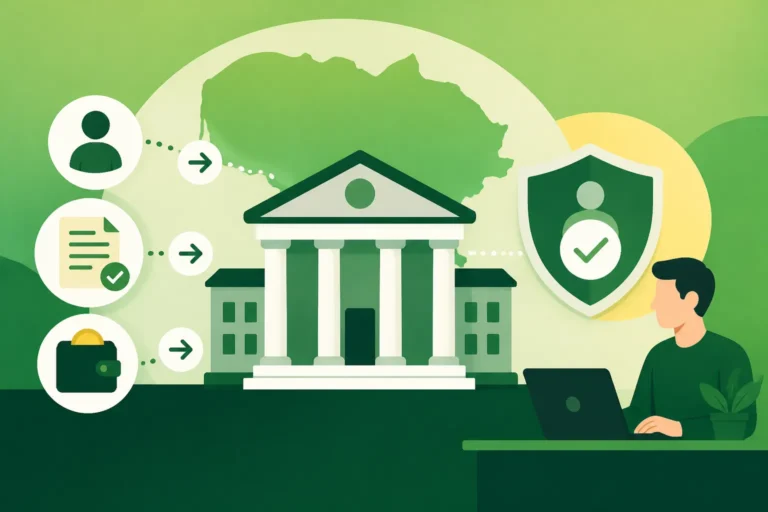
- Immediate Account Number: Often, your account number (IBAN) will be generated almost immediately. You might get a temporary printout. This is usually all you need to start giving to your employer for salary or for setting up bill payments.
- Debit Card: Your physical debit card is rarely issued on the spot. It's usually sent to your declared address in Kaunas via registered mail within 5-10 business days. Sometimes you can pick it up at the branch. Make sure the address you provide is absolutely correct and secure. You'll then receive instructions for activating it and setting your PIN, usually through the bank's mobile app or by calling a specific number.
- Online Banking Setup: The specialist will guide you through setting up your online banking access. This usually involves creating a username and password, and linking it to a mobile app or a secure electronic signature tool like Smart-ID or Mobile-ID. These digital authentication tools are critical for banking in Lithuania, so pay close attention to how they work. Getting familiar with the e-Sveikata system or even How to Set Up Your Account on the Patient Portal in Lithuania will make you comfortable with similar digital authentication methods.
Life After Account Opening: What to Expect and Common Questions
So, you’ve done it! You're officially a bank account holder in Kaunas. But the journey doesn't end there. There are a few more things you should know to manage your finances smoothly.
Online Banking and Mobile Apps
Lithuanian banks are generally very technologically advanced. Their online banking platforms and mobile apps are user-friendly, secure, and often available in English.
- Everyday Management: You’ll use these for checking balances, making local and international transfers, paying bills (utility bills, rent, etc.), and managing your debit card settings. Familiarize yourself with how to use Smart-ID or Mobile-ID for authenticating transactions – these are practically mandatory for secure banking here.
- Bill Payments: Many recurring payments can be set up as direct debits (e-sąskaita or automated transfers). For one-off payments, you simply input the recipient's IBAN, name, and payment purpose. It’s quite efficient once you get the hang of it. For a deeper understanding of digital finances, you can look at our guide on How to Set Up Online Banking and Payments in Lithuania.
Fees and Charges
Be aware of the typical fees associated with your account.
- Monthly Maintenance Fees: Most personal accounts have a small monthly fee (e.g., €1-€3). This often covers the debit card and basic online banking services.
- ATM Withdrawal Fees: While withdrawing from your bank's own ATMs is usually free, using another bank's ATM might incur a small charge.
- International Transfer Fees: If you're sending money outside the SEPA (Single Euro Payments Area) zone, traditional banks can charge significant fees and apply less favorable exchange rates. This is where services like Wise really shine, offering much more competitive rates for international transfers. You'll want to think about the financial impact of your choices, much like considering different tax structures or finding the right local tax advice; services like Taxes for Expats can provide insights into international taxation for those with complex financial setups.
International Transfers
As an expat, sending or receiving money internationally is a common necessity.
- Within SEPA: Transfers within the SEPA zone (EU countries, plus Norway, Iceland, Liechtenstein, Switzerland, and Monaco) are usually fast (1-2 business days) and are treated like domestic transfers with minimal or no fees.
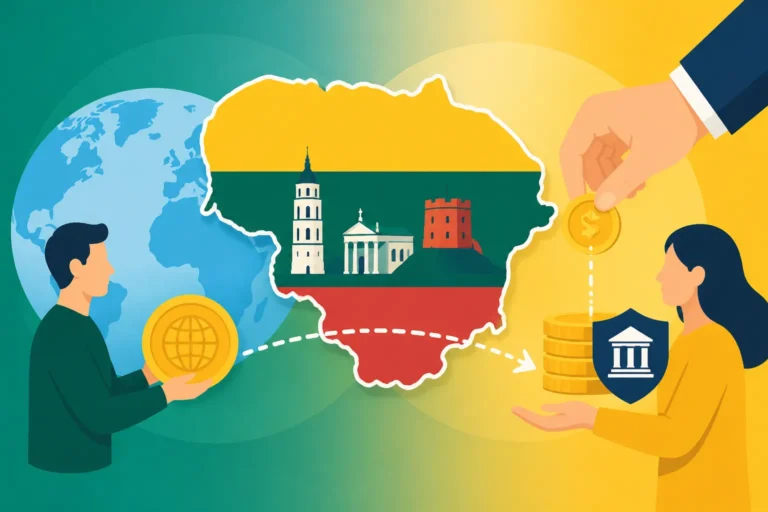
- Outside SEPA: For transfers to countries outside the SEPA zone (e.g., the US, Canada, UK post-Brexit, Australia), traditional banks will charge fees and use their own exchange rates. This is precisely where platforms like Wise become invaluable. They specialize in international transfers, offering transparent fees and real mid-market exchange rates, often saving you a significant amount compared to traditional banks.
Security and Fraud
Lithuanian banks take security seriously.
- Strong Authentication: Tools like Smart-ID and Mobile-ID are extremely secure, using biometric verification (fingerprint, face ID) or strong PINs. Never share your PINs or Smart-ID/Mobile-ID codes with anyone.
- Phishing Scams: Be vigilant about phishing emails or texts. Banks will never ask for your PINs or full account details via email or text. If in doubt, contact your bank directly using their official contact numbers.
By having your documents in order, understanding your banking options in Kaunas, and knowing what to expect during and after the account opening process, you can navigate this essential step with much less stress. Welcome to the financial side of life in Lithuania!
| Document/Requirement | Description | Why It's Needed | Typical Source/Provider |
|---|---|---|---|
| Asmens Kodas | Unique 11-digit personal identification number. | Legal requirement for all official transactions, tax linking. | Lithuanian Migration Department (MIGRIS) or printed on TRP/EU Registration Certificate. |
| Temporary Residence Permit (TRP) | Official card proving your legal right to reside in Lithuania (for non-EU citizens). | Confirms legal status and duration of stay. | Lithuanian Migration Department (MIGRIS). |
| EU Registration Certificate | Official certificate for EU citizens registering their right of residence in Lithuania. | Confirms legal status for EU nationals. | Lithuanian Migration Department (MIGRIS) or local municipality. |
| Valid Passport / ID Card | Your primary government-issued identification with photo. | Identity verification, anti-money laundering (AML) compliance. | Your home country's government. |
| Proof of Address | Document confirming your physical residence in Kaunas. | Verification of residential stability for bank's KYC procedures. | Rental agreement (nuomos sutartis), Certificate of Residence from Registrų Centras. |
| Source of Income/Funds | Information on where your money comes from (e.g., employment contract, student grant). | Bank's due diligence for AML regulations. | Employer (employment contract), university (student grant), previous bank statements. |
Disclaimer
The information provided in this guide is for general informational purposes only and does not constitute financial, legal, or tax advice. While we strive to keep the information accurate and up-to-date, regulations and banking procedures in Lithuania can change. We strongly recommend consulting directly with your chosen bank or a qualified legal/financial professional in Lithuania for advice tailored to your specific situation.