How Do I Find an Orthodontist for My Child in Lithuania?
Moving your family to a new country involves a million moving parts, but nothing feels quite as daunting as realizing your child’s orthodontic treatment is mid-process or that their adult teeth are coming in at alarming angles. This guide provides a clear roadmap for finding a qualified orthodontist in Lithuania, navigating the public and private systems, and understanding what the Compulsory Health Insurance Fund actually covers.
The Reality of Orthodontics for Expat Families in Lithuania
When you first arrive in Vilnius, Kaunas, or Klaipėda, the healthcare system can feel like a labyrinth. Unlike a routine check-up, orthodontic work is a multi-year commitment that requires a specialist you can communicate with effectively. In Lithuania, orthodontists are highly trained specialists who have completed additional residency after their dental degree. The first thing you need to know is that while Lithuania offers excellent dental care, the divide between the public "Poliklinika" system and the private sector is nowhere more apparent than in orthodontics.
If you are just arriving and your child's residency permits are still in progress, you might find yourself in a coverage gap. This is where a flexible option like SafetyWing can be a lifesaver for general health issues while you wait for your official status to activate. However, for the specific task of straightening teeth, you will eventually need to decide between waiting for the state-funded system or paying out of pocket for the speed and convenience of a private clinic. Most expats I know eventually lean towards private care simply because the waiting lists in the public sector for non-emergency orthodontic work can stretch into years.
You should also keep in mind that The Complete Guide to Healthcare in Lithuania for Expats (2027) covers the broader medical landscape, but dental specialties often operate on their own set of rules. For example, while a family doctor (Šeimos Gydytojas) is your gatekeeper for most things, you can sometimes approach private dental clinics directly without any prior paperwork.
Navigating the Public System via the PSDF
Lithuania has a robust public health insurance system known as PSD. If you are employed here or are a permanent resident, your children are automatically covered by the state. This means they are entitled to certain dental services for free or at a subsidized rate. However, "free" in the world of orthodontics has very specific boundaries.
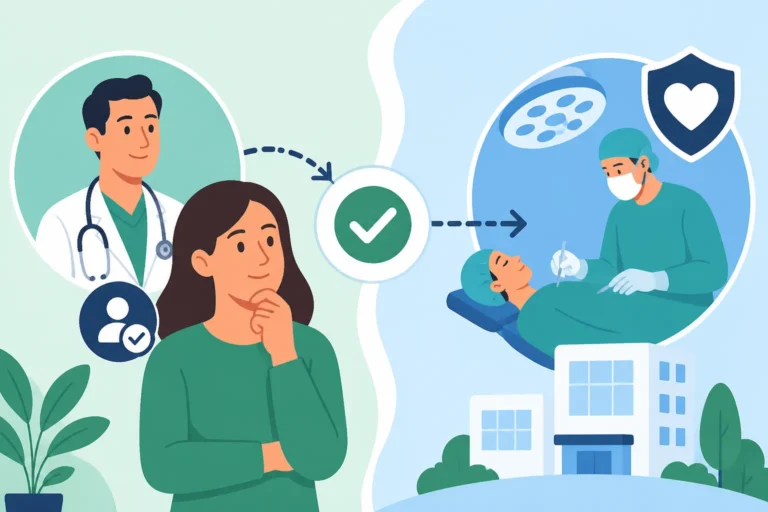
To even begin the public route, your child must be registered at a local polyclinic. You can find more details on this in our guide on How to Choose and Register with a Family Doctor (Šeimos Gydytojas) in Lithuania. Once registered, you must see a pediatric dentist who will determine if there is a clinical need for orthodontic intervention. If there is, they will issue an E-Referral (Siuntimas). You can learn more about How E-Referrals (Siuntimas) Work for Specialists in Lithuania to understand the digital backend of this process.
What Does the State Actually Pay For?
The Compulsory Health Insurance Fund (VLK) typically covers orthodontic appliances—like braces or plates—only for specific, severe pathologies or for children up to a certain age with specific dental misalignments. It is rarely a "blanket" coverage for cosmetic straightening. Even if the state covers the appliance, there might still be "co-pays" for the materials used or the adjustments.
Furthermore, the public clinics that accept VLK payments for orthodontics often have massive backlogs. It is not uncommon for a child to be put on a two-year waiting list for braces. For an expat on a three-year contract, this is obviously not a viable solution. This is why Understanding Dental Care Coverage Under the PSDF in Lithuania is so critical; it helps you manage your expectations before you spend weeks trying to book an appointment that leads to a dead end.
The Importance of the Asmens Kodas
Everything in the public system revolves around your child’s personal identification number. You cannot access state-funded dental records or subsidies without it. If you are still waiting for your paperwork, check out How to Get Your Asmens Kodas (Personal Code) and Why It Matters for Healthcare. Without this code, even the most empathetic public dentist will be unable to process a state-funded claim for your child’s braces.
Choosing Private Orthodontics: The Expat Favorite
Most international families in Lithuania opt for private orthodontic clinics. The reasons are simple: English-speaking staff, the latest technology (like Invisalign or Damon braces), and appointments available within days rather than months. Cities like Vilnius and Kaunas are hubs for "medical tourism" because the quality of private dental care is world-class while remaining significantly cheaper than in the UK, Scandinavia, or the US.
When looking for a private specialist, you aren't just looking for someone who can tighten a wire; you're looking for someone who can explain the long-term plan to a child in a language they understand. Many private clinics in the Zverynas or Senamiestis districts of Vilnius cater specifically to the diplomatic and expat communities.
Finding an English-Speaking Specialist
Word of mouth is powerful, but digital tools are faster. Most private clinics have extensive websites in English. You should look for members of the Lithuanian Dental Chamber (Lietuvos Respublikos odontologų rūmai). When you call to book, specifically ask: "Do you have an orthodontist who treats children and speaks English?" Don't be surprised if the receptionist speaks perfect English; it is the norm in the private sector.
For those living outside the capital, finding a specialist can be slightly more challenging but not impossible. If you are settled in the tech hub, you might want to look into Where Can I Find an English-Speaking Family Doctor in Vilnius as a starting point for local recommendations, as these doctors often have a network of trusted specialists they refer patients to.
Cost Comparisons in the Private Sector
While private care is more expensive than the public route, it is still transparent. Most clinics will provide a full treatment plan after the initial consultation (which usually costs between 50 and 100 EUR).
| Service Type | Estimated Cost (Private) | Public Coverage (PSDF) |
|---|---|---|
| Initial Consultation | 50 – 100 EUR | Free (with referral) |
| Metal Braces (per arch) | 600 – 900 EUR | Subsidized (rare cases) |
| Ceramic/Clear Braces | 800 – 1,200 EUR | Not covered |
| Invisalign / Aligners | 2,500 – 4,500 EUR | Not covered |
| Retainers | 150 – 300 EUR | Partial coverage possible |
| Monthly Adjustment | 40 – 80 EUR | Not covered |
If you are moving to Lithuania with a child who already has braces, be prepared for an "entry fee." Most orthodontists are hesitant to take over someone else’s work because they don't know the history of the tension applied to the teeth. They will likely require a full set of new X-rays and a consultation before they agree to do adjustments.
Practical Steps to Starting Treatment
Once you have identified a few potential clinics, the process follows a fairly standard path. Unlike the bureaucratic hurdles of the public system, the private route is remarkably streamlined.
The Initial Consultation and X-rays
During the first visit, the orthodontist will perform a clinical exam and likely send you to a specialized X-ray center for a panoramic or cephalometric X-ray if they don't have the machine in-house. In Lithuania, digital dentistry is the standard. These records will be uploaded to your child's profile. If your child is already registered in the national system, these might even appear in the Understanding the E-Sveikata (E-Health) System in Lithuania portal, though private clinics sometimes maintain their own separate internal databases.
Creating the Treatment Plan
After the X-rays, the specialist will sit down with you to discuss the duration of treatment. This is the time to ask about "Hidden Costs." Does the price include the final retainers? What happens if a bracket breaks over the weekend? In Lithuania, emergency dental care is available, but it’s always better to know your specific orthodontist’s policy. For general emergencies, you should always be aware of Emergency Medical Care in Lithuania: What Every Expat Needs to Know.
Insurance and Payment Plans
Most private orthodontic clinics in Lithuania offer internal interest-free payment plans. This is a huge relief for families because paying 4,000 EUR upfront for aligners is a big hit to the moving budget. You pay an initial deposit (usually 30-50%) and then a monthly fee for the duration of the treatment.
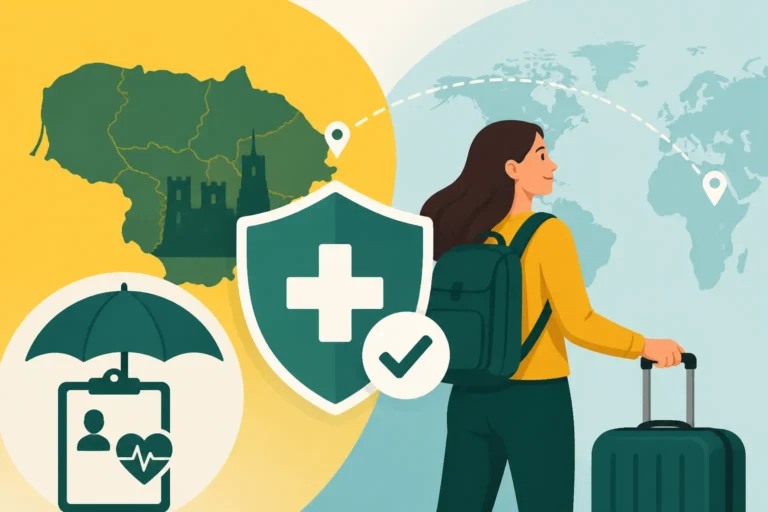
Regarding insurance, standard expat health insurance like SafetyWing is excellent for unexpected illnesses or accidents, but it—like most travel-style medical insurance—rarely covers "routine" orthodontics or "cosmetic" dental work. You would need a very specific, high-premium international dental plan to get these costs reimbursed. Most expats simply treat orthodontics as a planned out-of-pocket living expense. For a broader look at what you might pay for other health needs, see The Cost of Healthcare in Lithuania: A Complete Breakdown for Foreigners (2026).
Moving with Existing Braces
This is the trickiest scenario. If your child is mid-treatment, you must get a complete "Transfer Case" from your previous orthodontist. This should include:
- All original X-rays and 3D scans.
- The original treatment plan and notes on progress.
- The specific brand and type of brackets used (e.g., Damon, 3M).
Lithuanian orthodontists use a variety of systems, but if your child has a niche brand of braces from your home country, a local doctor might not have the specific tools or wires to adjust them. It is wise to find a local doctor before you leave your home country and having the two specialists communicate via email.
If you find yourself in a situation where the braces break or cause pain before you've found a permanent local doctor, you can seek help at a general private clinic. For more on how to identify these clinics, refer to Understanding Private Clinics and Medical Centres in Lithuania. They can at least clip a wire or re-glue a bracket to keep your child comfortable.
Education and Support for Your Child
Orthodontics isn't just a medical procedure; it’s a lifestyle change. Your child will need to navigate school lunches and social situations with their new gear. If your child is attending one of the international schools in Vilnius or Kaunas, they will find that they are in good company—many of their peers will also be undergoing treatment.
If you are still in the process of settling your child into the local environment, you might find our guide on Schools and Education in Lithuania: A Complete Guide for Expat Families helpful for understanding the daily rhythm of school life and how medical appointments are handled during school hours.
Managing Records via E-Sveikata
Lithuania is incredibly proud of its digital infrastructure. While private dentists are not always fully integrated into the public E-Sveikata portal for every minor adjustment, major diagnoses and prescriptions will be recorded there. As a parent, you should learn How to Set Up Your Account on the Patient Portal in Lithuania. This allows you to see your child's medical history, including any medications prescribed for dental pain or infections.
If your child needs a prescription for a specific medicated mouthwash or a high-fluoride toothpaste, the orthodontist will likely issue an electronic prescription. You can then pick this up at any pharmacy. We have a detailed walkthrough on How Do I Use an E-Receptas at a Pharmacy in Lithuania? which will save you a lot of confusion at the counter.
Final Advice for Expat Parents
Finding an orthodontist in Lithuania doesn't have to be a nightmare. The country's dental infrastructure is actually one of its "hidden gems." The combination of high-tech clinics and relatively lower costs compared to Western Europe makes it an ideal place to get this work done.
Just remember:
- Start with the private sector if you want speed and English-speaking service.
- Get your Asmens Kodas as soon as possible if you want to try the public route.
- Always ask for a total cost estimate that includes the "end of treatment" retainers.
- Keep a backup plan for health emergencies; while you focus on teeth, a plan like SafetyWing can handle the rest of the family's unexpected medical needs.
Lithuania's healthcare system is efficient, but it rewards those who do their homework. By understanding the difference between the polyclinic and the private specialist, you can ensure your child gets a perfect smile without the administrative headache.
Disclaimer
This guide is for informational purposes only and does not constitute professional medical or legal advice. Healthcare regulations and insurance policies in Lithuania can change; always verify current requirements with the Lithuanian Migration Department, the National Health Insurance Fund (VLK), or a qualified medical professional.