Understanding the Role of the Polyclinic (Poliklinika) in Lithuania
Navigating the healthcare system in a new country can feel like solving a puzzle with missing pieces, especially when you encounter the "Poliklinika"—a concept that doesn’t quite translate to Western clinic models. This guide demystifies the Lithuanian polyclinic, helping you manage registrations, understand referrals, and access the public health services you are entitled to as an expat living in Lithuania.
The Unique Concept of the Lithuanian Poliklinika
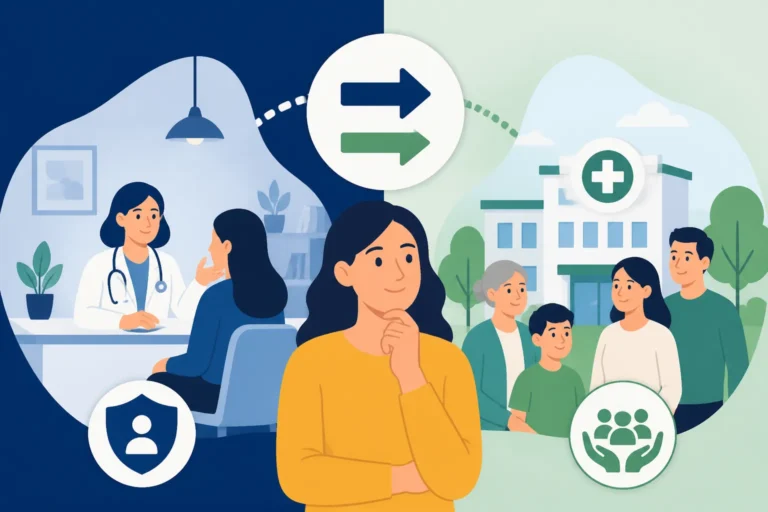
If you are coming from the US, UK, or even parts of Western Europe, the word "clinic" usually evokes an image of a small office with a couple of doctors. In Lithuania, a poliklinika (polyclinic) is a much grander and more centralized affair. It is essentially a massive hub that houses everything from your general practitioner to cardiologists, X-ray machines, dental offices, and blood labs. Walking into a place like Centro Poliklinika in Vilnius can feel overwhelming because of its sheer scale, but once you understand the logic behind it, you will realize it is designed to be a one-stop shop for your medical needs.
The poliklinika is the heartbeat of the state-funded healthcare system. It is where primary care meets secondary specialist care under one roof. While the buildings themselves can sometimes look like relics of a more utilitarian architectural era, do not let the grey facades fool you. Inside, many of these facilities have been renovated with high-tech diagnostic equipment and modern patient management systems. The goal is to provide a comprehensive range of services so that a patient rarely has to travel to multiple locations for a standard health issue.
For an expat, the poliklinika represents your first point of contact with the Lithuanian state. Whether you need a simple health certificate for a driving license or treatment for a chronic condition, the polyclinic is where the journey begins. It is the gatekeeper of the Compulsory Health Insurance (PSD) benefits. If you are paying your taxes into the system, most of what happens inside these walls will be free or heavily subsidized, making it the most cost-effective way to manage your health while living in the Baltics.
A Legacy of Centralized Medical Care
The polyclinic system is a legacy of the Soviet era that has been successfully modernized to fit European Union standards. Historically, the idea was to centralize all medical knowledge and technology in specific districts (seniūnijos). This is why you will find a major polyclinic in almost every residential district of cities like Vilnius, Kaunas, or Klaipėda. They were built to serve tens of thousands of residents in the surrounding apartment blocks, which explains their massive size.
In the old days, these were places of long physical queues and paper charts. Today, however, they are fully integrated into the national digital infrastructure. While the "feeling" of the building might still carry a certain historical weight, the administrative processes have moved firmly into the 21st century. It is quite a contrast to see a stern-looking registration desk located under a high-tech digital queue display. Understanding this blend of old-school structure and modern tech is key to feeling comfortable during your visits.
For many veterans who have lived here for decades, the polyclinic remains a symbol of community health. It is not uncommon to see three generations of a Lithuanian family registered at the same facility. As an expat, joining a polyclinic is one of the most significant steps toward local integration. It signals that you are moving away from the "tourist" bubble and into the actual life of a Lithuanian resident.
The Hub for Primary and Secondary Healthcare
One of the most confusing things for newcomers is the distinction between primary and secondary care within the same building. At a polyclinic, your primary care is managed by the "šeimos gydytojas" or family doctor. They are your main point of contact. However, if you need to see a neurologist or a dermatologist, you don't necessarily go to a different building. You often just go to a different floor or a different wing of the same polyclinic.
This centralization is incredibly efficient once you are in the system. Imagine getting a consultation with your GP at 9:00 AM, being told you need an ultrasound, and being able to walk down the hall to book that ultrasound for the next week without leaving the building. Most polyclinics also have their own laboratories. If your doctor orders a blood test, you usually head to a specific room (often called the "procedūrinis kabinetas") right then and there.
Furthermore, the polyclinic serves as the administrative hub for your medical history. Every visit, every test result, and every prescription is logged into the system. This ensures that when you do see a specialist on the fourth floor, they have immediate access to the notes made by your family doctor on the second floor. This level of integration is something many expats find surprisingly superior to the fragmented private systems in their home countries.
Registering as an Expat at a Poliklinika
The registration process is often the first "administrative hurdle" that expats complain about. It isn't necessarily difficult, but it is specific. You cannot just walk in with a sore throat and expect to be seen for free if you aren't registered. Registration is what links your personal identity to the national health insurance database. Without this link, the polyclinic doesn't know who is paying for your care, and you will be asked to pay the full private rate for the consultation.
To register, you typically need to visit the "Registratūra" (registration desk) in person, although some clinics are beginning to allow online registrations for those with a Lithuanian E-signature. You will be asked to fill out a form (prašymas) to join the clinic and another form to choose your specific family doctor. It is wise to do a bit of research on the clinic’s website beforehand to see which doctors speak English, as this will make your life significantly easier during future appointments.
Once the paperwork is processed—which usually takes a day or two—you are officially "prirašytas" (attached) to that clinic. This status allows you to book appointments through the central portals. If you move to a different part of the city, you aren't stuck; you can always change your clinic, but the process of transferring your records is much smoother if you stay within the public system. For a deeper look at the administrative side, you should read about How to Register for Compulsory Health Insurance (PSD) as a Foreigner in Lithuania to ensure your insurance status is active before you show up.
The Golden Ticket: Your Asmens Kodas
Everything in the Lithuanian healthcare system revolves around your Asmens Kodas (Personal Code). This 11-digit number is your unique identifier for taxes, social security, and medical care. When you walk up to the registration desk, the first thing they will ask for is your ID or residence permit so they can enter this code into the system. Without an Asmens Kodas, you essentially do not exist in the public health database.
If you are a new arrival and haven't received your residence permit yet, you might find yourself in a bit of a "grey zone." While you can still access care, you will likely have to pay out of pocket and then seek reimbursement later through your private insurance. This is why many expats rely on Health Insurance in Lithuania: Compulsory, Private and Travel Options Explained during their first few months. Having that personal code is what finally unlocks the door to the "free" public polyclinic visits.
Many expats get frustrated at the desk because they have a work contract but no card yet. The system is rigid: no code, no PSD coverage in the local database. If you are in this transition period, it is vital to have your documents in order. You can learn more about the specifics of this identifier by checking out How to Get Your Asmens Kodas (Personal Code) and Why It Matters for Healthcare. Once you have it, ensure it is correctly linked to your Sodra (Social Insurance) account.
Choosing Your Šeimos Gydytojas (Family Doctor)
Choosing your family doctor is a more personal decision than many realize. In Lithuania, the "šeimos gydytojas" acts as the conductor of your medical orchestra. They handle your general health, write your prescriptions, and, most importantly, issue the referrals (siuntimas) you need to see anyone else. You have the right to choose any doctor who has room on their patient list, but the most popular English-speaking ones often have long waiting lists or are "closed" to new patients.
When you go to register, don't just take the first doctor they offer you. Ask specifically: "Ar gydytojas kalba angliškai?" (Does the doctor speak English?). If the answer is no, and you don't speak Lithuanian, you are going to have a very difficult time explaining complex symptoms later on. Some of the larger polyclinics in Vilnius and Kaunas have lists of doctors who are comfortable treating foreigners. It is worth the extra effort to find the right fit. For more tips on this, read How to Choose and Register with a Family Doctor (Šeimos Gydytojas) in Lithuania.
Once you have picked a doctor, that is your person for everything. If you get the flu, you call their "slaugytoja" (nurse). If you need a sick note for work, they are the ones who issue it digitally. If you want to see a specialist for a skin rash, you must see your family doctor first to get that referral. The relationship you build with your family doctor is the most important one you will have in the Lithuanian medical system, so choose wisely and be prepared to wait a few weeks for your first "get to know you" appointment.
Navigating the Referral System (Siuntimas)
The "Siuntimas" is perhaps the most famous word in the Lithuanian medical vocabulary. It is the golden ticket that allows you to see a specialist for free (or for a very small co-pay). In the public polyclinic system, you cannot simply call up a cardiologist and book an appointment if you want it covered by the state. You must first convince your family doctor that the visit is medically necessary. Once they agree, they issue an electronic referral in the system.
This referral system is designed to prevent specialists from being overwhelmed by patients who might only need primary care. For an expat, it can feel like an annoying extra step, but it actually keeps the costs down for the entire country. The referral is usually valid for 30 to 60 days, meaning you must book your specialist appointment within that timeframe. If you miss the window, you have to go back to your family doctor and ask for a new one, which is a hassle you want to avoid.
One thing to keep in mind is that "free" doesn't always mean "fast." While the referral makes the visit free, the waiting list for a popular specialist at a public polyclinic can be several weeks or even months. If you are in a hurry, the referral still has value: you can sometimes use a public referral at a private clinic that has a contract with the Territorial Health Fund (TLK) to get a discount, though this is becoming less common. To understand how to work this to your advantage, read How E-Referrals (Siuntimas) Work for Specialists in Lithuania.
The Role of E-Sveikata in Referrals
Lithuania is incredibly proud of its E-Sveikata system, and for good reason. It is a centralized online portal where all your medical data lives. When your doctor issues a referral, they don't give you a piece of paper (though you can ask for a printout). Instead, they "throw" it into the digital cloud. When you call a specialist or use the online booking system, the receptionist can see your active referral attached to your Asmens Kodas.
As an expat, learning to use the E-Sveikata portal is a game-changer. You can log in using your mobile ID or bank ID and see every diagnosis, every blood test result, and every referral you have ever received. It empowers you to take control of your health. No more carrying around folders of X-ray films; it’s all there in the portal. If you haven't set this up yet, you absolutely need to follow the steps in Understanding the E-Sveikata (E-Health) System in Lithuania.
Using the portal also allows you to see the waiting times for different specialists across the city. Sometimes, the cardiologist at the polyclinic in your district has a two-month wait, but the one in the neighboring district only has a two-week wait. Because the E-Sveikata system is national, your referral is usually valid at any public polyclinic in the country. This digital flexibility is one of the hidden perks of the Lithuanian system that many foreigners overlook.
Specialist Care and Wait Times
The biggest "culture shock" for many expats is the realization that specialist care in the public system requires patience. While primary care is usually quite accessible—often with same-day or next-day appointments for acute issues—specialists like neurologists, ophthalmologists, or endocrinologists are in high demand. It is not uncommon to see "No available slots" when trying to book online.
If you have a chronic condition that requires regular specialist visits, the best strategy is to book your next appointment immediately after finishing your current one. Lithuanians are very good at planning their healthcare months in advance. If you wait until you are out of medication or your symptoms flare up, you might find yourself stuck. For those who cannot afford to wait, this is where having a secondary insurance plan or using private clinics comes into play.
If you find the wait times at your local polyclinic unacceptable, remember that you have the right to seek care elsewhere. You can use your referral at a different polyclinic or even a university hospital if they have a contract with the health fund. It takes a bit of "system-hacking" and phone calls to find the shortest queue, but it is possible. You can learn more about how to manage these logistics in Navigating the Lithuanian Healthcare System: An Expat's Roadmap (2027).
| Service Category | Public Poliklinika (PSD) | Private Medical Centre |
|---|---|---|
| Cost | Free (Covered by PSD) | 50 EUR – 120 EUR per visit |
| Wait Time (GP) | 1-3 Days | Same Day / Next Day |
| Wait Time (Specialist) | 2 Weeks – 3 Months | 1-5 Days |
| Language Support | Varies (often Lithuanian/Russian) | Usually English-friendly |
| Equipment | Modern but high usage | Top-tier / Latest models |
| Referral Needed? | Yes, for specialists | No (usually) |
Public Poliklinika vs. Private Medical Centres
As an expat, you will constantly hear people debating whether to stay in the public polyclinic system or switch to private centers like Northway, Kardiolita, or InMedica. The truth is, most savvy expats use a "hybrid" approach. They stay registered at a public polyclinic for their family doctor and routine blood work (to keep their PSD benefits) but go private when they need to see a specialist quickly or want a doctor who speaks perfect English.
Private medical centers in Lithuania are excellent. They feel like boutique hotels, with coffee machines, plush chairs, and receptionists who speak multiple languages. However, they are not cheap if you are paying out of pocket. A single consultation with a specialist can easily run you 80 to 100 Euros, and that’s before any tests or follow-ups. If you have the budget or a great employer-provided insurance plan, private centers are the way to go for convenience.
However, the public polyclinic still has its place. For complex, long-term issues or major surgeries, the public system is often better equipped because the large polyclinics are closely linked to the major hospitals. Private clinics are great for diagnostics and minor procedures, but for "the big stuff," you will likely end up back in the public system anyway. To help decide which route is best for your lifestyle, check out Public vs Private Healthcare in Lithuania: Which Should Expats Choose?.
Quality and Modernity of Facilities
There is a common misconception that "public" means "low quality." In Lithuania, this isn't necessarily true. While a neighborhood polyclinic might have some old furniture in the waiting room, the actual medical equipment—the MRIs, the CT scanners, and the lab analyzers—are often the exact same models found in private clinics. The doctors, too, are often the same people. Many doctors work at a public polyclinic in the morning and a private clinic in the afternoon.
The main difference isn't the quality of the medical advice; it is the "service" quality. In a public polyclinic, the doctors are often on a very tight schedule, seeing a new patient every 15 minutes. This can make the experience feel rushed. In a private center, you are paying for the doctor’s time, so they might spend 30 to 45 minutes with you. If your health issue is complex and requires a lot of discussion, that extra time in a private setting is worth the investment.
For expats who are used to a high level of customer service, the "no-nonsense" attitude of some public polyclinic staff can be jarring. It is not necessarily rudeness; it is just a high-volume environment. If you can handle a bit of bureaucracy and a shorter consultation, the public system will provide you with perfectly adequate medical care. If you prefer a "concierge" experience, you will definitely want to look into private options.
Why Some Expats Opt for Private Insurance
Because of the specialist wait times in the public system, many expats choose to supplement their PSD with private insurance. This allows them to bypass the family doctor referral requirement and go straight to a specialist in a private clinic. For digital nomads or those who are in the country on a visa that doesn't immediately grant PSD, services like SafetyWing are incredibly popular.
SafetyWing provides a safety net for those who haven't yet navigated the complex registration process of the Lithuanian polyclinic. If you are waiting for your residence permit and suddenly need a doctor, having travel-friendly medical insurance means you can go to a private clinic, pay the fee, and get reimbursed. This avoids the stress of trying to find a public clinic that will see a "non-registered" patient.
Even for those with PSD, having private insurance can be a lifesaver for mental health services or specialized dental work, which aren't always fully covered by the state. I always suggest that new arrivals keep a plan like SafetyWing active for at least their first six months in Lithuania. It gives you the peace of mind to explore the local polyclinic system at your own pace without worrying about a sudden medical bill while you're still learning how to say "I have a headache" in Lithuanian. You can read more about these gaps in Health Insurance in Lithuania: Compulsory, Private and Travel Options Explained.
Services Offered Within the Poliklinika Walls
One of the best things about the polyclinic is the sheer variety of services available. It isn't just about seeing a doctor. Most large polyclinics have a "Physiotherapy and Rehabilitation" department. If you have a back injury, you can get a referral for a series of massages, magnet therapy, or gym sessions with a kinesiotherapist, all within the same building. This level of integrated physical therapy is a major benefit of the Lithuanian system.
Furthermore, polyclinics often house specialized centers for women's health, including gynecologists and prenatal care. If you are expecting a baby, your entire pregnancy can be managed at your local polyclinic, including all the necessary ultrasounds and blood tests. For many expat families, this makes the polyclinic a central part of their lives for several months. For more details on this, you might find Understanding Maternity and Prenatal Care in Lithuania quite useful.
Lastly, do not forget about the "Preventative Programs." Lithuania has several state-funded screening programs for things like cardiovascular disease, various cancers, and children’s dental health. Your family doctor at the polyclinic is responsible for inviting you to these screenings based on your age and risk factors. These are often completely free and are a great way to stay on top of your health without having to ask for specific tests.
Diagnostic Labs and Imaging
Most polyclinics have their own laboratory, which means you don't have to go to a separate "LabCorp" style facility. You get your "siuntimas" from the doctor, walk down to the lab room (usually early in the morning), and have your blood drawn. The results are then uploaded directly to your E-Sveikata profile. It is a very closed-loop, efficient process.
The imaging departments are also quite comprehensive. Most district polyclinics have X-ray and ultrasound facilities. Larger ones, like the Šeškinė Poliklinika in Vilnius, even have their own CT or MRI machines. However, for high-tech imaging, the wait times can be long. If your doctor says you need an MRI, be prepared for a 1-2 month wait if you want it for free, or you can choose to pay the "commercial price" to get it done within a few days at the same facility.
For many expats, the ease of getting a routine blood test is a revelation. In some countries, getting a "full panel" requires an act of congress. In Lithuania, you can often just ask your family doctor for a routine check-up, and they will tick the boxes for the standard tests. If you want more specific tests that aren't covered by the state, you can usually just pay a small fee (often 5-15 EUR) to have them added to your blood work.
Dental Care and Mental Health Services
This is where the polyclinic system gets a bit more complicated. While most polyclinics have a dental department (odontologija), the coverage is often limited to the "work," while you have to pay for the materials (fillings, etc.). Because the public dental wait times are notoriously long, many Lithuanians and expats alike choose to go to private dentists. However, for an emergency toothache, the polyclinic’s "emergency dental" service is a reliable and cheap option. You can read more about this in Understanding Dental Care Coverage Under the PSDF in Lithuania.
Mental health is another service provided at the polyclinic level through "Psichikos Sveikatos Centras" (Mental Health Centers). These centers provide access to psychiatrists and psychologists. While the service is free for those with PSD, the language barrier is particularly high in this field. Finding a psychiatrist in the public system who is comfortable conducting a session in English can be a challenge.
If you are struggling with your mental health, the polyclinic is a good place to start for a basic consultation or for renewing prescriptions, but for ongoing therapy in English, many expats look toward private practitioners. Regardless, it is good to know that the infrastructure exists. You can learn more about these options in How to Access Mental Health Services in Lithuania as an Expat.
Practical Tips for Your First Visit
Your first visit to a polyclinic will likely involve a lot of looking at signs and feeling a bit lost. My biggest piece of advice: arrive early. Even if you have a scheduled appointment, you often need to check in at the "Registratūra" or a self-service kiosk to get a paper slip with your "talonas" (appointment number). In modern clinics, your name might just appear on a screen outside the doctor's door, but it’s always better to verify.
Be aware of the "kabinetas" (office) numbering system. It usually follows a floor-based logic (e.g., Room 302 is on the 3rd floor), but the sprawling nature of these buildings means there can be multiple wings (korpusas). If you see "A korpusas" and "B korpusas," make sure you are in the right one. Don't be afraid to show your appointment confirmation to a passing nurse and ask, "Kur yra šitas kabinetas?" (Where is this office?).
Finally, remember that the "receptionist" culture in Lithuania can be quite direct. Don't take it personally if they don't smile or engage in small talk. They are there to process your data and move the queue along. Once you get past the desk and into the doctor's office, the atmosphere usually becomes much more relaxed and personal. For a smooth experience, make sure you know How to Set Up Your Account on the Patient Portal in Lithuania before you even arrive.
Overcoming the Language Barrier
The language barrier is the number one complaint of foreigners in the Lithuanian healthcare system. While younger doctors almost always speak excellent English, the administrative staff and some of the older specialists may only speak Lithuanian or Russian. If you are nervous, bring a Lithuanian-speaking friend with you for your first registration visit.
If you are on your own, use technology. Google Translate’s "Conversation" mode is surprisingly helpful for basic interactions at the registration desk. Also, having your information (Asmens Kodas, address, phone number) written down on a piece of paper or on your phone screen to show the receptionist will prevent a lot of spelling errors and frustration.
Once you are in the room with the doctor, things usually get easier. If the doctor’s English is limited, they will still try their best to understand your symptoms. Medical terms often have Latin roots that are similar across languages. However, if communication is vital—such as for complex surgery or mental health—you should definitely look for a doctor specifically noted for their language skills. Check out How to Find an English-Speaking Doctor in Lithuania for a curated list of tips on finding the right provider.
Managing Appointments and the Patient Portal
The days of calling the polyclinic 50 times to get through are slowly ending. Most clinics now use the "Manogydytojas" or "ipr.esveikata.lt" booking systems. These portals allow you to see available slots for your family doctor and book them with a few clicks. You can also cancel and reschedule appointments here, which is much easier than trying to explain a schedule change over the phone.
When you book an appointment online, you will receive a confirmation. Save this! It will have the room number and the specific time. In Lithuania, appointment times are taken very seriously. If you are 5 minutes late, the doctor might already have called the next person in, and you will have to wait for a gap in the schedule or rebook. Being "Lithuanian-punctual" (which means arriving 10 minutes early) is highly recommended.
For those who are not yet comfortable with the digital portals, you can still call the registration desk, but be prepared for a wait. For expats, having a plan like SafetyWing can bridge the gap if you find the public booking system too confusing during your first few weeks. It allows you to visit private clinics with much simpler English-language booking systems until you are more settled. To understand how to handle your prescriptions after the appointment, make sure to read Understanding the Electronic Prescription (E-Receptas) System in Lithuania.
Disclaimer
The information provided in this guide is for general informational purposes only and does not constitute professional medical or legal advice. Healthcare regulations and procedures in Lithuania can change, and you should always verify the latest requirements with the Ministry of Health or the National Health Insurance Fund (VLI). Always consult with a qualified healthcare professional regarding your specific medical needs.