How Do I Access Mental Health Support in English in Lithuania?
Moving to Lithuania brings a unique set of challenges, from the notoriously complex grammar of the language to the long, dark winters that can settle into your bones. Finding mental health support in a foreign country is already a daunting task, but doing so in English within a system that primarily operates in Lithuanian adds a layer of exhausting bureaucracy. This guide is designed to help you bypass the confusion, providing a clear roadmap to finding English-speaking therapists, psychiatrists, and crisis support so you can prioritize your well-being without the linguistic "siaubas" (horror).
Understanding the Landscape of Mental Health Care in Lithuania
The first thing any expat needs to realize is that Lithuania’s mental health system is split into two distinct worlds: the public sector (the Poliklinika system) and the private sector. If you are a resident paying into the national health insurance, you are likely wondering How Lithuania's Health Insurance Fund (VLK/PSDF) Works: A Full Overview and whether it covers your mental health needs. It does, but the path isn't always smooth for English speakers.
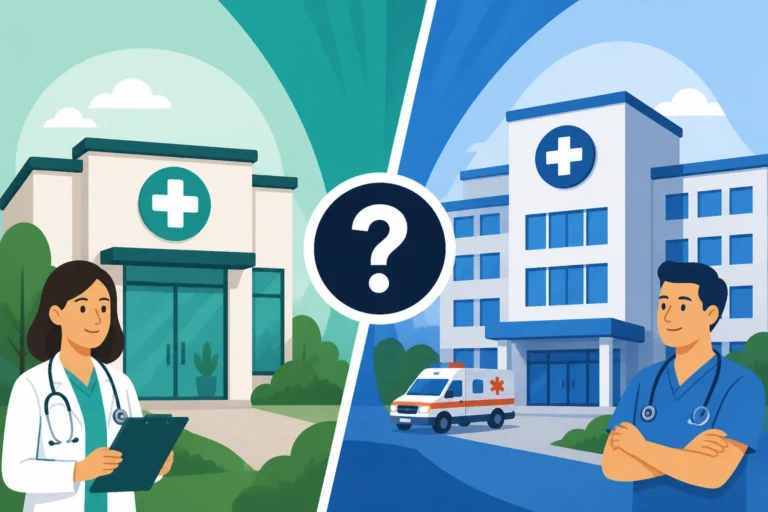
In the public system, mental health care is integrated into the primary care centers. You usually start with your family doctor, who can then refer you to a Mental Health Center (Psichikos Sveikatos Centras). While the service is technically free for those with insurance, the primary barrier is the language. Many doctors in the public sector, especially of the older generation, may speak Lithuanian or Russian, but English proficiency is not guaranteed. This often leads expats to a crossroads: do you struggle through the public system or head straight for a private clinic?
The cultural perception of mental health in Lithuania is also evolving. While younger Lithuanians are very open to therapy, some remnants of Soviet-era stigma persist among older generations. However, in major hubs like Vilnius and Kaunas, the scene is vibrant, modern, and increasingly Westernized. Most English-speaking expats find that Public vs Private Healthcare in Lithuania: Which Should Expats Choose? is a question easily answered by the need for immediate, high-quality communication, which usually tilts the scales toward private providers.
The Role of the Poliklinika and Public Centers
If you choose the public route, you must be registered at a local clinic. Following The Expat Guide to Finding a Family Doctor (Šeimos Gydytojas) in Lithuania is your first step. Your family doctor acts as the gatekeeper. Once you explain your situation—which can be nerve-wracking if there is a language barrier—they can issue an e-referral.
This referral is logged into Understanding the E-Sveikata (E-Health) System in Lithuania, the national electronic health database. Once the referral is there, you can book an appointment with a psychologist or psychiatrist at the Mental Health Center associated with your polyclinic. The wait times can vary from a few weeks to a few months. For an expat dealing with acute anxiety or the "winter blues," these months can feel like a lifetime. Furthermore, even if you get an appointment, finding a specialist in the public system who is comfortable conducting deep, emotional therapy sessions in English is a roll of the dice.
The Shift Toward Private Therapy
Because of the linguistic hurdles in the public sector, the vast majority of foreigners in Lithuania opt for private therapy. Private clinics in Vilnius, Kaunas, and Klaipėda are accustomed to international clients and almost always have staff who speak fluent English.
In the private sector, you do not need a referral. You simply call, book, and show up. This bypasses the need to explain your mental state to a family doctor first. While the cost is higher, the quality of the "therapeutic alliance"—that essential bond between you and your therapist—is often much stronger when you aren't struggling to find the right words in a language that isn't your own. When Understanding Private Clinics and Medical Centres in Lithuania, you'll find that these facilities often feel more like a comfortable office than a sterile hospital, which can significantly lower the barrier to seeking help.
Where to Find English-Speaking Professionals in Lithuania
Finding a name is often the hardest part. You aren't just looking for a doctor; you're looking for someone who understands the specific psychological toll of relocation, isolation, and the unique cultural friction of living in the Baltics.
Vilnius is the primary hub for English-speaking services. Areas like Senamiestis (Old Town) and Naujamiestis are home to numerous boutique psychology practices. If you are looking for a psychiatrist—someone who can prescribe medication—you will find them in larger private medical centers like Kardiolita or Northway. If you are looking for a psychologist or a psychotherapist for talk therapy, smaller private practices are often more personal.
For those living outside the capital, the search can be harder. Kaunas has a growing number of English-speaking professionals due to its large international student population, particularly at the Lithuanian University of Health Sciences. However, in smaller towns like Panevėžys or Alytus, finding a local English-speaking therapist in person is nearly impossible, which makes digital solutions a necessity.
Recommended English-Speaking Clinics and Platforms
There are several reputable clinics where English is the standard for international patients. Clinics like "Asmens Sveikatos Klinika" or "Vilniaus Psichoterapijos Studija" have established reputations. When you call to book, explicitly ask for a "specialist who can consult in English." Most receptionists in these private clinics will speak enough English to facilitate the booking.
If you are unsure where to start, you can use online directories like Psychology.lt, which allows you to filter by language. It is vital to check whether the professional is a "Psichologas" (Psychologist), a "Psichoterapeutas" (Psychotherapist), or a "Psichiatras" (Psychiatrist). In Lithuania, only a psychiatrist can provide you with the medical documentation needed if you require How to Get a Medical Certificate for Work in Lithuania due to mental health reasons.
Telemedicine and Online Therapy Options
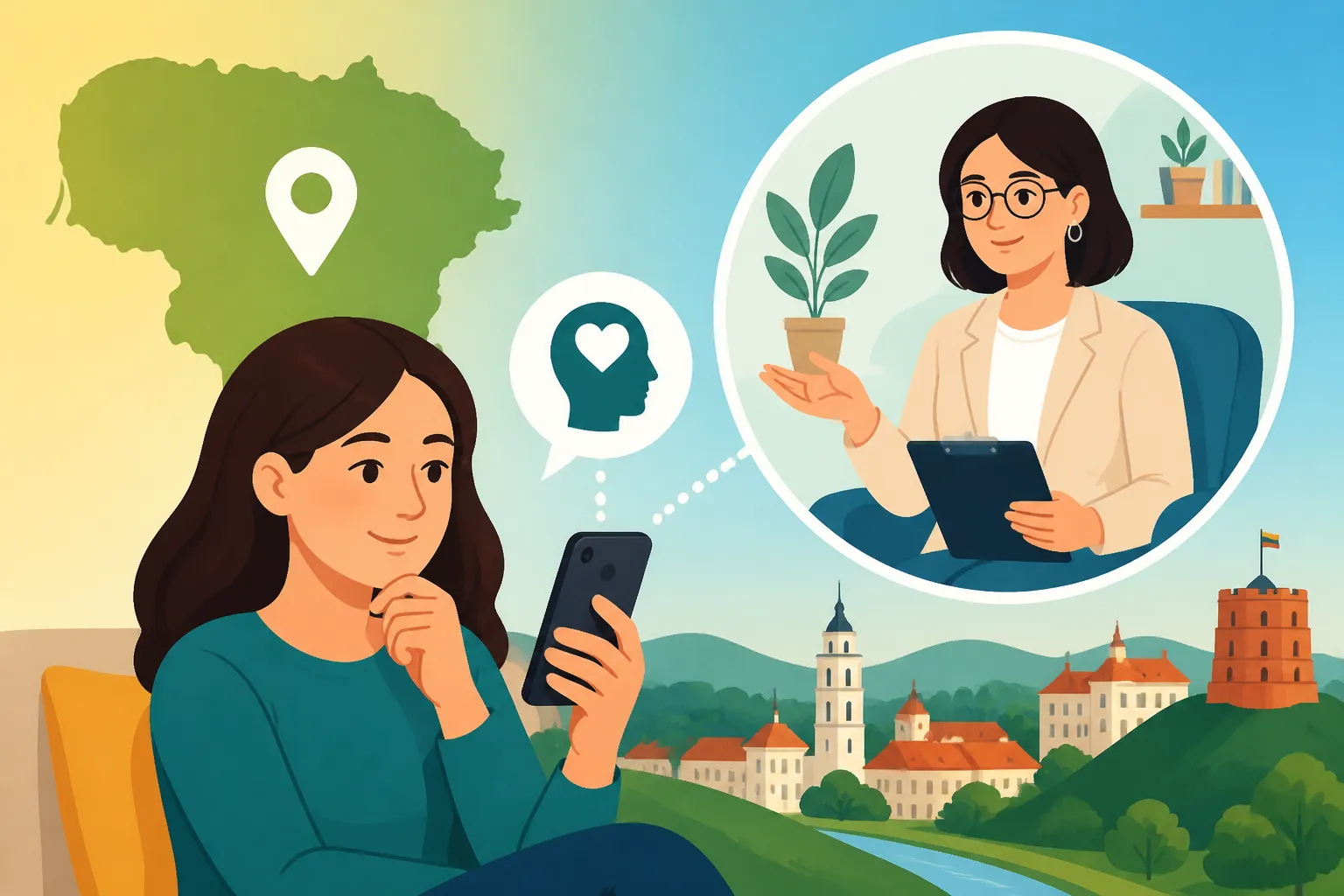
For many expats, the easiest way to access support is through the screen. Can I Use Telemedicine Services in Lithuania as an Expat? is a common question, and the answer is a resounding yes. Since the pandemic, almost all private therapists in Lithuania offer sessions via Zoom or Skype. This is a lifesaver if you are a digital nomad or an expat living in a more remote part of the country.
Furthermore, if you are traveling or haven't yet settled into the local system, services like SafetyWing often provide a safety net. SafetyWing is particularly popular among the nomad community in Vilnius and Kaunas, offering a way to manage health needs while moving between borders. Using an online platform also allows you to connect with therapists back in your home country, which can sometimes be more comforting if you are dealing with deep-seated cultural issues that a local therapist might not fully grasp.
| Feature | Public System (Poliklinika) | Private Clinic | Online/Telemedicine |
|---|---|---|---|
| Language | Primarily Lithuanian/Russian | High English Proficiency | Flexible (Global Options) |
| Cost | Free (with PSD) | 50 EUR – 100 EUR per session | 40 EUR – 120 EUR per session |
| Wait Time | 2 – 8 Weeks | 1 – 7 Days | Immediate to 3 Days |
| Referral Needed | Yes (from Family Doctor) | No | No |
| Prescriptions | Yes (Psychiatrist only) | Yes (Psychiatrist only) | Yes (Depends on provider) |
The Administrative Side: Costs, Insurance, and Documentation
The financial aspect of mental health care can be a source of stress in itself. If you are employed in Lithuania, a portion of your salary goes toward Compulsory Health Insurance (PSD). While this covers the public mental health centers, it rarely covers private therapy.
Most private therapists in Lithuania charge between 50 and 80 Euros per hour-long session. Psychiatrist consultations, which are usually shorter, can range from 60 to 120 Euros depending on the seniority of the doctor. If you are concerned about the long-term costs, it is worth checking How Much Does Private Health Insurance Cost in Lithuania in 2026? to see if a supplemental plan might cover a fixed number of therapy sessions per year.
For those on a budget or without a permanent residency permit yet, specialized travel or expat insurance like SafetyWing can be an essential tool. SafetyWing is designed to handle the gaps that local systems often leave, especially for those who are in the middle of their visa or residency applications and cannot yet access the full benefits of the Lithuanian state system.
Insurance Coverage and Reimbursements
If you have a private insurance policy through your employer (such as those provided by SEB, Ergo, or Gjensidige), mental health is often an "add-on." You may have a budget of 300 to 500 Euros per year specifically for psychological consultations. To use this, you usually pay the clinic upfront, get a detailed invoice (Sąskaita faktūra), and then submit it to your insurer for reimbursement.
Make sure the invoice clearly states that the service was a "Psychological consultation" or "Psychotherapeutic session." Some insurers are picky about the qualifications of the provider, so always ensure your therapist is a licensed professional. If you are using international insurance like SafetyWing, check your specific policy wording regarding "outpatient mental health" to see if your sessions are covered under their wellness or emergency mental health provisions.
Navigating E-Sveikata for Prescriptions
If you are prescribed medication, such as antidepressants or anti-anxiety meds, the process is entirely digital. The psychiatrist will enter the prescription into the E-sveikata system. You don't need a paper slip; you simply go to any pharmacy (Vaistinė), show your ID or residence card, and they will see the "E-receptas" in the system.
This is incredibly convenient, but it requires that your psychiatrist has access to the national system. Most private psychiatrists do, but it’s always worth confirming. If you are seeing a therapist online who is based outside of Lithuania, they cannot issue a prescription that a Lithuanian pharmacy will accept. In that case, you would need to take your foreign diagnosis to a local psychiatrist in Lithuania to have it "converted" into a local electronic prescription.
Emergency Support and Crisis Intervention
Mental health crises don't wait for business hours. If you find yourself in a situation where you or someone you know is in immediate danger, you need to know Understanding Emergency Numbers (112) and Ambulance Care in Lithuania. The operators at 112 usually speak some English, but in a high-stress situation, clear and simple communication is key.
Lithuania has several crisis centers, but English support is not always guaranteed on the phone lines. "Jaunimo Linija" (Youth Line) and "Vilties Linija" (Hope Line) are the primary volunteer-run helplines. While they are meant for locals, many of their younger volunteers speak excellent English and will do their best to help you if you are in distress.
Crisis Centers and English Availability
The "Krizių įveikimo centras" (Crisis Management Center) in Vilnius offers short-term psychological help without a prior appointment. They have a policy of providing the first consultation for free or at a very low cost. They are located on Antakalnio St. in Vilnius. While they are a local institution, they are very welcoming to foreigners and can usually find an English-speaking staff member to assist you.
If you are a nomad or a remote worker and find yourself in a crisis, your international coverage with SafetyWing can also be a point of contact for arranging emergency medical evacuation or stabilization if the local infrastructure feels too difficult to navigate. Always keep the contact details of your insurance provider and the local 112 number saved in your phone.
Dealing with Seasonal Affective Disorder (SAD)
It would be remiss not to mention the "Lithuanian Winter." From November to March, the lack of sunlight is a major trigger for mental health struggles among the expat community. Many locals use light therapy lamps and take high doses of Vitamin D. If you feel your mood dipping significantly as the days get shorter, don't wait until you are in a deep depression to seek help. Mentioning your struggle with the climate to an English-speaking doctor in Lithuania is a common conversation; they are well-versed in treating SAD and can offer both therapeutic and medical strategies to help you get through to the spring.
Final Practical Advice for Expats
Accessing mental health support in English in Lithuania requires a bit of proactivity, but the resources are there. Start by looking into your insurance coverage—whether that’s the local PSD or a flexible plan like SafetyWing—and don’t be afraid to interview a few therapists before committing to one. The right fit is everything.
Remember that moving your life to a new country is a monumental task. It is perfectly normal to need a professional to talk to as you navigate the complexities of your new Baltic home. Whether you choose the digital convenience of telemedicine or the personal touch of a Senamiestis clinic, taking that first step is the most important part of your expat journey.
Disclaimer
The information provided in this guide is for informational purposes only and does not constitute professional medical advice, diagnosis, or treatment. Always seek the advice of your physician or other qualified health provider with any questions you may have regarding a medical condition or mental health concern. Reliance on any information provided in this article is solely at your own risk. Global health regulations and local Lithuanian laws regarding healthcare can change; always verify current procedures with the relevant authorities or your insurance provider.