Can I Use Telemedicine Services in Lithuania as an Expat?
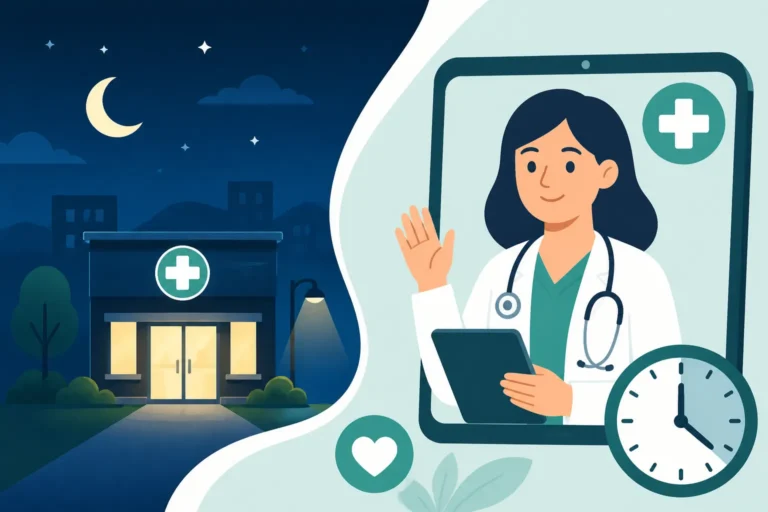
You wake up with a persistent fever or a suspicious rash, only to find the nearest clinic has a three-week wait for an appointment. Navigating a foreign healthcare system while feeling miserable is a rite of passage no expat enjoys. This guide breaks down exactly how you can leverage telemedicine services in Lithuania to get medical advice, prescriptions, and peace of mind without leaving your apartment.
Understanding the Telemedicine Landscape in Lithuania
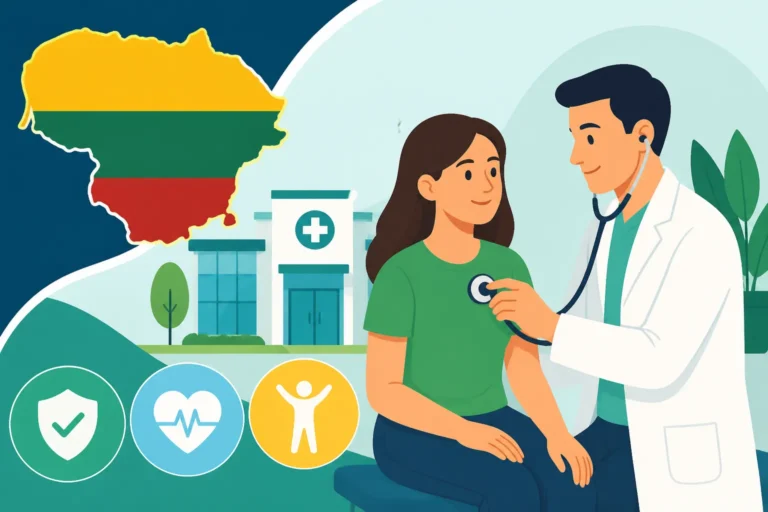
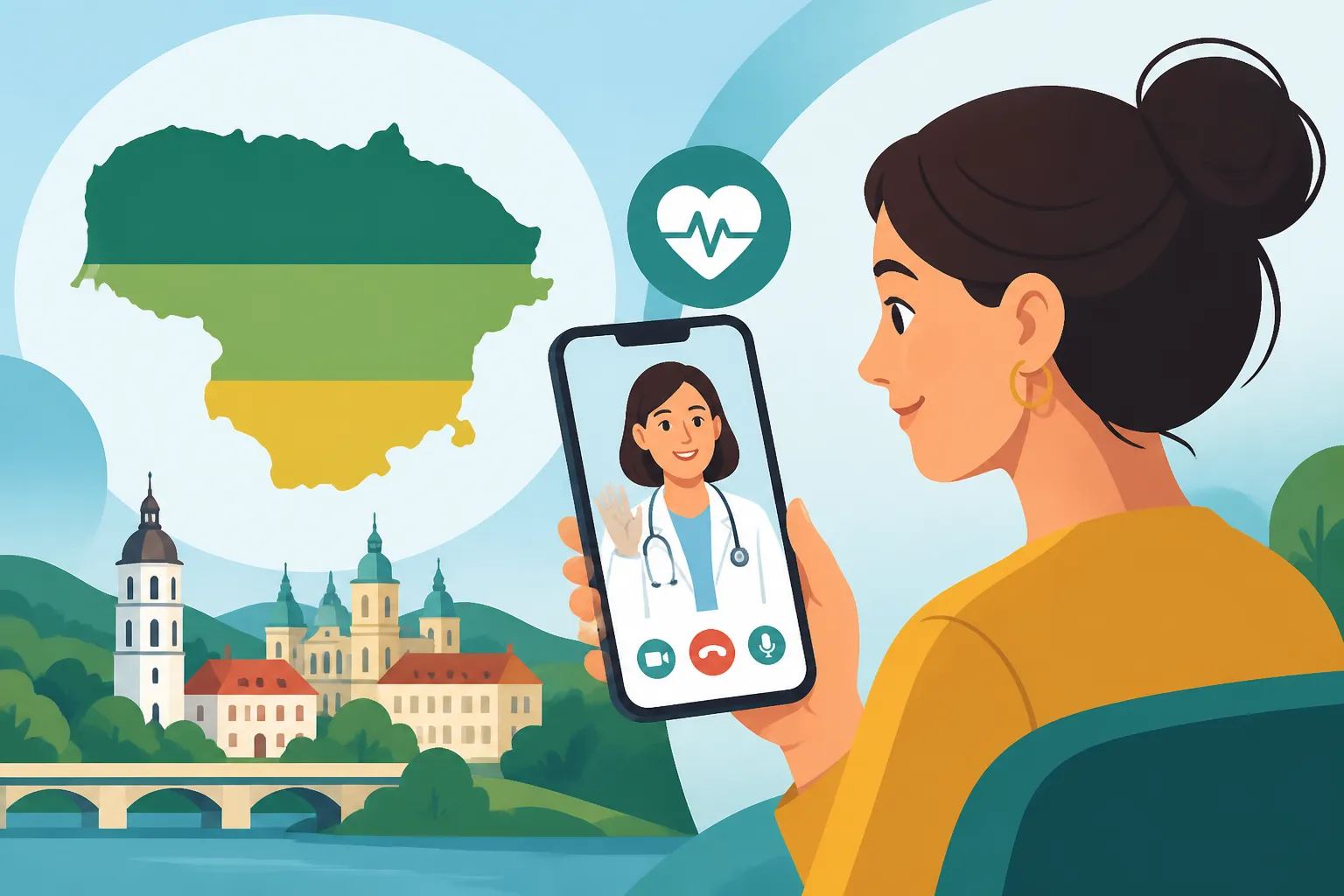
When I first arrived in Lithuania years ago, the thought of seeing a doctor involved physically showing up at a sterile, often confusing "Poliklinika" and hoping my limited Lithuanian would suffice. Thankfully, the digital transformation here has been aggressive and highly successful. Lithuania is now one of the leaders in the European Union for digital health integration, primarily through its centralized system. Telemedicine is no longer a "niche" service for tech-savvy youngsters; it is a fully integrated part of the national healthcare strategy.
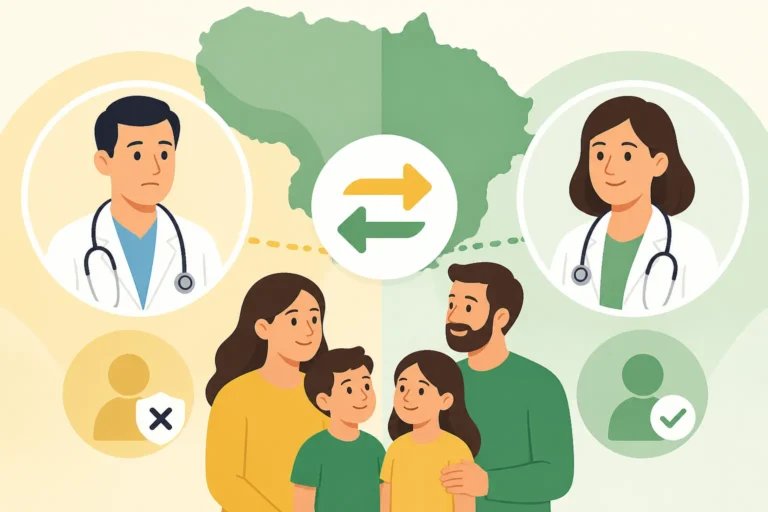
For an expat, telemedicine offers a bridge over the language barrier and the logistical hurdles of the physical healthcare infrastructure. Whether you are covered by the public system or are using private insurance like SafetyWing to cover your initial months in the country, remote consultations are widely available. There are two primary avenues: the public route, which is tied to your registered family doctor, and the private route, which utilizes independent platforms and clinics.
In the public sector, remote consultations became the "new normal" during the pandemic and have remained a staple for follow-ups and chronic condition management. In the private sector, the market is booming with user-friendly apps that allow you to book a specialist in minutes. This flexibility is crucial for foreigners who might not yet have their full residency paperwork in order but still need professional medical guidance.
The Role of the Family Doctor in Remote Care
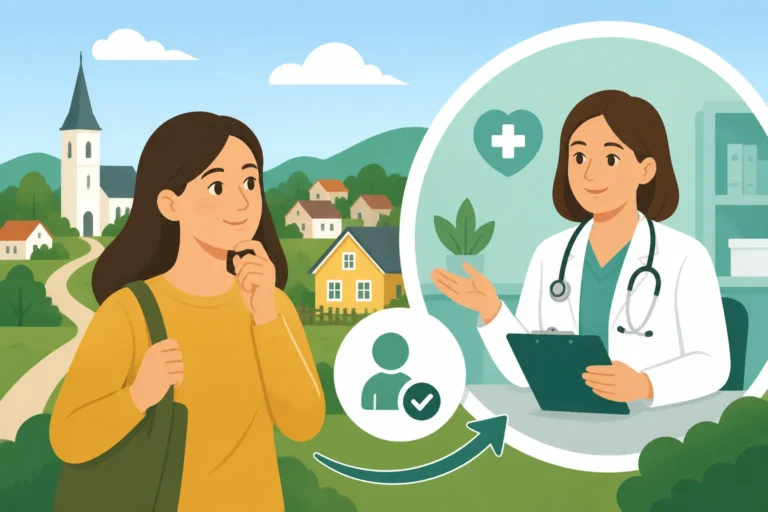
The backbone of the Lithuanian system is the "Šeimos Gydytojas" or family doctor. Every resident, including foreigners with a residence permit, is expected to register with one. Your family doctor is your gatekeeper for everything. If you are already registered, most clinics (both public and private) offer phone consultations. These are often used for reviewing blood test results or discussing mild symptoms that don't require a physical examination.
If you are just starting your journey and haven't settled on a clinic yet, you should read The Expat Guide to Finding a Family Doctor (Šeimos Gydytojas) in Lithuania to understand the registration process. Once you are in their system, you can often book these remote "visits" through the same portals used for in-person appointments. The doctor can assess your situation over the phone or video and, most importantly, issue electronic documents.
Private Telemedicine Platforms and International Options
If you haven't yet secured your Compulsory Health Insurance (PSD) or if you simply prefer the speed of the private market, several platforms cater specifically to remote care. Sites like Manodaktaras allow you to filter for doctors who offer video consultations. This is particularly helpful for expats because you can specifically search for specialists who speak English, Spanish, or German, saving you from the "lost in translation" anxiety that often accompanies a medical visit.
For those who are in Lithuania on a temporary basis or are digital nomads, your international insurance might already provide a dedicated telemedicine portal. For instance, SafetyWing members often have access to remote doctor services that can provide initial triage. This is an excellent first step if you are unsure whether your symptoms warrant a visit to a local Lithuanian emergency room or if a simple over-the-counter remedy will suffice.
How to Access Remote Care: Step-by-Step for Expats
Accessing telemedicine in Lithuania requires a bit of digital legwork. You cannot simply call a random number and expect a full medical workup. The system is highly regulated to ensure that your medical history remains secure and that any prescriptions issued are legally binding.
The first thing you need is a way to identify yourself digitally. In Lithuania, this almost always means having a "Smart-ID" or a "Mobile-ID." These tools are linked to your Asmens Kodas (personal code). Without these, you will find it very difficult to use the official government portals, though some private platforms may allow you to create an account using just an email and a passport scan for a limited range of services.
Navigating the E-Sveikata System
E-Sveikata is the national electronic health database. It is where every doctor's note, every blood test result, and every prescription is stored. As an expat, learning to navigate this portal is your superpower. You can log in to see exactly what a doctor wrote about your last visit, which can be incredibly helpful if you need to translate their notes later.
If you are wondering about the technical setup, I highly recommend checking out How Do I Access My E-Sveikata Health Record Online in Lithuania? for a detailed walkthrough. Once you are logged in, you can see your "E-siuntimai" (electronic referrals) and "E-receptas" (electronic prescriptions). During a telemedicine call, the doctor will update this system in real-time. By the time you hang up the phone, your prescription is usually already visible to every pharmacy in the country.
Managing Prescriptions Remotely
One of the most common reasons expats seek telemedicine is for prescription renewals. If you have a chronic condition and have already seen a doctor in Lithuania once, they can usually renew your medication via a quick remote consultation. This saves you the half-day trip to the clinic just to get a digital signature.
The "E-receptas" system is remarkably efficient. You don't need a paper slip; you simply go to any "Vaistinė" (pharmacy), show your residence card or provide your Asmens Kodas, and they pull up your prescription on their screen. To understand the nuances of how this works, especially for medications brought from abroad, see Understanding the Electronic Prescription (E-Receptas) System in Lithuania. It is worth noting that while a doctor can prescribe most things remotely, certain "controlled" medications may still require an in-person visit for a physical check-up.
| Feature | Public System (PSDF) | Private Platforms | International Insurance (e.g., SafetyWing) |
|---|---|---|---|
| Cost | Usually free for insured residents | 30 – 80 EUR per session | Often included in premium |
| Wait Time | 2-7 days for non-urgent | 1-24 hours | 1-12 hours |
| Language | Primarily Lithuanian/Russian | English/Lithuanian/Russian | English (Global) |
| Prescription Capability | Full (E-receptas) | Full (E-receptas) | Advice only (usually) |
| Referrals | Yes (valid for public specialists) | Yes (usually for private clinics) | No (triage only) |
Benefits and Limitations for Foreigners
Telemedicine in Lithuania is a godsend, but it isn't a magic wand. There are specific scenarios where it shines and others where it will inevitably fail. Knowing the difference will save you time and potentially prevent a medical condition from worsening.
One of the greatest benefits is the ability to maintain continuity of care. If you are traveling between Vilnius and Kaunas, or even if you are visiting home for the holidays, you can still "see" your Lithuanian doctor. As long as you have an internet connection and your Smart-ID, you are connected to the system. This is particularly useful for mental health services, where building a relationship with a therapist who speaks your language is vital. If you are struggling with the dark Baltic winters, you might want to look into How to Access Mental Health Services in Lithuania as an Expat for remote counseling options.
Language Barriers and Translation
Let's be realistic: not every doctor in the public system is comfortable conducting a full medical consultation in English. While the younger generation of doctors is typically fluent, the "Poliklinika" staff can be hit-or-miss. This is where private telemedicine platforms have a distinct advantage. They allow you to "pre-screen" your doctor based on their language skills.
If you are using a platform like Manodaktaras or the remote services of a clinic like Northway or Kardiolita, the English-speaking doctors are clearly marked. This removes the "anxiety of the unknown" that many of us feel when trying to explain a complex pain in a language we are still learning. Even if you are covered by public insurance, you might find that paying 40 Euro for a private remote consultation in English is worth every cent for the clarity it provides.
When Telemedicine is Not Enough
It is vital to remember that a video call cannot replace a physical exam for many conditions. If you have severe abdominal pain, a deep wound, or respiratory distress, a remote doctor will simply tell you to go to the emergency room. In Lithuania, doctors are quite strict about this. They will not "guess" on a diagnosis if they cannot palpate an area or listen to your lungs.
For those who are currently without PSD coverage and are relying on a provider like SafetyWing, telemedicine serves as an excellent "triage" service. The remote doctor can advise you on whether your symptoms are serious enough to incur The Cost of Healthcare in Lithuania: A Complete Breakdown for Foreigners (2026) that come with an emergency room visit as an uninsured patient. Always have the emergency number (112) saved, and if a remote doctor tells you to seek immediate care, do not hesitate.
Logistics: Digital Identity and Payments
To successfully use telemedicine in Lithuania, you need to be "digitally resident." For most of us, this means the first few weeks after moving are the most difficult because we are still waiting for our residence cards. If you find yourself sick before your paperwork is finalized, your options are slightly more limited but still exist.
Most private clinics will allow you to book a remote appointment over the phone and pay via an emailed invoice or a Stripe link. However, they will not be able to issue an official "E-receptas" that is linked to the national system unless you have an Asmens Kodas. In these cases, they might send you a "Paper Prescription" (Popierinis receptas) via email, but be warned: not all pharmacies are comfortable accepting these from remote sources due to fraud concerns. It is always better to have your digital ID sorted as soon as possible.
Using Smart-ID and Mobile-ID
If you haven't set up your Smart-ID yet, make it your top priority. You can usually do this once you have your residence card and a Lithuanian bank account. This little app is the key to the entire Health Insurance in Lithuania: Compulsory, Private and Travel Options Explained ecosystem. When you book a telemedicine appointment, you will likely need to log in to the clinic's portal or the E-Sveikata system to "check in" and confirm your identity.
The payment side is usually very straightforward. Private platforms function like any e-commerce site. You select your time slot, enter your credit card details, and receive a link for the video call (usually via Zoom, MS Teams, or a proprietary secure platform). If you are using your public insurance (PSD), the remote call is handled just like a regular visit, and no payment is exchanged, provided you are calling the clinic where you are registered.
Follow-ups and Specialist Referrals
If a remote doctor decides you need to see a specialist—say, a dermatologist or a cardiologist—they can issue an "E-siuntimas" (electronic referral) during your telemedicine call. This referral is valid for 180 days and is visible to any specialist in the country who uses the E-Sveikata system.
This is incredibly efficient. You can have a 10-minute phone call with your family doctor in the morning, and by the afternoon, you can be calling a specialist clinic to book an appointment using that digital referral. If you are unsure how the referral system works or how to skip the long wait times, you should read How to Get a Specialist Referral Without Long Waits in Lithuania.
Common Telemedicine Use Cases for Expats
To give you a better idea of how this looks in practice, here are a few scenarios where telemedicine can be a lifesaver in Lithuania:
- The "Friday Afternoon" Prescription Panic: You realize your asthma inhaler is empty at 4 PM on a Friday. Your clinic is closing soon. A quick private remote consultation can get a new "E-receptas" in the system in 15 minutes, allowing you to pick it up at a 24-hour pharmacy like Eurovaistinė later that night.
- The Sick Leave Certificate: In Lithuania, if you miss work due to illness, you need an official "Nedarbingumo pažymėjimas" (sick leave certificate) for Sodra (the social insurance fund). Most family doctors can start this process after a phone consultation, provided they have treated you before. This prevents you from having to drag your flu-ridden body to the clinic just to get a "note" for your boss.
- Initial Skin Concerns: Many dermatologists in Lithuania offer "teledermatology." You upload high-resolution photos of a mole or rash, and the doctor reviews them before your call. It’s a great way to get a quick "that’s fine" or "you need to come in for a biopsy" without the month-long wait for a physical slot.
- Lab Result Interpretation: After you get blood work done at a lab like Medicina Practica or Rezus, the results can be confusing. A 5-minute video call with a doctor to explain what your iron levels actually mean is much more satisfying than Googling your symptoms and fearing the worst.
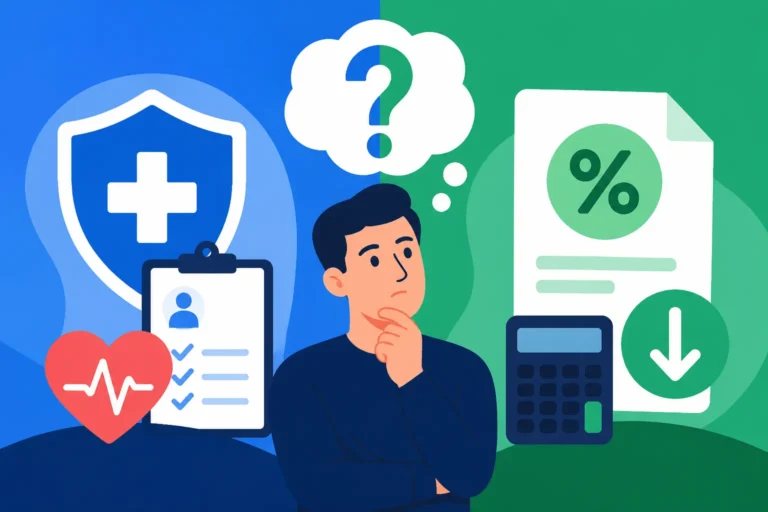
While you are navigating these early hurdles, remember that having a safety net is essential. Whether it is through the national system or a supplemental plan like SafetyWing, ensure you have a way to cover costs. You can find more about the financial side of things in How Much Does Private Health Insurance Cost in Lithuania in 2026? to see if adding a private layer to your public coverage makes sense for your lifestyle.
Disclaimer
The information provided in this guide is for informational purposes only and does not constitute professional medical or legal advice. While we strive to keep the details regarding the Lithuanian healthcare system and E-Sveikata up to date, regulations and platform availability can change. Always consult with a qualified medical professional or the Lithuanian Migration Department (MIGRIS) for specific advice regarding your health and residency status. This guide was written based on the situation in 2026 and individual experiences may vary based on location and insurance provider.