How Do I Get a Prescription Renewed Online in Lithuania?
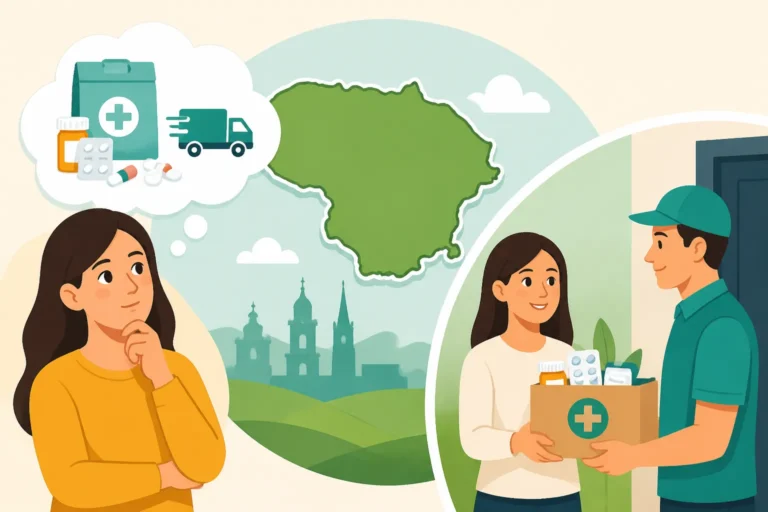
Imagine standing in your kitchen in Vilnius, staring at an empty blister pack of essential medication, only to realize the nearest appointment with your specialist is three weeks away. Navigating the Lithuanian medical bureaucracy while ill or busy is a common expat headache, but this guide provides a clear, stress-free roadmap to renewing your prescriptions online using the national e-health infrastructure.
The Foundation of Digital Health in Lithuania
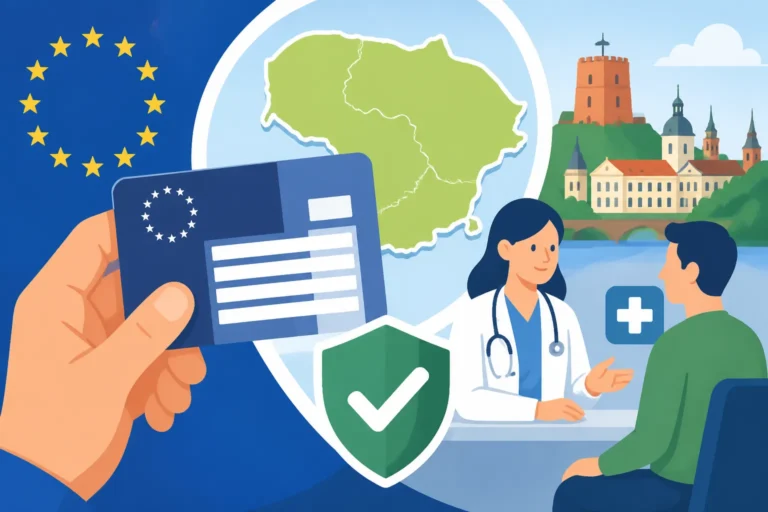
The first thing you need to understand as an expat is that Lithuania is surprisingly ahead of the curve when it comes to digital governance. Everything runs through a centralized system known as E-Sveikata. Gone are the days of carrying around crumpled paper slips signed by a doctor in illegible handwriting. Today, the "E-Receptas" (electronic prescription) is the gold standard, tied directly to your digital identity.
What is the E-Sveikata Portal
E-Sveikata is the national health information system where every doctor visit, blood test result, and prescription is logged. For you to get a renewal online, your history must exist within this database. If you have recently moved and haven't seen a local doctor yet, the system won't have a record to "renew." In that case, your first step isn't an online renewal, but a physical or remote consultation to establish your medical history.
Once you are in the system, the portal becomes your best friend. It allows you to see exactly which prescriptions are active, how many refills are left, and the specific dosage instructions provided by your physician. This transparency is a lifesaver when you are trying to communicate with pharmacists who might not speak perfect English. You can learn more about this in our guide on Understanding the E-Sveikata (E-Health) System in Lithuania.
Logging In and Digital Identity
To access your records and request renewals, you cannot simply use a username and password. Lithuania uses a high-security "E-Government Gateway" (Elektroniniai Valdžios Vartai). Most expats use Smart-ID, Mobile-ID (M-Parašas), or their physical Residency Permit card with a chip reader. Without these, you are effectively locked out of the digital health system.
If you are a digital nomad or a new arrival waiting for your residency documents, you might find yourself in a "grey zone" where you cannot yet access the public e-health portal. During this transition, having a plan like SafetyWing can provide a safety net for private consultations, though it's important to remember that most travel-related plans focus on new emergencies rather than chronic prescription management. To get full access to the public portal, you will need to finalize your residency. Check out How to Get Your Asmens Kodas (Personal Code) and Why It Matters for Healthcare to ensure you have the necessary credentials to log in.
How to Request a Renewal via Your Family Doctor
In Lithuania, the "Šeimos Gydytojas" (Family Doctor) is the gatekeeper of your health. Even if your medication was originally prescribed by a cardiologist or a psychiatrist, your family doctor is usually the one who handles the routine administrative task of renewing that prescription in the system.
Contacting the Poliklinika
Most expats are registered at a local "Poliklinika" (public clinic). To get a renewal online, you don't necessarily have to log into E-Sveikata yourself and click a button; often, the process begins with an email or a phone call to your clinic’s reception or your doctor’s nurse. Many clinics, such as the Antakalnis Poliklinika in Vilnius or the Kauno Centro Poliklinika, have dedicated email addresses or online forms specifically for prescription renewals.
When you contact them, you need to provide your full name, date of birth, and the name of the medication. The nurse will then pass this request to the doctor, who reviews your file. If it is a routine medication you have been taking for months, they will usually issue the E-Receptas within 24 to 48 hours. However, if it has been more than six months since your last check-up, the doctor might insist on a quick phone consultation or a blood test before clicking "approve." For more on how this works, see The Expat Guide to Finding a Family Doctor (Šeimos Gydytojas) in Lithuania.
Using the Patient Portal Request Feature
Inside the E-Sveikata portal, there is a section for "Receptai" (Prescriptions). In some versions of the interface, you can see a "Pratęsti" (Extend) or request button next to expired prescriptions. Clicking this sends a notification directly to your registered family doctor.
The reality for many foreigners is that the portal interface is almost entirely in Lithuanian. It can be incredibly frustrating to navigate a technical medical site using browser translation tools that often mangle medical terminology. It is wise to have a tab open with a translation app or asking a Lithuanian-speaking friend to help the first time you do this. If you are struggling with the interface, our article on How to Access My E-Sveikata Health Record Online in Lithuania provides a more detailed walkthrough of the menu icons.
Private Healthcare and Telemedicine Shortcuts
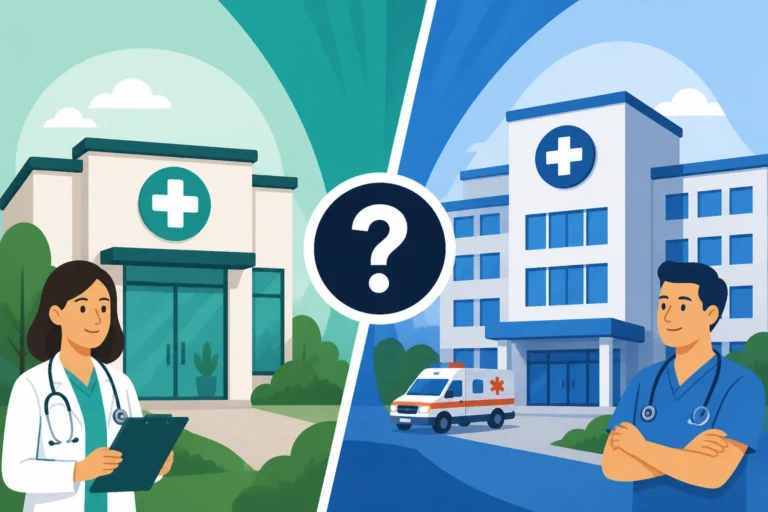
Sometimes the public system is just too slow. If your family doctor is on vacation or the clinic's phone lines are busy, private medical centers like Kardiolita, InMedica, or Northway offer a much faster, albeit costlier, alternative.
Remote Consultations at Private Clinics
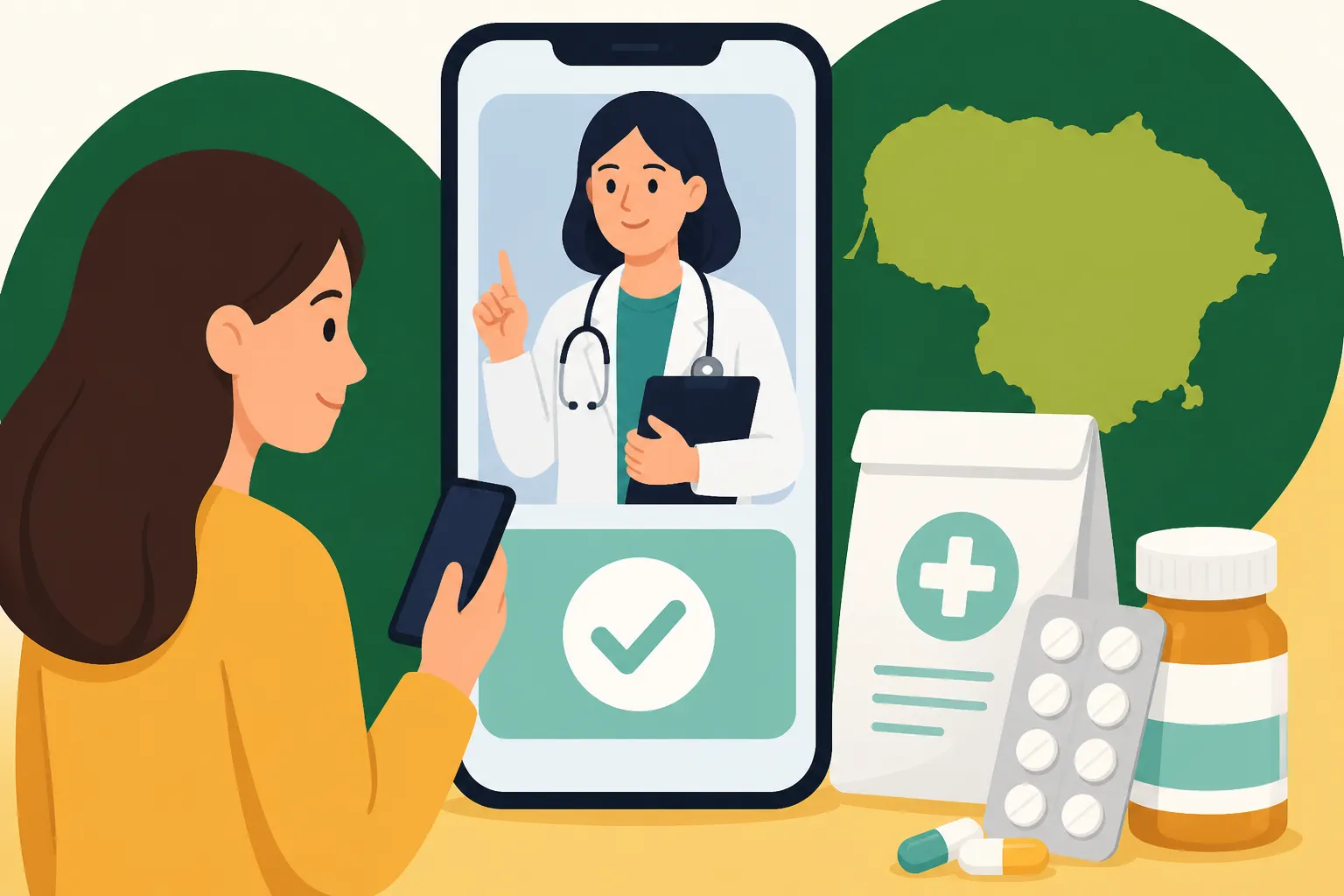
Almost all major private clinics in Lithuania now offer "Nuotolinė Konsultacija" (Remote Consultation). You can book these via their websites or apps (like the Manodaktaras platform). During a 15-minute video or phone call, the doctor can review your previous medical records (if they are in E-Sveikata) and issue a new E-Receptas immediately.
This is particularly useful for expats who haven't yet mastered the public system or who need a doctor who speaks fluent English. While the public system is covered by your Compulsory Health Insurance (PSD), these private visits will cost anywhere from 30 to 80 Euros. If you are using a plan like SafetyWing, remember that these are often used for unexpected illnesses; routine chronic prescription renewals might be an out-of-pocket expense unless they are tied to a new acute condition. You can compare your options in Public vs Private Healthcare in Lithuania: Which Should Expats Choose?.
When a Specialist is Required
For certain "controlled" medications—such as those for ADHD, severe depression, or specific hormonal treatments—a family doctor might not be legally allowed to renew the prescription without a fresh "Siuntimas" (referral) or a recent note from a specialist. This is where the online process can hit a snag.
If your specialist is in the public system, the wait times can be months. In these instances, booking a private specialist for a one-off "renewal consultation" is the standard expat workaround. Once the private specialist enters the prescription into the E-Sveikata system, it becomes visible to all pharmacists across Lithuania instantly. For details on specialist access, refer to How to Access Specialist Care Through the Lithuanian Public System.
Picking Up Your Medication at the Pharmacy
Once the doctor has "sent" the prescription, it exists in the cloud. You do not need a printout, a PDF, or even a confirmation code.
Identifying Yourself at the Vaistinė
Walk into any "Vaistinė" (Pharmacy)—common chains include Eurovaistinė, Gintarinė Vaistinė, or Camelia. Hand the pharmacist your ID card (Residency Permit) or your passport. They will scan your ID or enter your Asmens Kodas into their terminal. Within seconds, every active prescription assigned to you will pop up on their screen.
The pharmacist will ask which medication you want to buy (if you have multiple) and tell you the price. It is important to note that if you are covered by PSD, some medications are "Kompensuojami" (subsidized). The system automatically calculates the discount based on your insurance status. If you are curious about what you might end up paying, check out The Cost of Healthcare in Lithuania: A Complete Breakdown for Foreigners (2026).
| Renewal Method | Typical Wait Time | Cost (with PSD) | Best For |
|---|---|---|---|
| Public Poliklinika (Email/Portal) | 1-3 Business Days | Free | Routine, long-term meds |
| Private Clinic (Telemedicine) | Same Day / 24 Hours | €30 – €80 | Urgency, English speakers |
| Specialist Consult (Public) | 2-8 Weeks | Free | Controlled substances |
| Specialist Consult (Private) | 2-7 Days | €50 – €120 | Complex meds, fast results |
Special Considerations for Expats and Foreigners
One of the biggest hurdles is the "First Time" problem. If you have moved to Lithuania with a bag full of medications prescribed in your home country, a Lithuanian pharmacist cannot simply look at your foreign bottle and give you a refill. They are legally bound by the E-Receptas system.
Converting Foreign Prescriptions
To get your foreign prescription into the Lithuanian system, you must see a local doctor. Bring your original paper prescription from home (preferably in English) or the original packaging. The Lithuanian doctor will "translate" this into the local system by finding the equivalent medication available in the Baltics. Sometimes the brand names differ, but the active ingredients remain the same.
This initial "conversion" visit is crucial. Once the local doctor enters it into E-Sveikata for the first time, all subsequent renewals can be done online or via phone. For more information on this transition, see Prescription Medications and Pharmacies in Lithuania: The Complete Guide.
Handling Expired PSD or "Inactive" Status
If you log into E-Sveikata and see that your status is "Draudimas negalioja" (Insurance not valid), your doctor may refuse to renew your prescription through the public system. This often happens to expats between jobs or those who forgot to pay their monthly Sodra contributions.
If you find yourself in this situation, you must either pay your arrears or visit a private clinic and pay the full "uninsured" price for both the consultation and the medication. While SafetyWing is excellent for travelers and those moving between countries, it doesn't pay your local social insurance (PSD) for you. You can find out how to fix your insurance status in What Should I Do If My PSD Status Is Inactive in Lithuania?.
Emergency After-Hours Renewals
What if you run out of heart medication at 8:00 PM on a Saturday? You cannot get an online renewal instantly because a human doctor still needs to authorize it. In these rare emergencies, you can go to the "Priimamasis" (Emergency Room) of a hospital like the Vilnius University Hospital Santaros Klinikos.
However, be warned: the ER is for life-threatening emergencies. Using it for a prescription renewal will result in a long wait and a potential bill if they deem it a non-emergency. It is always better to manage your renewals at least a week before you run out. For more on emergency situations, read Emergency Medical Care in Lithuania: What Every Expat Needs to Know.
Managing Your Medications Long-Term
To make your life easier, always ask your doctor for a "Long-term" prescription if your condition is chronic. In Lithuania, doctors can issue prescriptions that are valid for up to 6 or 12 months, but dispensed in 3-month increments. This means you only have to request the "online renewal" once or twice a year rather than every month.
When the system works, it is incredibly efficient. You send an email, wait for a confirmation, and then simply walk into any pharmacy in the country—from the seaside in Klaipėda to the forests of Druskininkai—and pick up your medicine using nothing but your ID card. It takes a bit of time to set up, but once you are in the E-Sveikata ecosystem, you will likely find it much more convenient than the systems in many other Western countries. If you are still setting up your life here, don't miss Navigating the Lithuanian Healthcare System: An Expat's Roadmap (2027) to get the full picture of your rights and responsibilities.
Disclaimer
The information provided in this guide is for educational and informational purposes only and does not constitute professional medical or legal advice. Healthcare regulations and digital portal interfaces in Lithuania are subject to change. Always consult with a qualified healthcare professional or the Lithuanian National Health Insurance Fund (VLK) for the most up-to-date and personalized advice regarding your medical needs and insurance status.