Can I Keep My Lithuanian Health Insurance If I Move Abroad Temporarily?
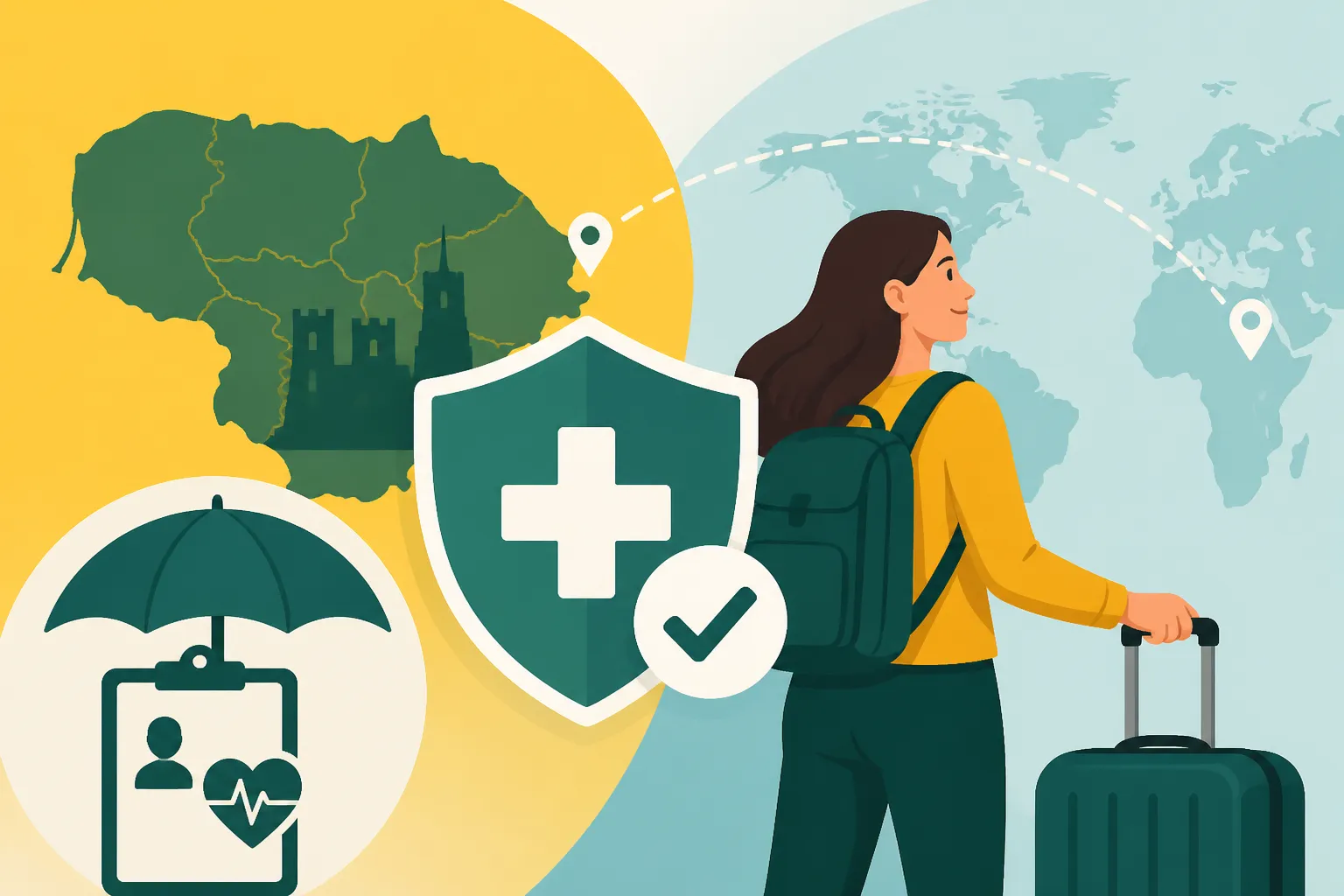
Moving abroad, even for a short stint, brings a whirlwind of logistical challenges, and one of the biggest worries for expats in Lithuania is often, "What about my health insurance?" The thought of losing your hard-earned Public Health Insurance Fund (VLK) coverage, especially after navigating the Lithuanian system, is daunting. This guide will meticulously break down whether you can keep your Lithuanian health insurance if you move abroad temporarily, and what steps you need to take to protect your healthcare status.
Understanding the Cornerstone of Lithuanian Health Insurance: PSD
Navigating the Lithuanian healthcare system can feel like learning a new language, even if you’re fluent in Lithuanian. At its heart is the Compulsory Health Insurance (PSD – Privalomasis Sveikatos Draudimas) system, managed by the National Health Insurance Fund (VLK). For most expats, your PSD status is directly linked to your legal residency and contributions to Sodra, Lithuania’s social insurance fund. If you’re employed by a Lithuanian company, self-employed, or otherwise legally residing and contributing, you’re generally covered. But what happens when you step outside these clear-cut lines, even for a little while?
The core principle here is continuous contribution. If you're contributing to Sodra for PSD, you maintain your coverage. The moment those contributions stop, your PSD status becomes inactive. This is a critical point that many expats overlook or misunderstand, leading to potential gaps in coverage and unexpected bills down the line. It's not just about having an Asmens Kodas (personal code); it's about active contributions. For a deeper dive, check out our guide on How Lithuania's Health Insurance Fund (VLK/PSDF) Works: A Full Overview.
Defining "Temporary" Abroad for Health Insurance Purposes
The concept of "temporary" can be quite fluid in everyday life, but when it comes to health insurance in Lithuania, it’s usually quite rigid. For the VLK, your temporary move abroad is primarily assessed through your continued legal connection to Lithuania and your ongoing PSD contributions.
Imagine you've been living and working in Vilnius for two years. You're happily contributing to Sodra, enjoying your access to the public healthcare system. Now, your company offers you a fantastic project in Berlin for six months, or perhaps you decide to take a three-month sabbatical to travel Southeast Asia. The crucial question is: during this period, will you still be considered a tax and social insurance resident of Lithuania, and will your PSD contributions continue?
If your Lithuanian employment continues, and your employer keeps paying your social security contributions (including PSD), then congratulations, your PSD status should remain active. This often applies to remote workers who are still formally employed by a Lithuanian entity. However, if your employment is paused, terminated, or you switch to working for a foreign employer who doesn't contribute to the Lithuanian system, your PSD status will likely be interrupted. This is where things get tricky, and many expats find themselves in a bind, unsure if they are still covered.
The Residency Question: Where Do You Legally Live?
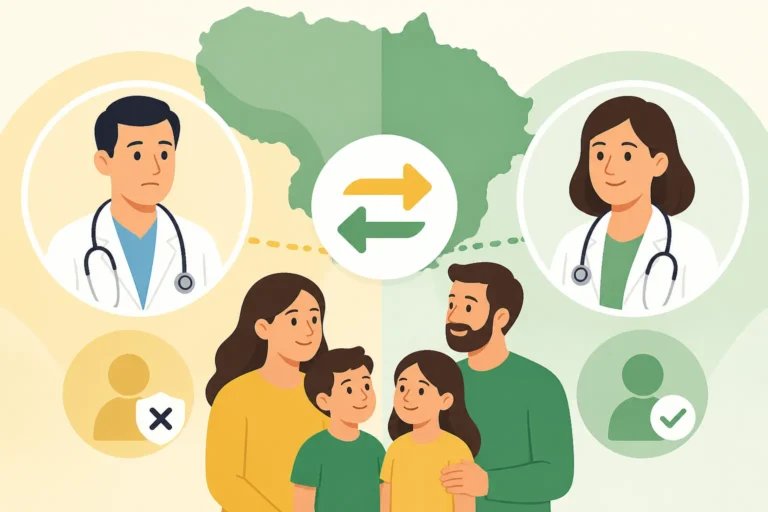
For health insurance, "temporary" is less about the length of time and more about your legal and fiscal ties. If you maintain your declared place of residence in Lithuania (gyvenamoji vieta) and continue to be a tax resident who contributes to Sodra, your PSD coverage will generally continue. If you deregister your residence, or your circumstances change such that you are no longer making those mandatory contributions, your coverage will lapse.
It’s not just about a casual trip; it’s about where your legal and financial roots are. For example, if you're an EU citizen temporarily relocating to another EU country for work, you might switch your primary social security contributions to that new country, in which case your Lithuanian PSD would cease. On the other hand, if you're going for an extended holiday but your job and contributions in Lithuania remain unchanged, your PSD status generally won't be affected. This is why understanding Registering for Compulsory Health Insurance (PSD) in Lithuania (2027) and how it’s tied to your residency is so vital.
Scenarios for Keeping Your PSD Coverage Intact
There are specific pathways and situations where you can indeed maintain your Lithuanian PSD coverage, even if you're physically out of the country for a period. These usually hinge on maintaining your social security contributions or leveraging EU agreements.
Remaining an Employee of a Lithuanian Company
This is perhaps the most straightforward scenario. If your Lithuanian employer continues to pay your Sodra contributions, including the PSD component, then your compulsory health insurance remains active. This is common for individuals who work remotely for a Lithuanian company, even if they choose to do so from another country for a few weeks or months.
Let's say you work for a tech company in Kaunas. Your boss agrees you can work from your family home in Spain for two months. As long as your employment contract remains active with the Lithuanian company and they continue to deduct and pay your social security contributions to Sodra, your PSD status will be maintained. This means you’re still considered a resident contributing to the Lithuanian system, and theoretically, if you were to return to Lithuania, your healthcare access would be uninterrupted. This also means you're still eligible for the European Health Insurance Card (EHIC), which can be incredibly useful when traveling within the EU/EEA. Remember, the EHIC isn't a substitute for travel insurance, but it covers necessary medical treatment. For information on how it works, see How to Use Your EHIC (ESDK) Card in Lithuania as an EU Citizen.
However, if your employment is put on hold, or you're on unpaid leave for an extended period, your employer might stop paying contributions, which would then deactivate your PSD. Always clarify these specifics with your employer and, if in doubt, with Sodra directly. Don't assume anything, as a lapse in coverage can be very costly.
Making Voluntary PSD Contributions
What if you're not employed by a Lithuanian company, or you're self-employed and decide to pause your individual activity while abroad? You might still be able to maintain your PSD coverage by making voluntary contributions. This typically applies to individuals who are legal residents in Lithuania but don't fall under other categories (e.g., employed, students, pensioners) that automatically guarantee PSD.
The current monthly PSD contribution amount is usually updated annually. For 2024, it was set as a fixed percentage of the minimum monthly wage, typically around 6.98% of the minimum wage. This amount, while seemingly small on a monthly basis, can add up, but it ensures you keep your health insurance active. For precise figures, always consult the official Sodra website or a financial advisor specializing in Lithuanian taxes and social security. Our article on How Much Is the Monthly PSD Contribution Through Sodra? provides a detailed breakdown.
To make voluntary contributions, you would typically need to register your intent with Sodra and ensure you pay the correct amount each month by the 15th for the previous month. This is a crucial step if you want to avoid a lapse in your health insurance, especially if you plan to return to Lithuania and need immediate access to public healthcare. It’s essentially saying, "I'm still a resident, and I want to maintain my healthcare rights, even if my employment status temporarily changes." Missing these payments can lead to your PSD status becoming inactive, and you might accrue debt to Sodra.
Leveraging EU/EEA/Switzerland Mobility (EHIC)
For citizens of EU/EEA countries or Switzerland who have valid Lithuanian PSD and plan to travel or temporarily reside in another EU/EEA country or Switzerland, the European Health Insurance Card (EHIC) is your best friend. The EHIC allows you to access medically necessary state-provided healthcare during a temporary stay under the same conditions and at the same cost (free in many cases) as people insured in that country.
However, it's absolutely vital to understand what the EHIC is not:
- It's not a substitute for travel insurance. The EHIC doesn't cover private healthcare, medical repatriation, lost luggage, or flight delays. For broader protection, especially for non-medical emergencies, you’ll still want comprehensive travel insurance. This is where options like SafetyWing can be incredibly useful, providing a safety net for those unexpected travel incidents that the EHIC simply won't touch. SafetyWing is designed for digital nomads and long-term travelers, offering a flexible plan that can cover you for much more than just emergency medical treatment.
- It's not for planned treatment. You can't use it to go to another country specifically to receive medical treatment.
- It only covers state-provided healthcare. If you opt for private care in another EU country, your EHIC won't cover the costs.
So, if you're a German expat with active Lithuanian PSD and you travel to Italy for a two-month working holiday, your EHIC issued by Lithuania would cover you for sudden illnesses or accidents requiring immediate attention in Italy's public health system. This is a huge benefit of the EU's coordination of social security systems. Just make sure your Lithuanian PSD remains active throughout your trip.
What Happens If You Lose Coverage (and How to Plan Ahead)
The thought of losing healthcare coverage, even temporarily, is enough to send shivers down anyone's spine. In Lithuania, a lapse in your PSD status can have significant and uncomfortable consequences.
The Risks of Lapsed Coverage: The Real-Life Impact
Let's be frank: if your PSD status becomes inactive while you're abroad, or even upon your return, you could find yourself in a very vulnerable position. Without active PSD, you are essentially treated as uninsured within the Lithuanian public healthcare system.
- Medical Emergencies: While emergency care (like calling 112) is generally provided regardless of insurance status, you'd likely be billed for all services rendered if you don't have active PSD. Imagine getting into an accident or suddenly falling ill and receiving a hefty hospital bill because your insurance lapsed. This isn't just an administrative headache; it's a financial catastrophe waiting to happen.
- Routine Care: Forget about seeing a family doctor, getting prescriptions covered by the VLK, or accessing specialist care without paying out-of-pocket for every single appointment and procedure. For any routine or non-emergency care, you'll be charged the full price, which can quickly drain your savings. Our guide, The Cost of Healthcare in Lithuania: A Complete Breakdown for Foreigners (2026), illustrates just how quickly these costs can add up without coverage.
- Re-registration Hurdles: Upon returning to Lithuania, if your PSD status has lapsed, you won't automatically regain coverage. You'll need to re-register with Sodra and the VLK, which can sometimes involve a waiting period or the need to pay any outstanding PSD contributions from the period of your absence before your coverage is reinstated. This means you might return to Lithuania, potentially needing medical attention, only to find yourself without public healthcare access for a while.
The process of Understanding PSD Contributions Through Sodra in Lithuania is complex enough when it’s continuous, let alone when trying to reactivate it after a break. The frustration of dealing with bureaucracy when you're unwell or worried about your health is something no expat wants to experience.
Alternative Health Insurance Solutions for Temporary Stays
Given the potential risks, planning for continuous health coverage during your temporary move abroad is paramount. If your Lithuanian PSD won't cover you, or if you need more comprehensive protection, you have a few good options:
- Comprehensive Travel Insurance: For shorter trips (typically up to a year), a robust travel insurance policy is invaluable. These policies cover not just medical emergencies but also trip cancellations, lost luggage, personal liability, and sometimes even adventure sports. They bridge the gaps left by the EHIC. Look for policies that explicitly state their coverage limits for medical expenses and emergency evacuation.
- International Health Insurance: If your "temporary" move is more like a mini-relocation for several months or even a year or two, and you’re establishing new temporary roots, an international health insurance plan might be more suitable. These plans are designed for expatriates and digital nomads, offering comprehensive medical coverage globally, not just in emergencies. They often allow you to choose your doctors and hospitals and provide a higher level of coverage than standard travel insurance. This is where providers like SafetyWing come into play. SafetyWing offers a "Nomad Insurance" product that functions as a flexible travel medical insurance, suitable for those who spend significant time abroad, providing coverage both in their temporary location and short visits back home. It's often a pragmatic choice for those whose plans are a bit more dynamic than a typical holiday.
- Local Insurance in Your Temporary Destination: If you're moving to another country for an extended period (e.g., more than three to six months), you might become eligible for their local public or private health insurance system, especially if you're employed there. Researching the local options of your temporary destination is always a smart move.
When choosing an alternative, carefully compare the coverage details, especially for pre-existing conditions, emergency repatriation, and routine care vs. emergency care. Our article Health Insurance in Lithuania: Compulsory, Private and Travel Options Explained delves into the various types of insurance available, which can help you understand what you're looking for.
Reinstating Your PSD Upon Return
If your PSD status has become inactive while you were away, you will need to take proactive steps to reinstate it when you return to Lithuania. This isn't an automatic process.
- Re-establish Residency: Ensure your declared place of residence (gyvenamoji vieta) in Lithuania is active and correctly registered.
- Re-register with Sodra: If you are returning to employment, your employer will register you with Sodra. If you are becoming self-employed, you will need to register your individual activity. If you're not working, you might need to register for voluntary PSD contributions.
- Pay Outstanding Debts: If you had any period of lapsed coverage while still considered a resident, Sodra might require you to pay accumulated PSD contributions for that period to fully reactivate your status. This is a common point of frustration for expats, as it can feel like you're paying for coverage you didn't use.
- Waiting Periods: While typically there isn't a long formal waiting period for PSD to become active once contributions resume, practical access to some services might take a bit longer if you need to How to Choose and Register with a Family Doctor (Šeimos Gydytojas) in Lithuania again.
To avoid nasty surprises, always contact Sodra and the Migration Department (MIGRIS) before your temporary move and upon your return. Their advice is invaluable and tailored to your specific situation. Being proactive and informed is your best defense against administrative headaches and unexpected medical bills.
Here's a quick overview of how different scenarios might affect your PSD:
| Scenario | PSD Status While Abroad (General) | EHIC Usage (EU/EEA/CH) | Recommended Additional Coverage |
|---|---|---|---|
| Employed by Lithuanian Co., working remotely | Active, if contributions continue | Yes | Optional travel insurance (non-medical risks) |
| Self-Employed in Lithuania, taking break | Inactive, if contributions stop | No | Voluntary PSD or comprehensive travel/international health insurance |
| Unemployed, making voluntary contributions | Active, if contributions continue | Yes | Optional travel insurance (non-medical risks) |
| Moved for new employment in EU/EEA/CH | Likely Inactive (transfer to new country's system) | No (use new country's EHIC) | Comprehensive travel/international health insurance for gaps/extra coverage |
| Moved for new employment outside EU/EEA/CH | Inactive | No | Comprehensive travel/international health insurance, or local insurance in destination |
| Extended holiday/sabbatical, no Lithuanian contributions | Inactive | No | Comprehensive travel/international health insurance (e.g., SafetyWing) |
This table should give you a clearer picture of what to expect. The key takeaway is that maintaining active PSD requires ongoing contributions, and if those stop, you need a robust alternative plan.
Navigating the Administrative Maze and Getting Help
The Lithuanian administrative system, particularly when it comes to social security and healthcare, can feel like a labyrinth, especially for expats. Don't be shy about seeking help!
Who to Contact and What to Ask
Before you pack your bags for that temporary adventure, make a few crucial calls:
- Sodra: They are the ultimate authority on your social security contributions, including PSD. Contact their expat service line (if available) or visit a local branch. Be explicit about your plans: "I am employed by a Lithuanian company, but will be working from Germany for three months. Will my PSD contributions continue, and will my EHIC remain valid?" Or, "I am self-employed and plan to pause my individual activity for four months to travel outside the EU. What steps do I need to take to ensure I can reinstate my PSD upon return, and are there any voluntary contribution options I should consider?" Their answers are gold.
- Your Employer (if applicable): Discuss your temporary move with your HR department. Confirm that your employment status and, crucially, your Sodra contributions will remain uninterrupted. Get it in writing if possible.
- Migration Department (MIGRIS): While less directly related to health insurance, if your "temporary" move is long enough to impact your residence permit status, you need to speak with MIGRIS. A change in residency status can indirectly affect your PSD. For more about this, check out our guide on The Complete Guide to Lithuanian Residence Permits for Expats (2027).
- The VLK (National Health Insurance Fund): While Sodra handles contributions, the VLK manages the actual health insurance fund and benefits. They can provide clarification on what services are covered by PSD and EHIC while abroad.
Remember, clear communication and documentation are your best friends. Ask for official statements or written confirmation whenever possible. This can save you immense headaches later on.
The Importance of a "Plan B"
Even with all the best intentions and confirmations, things can go awry. Flights get delayed, plans change, and bureaucratic processes can sometimes surprise you. This is why having a "Plan B" for your health insurance is not just recommended, it's essential.
Consider the scenario where your flight back to Lithuania is unexpectedly canceled, and you're stranded abroad for another two weeks, during which you develop a severe ear infection. If your Lithuanian PSD was active, your EHIC might cover you in another EU country. But what if you're outside the EU? Or what if your PSD lapsed because your employer made an error, or your voluntary payment was late? In these situations, having a reliable international travel or health insurance policy, such as SafetyWing, can be a lifesaver.
SafetyWing, for example, is specifically designed for the flexibility of expat and digital nomad life, offering coverage for medical emergencies and other travel-related issues worldwide. It’s a good supplementary option to cover the unpredictable nature of temporary moves and offers continuous coverage that adapts to your changing locations, rather than being tied to a single country's social security system. Don't leave your health to chance; a small investment in comprehensive insurance can prevent monumental stress and costs.
It’s often tempting to think, "It's only for a few months, what could happen?" But life, as we expats know, has a peculiar way of throwing curveballs when you least expect them. Whether it’s a minor injury, a sudden illness, or something more serious, medical costs abroad can be astronomical. Don't underestimate the peace of mind that comes with knowing you're fully covered, no matter where your temporary adventures take you. For a broader overview of all your options, take a look at our article, The Complete Guide to Healthcare in Lithuania for Expats (2027).
Disclaimer
The information provided in this guide is for general informational purposes only and does not constitute legal, financial, or medical advice. Regulations regarding health insurance and residency in Lithuania can change frequently. While we strive to provide accurate and up-to-date information, it is essential to consult with official Lithuanian institutions such as Sodra, the National Health Insurance Fund (VLK), and the Migration Department (MIGRIS), or a qualified legal/financial professional, for advice tailored to your specific situation before making any decisions related to your health insurance or residency status.